Benvenuti in Shandong Qilu Industrial Co., Ltd

 Italian
 English
 Arabic
 Bulgarian
 Bengali
 Czech
Czech
 Danish
 German
 Greek
Greek
 Spanish
 Finnish
 French
 Hindi
Hindi
 Croatian
 Hungarian
 Indonesian
 Japanese
 Korean
 Lithuanian
 Dutch
Dutch
 Norwegian
 Polish
 Portuguese
 Romanian
 Russian
 Slovak
 Slovenian
 Swedish
 Thai
Thai
 Turkish
 Ukrainian
 Vietnamese
 Tagalog
 Malay
Malay
 Estonian
 Catalan
 Latvian
 Urdu
Urdu
 Serbian
 Persian
 Swahili
 Albanian
 Armenian
 Icelandic
 Bosnian
 Luxembourgish
 Afrikaans
Italian English
Arabic
Bulgarian
Bengali
Czech
Danish
German
Greek
Spanish
Finnish
French
Hindi
Croatian
Hungarian
Indonesian
Japanese
Korean
Lithuanian
Dutch
Norwegian
Polish
Portuguese
Romanian
Russian
Slovak
Slovenian
Swedish
Thai
Turkish
Ukrainian
Vietnamese
Tagalog
Malay
Estonian
Catalan
Latvian
Urdu
Serbian
Persian
Swahili
Albanian
Armenian
Icelandic
Bosnian
Luxembourgish
Afrikaans
Afrikaans
Italian English
Arabic
Bulgarian
Bengali
Czech
Danish
German
Greek
Spanish
Finnish
French
Hindi
Croatian
Hungarian
Indonesian
Japanese
Korean
Lithuanian
Dutch
Norwegian
Polish
Portuguese
Romanian
Russian
Slovak
Slovenian
Swedish
Thai
Turkish
Ukrainian
Vietnamese
Tagalog
Malay
Estonian
Catalan
Latvian
Urdu
Serbian
Persian
Swahili
Albanian
Armenian
Icelandic
Bosnian
Luxembourgish
Afrikaans
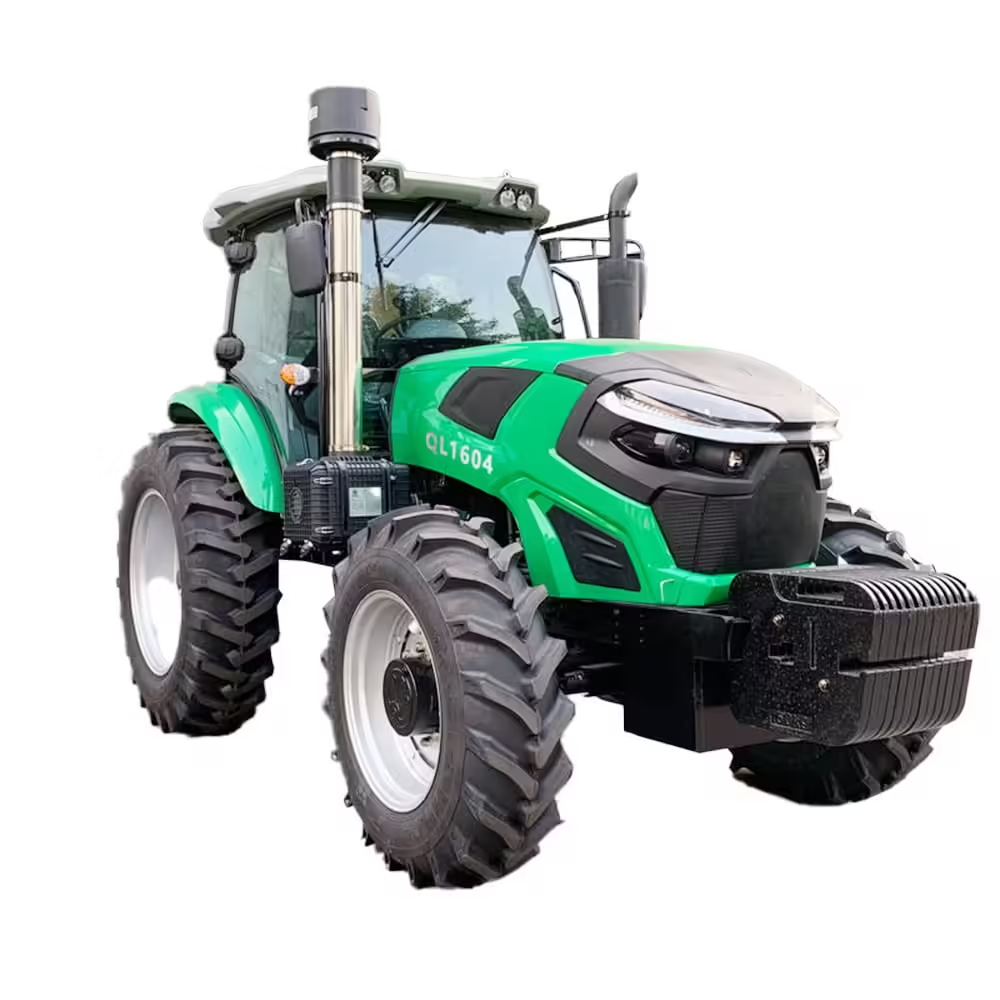
Garantire la sicurezza: precauzioni vitali durante l'utilizzo di un trattore
Garantire la sicurezza: precauzioni vitali durante l'utilizzo di un trattore
Introduzione
L'utilizzo di un trattore è un compito fondamentale ma potenzialmente pericoloso in ambito agricolo e edilizio La pura potenza e la complessità di queste macchine richiedono una stretta aderenza ai protocolli di sicurezza In questo articolo completo, approfondiamo il multiforme mondo della sicurezza operativa del trattore, esplorando una miriade di precauzioni che gli operatori devono adottare per garantire il loro benessere e la sicurezza di coloro che li circondano.Sommario
- Comprendere i rischi del funzionamento dei trattori
- Dinamica di peso e potenza
- Terreno e condizioni imprevedibili
- Ingranaggi di sicurezza e protezione personale
- Abbigliamento e calzature adeguati
- Caschi e Protezione Occhi
- Protezione dell'udito
- Controlli preoperatori e ispezione delle attrezzature
- Freni, frizione e comandi
- Luci e Segnali
- Sicurezza dell'allegato
- Pratiche operative sicure del trattore
- Utilizzo della cintura di sicurezza
- Velocità e sterzo controllati
- Evitare Movimenti Improvvisi
- Lavorare vicino a pendii e terreni irregolari
- Comprendere il Centro di Gravità
- Evitare il sovraccarico
- Implementazione di procedure di carico e scarico sicure
- Utilizzo di rampe e strumenti di caricamento
- Bilanciare il carico
- Prevenire Rollover e Tip-Over
- ROPS e Strutture Protettive
- Contrappeso e distribuzione del carico
- Sicurezza durante l'uso di allegati e attrezzature
- Montaggio e smontaggio adeguati
- Evitare il contatto con parti mobili
- Alcol, Affaticamento, e Benessere Operatore
- L'impatto della menomazione
- Dare priorità al riposo e alla salute
- Preparazione e comunicazione alle emergenze
- Equipaggiamento di Kit di Primo Soccorso
- Stabilire protocolli di comunicazione
- FAQ sulle precauzioni di sicurezza durante l'utilizzo di un trattore
Comprendere i rischi del funzionamento dei trattori
Dinamica di peso e potenza
I trattori sono macchine pesanti e potenti, in grado di causare gravi danni se non azionati con cautela Il rischio di incidenti è accentuato a causa delle loro dimensioni e del loro peso.Terreno e condizioni imprevedibili
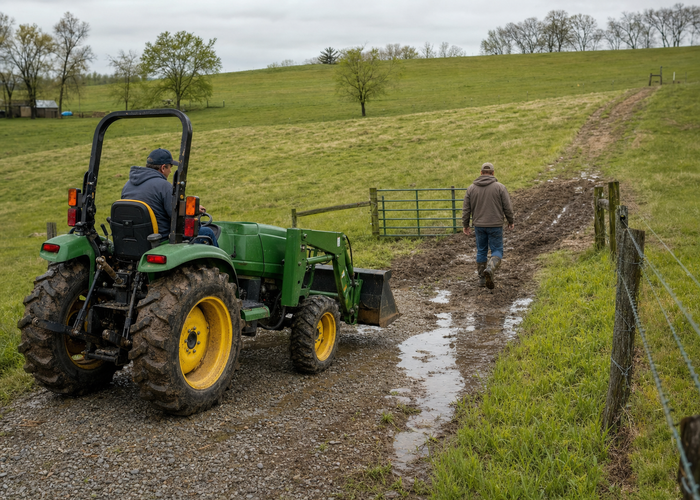
Terreno, ostacoli e condizioni meteorologiche irregolari possono avere un impatto significativo sulla stabilità e sul controllo del trattore, rendendo essenziale anticipare e adattarsi a queste sfide.Ingranaggi di sicurezza e protezione personale
Abbigliamento e calzature adeguati
Indossare indumenti adeguati e calzature robuste riduce al minimo il rischio di impigliamento con le parti mobili e offre protezione in caso di incidente.Caschi e Protezione Occhi
Quando si lavora sotto rami bassi o in condizioni polverose, indossare caschi e protezioni per la protezione degli occhi contro lesioni alla testa e detriti.Protezione dell'udito
I motori dei trattori producono livelli di rumore significativi che possono danneggiare l'udito nel tempo Indossare protezioni acustiche preserva la salute uditiva a lungo termine.Controlli preoperatori e ispezione delle attrezzature
Freni, frizione e comandi
Garantire che i freni e i meccanismi della frizione siano funzionanti e che i controlli siano reattivi previene incidenti improvvisi durante il funzionamento.Luci e Segnali
Le luci e i segnali funzionali migliorano la visibilità, soprattutto in condizioni di scarsa illuminazione o quando si lavora vicino alle strade.Sicurezza dell'allegato
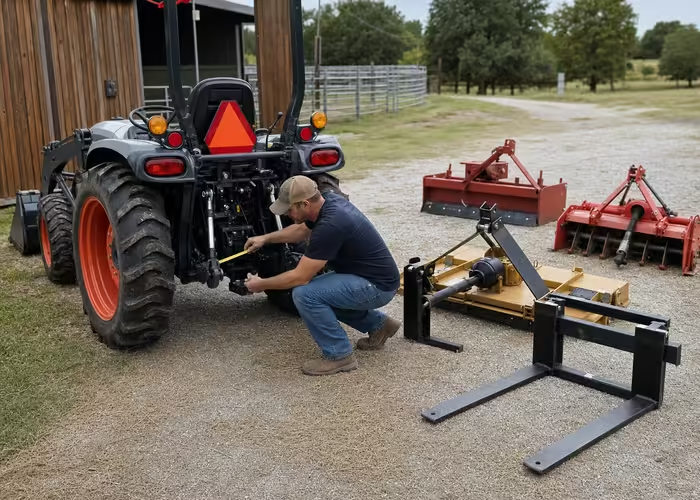
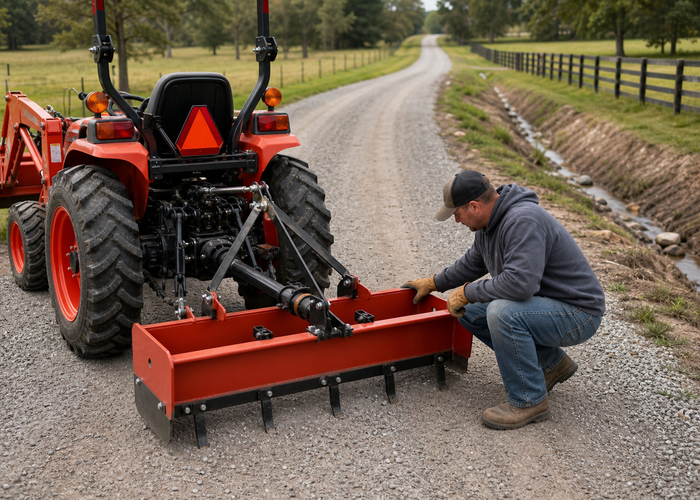
Il corretto fissaggio degli accessori e degli attrezzi riduce il rischio che si stacchino durante il funzionamento.Pratiche operative sicure del trattore
Utilizzo della cintura di sicurezza
Indossare sempre la cintura di sicurezza durante il funzionamento di un trattore dotato di struttura protettiva antiribaltamento (ROPS) per evitare l'espulsione durante i ribaltamenti.Velocità e sterzo controllati
Mantenere una velocità controllata ed evitare curve strette per prevenire la perdita di controllo, soprattutto su pendenze o terreni irregolari.Evitare Movimenti Improvvisi
L'accelerazione e la decelerazione graduali, insieme allo sterzo regolare, prevengono i sobbalzi che potrebbero portare al ribaltamento.Lavorare vicino a pendii e terreni irregolari
Comprendere il Centro di Gravità
Azionare il trattore considerando il suo baricentro e il terreno Superfici e pendenze irregolari possono spostare il baricentro, influenzando la stabilità.Evitare il sovraccarico
Evitare di sovraccaricare il trattore o gli attacchi, in quanto ciò può compromettere la stabilità e il controllo, aumentando il rischio di incidenti.Implementazione di procedure di carico e scarico sicure