E-mail: [email protected] WhatsApp: +8618266768780
E-mail: [email protected] WhatsApp: +8618266768780

In un'epoca in cui la sostenibilità ambientale è di fondamentale importanza, il settore agricolo deve affrontare una sfida fondamentale: come soddisfare la crescente domanda globale di cibo riducendo al minimo la sua impronta ecologica I trattori agricoli, i cavalli di battaglia dell'agricoltura moderna, svolgono un ruolo cruciale in questo sforzo In questo articolo completo, approfondiremo il ruolo multiforme dei trattori agricoli nelle pratiche agricole sostenibili, facendo luce sul loro impatto sull'efficienza, sulla conservazione e sull'ecocompatibilità.
I trattori agricoli sono sinonimo di agricoltura e fungono da strumenti indispensabili per gli agricoltori di tutto il mondo. Sebbene abbiano fatto molta strada dalle loro umili origini, il moderno trattore agricolo non è solo un simbolo del progresso agricolo ma anche un motore chiave delle pratiche agricole sostenibili.

Prima di approfondire le specificità del ruolo dei trattori agricoli nella sostenibilità, è essenziale comprendere l’urgente necessità di pratiche agricole sostenibili.
L'agricoltura deve affrontare una miriade di sfide, tra cui il degrado del suolo, la scarsità d'acqua, la perdita di biodiversità e il cambiamento climatico Le pratiche sostenibili mirano ad affrontare questi problemi garantendo al tempo stesso la sicurezza alimentare.
La tecnologia, compresi i trattori agricoli avanzati, svolge un ruolo fondamentale nel plasmare il panorama della sostenibilità dell’agricoltura. Queste macchine si sono evolute per soddisfare le esigenze dell’agricoltura eco-consapevole.
I trattori agricoli contribuiscono in modo significativo all’efficienza delle operazioni agricole, che costituisce una pietra angolare dell’agricoltura sostenibile.
I trattori moderni sono dotati di tecnologia GPS, che consente tecniche di agricoltura di precisione. Possono seguire percorsi predefiniti con precisione a livello centimetrico, riducendo al minimo lo spreco di risorse e migliorando l’efficienza.
I trattori agricoli dotati di sensori raccolgono dati in tempo reale sulle condizioni del suolo, sui livelli di umidità e sulla salute delle colture Questi dati consentono agli agricoltori di prendere decisioni informate sulla semina, l'irrigazione e la fertilizzazione, migliorando in definitiva la gestione delle risorse.
I trattori agricoli hanno ridotto significativamente la necessità di lavoro manuale in agricoltura Sono necessarie meno mani umane per compiti come l’aratura, la semina e la raccolta, che possono portare a risparmi sui costi del lavoro.
L’automazione delle attività di routine da parte dei trattori consente alla manodopera qualificata di concentrarsi su aspetti più specializzati dell’agricoltura, come la gestione delle colture e le pratiche sostenibili.
Anche i trattori agricoli svolgono un ruolo fondamentale negli sforzi di conservazione nell’ambito dell’agricoltura sostenibile.
I trattori moderni sono progettati per essere più delicati sul terreno, riducendo la compattazione che può portare al degrado del suolo Questa preservazione della salute del suolo è fondamentale per un'agricoltura sostenibile.
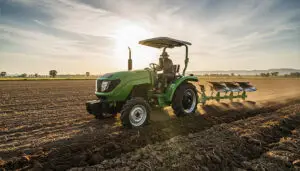
I trattori dotati di attrezzi per la lavorazione conservativa aiutano gli agricoltori a ridurre la necessità di aratura intensiva, riducendo al minimo i disturbi del suolo e l’erosione.
I trattori con tecnologia di precisione ottimizzano l'irrigazione, fornendo la giusta quantità di acqua alle colture. Ciò preserva le risorse idriche e previene l'irrigazione eccessiva, che può portare alla salinità e agli sprechi del suolo.
I trattori vengono utilizzati per implementare misure di controllo dell'erosione come l'agricoltura di contorno e i terrazzamenti, contribuendo a proteggere il suolo e prevenire il deflusso.
Anche i trattori agricoli si sono evoluti per essere più rispettosi dell’ambiente, allineandosi ai principi dell’agricoltura sostenibile.
I trattori agricoli elettrici stanno guadagnando popolarità come alternative ecologiche Producono zero emissioni, riducono l'inquinamento atmosferico e possono essere caricati con fonti di energia rinnovabile.
Alcuni trattori funzionano con biocarburanti ottenuti da risorse rinnovabili come colture o rifiuti agricoli, riducendo ulteriormente la loro impronta di carbonio.
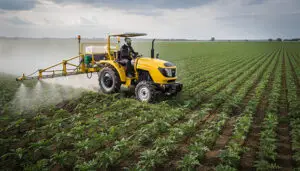
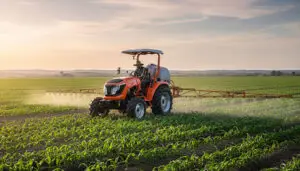
I trattori dotati di tecnologia di precisione possono applicare fertilizzanti e pesticidi con precisione millimetrica, riducendo l'utilizzo di sostanze chimiche e il loro impatto sull'ambiente.

Sebbene i trattori agricoli contribuiscano in modo significativo all’agricoltura sostenibile, è necessario affrontare diverse sfide e considerazioni.
L’implementazione di pratiche agricole sostenibili, inclusa la tecnologia avanzata dei trattori, può comportare costi iniziali più elevati per gli agricoltori. Potrebbero essere necessari incentivi e sostegno da parte del governo per facilitarne l’adozione.
Gli agricoltori hanno bisogno di formazione per utilizzare in modo efficace le caratteristiche avanzate dei trattori e le pratiche sostenibili Le iniziative educative possono colmare il divario di conoscenze.
Per i trattori elettrici è necessaria una solida infrastruttura di ricarica nelle zone rurali, inoltre, devono essere predisposti sistemi di manutenzione e supporto per garantire operazioni ininterrotte.
Le tecniche di agricoltura di precisione, abilitate dai trattori, migliorano la sostenibilità ottimizzando l'uso delle risorse, riducendo gli sprechi e minimizzando l'impatto ambientale, questo porta a un'agricoltura più efficiente ed ecologica.
I trattori elettrici sono adatti a molte operazioni agricole, in particolare quelle con accesso alle infrastrutture di ricarica, Tuttavia, la loro autonomia e il tempo di ricarica possono limitarne l'uso in alcuni ambienti su larga scala o remoti.
Le politiche governative, inclusi incentivi, sussidi e regolamenti, possono influenzare in modo significativo l’adozione di pratiche agricole sostenibili e di tecnologie avanzate per i trattori.
Sì, i piccoli agricoltori possono beneficiare di una tecnologia avanzata dei trattori attraverso la proprietà cooperativa, programmi di leasing o iniziative di sostegno governativo che rendono i trattori ecologici più accessibili.
Le pratiche agricole sostenibili apportano benefici all'ambiente riducendo le emissioni di gas serra, conservando le risorse del suolo e dell'acqua e promuovendo la biodiversità, queste pratiche contribuiscono a più ampi sforzi di conservazione ambientale oltre il settore agricolo.
I trattori agricoli sono parte integrante delle pratiche agricole sostenibili, svolgendo un ruolo fondamentale nel migliorare l’efficienza, la conservazione e l’ecocompatibilità in agricoltura. La loro evoluzione dalle macchine di base agli strumenti high-tech e attenti all’ambiente riflette l’impegno del settore agricolo nell’affrontare la duplice sfida della sicurezza alimentare e della gestione ambientale. Mentre il mondo si batte per un futuro più sostenibile, i trattori agricoli continueranno a guidare la trasformazione delle pratiche agricole verso una maggiore efficienza, conservazione ed ecocompatibilità, contribuendo in definitiva a un pianeta più sano per tutti.
-1.png)