E-mail: [email protected] WhatsApp: +8618266768780

E-mail: [email protected] WhatsApp: +8618266768780


La pulizia del carburatore rappresenta il modo più efficace per migliorare le prestazioni di un tosaerba. Molti utenti notano avviamenti più fluidi e una risposta del motore più forte dopo aver pulito un carburatore LawnMower. La manutenzione regolare prolunga la durata della macchina e impedisce riparazioni costose. Strumenti semplici e misure di sicurezza adeguate rendono questo compito accessibile a chiunque. Una pulizia costante mantiene il tosaerba in funzione in modo efficiente durante tutta la stagione.
Molti proprietari di tosaerba incontrano difficoltà quando cercano di avviare le loro macchine Questo problema spesso indica un carburatore intasato Quando lo sporco o detriti blocca i passaggi del carburante e dell'aria, il motore non può ricevere la miscela corretta necessaria per l'accensione Di conseguenza, il tosaerba potrebbe richiedere diversi tiri per avviarsi o potrebbe non avviarsi affatto.
Mancia: Se la falciatrice rimane inutilizzata per lunghi periodi, la vecchia benzina può lasciare depositi di vernice all'interno del carburatore, aumentando il rischio di avviamento duro.
Cause comuni di avviamento duro a causa di problemi al carburatore:
Un esempio pratico riguarda un proprietario di casa che conserva la falciatrice durante l'inverno In primavera, la falciatrice si rifiuta di iniziare Dopo aver ispezionato il carburatore, trovano uno spesso strato di sporcizia all'interno della ciotola La pulizia del carburatore ripristina un facile avviamento.
| Riassortimento | Possibile causa del carburatore | Passo attuabile |
|---|---|---|
| Tiri multipli | Passaggio del carburante intasato | Pulire un carburatore LawnMower |
| Nessuna partenza | Passaggio aereo bloccato | Rimuovere e pulire i getti |
| Inizio sputtering | Vecchio residuo di carburante | Sostituire la benzina vecchia |
Per ulteriori suggerimenti per la risoluzione dei problemi, visitare Guida alla risoluzione dei problemi del motore piccolo o unisciti alle discussioni su La comunità di cura del prato di Reddit.
Una falciatrice che gira al minimo in modo non uniforme o si blocca durante il funzionamento spesso segnala problemi al carburatore Quando il carburatore non è in grado di erogare una miscela aria-carburante bilanciata, il motore potrebbe spruzzare, sbalzare o spegnersi inaspettatamente Anche i galleggianti danneggiati o le perdite di vuoto dagli alberi dell'acceleratore usurati possono contribuire al minimo brusco.
Nota: Il fumo di scarico nero durante il funzionamento a caldo suggerisce che il carburatore fornisce troppo carburante, provocando stallo e minimo brusco.
Esempio di caso utilizzabile:
Un utente nota i propri stalli falciatrice dopo aver funzionato per alcuni minuti L'ispezione rivela una guarnizione usurata e un accumulo di sporco attorno all'albero dell'acceleratore La pulizia del carburatore e la sostituzione della guarnizione risolve il problema dello stallo.
A il carburatore sporco influisce sulle prestazioni complessive della falciatrice. Il motore può perdere potenza, funzionare in modo incoerente o consumare più carburante del solito I detriti e i sedimenti nel sistema di alimentazione possono ostacolare il flusso, facendo impantanare la falciatrice sotto carico.
Lista di controllo per identificare le scarse prestazioni:
Manutenzione regolare del carburatore aiuta a prevenire questi problemi La rimozione di sporco, vernice e depositi di benzina mantiene il sistema di alimentazione libero e il motore senza intoppi.
| Problema di prestazione | Problema del carburatore | Soluzione Consigliata |
|---|---|---|
| Perdita di potere | Passaggi del carburante bloccati | Getti di carburatore puliti |
| Velocità incoerente | Ciotola del carburatore sporca | Togliere e pulire ciotola |
| Elevato consumo di carburante | Equilibrio aria-carburante interrotto | Ispezionare e pulire il carburatore |
Per ulteriori informazioni sulla diagnosi dei problemi di prestazioni del tosaerba, verificare Guide al servizio di estensione oppure segui gli esperti su Twitter Consigli per la cura del prato.
Il fumo nero proveniente dallo scarico di un tosaerba segnala un grave problema al carburatore Questo sintomo spesso indica un motore che funziona con una miscela di carburante che contiene troppa benzina e non abbastanza aria Il compito principale del carburatore è quello di mescolare aria e carburante nelle giuste proporzioni Quando si guasta, il motore riceve un carburante eccessivo, che porta a una combustione incompleta e fumo nero visibile.
Mancia: Il fumo nero non è solo un problema estetico Può danneggiare il motore nel tempo e aumentare il consumo di carburante.
Diversi fattori possono causare fumo nero legati a problemi del carburatore:
La tabella seguente riassume le cause e le soluzioni comuni per il fumo nero nei tosaerba:
| Causa | Effetto | Soluzione |
|---|---|---|
| Carburante vecchio o degradato | Combustione incompleta | Scolare e sostituire il carburante |
| Galleggiante o ago del carburatore bloccato | Allagamento del motore | Pulire un carburatore LawnMower |
| Filtro dell'aria intasato | Flusso d'aria limitato | Sostituire o pulire il filtro dell'aria |
| Choke lasciato fidanzato | Carburante in eccesso nella miscela | Disinserire l'strozzatura dopo l'avvio |
| Umidità da combustibile a etanolo | Intasamento carburatore | Utilizzare carburante fresco e privo di etanolo |
Una falciatrice che emette fumo nero non dovrebbe essere ignorata Gli operatori dovrebbero controllare prima il filtro dell'aria Se il filtro appare pulito, il passo successivo prevede l'ispezione del carburatore per galleggianti bloccati o passaggi intasati La pulizia del carburatore spesso risolve il problema e ripristina la corretta funzione del motore.
Nota: La manutenzione regolare, compresa la pulizia del carburatore e la sostituzione del vecchio carburante, aiuta a prevenire il fumo nero e mantiene la falciatrice in funzione in modo efficiente.
Per ulteriori informazioni sulla diagnosi dei problemi legati al fumo, i lettori possono consultare risorse per l'estensione universitaria o unisciti alle discussioni su forum per la cura del prato. Queste piattaforme offrono ulteriori suggerimenti per la risoluzione dei problemi e consigli da parte di utenti esperti.
La pulizia di un carburatore richiede il giusto set di strumenti e materiali L'utilizzo dell'attrezzatura corretta aiuta a garantire un lavoro approfondito e riduce il rischio di danneggiare le parti La maggior parte delle linee guida del produttore ne consiglia alcune articoli essenziali per chiunque pianificazione per pulire un carburatore LawnMower.
I cacciaviti svolgono un ruolo chiave nella rimozione del coperchio del filtro dell'aria, delle viti di montaggio del carburatore e di altri piccoli elementi di fissaggio. Spesso sono necessari sia cacciaviti a testa piatta che a croce. Un set di cacciaviti standard consente agli utenti di gestire diversi tipi di viti presenti sulla maggior parte dei tosaerba.
Le chiavi aiutano ad allentare e serrare i bulloni che fissano il carburatore al motore Molte falciatrici utilizzano bulloni esagonali, quindi una chiave regolabile o un set di chiavi combinate funziona bene Alcuni utenti preferiscono un cricchetto o dado driver per una rimozione più rapida, soprattutto in spazi ristretti.
Le pinze aiutano a scollegare le linee del carburante e a rimuovere le clip ostinate Le pinze a naso a spillo offrono precisione durante la movimentazione di piccole parti Le pinze regolari forniscono una presa extra per tubi flessibili o morsetti che potrebbero attaccarsi a causa dell'età o dei residui.
Mancia: Mantenere un'area di lavoro pulita impedisce di perdere piccole viti o molle durante lo smontaggio.
Lista di controllo degli strumenti essenziali:
Lo spray detergente per carburatori dissolve vernice, sporco e depositi di carburante all'interno del carburatore Questo spray arriva a piccoli passaggi e getti, garantendo una pulizia completa Scegli sempre un detergente progettato per i piccoli motori.
Un piccolo pennello o un vecchio spazzolino da denti aiuta a eliminare la sporcizia ostinata. Le spazzole raggiungono gli angoli e le guarnizioni dove lo spray da solo potrebbe non essere sufficiente.
Gli stracci puliscono via i detriti allentati e il detergente in eccesso Gli stracci puliti e privi di lanugine impediscono alle fibre di entrare nel carburatore durante il riassemblaggio.
| Fornitura di pulizia | Scopo |
|---|---|
| Pulitore carburatore | Dissolve i residui di carburante e la vernice |
| Spazzole/spazzolino | Scrubs getti e passaggi |
| Stracci | Pulisce i detriti e pulisce |
I guanti proteggono le mani da sostanze chimiche e spigoli vivi I guanti monouso in nitrile o lattice funzionano bene per questo compito.
Gli occhiali di sicurezza proteggono gli occhi dagli schizzi di detergente o carburante Indossare la protezione per gli occhi è particolarmente importante quando si utilizzano spray pressurizzati.
Nota: Gli attrezzi di sicurezza riducono il rischio di lesioni e l'esposizione a sostanze nocive.
Un proprietario di casa si prepara a pulire un carburatore LawnMower dopo aver notato un minimo approssimativo. Raccolgono cacciaviti, un set di chiavi, pinze, detergente per carburatori, uno spazzolino da denti, stracci, guanti e occhiali di sicurezza. Il processo procede senza intoppi e il tosaerba funziona meglio dopo il rimontaggio.
Per ulteriori consigli sugli strumenti, visitare Guide al servizio di estensione. Per discutere le scelte degli strumenti o ottenere consigli da altri utenti, partecipa alla conversazione su La comunità di cura del prato di Reddit.
A volte, la pulizia di un carburatore rivela componenti usurati o danneggiati La sostituzione di queste parti durante la manutenzione può migliorare i risultati e prolungare la durata della falciatrice Due parti opzionali comuni includono guarnizioni e kit di ricostruzione.
Le guarnizioni creano una tenuta ermetica tra il carburatore e il motore Nel tempo, l'esposizione al calore e al carburante può causare la rottura o la perdita di flessibilità delle guarnizioni Una guarnizione danneggiata può portare a perdite d'aria, che interrompono la miscela carburante-aria e riducono le prestazioni del motore.
Mancia: Ispezionare tutte le guarnizioni durante la rimozione del carburatore Sostituire qualsiasi guarnizione che sembra fragile, strappata o appiattita.
Una nuova guarnizione assicura una tenuta adeguata dopo il rimontaggio Molti negozi di ferramenta vendono set di guarnizioni per piccoli motori Alcuni utenti tagliano le proprie guarnizioni dal materiale della guarnizione, ma l'utilizzo di opzioni pre-tagliate consente di risparmiare tempo e ridurre gli errori.
Segnali che una guarnizione necessita di sostituzione:
Una tabella seguente riassume l'importanza delle guarnizioni:
| Guarnizione Condizione | Effetto sul motore | Azione Raccomandata |
|---|---|---|
| Bene | Miscela carburante-aria adeguata | Riutilizzare |
| Cracked/Fragili | Perdite d'aria, scarso funzionamento | Sostituire |
| Mancante | Falle gravi, nessuna partenza | Installare nuova guarnizione |
Per ulteriori informazioni sull'ispezione della guarnizione, visitare Guide al servizio di estensione.
Un kit di ricostruzione contiene diverse parti di ricambio per un carburatore Questi kit spesso includono guarnizioni, O-ring, aghi galleggianti e talvolta getti o molle. L'utilizzo di un kit di ricostruzione può riportare un carburatore in condizioni altrettanto nuove, soprattutto se la falciatrice non ha ricevuto manutenzione per diversi anni.
Nota: Un kit di ricostruzione non è sempre necessario per la pulizia di routine Tuttavia, se il carburatore mostra segni di corrosione, vernice pesante o componenti danneggiati, un kit di ricostruzione fornisce tutte le parti necessarie per una riparazione approfondita.
Quando utilizzare un kit di ricostruzione:
Un kit di ricostruzione consente agli utenti di sostituire più parti usurate contemporaneamente Questo approccio consente di risparmiare tempo rispetto all'acquisto di singoli pezzi Molte guide e video online mostrano come utilizzare un kit di ricostruzione durante il processo per pulire un carburatore LawnMower.
Per istruzioni passo-passo, i lettori possono controllare risorse per l'estensione universitaria o guarda tutorial su Canali di cura del prato di YouTube.
Riepilogo delle parti opzionali:
Includere queste parti opzionali nella manutenzione regolare aiuta a mantenere una falciatrice senza intoppi e riduce il rischio di guasti futuri.
Un'area di lavoro pulita e organizzata riduce il rischio di incidenti durante la pulizia del carburatore Gli individui dovrebbero scegliere uno spazio piatto e ben ventilato, come un garage con la porta aperta o un punto ombreggiato all'aperto Una buona illuminazione aiuta a individuare le piccole parti e i potenziali pericoli Strumenti e prodotti per la pulizia dovrebbero essere disposti a portata di mano Un tavolo robusto o un banco da lavoro fornisce una superficie stabile per lo smontaggio Posizionando un grande pezzo di cartone o un vecchio foglio sotto il tosaerba può catturare fuoriuscite e prevenire macchie.
Mancia: Tenere i bambini e gli animali domestici lontani dall'area di lavoro per evitare distrazioni e incidenti.
Un esempio di caso riguarda un proprietario di casa che imposta il proprio spazio di lavoro nel vialetto Dispongono tutti gli strumenti, indossano guanti e tengono un estintore nelle vicinanze Questa preparazione impedisce la diffusione di fuoriuscite di carburante e garantisce una risposta rapida in caso di emergenza.
Per ulteriori suggerimenti sulla configurazione della sicurezza, i lettori possono visitare Linee guida OSHA per la sicurezza dei piccoli motori o unisciti alle discussioni su r/lawncare di Reddit per consigli comunitari.
Lo scarico del serbatoio del gas è un passaggio fondamentale prima di pulire un carburatore del tosaerba La benzina lasciata nel serbatoio può fuoriuscire o fuoriuscire, creando rischi di incendio e rischi ambientali La rimozione del carburante impedisce anche l'inalazione accidentale di fumi.
Diversi motivi importanti supportano lo scarico del serbatoio:
Una tabella seguente riassume i rischi derivanti dal mancato scarico del serbatoio del gas:
| Fattore di rischio | Possibile Risultato |
|---|---|
| Gomma e vernice | Getti di carburatore intasati |
| Accumulo di umidità | Corrosione dei componenti metallici |
| Parti fragili | Tubi o guarnizioni fessurati |
Un esempio pratico mostra un utente che scarica il serbatoio in un contenitore approvato prima di iniziare Questa azione previene le fuoriuscite e mantiene l'area di lavoro sicura Per istruzioni passo passo, vedere Servizio di estensione Sicurezza del carburante.
La manipolazione della benzina richiede cautela Gli individui devono utilizzare solo contenitori di carburante approvati ed evitare fiamme libere o scintille nelle vicinanze Versare il carburante lentamente riduce la possibilità di schizzi Eventuali fuoriuscite devono essere pulite immediatamente con materiali assorbenti.
Avviso: Non fumare o utilizzare mai dispositivi elettronici mentre si lavora con il carburante.
Una corretta ventilazione è essenziale I fumi della benzina possono accumularsi rapidamente e comportare rischi per la salute Indossare guanti protegge la pelle dalle irritazioni Gli occhiali di sicurezza proteggono gli occhi dagli schizzi accidentali.
Un caso di studio evidenzia un utente che indossa guanti e sicurezza bicchieri, utilizza un imbuto per trasferire il carburante e immagazzina la benzina avanzata in un contenitore sigillato lontano dall'area di lavoro Questi passaggi prevengono gli incidenti e proteggono la salute.
Per maggiori informazioni sulla sicurezza del carburante, i lettori possono consultare Database nazionale sulla sicurezza delle ag oppure segui i suggerimenti sulla sicurezza condivisi su Twitter Sicurezza della cura del prato.
Indossare un ingranaggio protettivo rappresenta un passaggio fondamentale quando si pulisce un carburatore per tosaerba L'attrezzatura di sicurezza protegge il corpo da sostanze chimiche, spigoli vivi e incidenti imprevisti Molte lesioni si verificano perché gli individui saltano questa semplice precauzione L'ingranaggio adeguato aiuta a prevenire irritazioni cutanee, lesioni agli occhi e problemi respiratori.
Ingranaggio protettivo essenziale per la pulizia del carburatore:
| Articolo | Scopo | Come Utilizzare Efficacemente |
|---|---|---|
| Guanti | Proteggere le mani da sostanze chimiche e parti affilate | Scegliere nitrile o lattice; verificare la presenza di lacrime prima dell'uso |
| Occhiali di sicurezza | Occhi di scudo da schizzi e detriti | Indossare comodamente; pulire regolarmente le lenti |
| Maniche Lunghe | Coprire le braccia da fuoriuscite e tagli | Seleziona abbigliamento non sciolto |
| Maschera (Opzionale) | Ridurre l'inalazione di fumi | Utilizzare in aree scarsamente ventilate |
Mancia: Ispezionare sempre guanti e occhiali per eventuali danni prima di iniziare Sostituire qualsiasi attrezzatura che mostri usura.
I guanti fungono da prima linea di difesa Bloccano il contatto diretto con benzina, detergente per carburatori e sporcizia I guanti in nitrile o lattice resistono alle sostanze chimiche meglio del panno o della pelle Dovrebbe cambiare i guanti se si strappano o si impregnano Questa abitudine mantiene le mani sicure e pulite.
Gli occhiali di sicurezza proteggono gli occhi da schizzi di detergente o carburante Anche una piccola goccia può causare dolore o lesioni Dovrebbe selezionare gli occhiali che si adattano bene e non appannarsi facilmente Alcuni utenti preferiscono stili avvolgenti per una copertura extra La pulizia delle lenti prima dell'uso garantisce una visione chiara durante il compito.
Maniche lunghe e pantaloni aggiungono un altro strato di protezione Proteggono la pelle da fuoriuscite accidentali e bordi affilati sul tosaerba Dovrebbe evitare abiti larghi che potrebbero impigliarsi nelle parti in movimento Scarpe robuste o stivali aiutano anche a prevenire lesioni ai piedi.
Una maschera o un respiratore è opzionale ma utile in aree con scarsa ventilazione Pulitore per carburatore e fumi di rilascio della benzina che possono irritare il naso e la gola Dovrebbero indossare una maschera se notano odori forti o si sentono storditi Aprire le finestre o lavorare all'aperto riduce la necessità di una maschera.
Lista di controllo per la preparazione sicura:
Avviso: Non sostituire mai gli occhiali da sole o da lettura con gli occhiali di sicurezza Solo gli occhiali di sicurezza certificati forniscono una protezione adeguata.
Per ulteriori informazioni sui dispositivi di protezione individuale, i lettori possono visitare Guida ai DPI dell'OSHA o unisciti alle discussioni su r/lawncare di Reddit per consigli sulla sicurezza della comunità.
Indossare l'attrezzatura giusta riduce il rischio di lesioni e rende il processo di pulizia più sicuro Lui o lei dovrebbe sempre dare priorità alla sicurezza prima di iniziare qualsiasi attività di manutenzione.
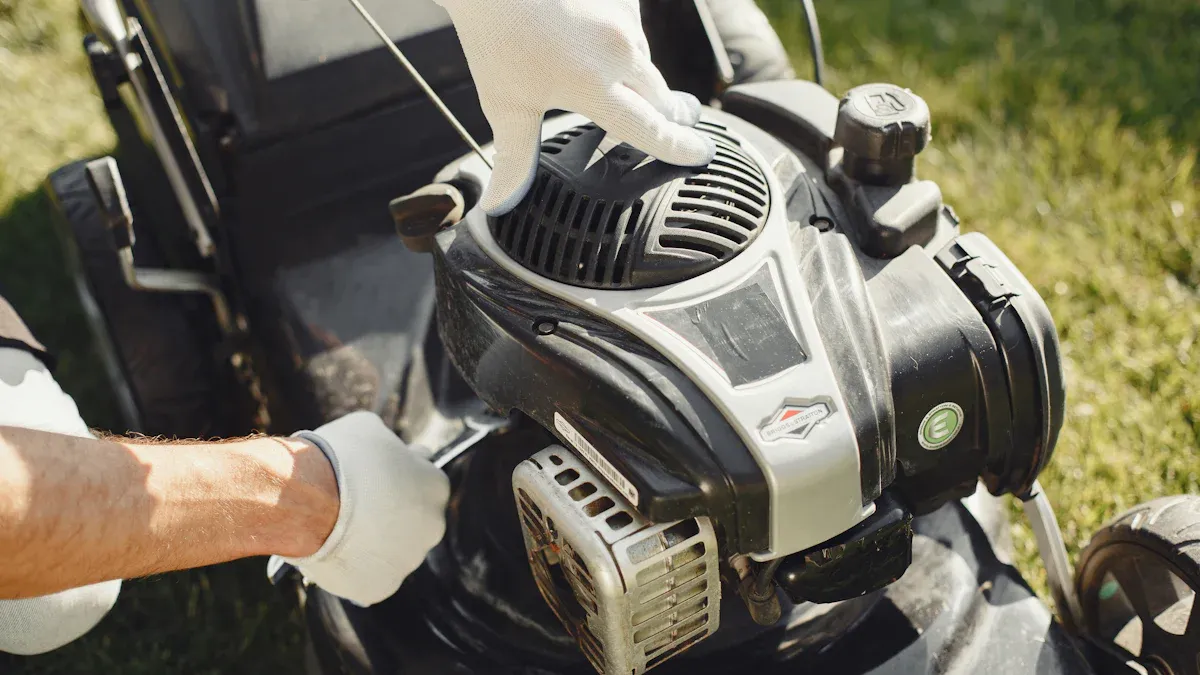
Il primo passo nel processo prevede la rimozione del filtro dell'aria Il filtro dell'aria si trova sopra il carburatore e filtra polvere e detriti prima che l'aria entri nel motore Dovrebbe individuare il coperchio del filtro dell'aria, che di solito è tenuto in posizione da una vite o una clip Utilizzando un cacciavite, può allentare l'elemento di fissaggio e sollevare delicatamente il coperchio Il filtro dell'aria stesso può essere un elemento in schiuma o carta Dovrebbe mettere da parte il filtro in un'area pulita per prevenire la contaminazione.
Mancia: Scattare una foto del gruppo prima della rimozione aiuta con la reinstallazione in seguito.
Uno spazio di lavoro pulito aiuta a prevenire l'ingresso di sporco nel carburatore durante questa fase Dovrebbero ispezionare il filtro dell'aria per individuare eventuali sporcizie o danni eccessivi Se il filtro appare intasato, la sua sostituzione migliora le prestazioni del motore Per ulteriori indicazioni sulla rimozione del filtro dell'aria, i lettori possono visitare Guide al servizio di estensione oppure guarda video passo passo su Tutorial sulla cura del prato di YouTube.
Lista di controllo per la rimozione del detergente per aria:
| Fare un passo | Azione | Note |
|---|---|---|
| Individuare il coperchio del filtro dell'aria | Utilizzare cacciavite o clip di rilascio | Tenere le viti in un luogo sicuro |
| Rimuovi l'elemento filtro aria | Mettere da parte su superficie pulita | Ispezionare per sporco o danni |
| Scatta foto di riferimento | Usa telefono o fotocamera | Riassemblaggio AIDS |
Dopo aver rimosso il filtro dell'aria, il carburatore diventa visibile Dovrebbe identificare i bulloni o le viti che fissano il carburatore al motore Utilizzando una chiave o un set di prese, può allentare questi elementi di fissaggio Prima di staccare il carburatore, devono scollegare la linea del carburante Posizionando uno straccio sotto il collegamento si catturano eventuali gocce di benzina e si prevengono fuoriuscite.
Dovrebbe spostare delicatamente il carburatore libero dai prigionieri di montaggio Alcuni modelli hanno collegamenti o molle fissate alle leve dell'acceleratore e dell'aria di strozzatura Dovrebbero notare la posizione di ciascun collegamento, scattando foto se necessario. Un'attenta manipolazione impedisce di piegare o perdere piccole parti.
Avviso: La benzina può rimanere nella vasca del carburatore Inclinando lentamente l'unità si evitano fuoriuscite improvvise.
Un esempio di caso coinvolge un utente che etichetta ogni collegamento con nastro adesivo prima della rimozione Questo semplice passaggio garantisce un corretto riassemblaggio e riduce la confusione Per ulteriori suggerimenti di rimozione, i lettori possono consultare guide di manutenzione del settore o unisciti alle discussioni su La comunità di cura del prato di Reddit.
Tabella: Passi di rimozione del carburatore
| Fare un passo | Strumento necessario | Precauzione |
|---|---|---|
| Allentare i bulloni di montaggio | Chiave/presa | Non stringere o spogliare eccessivamente |
| Scollegare la linea del carburante | Pinze/straccio | Cattura le gocciolature, evita le fiamme libere |
| Rimuovere leveraggi/molle | Pinza ago-naso | Posizioni di etichette o fotografie |
| Sollevare il carburatore dal motore | Mani | Muoversi lentamente, evitare fuoriuscite |
Smontare il carburatore richiede pazienza e attenzione ai dettagli Dovrebbe spostarsi in uno spazio di lavoro ben illuminato e stendere un asciugamano o un vassoio pulito per le piccole parti Utilizzando un cacciavite, può rimuovere le viti che tengono in posizione la vaschetta del galleggiante La vaschetta del galleggiante spesso contiene carburante residuo, quindi dovrebbe ribaltarlo delicatamente e smaltire qualsiasi liquido in modo sicuro.
All'interno del carburatore, il galleggiante e la valvola a spillo controllano il flusso del carburante Dovrebbero maneggiare questi delicati componenti con cura per evitare di piegarli o danneggiarli Mantenere organizzate tutte le viti, i perni e le molle previene perdite e confusione durante il rimontaggio.
Nota: Organizzare le parti nell'ordine di rimozione aiuta a semplificare il processo quando si rimette insieme il carburatore.
Dovrebbe ispezionare ogni parte per segni di usura, corrosione o accumulo Una buona illuminazione rende più facile individuare crepe o detriti bloccati Il detergente specializzato per carburatori funziona meglio per sciogliere vernici e sporcizia senza danneggiare i materiali sensibili Per una guida approfondita sullo smontaggio, i lettori possono fare riferimento a risorse per l'estensione universitaria o guardare tutorial passo-passo su YouTube.
Migliori pratiche per Smontaggio di un carburatore:
Un esempio di caso presenta un proprietario di casa che posiziona ogni parte in un contenitore etichettato mentre viene rimosso Questo metodo previene i disguidi e garantisce un processo fluido quando puliscono un carburatore LawnMower Seguendo questi passaggi si riduce il rischio di danni e si migliorano le possibilità di ripristinare le prestazioni complete del motore.
Una corretta pulizia delle parti del carburatore garantisce che il motore riceva la corretta miscela di carburante e aria Dovrebbe utilizzare uno spray detergente per carburatori progettato per i piccoli motori Questo spray dissolve vernice, sporco e depositi di carburante che bloccano passaggi e getti.
Getti e passaggi controllano il flusso di carburante e aria all'interno del carburatore Se questi si intasano, il motore potrebbe funzionare male o non avviarsi affatto Lei dovrebbe prestare particolare attenzione a queste aree durante la pulizia.
Passi chiave per la pulizia di getti e passaggi:
Mancia: Indossare sempre occhiali di sicurezza quando si utilizza aria compressa Piccole particelle possono disperdersi nell'aria e causare lesioni.
La tabella seguente evidenzia la aree principali da affrontare con spray più pulito:
| Area da Pulire | Perché è importante |
|---|---|
| Gola carburatrice | Rimuove i blocchi di aspirazione |
| Piastra e albero dell'acceleratore | Garantisce un movimento regolare dell'acceleratore |
| Valvola di strozzatura e collegamenti | Previene l'attaccamento e l'allagamento |
| Bocchette esterne e porte | Mantiene il corretto flusso d'aria |
La vasca del carburatore e l'ugello spesso raccolgono sedimenti e vernici La pulizia di queste parti ripristina la corretta erogazione del carburante.
Nota: Dovrebbe evitare di usare oggetti metallici affilati che potrebbero graffiare o danneggiare i getti.
Per una guida più visiva, i lettori possono guardare video di pulizia passo dopo passo Tutorial sulla cura del prato di YouTube.
Dopo la spruzzatura e lo sfregamento, tutte le parti del carburatore devono essere risciacquate ed essiccate per evitare contaminazioni.
Risciacquo e asciugatura passo passo:
Avviso: Non dovrebbe mai rimontare parti bagnate Anche piccole gocce d'acqua possono causare problemi al motore.
Una tabella seguente riassume il processo di essiccazione:
| Fare un passo | Scopo |
|---|---|
| Componenti asciutti all'aria | Previene la corrosione |
| Soffia i passaggi | Rimuove l'umidità nascosta |
| Ispezionare per i residui | Assicura la completa pulizia |
Per ulteriori suggerimenti sull'essiccazione e l'ispezione, i lettori possono visitare Guide al servizio di estensione.
Una volta che tutte le parti sono pulite e asciutte, dovrebbe iniziare il rimontaggio Un accurato rimontaggio assicura che il carburatore funzioni come previsto.
Come rimontare e riattaccare il carburatore:
Mancia: Dovrebbe stringere tutti gli elementi di fissaggio in modo uniforme e verificare il corretto allineamento prima del serraggio finale.
Dovrebbe ricontrollare che tutti i collegamenti e le molle siano collegati come prima. Un'ispezione finale aiuta a prevenire perdite e garantisce un funzionamento sicuro. Per istruzioni di riassemblaggio più dettagliate, i lettori possono consultare guide di manutenzione del settore o unisciti alle discussioni su La comunità di cura del prato di Reddit.
Seguendo questi passaggi, chiunque può Pulire un carburatore LawnMower e ripristinare prestazioni affidabili del motore.
Dopo aver rimontato il carburatore, dovrebbe spostare la falciatrice all'aperto in una zona ben ventilata, deve controllare che tutti gli attrezzi e gli stracci siano liberi dalla falciatrice, lei dovrebbe accendere la valvola del carburante e impostare lo strozzatore sulla posizione di partenza Tirando il cavo di avviamento o girando la chiave di accensione si farà azionare il motore Se il motore non si avvia dopo tre o quattro tentativi, dovrebbe mettere in pausa e controllare eventuali perdite di carburante o collegamenti allentati.
Mancia: Se il motore si allaga, dovrebbe aspettare qualche minuto prima di riprovare Il carburante in eccesso può evaporare, facilitando l'avvio.
Un avvio riuscito di solito significa che la pulizia del carburatore è stata efficace Il motore dovrebbe funzionare senza problemi senza fumo eccessivo o sputtering Se il tosaerba non si avvia, dovrebbe ricontrollare la linea del carburante, il filtro dell'aria e i bulloni di montaggio del carburatore.
Esempio di caso:
Un proprietario di casa pulisce il carburatore e tenta di avviare il tosaerba Il motore si avvia sulla seconda trazione e si ferma costantemente Questo risultato mostra che il processo di pulizia ha ripristinato il corretto flusso di carburante.
Una volta avviato il motore, dovrebbe lasciarlo riscaldare per alcuni minuti. Può quindi innestare l'acceleratore e osservare come risponde il tosaerba. Il tosaerba dovrebbe accelerare senza intoppi e mantenere una velocità costante. Dovrebbe testare il tosaerba su un piccolo pezzo d'erba per vedere se taglia uniformemente e gestisce i carichi normali.
Lista di controllo delle prestazioni:
Se il tosaerba si dibatte o perde potenza, dovrebbe ispezionare i getti e i passaggi del carburatore per individuare eventuali detriti rimanenti. A volte potrebbe essere necessaria una seconda pulizia.
| Problema di prestazione comune | Possibile Causa | Soluzione |
|---|---|---|
| Ondate di motore | Getti di carburante intasati | Pulisci nuovamente i getti |
| Dip di potenza | Perdita d'aria alla guarnizione | Controllare e sostituire la guarnizione |
| Accelerazione lenta | Passaggi sporchi del carburatore | Ripulire i passaggi |
Per ulteriori suggerimenti per la risoluzione dei problemi, i lettori possono visitare Guida alla risoluzione dei problemi del servizio di estensione o unisciti alle discussioni su La comunità di cura del prato di Reddit.
Ascoltare il motore fornisce preziosi indizi sulla salute del carburatore Dovrebbe prestare attenzione a eventuali suoni insoliti durante il funzionamento. Rumori impennati spesso indicano che il motore non riceve abbastanza carburante, il che può indicare un problema al carburatore Le prestazioni lente, come l'accelerazione lenta o i cali di potenza, possono anche segnalare un carburatore malfunzionante Se il motore si guasta o esita, i getti di carburante intasati possono impedire alla corretta miscela aria-carburante di raggiungere il motore.
Suoni che indicano problemi al carburatore:
Nota: I suoni del motore coerenti e fluidi di solito significano che il carburatore funziona bene.
Dovrebbe confrontare i suoni attuali del tosaerba con il suo normale funzionamento Eventuali problemi persistenti potrebbero richiedere un'ulteriore ispezione o una seconda pulizia Per ulteriori consigli sulla diagnosi dei suoni del motore, i lettori possono consultare risorse per la risoluzione dei problemi del settore o partecipare a conversazioni su forum per la cura del prato.
Tabella: Suoni comuni e cosa significano
| Tipo Sonoro | Possibile Causa | Azione Raccomandata |
|---|---|---|
| Surging | Carburante fame | Ispezionare i getti del carburatore |
| Risposta lenta | Carburatore sporco | Pulisci nuovamente i passaggi |
| Neurotomia | Getti di carburante intasati | Rimuovere e pulire i getti |
Seguendo questi passaggi, chiunque può testare e risolvere i problemi della falciatrice dopo aver pulito il carburatore. Un'attenta osservazione e un'azione tempestiva aiutano a garantire prestazioni affidabili durante tutta la stagione della falciatura.
Dopo aver pulito e rimontato il carburatore, la regolazione del minimo garantisce il funzionamento regolare del motore a basse velocità Molti motori per tosaerba richiedono una messa a punto per ottenere prestazioni ottimali Una corretta impostazione del minimo impedisce lo stallo e consente al tosaerba di passare senza problemi dal minimo all'acceleratore completo.
Dovrebbe seguire questi passaggi per regolare il minimo dopo la pulizia del carburatore:
Mancia: Effettuare sempre regolazioni a piccoli passi Le modifiche di grandi dimensioni possono causare il funzionamento del motore troppo ricco o troppo magro, portando a prestazioni scadenti.
Una tabella seguente riassume gli aggiustamenti chiave:
| Passo di regolazione | Scopo | Risultato |
|---|---|---|
| Miscela avvitare | Miscela di carburante più snella | Il motore rallenta o muore |
| Miscela avvitare | Miscela di carburante più ricca | Il motore si appiana |
| Vite di velocità inattiva | Imposta il numero di giri al minimo del motore | Impedisce lo stallo |
Dovrebbe ascoltare attentamente il motore durante ogni regolazione Un minimo regolare e costante indica che il carburatore fornisce la giusta miscela aria-carburante Se il motore si alza o si blocca, potrebbe essere necessaria un'ulteriore messa a punto Per una guida più dettagliata, i lettori possono consultare risorse per l'estensione universitaria oppure guarda video didattici su Tutorial sulla cura del prato di YouTube.
Anche dopo la pulizia e la regolazione del carburatore, alcuni problemi possono persistere L'identificazione e la risoluzione di questi problemi comuni aiuta a mantenere prestazioni affidabili della falciatrice.
Problemi e soluzioni comuni:
| Problema | Causa probabile | Soluzione |
|---|---|---|
| Motore ascendente | Getto intasato | Getti di carburatore puliti |
| Stallare al minimo | Bassa velocità al minimo/miscela magra | Regolare la velocità al minimo e la miscela |
| Fumo nero | Miscela ricca/strozzatura bloccata | Controllare strozzatore e filtro dell'aria |
| Inizio duro | Vecchio problema carburante/candele | Sostituire carburante e candela |
Nota: Se i problemi persistono dopo questi passaggi, potrebbe essere necessario un kit di ricostruzione del carburatore. Problemi persistenti possono anche indicare problemi con altri componenti del motore.
Per ulteriori consigli sulla risoluzione dei problemi, i lettori possono visitare guide di manutenzione del settore o unisciti alle discussioni su La comunità di cura del prato di Reddit. Queste risorse offrono suggerimenti aggiuntivi e supporto da parte di utenti esperti.
Pulizia del carburatore migliora le prestazioni del tosaerba, prolunga la durata del motore e riduce le costose riparazioni. La manutenzione regolare mantiene il tosaerba senza intoppi durante tutta la stagione.
Hai domande o hai bisogno di ulteriori suggerimenti? i lettori possono lasciare un commento qui sotto o partecipare alle discussioni su forum per la cura del prato per la consulenza di esperti.
La maggior parte degli esperti consiglia pulizia del carburatore almeno una volta per stagione di falciatura Se la falciatrice funziona male o rimane inutilizzata per mesi, la pulizia più spesso aiuta a mantenere le prestazioni Una pulizia regolare previene l'accumulo e riduce i costi di riparazione.
I segni comuni includono avviamento brusco, minimo brusco, fumo nero e scarse prestazioni del motore Se il tosaerba si blocca o si alza, il carburatore probabilmente contiene sporco o residui Il controllo di questi sintomi aiuta a identificare quando è necessaria la pulizia.
Lui o lei può utilizzare lo spray detergente per carburatori attraverso la presa d'aria per una rapida pulizia Tuttavia, la rimozione del carburatore consente una pulizia e un'ispezione più profonde dei getti e dei passaggi La rimozione completa garantisce risultati migliori.
Dovrebbe sempre scaricare il serbatoio del gas, indossare guanti e usare occhiali di sicurezza Lavorare in un'area ben ventilata riduce l'esposizione ai fumi Tenere un estintore nelle vicinanze aggiunge una protezione extra.
Mancia: Non fumare o usare mai fiamme libere vicino alla benzina.
Un kit di strumenti di base include cacciaviti, chiavi inglesi, pinze, spray detergente per carburatori, spazzole e stracci. Anche gli attrezzi di sicurezza come guanti e occhiali sono importanti. Gli articoli opzionali includono guarnizioni e un kit di ricostruzione per una manutenzione approfondita.
| Strumento | Scopo |
|---|---|
| Cacciavite | Rimuovere viti |
| Chiave | Allentare bulloni |
| Pinza | Scollegare le linee del carburante |
| Spray detergente | Dissolvere residuo |
Il fumo nero di solito significa che il carburatore fornisce troppo carburante Dovrebbe controllare lo strozzatore, il filtro dell'aria e le viti della miscela Regolare queste parti o pulire nuovamente i getti spesso risolve il problema Per ulteriori soluzioni ai problemi, visitare Guida di Family Handyman Lawn Mower.
Dovrebbe ispezionare il carburatore per individuare eventuali guarnizioni usurate o getti danneggiati L'uso di un kit di ricostruzione può aiutare Controllare la candela e la qualità del carburante migliora anche le prestazioni Per una consulenza di esperti, partecipa alle discussioni su La comunità di cura del prato di Reddit.
La maggior parte dei principianti può pulire un carburatore con strumenti di base e dispositivi di sicurezza Seguire guide passo passo e guardare video tutorial aumenta la fiducia Se incerto, può chiedere aiuto alle officine di riparazione locali o ai forum online.







-1.png)