E-mail: [email protected] WhatsApp: +8618266768780
E-mail: [email protected] WhatsApp: +8618266768780

La storia dei trattori agricoli è un viaggio affascinante che abbraccia oltre un secolo Queste macchine straordinarie hanno trasformato l'agricoltura, rivoluzionando il modo in cui coltiviamo la terra e aumentando l'efficienza delle operazioni agricole In questo ampio articolo, approfondiremo l'evoluzione storica dei trattori agricoli, esplorandone le origini, gli sviluppi cruciali e l'impatto duraturo che hanno avuto sul mondo dell'agricoltura.

L'agricoltura è sempre stata la spina dorsale della civiltà umana, e per secoli, si è basata sul lavoro manuale tradizionale e sugli aratri guidati dagli animali Questo approccio ad alta intensità di manodopera ha limitato la scala e la produttività dell'agricoltura.
Con la crescita della domanda di prodotti agricoli con l'espansione della popolazione, divenne sempre più evidente la necessità di innovazione nelle pratiche agricole, I primi barlumi di meccanizzazione apparvero nel XVIII secolo con invenzioni come la seminatrice di Jethro Tull e la mietitrice di Cyrus McCormick Tuttavia, queste invenzioni furono solo i precursori del monumentale balzo in avanti rappresentato dal trattore agricolo.
La fine del XVIII e l'inizio del XIX secolo hanno assistito alla nascita dei trattori agricoli a vapore Queste colossali macchine, spesso alimentate da motori a vapore, sono state i primi veri trattori, hanno fornito un notevole impulso in termini di efficienza e potevano gestire l'aratura e la coltivazione su larga scala, prima impensabili con il lavoro manuale.
I motori a vapore erano la forza trainante di questi primi trattori, fornivano la potenza necessaria per sostituire gli aratri trainati da animali, alterando radicalmente il paesaggio agricolo.
Nonostante la loro potenza, i trattori a vapore avevano notevoli limitazioni Erano massicci, ingombranti e dipendenti da una fonte d'acqua costante Le loro dimensioni e il loro peso li rendevano inadatti alle fattorie più piccole e ai terreni collinari.
I primi anni del XX secolo portarono un cambiamento sismico nella tecnologia dei trattori con lo sviluppo del motore a combustione interna, questa innovazione segnò la nascita dei moderni trattori e gettò le basi per l'agricoltura meccanizzata che conosciamo oggi.
I trattori a benzina divennero lo standard del settore durante quest'epoca Erano più piccoli, più versatili e molto più pratici dei loro predecessori a vapore.
Nel 1917 fu introdotto il trattore Fordson, rivoluzionando l'agricoltura rendendo i trattori accessibili e accessibili a una gamma più ampia di agricoltori, questo sviluppo portò a un aumento significativo della produttività agricola.
Le tecniche di produzione di massa della Ford, prese in prestito dall'industria automobilistica, consentirono la rapida produzione di trattori Fordson, questo li rese accessibili agli agricoltori di ogni dimensione e provenienza.

La seconda guerra mondiale ebbe un profondo impatto sullo sviluppo e sull'adozione dei trattori, i trattori furono riproposti per uso militare, molti dei quali furono convertiti in carri armati e altri veicoli militari, questo sforzo bellico accelerò i progressi tecnologici nella progettazione dei trattori.
Dopo la seconda guerra mondiale, ci fu un surplus di trattori e macchine agricole, che divennero disponibili agli agricoltori, aumentando ulteriormente la produttività agricola e la meccanizzazione.

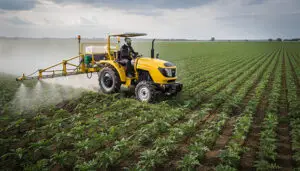
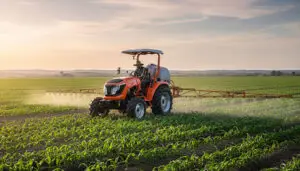
Negli ultimi decenni i trattori hanno subito notevoli progressi tecnologici I sistemi guidati da GPS, i controlli computerizzati e le tecniche di agricoltura di precisione hanno trasformato i trattori in macchine altamente efficienti e intelligenti.
I moderni trattori sono anche all'avanguardia nelle pratiche agricole sostenibili Consentono una lavorazione ridotta, una piantagione precisa e l'uso di colture di copertura, contribuendo alla conservazione del suolo e al ridotto impatto ambientale.
Guardando al futuro, l'evoluzione dei trattori agricoli continua I trattori autonomi, alimentati da fonti di energia rinnovabile, e integrati con IA e robotica ancora più avanzate, promettono di rivoluzionare ulteriormente l'agricoltura.
Il primo trattore agricolo è attribuito a vari inventori, ma Richard Trevithick e John Froelich sono tra i pionieri “Puffing Devil” di Trevithick, alimentato a vapore, e il trattore a benzina di Froelich furono i primi precursori dei moderni trattori agricoli.
I trattori a vapore aumentarono notevolmente l'efficienza delle operazioni agricole sostituendo il lavoro manuale e gli aratri trainati da animali, tuttavia, erano limitati dalle loro dimensioni e dalla dipendenza da una fonte d'acqua costante.
Il motore a combustione interna rivoluzionò i trattori rendendoli più piccoli, più versatili e pratici I trattori a benzina, come il Fordson, divennero convenienti e accessibili a una gamma più ampia di agricoltori, portando ad un aumento della produttività agricola.
Durante la seconda guerra mondiale, i trattori furono riconvertiti per uso militare, accelerando i progressi tecnologici nella progettazione dei trattori. Dopo la guerra, i trattori in eccedenza divennero disponibili per gli agricoltori, stimolando ulteriormente la meccanizzazione.
I trattori moderni sono dotati di sistemi guidati da GPS, controlli computerizzati e tecniche di agricoltura di precisione, inoltre stanno aprendo la strada nelle pratiche agricole sostenibili, contribuendo alla conservazione del suolo e al ridotto impatto ambientale Il futuro mantiene promesse di trattori autonomi e fonti di energia rinnovabile.
-1.png)