Benvenuti in Shandong Qilu Industrial Co., Ltd

 Italian
 English
 Arabic
 Bulgarian
 Bengali
 Czech
Czech
 Danish
 German
 Greek
Greek
 Spanish
 Finnish
 French
 Hindi
Hindi
 Croatian
 Hungarian
 Indonesian
 Japanese
 Korean
 Lithuanian
 Dutch
Dutch
 Norwegian
 Polish
 Portuguese
 Romanian
 Russian
 Slovak
 Slovenian
 Swedish
 Thai
Thai
 Turkish
 Ukrainian
 Vietnamese
 Tagalog
 Malay
Malay
 Estonian
 Catalan
 Latvian
 Urdu
Urdu
 Serbian
 Persian
 Swahili
 Albanian
 Armenian
 Icelandic
 Bosnian
 Luxembourgish
 Afrikaans
Italian English
Arabic
Bulgarian
Bengali
Czech
Danish
German
Greek
Spanish
Finnish
French
Hindi
Croatian
Hungarian
Indonesian
Japanese
Korean
Lithuanian
Dutch
Norwegian
Polish
Portuguese
Romanian
Russian
Slovak
Slovenian
Swedish
Thai
Turkish
Ukrainian
Vietnamese
Tagalog
Malay
Estonian
Catalan
Latvian
Urdu
Serbian
Persian
Swahili
Albanian
Armenian
Icelandic
Bosnian
Luxembourgish
Afrikaans
Afrikaans
Italian English
Arabic
Bulgarian
Bengali
Czech
Danish
German
Greek
Spanish
Finnish
French
Hindi
Croatian
Hungarian
Indonesian
Japanese
Korean
Lithuanian
Dutch
Norwegian
Polish
Portuguese
Romanian
Russian
Slovak
Slovenian
Swedish
Thai
Turkish
Ukrainian
Vietnamese
Tagalog
Malay
Estonian
Catalan
Latvian
Urdu
Serbian
Persian
Swahili
Albanian
Armenian
Icelandic
Bosnian
Luxembourgish
Afrikaans
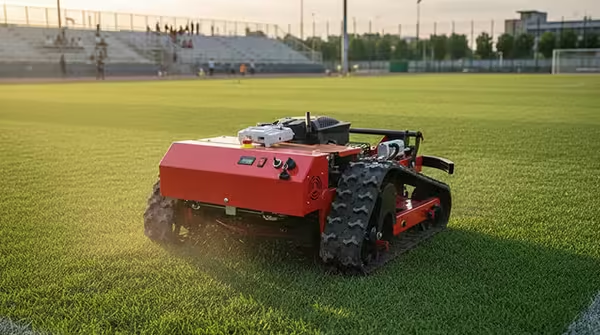
L'evoluzione dello sfalcio di precisione: moderno vs tradizionale
La produzione di tosaerba è sempre stata più di un semplice mestiere. È sempre stata un riflesso di come gli americani si relazionano con la loro terra, le loro case e i loro standard di artigianato.
Le radici di questo settore sono profonde. American Lawn Mower Co, fondata nel 1895, è uno dei simboli più duraturi di quel patrimonio Per oltre un secolo, produttori come questo si sono costruiti una reputazione sulla semplicità della durabilità e sull'affidabilità meccanica. I proprietari di case portano ancora peso.
“Made in the USA” è diventato più di un'etichetta I marchi che la portavano hanno guadagnato una sorta di istintiva fiducia dei consumatori, costruita sul presupposto che la produzione nazionale significava un controllo di qualità più stretto, materiali migliori e responsabilità Per decenni, quella fiducia era in gran parte giustificata I tosaerba a bobina ed elegantemente semplici prati suburbani dominati bene nella metà del XX secolo Poi è arrivata la rivoluzione dei motori a gas I motori a combustione ad alta coppia hanno trasformato la falciatura da un lavoro ad alta intensità di manodopera in qualcosa di più veloce e, francamente più potente I progetti rotativi sono diventati standard e l'industria ha scalato di conseguenza.
Ma il ridimensionamento ha un soffitto In pratica, i modelli di produzione tradizionali, tuttavia storici, non sono mai stati progettati per soddisfare le esigenze di precisione della moderna gestione del tappeto erboso. I motori in ghisa e carburatore hanno servito bene una generazione, eppure hanno introdotto compromessi: velocità della lama incoerente, vibrazioni e oneri di manutenzione che si sono aggravati nel tempo. Ciò che la vecchia guardia ha costruito con orgoglio, i prati di oggi stanno cominciando a crescere troppo.
Quel divario tra patrimonio e prestazioni è esattamente il punto in cui entra in gioco l'ingegneria moderna Strumenti come il Tagliaerba QL-R800 rappresenta un deliberato allontanamento dal design convenzionale. (EN) e capire perché inizia osservando da vicino cosa fa effettivamente la precisione all'erba a livello biologico.
Perché la precisione della lama determina la salute del tuo prato
La precisione della lama è uno dei fattori più consequenziali e più trascurati. Determina se il tuo prato prospera o si deteriora lentamente dopo ogni falcia.
La condizione della lama del tosaerba modella direttamente la salute biologica di ogni pianta erbacea a cui entra in contatto. Quando una lama affilata passa sopra una foglia d'erba, crea un taglio pulito e orizzontale La pianta sigilla che si avvolge rapidamente, reindirizzando l'energia verso la crescita Una lama opaca, per contrasto, non taglia le lacrime Il tessuto viene strappato in modo non uniforme, lasciando un bordo sfilacciato e sfilacciato che la pianta fatica a riparare.
La scienza dietro questa distinzione conta più di quanto la maggior parte dei proprietari di case realizzi Come il Estensione dell'Università del Minnesota spiega:
“Una lama tagliente taglia l'erba in modo pulito, mentre una lama opaca strappa l'erba, lasciando bordi frastagliati che diventano marroni e rendono la pianta suscettibile alle malattie.”
Quei bordi frastagliati sono più che cosmetici Il tessuto lacerato si disidrata più velocemente, motivo per cui un prato appena falciato può assumere una tinta brunastra entro pochi giorni da un taglio a lama opaca Peggio ancora, quelle ferite aperte diventano punti di ingresso per agenti patogeni divertenti e infezioni batteriche (bacteral pathgens) che si aggravano durante una stagione di crescita.

La velocità della punta della lama è la variabile ingegneristica che rende possibile un taglio costante. Affinché una lama rotante tagli in modo pulito anziché strapparsi, deve mantenere una velocità di punta compresa tra 18.000 e 19.000 piedi al minuto. Le cadute di tensione, le fluttuazioni del carico del motore o i componenti usurati riducono tutti quella velocità, spingendo il taglio nel territorio di strappo. Il QL-R800 è progettato per sostenere regimi di lama coerenti durante l'intera corsa di falciatura, quindi la qualità del taglio alla fine del cantiere corrisponde alla qualità all'inizio.
Mantenere le lame affilate prima di ogni sessione è fondamentale la manutenzione della lama, ma anche una lama perfettamente affilata funziona meno quando il motore che la aziona non riesce a mantenere una velocità costante sotto carico.
La salute del tappeto erboso, quindi, è inseparabile dalle prestazioni delle apparecchiature E mentre i produttori continuano a perfezionare i sistemi di taglio, una nuova pressione si sta sviluppando da una direzione completamente diversa (il costo ambientale dei motori alimenta quelle pale).
Il costo ambientale delle tradizionali falciatrici a gas
Le attrezzature per prati alimentate a gas comportano un pedaggio ambientale nascosto che la maggior parte dei proprietari di case non considera mai il profilo delle emissioni di un'auto moderna, un miglio per miglio.
Secondo il California Air Resources Board (CARB), l'utilizzo di un nuovo tosaerba alimentato a gas per una sola ora produce lo stesso volume di composti organici volatili e ossidi di azoto che guida una tipica auto per 45 miglia. Questo confronto colpisce da solo, ma diventa ancora più allarmante se si tiene conto del fatto che i motori dei tosaerba più vecchi, ancora comuni in tutta l'America suburbana, hanno prestazioni significativamente peggiori rispetto ai modelli più recenti.
I piccoli motori semplicemente non erano costruiti per soddisfare i moderni standard sulle emissioni. Mentre l'industria automobilistica ha trascorso decenni a raffinare convertitori catalitici, sistemi di iniezione di carburante ed efficienza di combustione, la tecnologia dei piccoli motori è rimasta indietro per anni Il risultato: una produzione sproporzionata di ossidi di azoto, un contributo chiave all'ozono troposferico e alle preoccupazioni per la salute respiratoria.
Questo divario è il motivo per cui l’EPA e il CARB hanno progressivamente inasprito le normative sui produttori di piccoli motori. Gli standard più severi sulle emissioni di livello 4 e le tempistiche di eliminazione graduale per i motori altamente inquinanti riflettono il riconoscimento normativo che le apparecchiature per la cura del prato rappresentano un problema di qualità dell’aria misurabile e affrontabile. Ogni responsabile produttore tosaerba oggi si trova ad affrontare la pressione di ripensare completamente le fonti di energia, non solo di ottimizzare i progetti di combustione esistenti.
Questo slancio normativo ha accelerato lo sviluppo di sistemi robotici elettrici alimentati a batteria, compresi i sistemi robotici alimentati a batteria Il QL-R800 è una risposta diretta a tale necessità (ha accelerato la combustione) un motore pulito, alimentato a batteria, ha accelerato completamente a favore di un motore pulito, come esplorato in un ripartizione affiancata delle opzioni robotiche rispetto a quelle tradizionali, il cambiamento non riguarda solo la comodità; si tratta di ridurre l'impronta ambientale cumulativa della manutenzione ordinaria del prato.
Mentre gli standard sulle emissioni continuano a inasprirsi, la questione di come un tosaerba naviga nel tuo cortile diventa importante quanto cosa lo alimenta.
Passare al taglio robotico e sistematico
La moderna tecnologia di falciatura ha cambiato radicalmente ciò che significa “coverage” tou spostando percorsi da una navigazione approssimativa, dipendente dall'operatore, precisa e ripetibile che non lascia intatta alcuna striscia.
Navigazione casuale del percorso è stata la prima generazione di logica di falciatura autonoma Questi sistemi fanno rimbalzare un falciatrice intorno al cortile in direzioni imprevedibili, facendo affidamento sulla pura ripetizione per coprire alla fine ogni piede quadrato In pratica, questo funziona (5000) aree di falciatura autonome (4000) ma in modo inefficiente Alcuni vengono falciati più volte mentre altri vengono visitati molto meno spesso, creando sottili incongruenze nell'altezza di taglio nel tempo.
Navigazione sistematica della rete è l'aggiornamento significativo. Secondo Specifiche tecniche del gruppo Husqvarna, le falciatrici robotizzate che utilizzano la logica sistematica della griglia seguono file definite e sovrapposte che rispecchiano la disciplina di un giardiniere professionista Se abbinate a cavi di posizionamento e confine perimetrale GPS-RTK, questi sistemi raggiungono una copertura 100% con precisione ripetibile da cantiere non solo per la maggior parte del tempo ma ogni singolo ciclo.
Il vero vantaggio emerge nella frequenza di taglio stessa. Lo sfalcio settimanale tradizionale rimuove una grande percentuale di lunghezza della lama in un passaggio (UN passaggio) e una pratica che sollecita l'erba. Il microtaglio quotidiano o quasi quotidiano mediante navigazione autonoma mantiene l'erba entro intervalli di crescita ottimali in modo coerente. Il risultato è un prato che sembra mantenuto professionalmente senza il pedaggio fisico o il rischio crescente di aver bisogno di imprevisti riparazione tosaerba lavoro causato da erba dura e ricoperta di vegetazione che sforza un motore.
Il QL-R800 applica direttamente questi principi di navigazione. Opera entro confini definiti eseguendo modelli di copertura sistematici, offrendo il tipo di risultati prevedibili che altrimenti vedresti solo sul terreno commerciale. Per i proprietari di case già esplorati efficienza del motore brushless in altri formati di falciatura, il QL-R800 estende quella filosofia ingegneristica al funzionamento completamente autonomo.
Il passaggio da casuale a sistematico non è solo un aggiornamento della navigazione, ma è anche il fondamento di una routine di cura del prato più duratura e con manutenzione inferiore. E la durabilità, come esplora la sezione successiva, ha implicazioni dirette su ciò che probabilmente spenderai in officina.
La Realtà della Riparazione e Longevità Tagliaerba
Sapere quando riparare e quando sostituire il tuo tosaerba è una delle decisioni finanziariamente più consequenziali che un proprietario di casa deve affrontare e i conti sono cambiati radicalmente a favore dell'aggiornamento.
Le tradizionali falciatrici a gas sono costruite attorno a un gruppo di componenti soggetti a guasti che usura in sequenza prevedibile Carburatori gomma su da carburante miscelato con etanolo Candele di scintilla fallo dopo uso prolungato Cinghie di trasmissione allungare e scattare Filtri dell'aria si intasano Ogni punto di guasto significa tempi di inattività, un viaggio in un'officina di riparazione, e una fattura che raramente proporzionato al lavoro Spese di riparazione presso negozi locali di piccoli motori sono aumentati costantemente, con un singolo carburatore ricostruzione spesso in esecuzione TP12T80$12T prima di parti 12T prima di parti e parti che non presuppongono alcun danno secondario.
Il modello di costo cumulativo è il vero problema. Una falciatrice a gas di 10 anni richiede in genere una qualche forma di servizio ogni stagione Secondo il Agenzia per la protezione dell'ambiente, tosaerba alimentati a gas contribuiscono circa 5% di inquinamento atmosferico totale degli Stati Uniti (in gran parte) perché l'invecchiamento, i motori inefficienti bruciano il carburante male come i loro componentigradano Quel degrado non è solo un problema ambientale; è un conto di riparazione che si compone anno dopo anno.
I moderni modelli elettrici e robotici 'Brushless' riducono questo rischio eliminando molti dei componenti che hanno maggiori probabilità di guastarsi Meno parti mobili significa meno punti di usura Un motore brushless, ad esempio, rimuove le spazzole di carbonio che si erodono nei motori convenzionali, estendendo drasticamente gli intervalli di servizio Se si valutano alternative, questo confronto tra i sistemi di azionamento più recenti illustra come la ridotta complessità meccanica si traduce in minori spese generali di manutenzione.
Quando si acquista tosaerba con un occhio al costo totale di proprietà piuttosto che al prezzo dell'adesivo, il calcolo del ROI cambia rapidamente Continuando a mantenere un tosaerba a gas vecchio di dieci anni (fattorizzazione del servizio annuale, eventuale sostituzione del componente), carburante può facilmente superare Qilu Machinery40T40T1TP112T60. Quel capitale del ROI che potrebbe compensare una parte significativa del prezzo di acquisto di un tosaerba moderno, con anni di manutenzione ridotta in anticipo.
Poniti queste domande prima di prenotare un'altra riparazione: Questo tosaerba ha avuto bisogno di un servizio due o più volte negli ultimi 24 mesi?, Le parti di ricambio stanno diventando più difficili da reperire localmente?, L'efficienza del carburante è notevolmente peggiore rispetto a quando la macchina era nuova? e la riparazione successiva costerebbe più di 30% del valore di rivendita del tosaerba? Se hai risposto sì a due o più, è probabile che un aggiornamento superi la riparazione continua Comprendere che il tuo tosaerba è effettivamente prodotto e quali standard di ingegneria sono ritenuti tali tanto quanto il prezzo, che è esattamente ciò che la sezione successiva esamina.
Comprendere il panorama della produzione globale
La questione di dove i tosaerba sono effettivamente realizzati è più complicata di quanto la maggior parte degli acquirenti creda e la risposta modella sia le aspettative di qualità che il valore a lungo termine.
Ariens, un importante produttore con sede negli Stati Uniti, assembla molte delle sue falciatrici residenziali e commerciali a livello nazionale, ma come praticamente ogni marchio di apparecchiature moderne, si basa su una catena di fornitura globale per componenti specializzati. Motori, moduli di controllo elettronici e componenti in acciaio tagliati con precisione spesso hanno origine all'estero, anche in macchine che portano con orgoglio il marchio americano. Questo non è un compromesso. Ciò riflette il modo in cui gli standard ingegneristici globali hanno elevato la qualità dei componenti su tutta la linea.
Quando i proprietari di casa cercano aziende di tosaerba vicino a me, Spesso sperano di trovare una responsabilità locale: da qualche parte per porre domande, ottenere riparazioni e creare fiducia con un marchio. Questo istinto è valido. Tuttavia, la vicinanza a un rivenditore non riflette necessariamente dove sono state prese le decisioni ingegneristiche principali di un tosaerba. Marchi come Walker Mowers hanno costruito un seguito fedele nel mercato commerciale statunitense attraverso reti di concessionari e un robusto supporto post-vendita, mentre giocatori come Eden hanno guadagnato terreno dando priorità ai progetti tech-forward Nel frattempo, operando a livello di qualità export (costruendo prestazioni internazionali e parametri di riferimento delle emissioni piuttosto che solo minimi locali) Marchi come Walker Mowers hanno tranquillamente rimodellato ciò che gli acquirenti possono aspettarsi da una macchina con specifiche mid-to-high Comprendere. come si confrontano i design robotici e tradizionali in questo contesto la questione della produzione è molto più pratica.
Qilu Machinery occupa una posizione specifica e deliberata in questo paesaggio 1000 un produttore che progetta macchine incentrate sull'esportazione per soddisfare specifiche internazionali esigenti piuttosto che la soglia più bassa conforme. Questa distinzione conta quando la durabilità, la precisione di taglio e le prestazioni delle emissioni sono le aspettative di base, non gli aggiornamenti opzionali. Poiché la matematica riparazione contro sostituzione discussa in precedenza diventa sempre più rilevante per i proprietari di case, che effettivamente costruiscono la macchina in modo naturale verso ciò che è standard, punta a cosa cercare in una scelta di livello successivo.
Perché il QL-R800 è la Scelta Professionale
Il QL-R800 affronta i guasti più persistenti nelle tradizionali lame di falciatura e scarico, i cicli di riparazione infiniti delle emissioni attraverso un'unica macchina appositamente costruita.
Ingegneria di precisione delle pale è dove il QL-R800 si separa immediatamente Piuttosto che fare affidamento su una singola lama larga che si opacizza in modo non uniforme sotto carico, il QL-R800 utilizza un piano di taglio multi-lama progettato per una costante ritenzione dei bordi attraverso cicli operativi prolungati Il risultato è un taglio pulito, a livello micro ogni passaggio il tipo di taglio che promuove il recupero piuttosto che strappare il tessuto e invitare la malattia. Come Specifiche tecniche del gruppo Husqvarna conferma, falciatrici autonome che tagliano piccole quantità ogni giorno riducono lo stress delle piante rispetto alle sessioni settimanali di scalping con una lama usurata.
Prestazioni delle emissioni importa più che mai dato il contesto normativo discusso in precedenza Il sistema di azionamento elettrico del QL-R800 funziona interamente al di fuori del quadro EPA/CARB per i piccoli motori alimentati a gas (gas-powered small engineers) Per gli operatori commerciali e i gestori HOA che lavorano in California o in altri stati regolati da CARB, quella distinzione da sola ha un valore reale in dollari La tecnologia di falciatura avanzata è sempre più definita da ciò che una macchina non emetti tanto quanto ciò che taglia.
Durata del telaio è alla base di tutto Il telaio rinforzato della QL-R800 è costruito per la varianza del terreno, non solo per prati residenziali piatti Il piano di taglio mantiene una geometria coerente che segue il suolo anche su superfici irregolari, che protegge l'allineamento delle pale e riduce l'usura Per gli utenti esausti dal ciclo di riparazione coperto nelle sezioni precedenti, questa filosofia di progettazione si traduce direttamente in un minor numero di visite di servizio Puoi esplorare come Qilu si avvicina alle diverse applicazioni del terreno per comprendere l'intera gamma di ambienti per cui questa macchina è costruita.
Cosa questo significa in definitiva: il QL800 è un gadget ', è un sistema di livello professionale progettato attorno ai punti dolore specifici che la falciatura tradizionale non riesce costantemente a risolvere. Come chiarirà la prossima sezione, quei punti dolore ora definiscono lo standard con cui ogni falciatrice moderna dovrebbe essere misurata.
La conclusione: cosa devi sapere
La falciatura moderna è definita dalla precisione della lama e dall'efficienza delle emissioni. Non dalla potenza grezza, comprendendo che il turno cambia il modo in cui si valuta ogni decisione di acquisto.
Le vecchie metriche non raccontano più tutta la storia. Come le tendenze del settore confermano, un tosaerba affidabile non è più giudicato solo in base alle dimensioni del motore; è giudicato dalla coerenza del suo taglio e dalla pulizia della sua impronta ambientale I marchi Legacy portano un patrimonio autentico, ma il patrimonio non si traduce automaticamente nella conformità con gli standard di emissioni odierni o nel tipo di efficienza di taglio sistematica richiesta dai prati moderni I nuovi produttori sono entrati in quella lacuna con l'ingegneria appositamente costruita piuttosto che con progetti legacy adattati.
I costi di riparazione sono uno scarico nascosto che molti proprietari di casa sottovalutano In pratica, mantenendo un invecchiamento falciatrice a gas operativa (carburatori di ricambio), sintonizzazione del sistema di alimentazione, riparazioni del sistema di alimentazione (compounds) silenziosamente per diverse stagioni fino a quando la spesa cumulativa non rivaleggia o supera il costo di un aggiornamento moderno Quel calcolo diventa ancora più chiaro quando si tiene conto di come le routine di falciatura stagionale cambia con la tecnologia robotica, dove i passaggi giornalieri a basso impatto sostituiscono lo stress di sessioni di taglio poco frequenti e pesanti.
La QL-R800 si trova ad un incrocio specifico: la durabilità delle pale di livello industriale soddisfa la precisione programmabile dell'automazione robotica Quella combinazione non è accidentale ("hactually combined") Riflette una filosofia ingegneristica deliberata che tratta l'efficienza e la longevità come ugualmente non negoziabili Secondo la ricerca sulla tecnologia di falciatura avanzata, le piattaforme telecomandate e robotiche stanno attivamente rimodellando ciò che proprietari di case e professionisti si aspettano dalle loro attrezzature.
Ciò che rimane sono le domande pratiche che gli acquirenti ancora pongono prima di commettere risposte dirette e oneste.
Domande frequenti sui tosaerba moderni
La falciatura intelligente inizia con le risposte giuste. Le decisioni che i proprietari di casa pongono qui sono le domande che i proprietari di casa devono porre prima di passare dalle attrezzature tradizionali ad alternative progettate con precisione.
Il QL-R800 richiede frequenti affilature della lama?
Il QL-R800 è progettato per prestazioni estese della lama, ma come ogni falciatrice, la manutenzione periodica rimane importante Come il Estensione dell'Università del Minnesota note, mantenere le lame affilate per la salute del prato La lama di un'erba strappata sollecita la pianta e la apre alle malattie La precisione-terra del QL-R800 è progettata per mantenere il bordo più a lungo rispetto alle alternative convenzionali in acciaio stampato, riducendo la frequenza con cui è necessario affinare senza eliminare completamente la pratica.
Come si confronta la QL-R800 con i tradizionali marchi di fabbricazione americana?
I marchi tradizionali hanno costruito la loro reputazione sulla potenza e sulla durata del motore grezze. Il QL-R800 si sposta verso questo punto di riferimento efficienza delle emissioni, precisione della lama e tecnologia integrata le aree in cui i vecchi quadri ingegneristici faticano a competere Piuttosto che sostituire l'affidabilità, il QL-R800 ridefinisce l'aspetto affidabile delle prestazioni in un cantiere moderno.
Dove posso trovare supporto per i prodotti Qilu Machinery?
Qilu Machinery fornisce documentazione sui prodotti, indicazioni specifiche per il modello e assistenza clienti attraverso il suo sito Web ufficiale Se stai esplorando la gamma completa, risorse come questa panoramica della falciatura tutto l'anno offri un contesto pratico su come il QL-R800 si comporta in diverse condizioni stagionali.
È meglio per la mia erba la falciatura robotica che quella manuale?
In pratica, il taglio robotico superficiale frequente imita i modelli di pascolo naturali, che possono ridurre l'accumulo di paglia e ridurre al minimo i danni da stress della lama al tappeto erboso Tuttavia, i sistemi robotici funzionano meglio come complemento per non sostituire completamente la valutazione periodica pratica del prato. come il QL500F riduce il tempo di falciatura accanto alle opzioni robotiche aiuta i proprietari di case a costruire una strategia completa ed efficiente per la cura del prato.