E-mail: [email protected] WhatsApp: +8618266768780

E-mail: [email protected] WhatsApp: +8618266768780


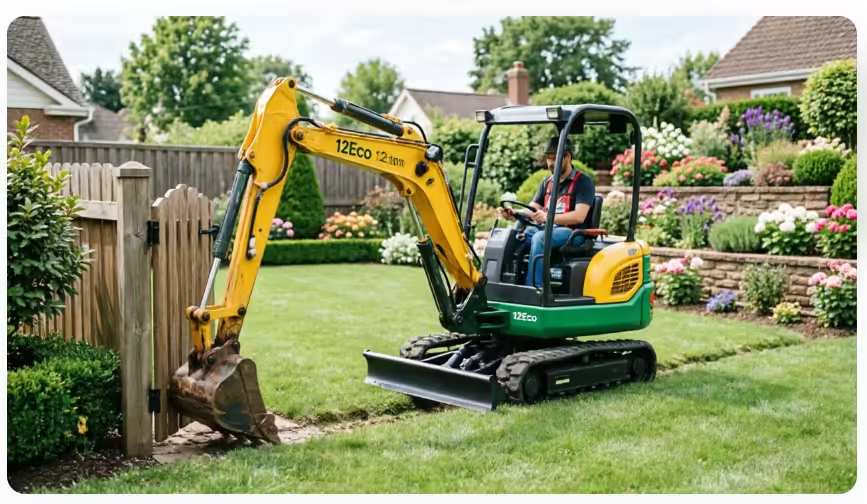
Diventiamo reali per un secondo Se stai guardando un Mini escavatore da 1,2 tonnellate, probabilmente hai a che fare con un incubo di“access” a stretto contatto Forse è un cortile in un vicolo cieco suburbano dove l'unico modo per entrare è uno stretto cancello laterale, o forse è un giardino a più livelli dove una macchina più grande semplicemente rotolerebbe giù per il pendio.
Ho visto molti ragazzi commettere l'errore di noleggiare una macchina da 3 tonnellate perché pensano che sia meglio una maggiore potenza, il“ solo per finire per pagare $5.000 per riparare un vialetto schiacciato e una linea fognaria principale recisa. Nel mondo del paesaggio di fascia alta, la 12Eco è una macchina ”smallè uno strumento di precisione.
Ma operando a Miniescavatore in un giardino confinato non si tratta solo di joystick oscillanti Si tratta di fisica, integrità del suolo e sapere esattamente quanto stress possono sopportare quelle linee idrauliche prima di lamentarsi. Abbattiamo la realtà tecnica di lavorare con questa bestia da 1,2 tonnellate senza rovinare la tua proprietà.
La maggior parte delle importazioni a basso costo hanno impianti idraulici di“on/off”, il che significa che il braccio si muove a tutta velocità o non si muove affatto. Questa è una ricetta per il disastro quando scavi a sei pollici di distanza dal muro di una piscina.
Il 12Eco è costruito con un Sistema idraulico sensibile al carico. Questo è un discorso tecnico per “la macchina ti ascolta.” Quando spingi a malapena il joystick, la pompa invia solo un rivolo d'olio. Questo ti consente di eseguire manovre di “surgical”, come raccogliere una singola roccia ornamentale senza schiacciare la testa di irrigazione sottostante.
| Funzionalità operativa | Perché è importante in un giardino | Specifiche tecniche (12Eco) |
| Oscillazione della coda | Impedisce di colpire recinzioni/pareti durante la rotazione. | Altalena vicino allo zero |
| Larghezza del telaio | Si adatta attraverso cancelli laterali standard. | Variabile/Larghezza stretta |
| Forza di rottura del secchio | Scatta radici senza la macchina “jumping.” | Alto rapporto coppia-peso |
| Pressione al suolo | Ti impedisce di affondare nel prato. | ~3.8 PSI (inferiore a un piede umano) |
Nota: Per un'immersione profonda nell'evoluzione meccanica di queste macchine, Voce di Wikipedia sugli escavatori offre una prospettiva storica decente, ma non ti dirà come salvare il tuo territorio.
Prima ancora di pensare di impegnare i binari, devi capire che un giardino moderno è un campo minato Hai cavi in fibra ottica (sepolti poco profondi), linee del gas, e il killer silenzioso: Il manifesto dell'irrigazione.
Nella maggior parte delle zone residenziali, le linee di servizio secondarie sono interrate solo da 12 a 18 pollici di profondità Se stai utilizzando il 12Eco per scavare uno scarico francese, tu will incontra questi.
Lo vedo sempre: un operatore scava una trincea per un muro di contenimento, taglia una radice di albero da 2 pollici di “small” e due anni dopo muore una quercia da $3.000 Quelle radici sono la linfa vitale dell'albero.
Se vuoi finire un lavoro e chiedere al cliente, “Wait, come hai fatto a riportare la macchina qui?” devi padroneggiare la protezione del suolo.
Anche con cingoli in gomma, una macchina da 1,2 tonnellate strofinerà delicate finitrici se esegui una svolta.“
Il 12Eco è leggero Questa è la sua forza, ma anche la sua debolezza Se si raggiunge il braccio fino alla massima estensione con un pesante carico di argilla bagnata, il retro della macchina will sollevare.
Lo sporco del giardino è diverso dallo sporco da costruzione È pieno di materia organica, fertilizzanti (che sono corrosivi) e polvere fine.
Per le specifiche esatte del grasso per i perni 12Eco, controllare i documenti tecnici a Portale di servizi di Qilu Machinery.
Parliamo di soldi Una macchina da 1,2 tonnellate è un investimento Se sei un appaltatore, stai cercando quanti giorni ci vogliono per ripagare.
| Tipo Progetto | Difficoltà senza 12Eco | Tempo con 12Eco | Valore Aggiungi |
| Rimozione del ceppo | Vicino all'impossibile (manuale) | 45-60 minuti | Alto (Cambio immediato del paesaggio) |
| Trench Utilità | 12 ore (manuale) | 90 minuti | Alto (Profondità di precisione per il codice) |
| Foro postale noioso | Esauriente (trivella) | 2 Minutes per hole | Estremo (Coerenza) |
Quando sei nel cortile di qualcuno, sei un ospite.
Se mai ti ritrovi bloccato o la macchina non risponde come ha fatto il primo giorno, non provare a “force” i joystick Raggiungi il Esperti tecnici Qilu chi conosce la mappatura delle valvole del 12Eco dentro e fuori.
D: Posso davvero montare il 12Eco attraverso un cancello standard da 36 pollici?
R: I cancelli standard variano, ma il 12Eco è progettato esattamente per questo Alcune configurazioni permettono di ritrarre i binari a meno di 36 pollici Basta ricordare: quando i binari sono stretti, la macchina è meno stabile Passa attraverso il cancello, quindi allargare subito le tracce prima di sollevare il boma.
D: Scaverà attraverso argilla pesante o roccia?
A: Scaverà attraverso l'argilla per tutto il giorno, anche se potrebbe essere necessario prendere “slicees più sottili.” Per la roccia solida, non avrai molta fortuna con un secchio standard Avrai bisogno di un attacco idraulico per demolitori (martello pneumatico) Il 12Eco ha l'impianto idraulico ausiliario per eseguirne uno, che lo rende una bestia per la demolizione del patio.
D: Ho sentito che i piccoli escavatori sono tippy.“ Come posso stare al sicuro?
R: Si sentono ribaltati perché sei seduto in alto La chiave è mantenere basso il baricentro Non viaggiare mai con il secchio alto nell'aria Se la macchina inizia a inclinarsi, il tuo istinto è quello di saltare fuori. Non farlo. Il ROPS (Roll-Over Protective Structure) e la tua cintura di sicurezza sono lì per salvarti Rimani in cabina.
D: Come faccio a mantenere il valore di rivendita?
A: Tenere un diario di bordo Ogni volta che si cambia l'olio o si ingrassano i perni, annotarlo Gli acquirenti nel mercato dell'usato sono terrorizzati dalle macchine “abused” Un 12Eco con un registro di manutenzione pulito e un vano motore ordinato venderà per 80% del suo prezzo originale anche anni dopo.
D: Qual è la parte più comune che si rompe per i principianti?
A: La valvola tendicicreso o i perni dei denti del secchio I principianti spesso colpiscono le rocce lateralmente, il che mette lo stress di “lateral” sui denti del secchio per cui non sono stati progettati Scava direttamente e i tuoi perni dureranno per anni.







-1.png)