Shandong Qilu Industrial Co., Ltdへようこそ

 Japanese
 English
 Arabic
 Bulgarian
 Bengali
 Czech
Czech
 Danish
 German
 Greek
Greek
 Spanish
 Finnish
 French
 Hindi
Hindi
 Croatian
 Hungarian
 Indonesian
 Italian
 Korean
 Lithuanian
 Dutch
Dutch
 Norwegian
 Polish
 Portuguese
 Romanian
 Russian
 Slovak
 Slovenian
 Swedish
 Thai
Thai
 Turkish
 Ukrainian
 Vietnamese
 Tagalog
 Malay
Malay
 Estonian
 Catalan
 Latvian
 Urdu
Urdu
 Serbian
 Persian
 Swahili
 Albanian
 Armenian
 Icelandic
 Bosnian
 Luxembourgish
 Afrikaans
Japanese English
Arabic
Bulgarian
Bengali
Czech
Danish
German
Greek
Spanish
Finnish
French
Hindi
Croatian
Hungarian
Indonesian
Italian
Korean
Lithuanian
Dutch
Norwegian
Polish
Portuguese
Romanian
Russian
Slovak
Slovenian
Swedish
Thai
Turkish
Ukrainian
Vietnamese
Tagalog
Malay
Estonian
Catalan
Latvian
Urdu
Serbian
Persian
Swahili
Albanian
Armenian
Icelandic
Bosnian
Luxembourgish
Afrikaans
Afrikaans
Japanese English
Arabic
Bulgarian
Bengali
Czech
Danish
German
Greek
Spanish
Finnish
French
Hindi
Croatian
Hungarian
Indonesian
Italian
Korean
Lithuanian
Dutch
Norwegian
Polish
Portuguese
Romanian
Russian
Slovak
Slovenian
Swedish
Thai
Turkish
Ukrainian
Vietnamese
Tagalog
Malay
Estonian
Catalan
Latvian
Urdu
Serbian
Persian
Swahili
Albanian
Armenian
Icelandic
Bosnian
Luxembourgish
Afrikaans
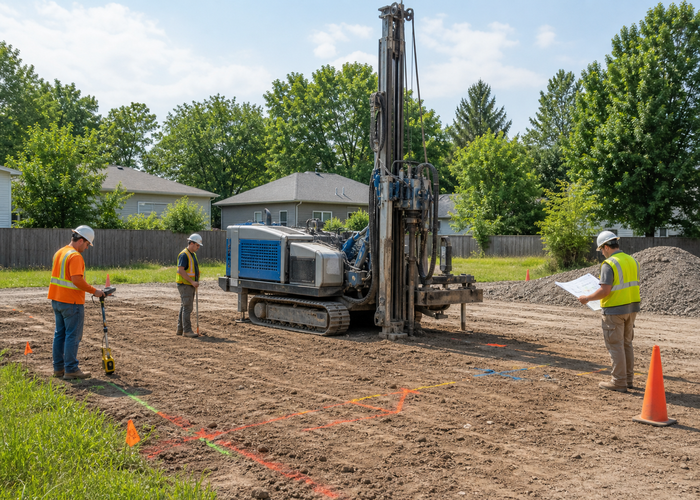
小さいボアホールの仕事の前の掘削装置の場所の準備のチェックリスト
小型ボーリング孔の仕事のための実用的な掘削リグ現場準備チェックリスト。アクセス、ユーティリティマーキング、レベルパッド、スタビライザー、水制御、立ち入り禁止区域、および乗組員の役割をカバーします。.
掘削リグサイト準備チェックリストは、ボーリング孔が始まる前に乗組員を保護します 最も重要な決定は、リグがまだ駐車されている間に起こります: アクセスルート、ユーティリティマーキング、パッドの安定性、立ち入り禁止区域、水の取り扱い、台無し制御、緊急マストを上げて作業を開始すると、不足しているすべての詳細を修正するのが難しくなります。.
QiLu Machinery の顧客レビュー 掘削リグ装置 通常、掘削深さ、出力、機動性、輸送サイズに焦点を当てます。これらの仕様は重要ですが、リグが安全に動作できるかどうかは現場が決定します。有能なリグには、レベルパッド、しっかりとしたアクセス、明確な頭上スペース、およびシーケンスを理解する乗組員が必要です。.
このガイドは、実際の現場チェックと一般的な安全状況を組み合わせたものです OSHA 建設 リソース, NIOSH 建設 安全 情報, 、 および からの 地下水 基礎 意識 USGS 地下水教育. 。小規模建設、農業インフラ、公共事業スタイルのボーリング孔計画向けに書かれています。.

リグが到着する前にアクセスを確認してください
アクセスは私道だけではありません ゲートの幅、回転半径、頭上の分岐、送電線、柔らかい肩、暗渠、斜面、駐車中の車両、およびサポート機器の経路を確認してください ピックアップを扱うルートでは、掘削リグ、給水、コンプレッサー、トレーラー、またはサービストラックを扱わない場合があります。.
リグが移動する方向にルートを歩きます。天候が変化した場合に、方向転換、反転、荷降ろし、安定、出発する場所を特定します。出口が乾燥した地面に依存している場合、敷地計画は不完全です。.
ユーティリティのマーキングと除外ゾーン
地下の公共事業と既知のサイトサービスが地域の要件に従って対処されるまで掘削を開始しないでください。電気、ガス、水道、通信、灌漑、排水、浄化に関する懸念に関連する場所にマークを付けます。情報が不確実な場合は、機器がボアエリアに入る前に停止して確認してください。.
作業開始前に立ち入り禁止区域を設定する コーン、テープ、バリア、またはスポッターは、不要不急の人をマスト、回転工具、ホース、スポイルエリア、およびサポート車両から遠ざける必要があります。ジョブのレイアウトが変更された場合、立ち入り禁止区域は移動する必要があります。.
レベルパッド、スタビライザー、およびグランドサポート
掘削リグには安定したサポートが必要です。土壌、盛り土、舗装、傾斜、排水、および近くの端を検査します。安定剤は適切な地面または承認されたパッドに装着する必要があります。パッドが振動や水の下で沈降すると、到着時に水平になっているリグが変化する可能性があります。.
水と汚物の管理はセットアップ計画に属します。水がどこから来て、どこに行くのか、挿し木をどのように収容するのか、泥だらけの流出物が道路、排水管、または完成エリアに侵入するのをどのように防ぐかを決定します。.
マストを上げる前に乗組員がチェックします
マストのコンポーネント、ホース、ガード、コントロール、ドリルツール、緊急停止、通信信号、個人用保護具を検査します。乗組員は、誰がリグを制御し、誰が立ち入り禁止区域を監視し、誰が訪問者や不動産所有者と通信するかを知る必要があります。.
天候が重要 風、雨、雷、凍土、視界不良などはすべてリスクを変える可能性があります サイトが不安定になったり、視界が低下したりした場合は、マストを下げて一時停止します ボーリング孔はサイトの制御よりも重要ではありません。.
工具は地面と作業の要件に一致する必要があります。硬い土壌、緩い充填物、砂利、粘土、および混合破片が異なる掘削挙動を引き起こします。リグが予期せず材料をおしゃべりしたり、ずらしたり、結合したり、引っ張ったりし始めた場合は、停止して再評価してください。.
開始条件を文書化します: サイトの写真、アクセスルート、ユーティリティマーク、パッドの状態、天候、乗組員、リグのセットアップ、および計画された深さ これらのメモは、安全性、クライアントのコミュニケーション、および将来のメンテナンスをサポートします。.
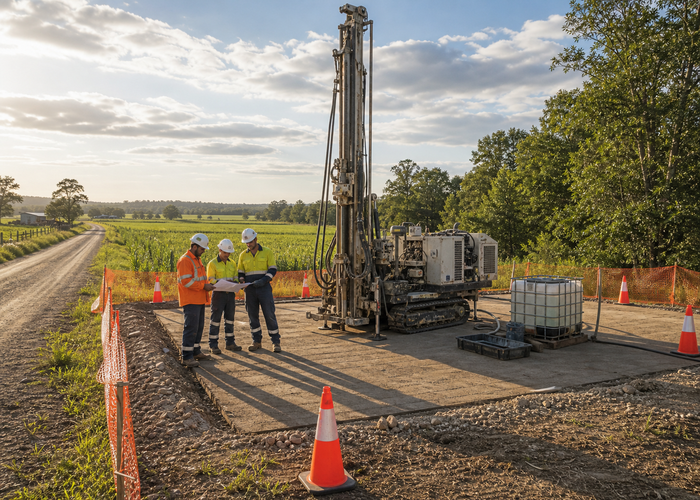
セットアップ中に警告サイン
安定剤を沈降させるための停止、未知のユーティリティ、不明瞭なハンドシグナル、漏れホース、不安定な台無し、安全でない傍観者、頭上の衝突、またはそうすべきではない場所での水の流れの設定上の問題であり、通常の不便さではありません。.
ボーリング孔での小さな作業でも重大なリスクが伴う可能性があります。乗組員は最初の 1 時間を、深度への競争ではなく、制御されたセットアップ期間として扱う必要があります。.
計画リソースとフィールドノート
内部計画については、QiLu Machinery のレビューをご覧ください 掘削リグのカテゴリ, すべての機械製品, 、 および 製品アプリケーション ソリューション 機器を現場の状況に合わせる前のページ。.
外部の安全状況については、サイトのメモを比較してください OSHA 建設 安全 資源, NIOSH 建設 リソース, 、 および USGS 地下水 情報 ボーリング孔の作業に水または土壌の決定が含まれる場合。.
短いサイト準備チェックリスト
掘削開始前に、アクセスルート、ユーティリティマーク、頭上クリアランス、レベルパッド、スタビライザーサポート、立ち入り禁止区域、水計画、戦利品管理、緊急アクセス、天候、乗組員の役割、工具、および停止信号を確認します。.
日常使用のための管理上の注意
管理者は、リグと一緒に移動するサイト準備フォームを保管する必要があります。フォームは、使用するのに十分な長さですが、承認されたアクセス、ユーティリティ チェック、パッドの状態、および立ち入り禁止区域の設定を示すのに十分なほど具体的である必要があります。.
各作業の後、何が乗組員を遅らせたかを確認してください。繰り返し発生するアクセスのトラブル、水質管理の問題、または不安定なパッドにより、将来の計画が変わるはずです。実際の作業から、より良い現場準備を学ぶことができます。.
フィールド シナリオ: チェックリストが勤務日をどのように変更するか
明確なスケジュールだが、漠然とした計画だけで到着するクルーを考えてみましょう機械は荷を下ろされ、オペレーターは作業エリアを見て、誰もがすぐに仕事が始まることを期待していますチェックリストがなければ、最初の決定は通常スピードです:材料を移動する、草を切る、ボアを開始する、または最初のパスを完了する チェックリストを使用すると、最初の決定は制御されますオペレーターは、機器をコミットする前に、表面、機械の状態、近くの人、取り付け状態、停止点を確認します。.
その違いは一日中変化します油圧が上がる前に緩いフィッティングが見つかります機械が横切る前に柔らかい肩がマークされますオペレータが逆転する前に傍観者のルートが移動します不良排出方向はガラスや車両、作業員に破片が届く前に修正されますこれらは普通の詳細ですが普通の詳細は多くの仕事の遅れが始まる場所です。.
優れたオペレーターは、検査を生産から分離したものとして扱わない 彼らは、最初のクリーンなセットアップが作業の一部であることを知っている ルート、アタッチメント、地面、または乗組員の通信が間違っている場合、とにかく生産は後で減速する チェックリストはその一時停止をより安全な瞬間に移動するだけです。.
オペレーターの通信と停止信号
すべての仕事には単純な停止信号が必要ですそれは手信号でも無線通話でもクラクション信号でも口頭での命令でも構いませんしかし現場にいる全員が機械が動く前にそれを理解する必要があります装置を操作する人はヘルパーがちょっとした調整を求めているのか即刻停止を求めているのかを推測する必要はないはずです。.
視界が限られている場合、コミュニケーションは特に重要です。バケツ、芝刈り機デッキ、掘削マスト、トレーラー、壁、低木、駐車車両、斜面はすべて死角を作ります。間違ったエリアに足を踏み入れたヘルパーは、最悪のタイミングで見えなくなる可能性があります。ヘルパーが立っている場所、信号伝達方法、作業ゾーンからいつ退出する必要があるかを定義します。.
作業中のメンテナンスの手がかり
一部の欠陥は負荷がかかっている場合にのみ発生します。ホースは駐車中は正常に見えるが、アタッチメントを持ち上げるとこすれる場合があります。ベルトはアイドル状態では正常に聞こえるかもしれませんが、長時間操作すると熱い香りがします。タイヤは店内の圧力を保持しますが、凹凸のある地面でサイドウォールの応力を示す場合があります。アクセスパッドは、振動、水、または繰り返しのパスが弱点を露呈するまで硬く見える場合があります。.
症状が現れたら平易な言葉で記録します機械が何をしていたのかどこで動いていたのかどんなアタッチメントがつながっていたのか地面がどう感じられたのか何が変わったのかを書きますこれらのメモは管理者が機械修理なのかオペレーターの訓練ポイントなのかルートの問題なのか設備と仕事の不一致なのか判断する手助けをします。.
過負荷をかけずに新しいオペレーターをトレーニングします
新しいオペレーターは、起こり得るすべての障害について講義する必要はありません。プレッシャーの下で覚えられる反復可能なルーチンが必要です。5 つのアンカーから始めます。機械の検査、作業エリアの検査、人の透明性の確認、動きのゆっくりとしたテスト、何かが変わったときの停止。オペレーターが経験を積むにつれて、より詳細なチェックを追加できます。.
経験豊富なオペレーターも、慣れによってリスクが隠される可能性があるため、書面によるルーチンの恩恵を受けます。同じ仕事を何年も完了した人は、地面の状態の変化、ピンの欠落、ブレードの鈍さ、ホースの緩み、またはアクセスルートの遮断をキャッチするステップをスキップできます。チェックリストは、スキルが注意せずに習慣化するのを防ぎます。.
実際に役立つ記録管理
有用な記録は長くする必要はありません 日付、オペレーター、機械、添付ファイル、サイト状態、実行された作業、異常な観察、およびフォローアップアクションは、多くの乗組員にとって十分です 重要な部分は記録を見直すことです ノートが誰も開かないバインダーに消えると、乗組員は自分自身の経験の価値を失います。.
週に1 回パターンを見直す 同じアタッチメントが接続が難しい場合は、ラッチと保管方法を検査する 雨の後に同じ領域が柔らかくなった場合は、排水を改善するか、ルートを変更する オペレータが振動を報告し続ける場合は、故障を待たない 繰り返されるメモは苦情ではありません; 彼らは早期警告です。.
より良いセットアップによるコスト管理
より良いセットアップは、多くの場合、静かにお金を節約しますそれは、損傷した芝生、壊れたホース、曲がったガード、無駄な移動時間、繰り返しの現場訪問、および緊急修理を削減しますそれはまた、完成した作業を保護します仕事は技術的に完了することができ、それでも、マシンがわだち、引き裂かれた草、散乱した戦利品、または損傷したエッジを後ろに残した場合、顧客を失望させます。.
機械の選択は重要ですが、機械の規律も重要です。最高の機器パッケージは、乗組員が一貫して検査、操作、サービス、文書化できるものです。そのため、購入者は、見出しの電力や容量だけを見るのではなく、仕様を実際の作業ルーチンと比較する必要があります。.
より多くの内部計画については、このトピックを比較してください QiLu 機械 製品 範囲, 製品アプリケーション ソリューション, 機械のブログです, 、および機械パッケージを選択する前の関連する製品カテゴリのページ。.
外部からの参照については、一般的な安全ガイダンスを保管してください オシャ, ニオシュ, 国家安全評議会, 、 および USDA NRCS オペレーターのトレーニングや現場の状況を確認する際に利用できます。.
最終開始前レビュー
最終審査は短く、クルーがいる場合は声に出して話し、実際の仕事に結び付けられるべきです 機械、アタッチメント、ルート、地面の状態、近くの人、緊急停止方法、および最初のタスクを確認する この最後の審査では、チェックされるのではなく想定された1 つの項目がキャッチされることがよくあります。.
購入および計画のコンテキストについては、オペレーターは現在のジョブを QiLu Machinery のジョブと比較することもできます 設備 申込ページ. 。このページは、特に 1 つのサイトでローダー、芝刈り機、トラクター、掘削機、掘削装置を一緒に使用する場合、日常の現場での使用とより広範な機械の選択を結び付けるのに役立ちます。.
良いクルーは全ての仕事から学びますセットアップがうまくいったらなぜうまくいったのかを記録しますセットアップが遅かったら遅延の原因を記録します機械が間違って感じたなら最初の瞬間を記録します機械が変わったときこれらの小さなメモは次オペレーターが同じ発見を繰り返すのではなくより良い情報から始めるのを助けます。.
ボーリング孔の仕事の後、復員する前にサイトを確認してください アクセスルートがしっかりしていたかどうか、水と戦利品が封じ込められていたかどうか、立ち入り禁止区域が機能したかどうか、作業中にユーティリティやオーバーヘッドの懸念が現れたかどうかを確認します これらのメモは、次の動員を改善し、乗組員が各仕事をゼロから始まるかのように扱うことを防ぐことができます。.
掘削作業員も短いクローズアウト写真セットの恩恵を受けます。パッド、スポイルエリア、復元されたアクセスルート、最終作業ゾーンを撮影します。これらの画像は、現場が管理された状態で放置されたことを確認するのに役立ち、後で同様の小さなボーリング孔での作業を計画する際に管理者に実用的な参考資料を提供します。.
この最終チェックにより、乗組員の効率と現場の品質の両方が保護されます。.
`n実用的なfaq
このガイドはどのように使用されるべきですか? オペレーターマニュアルや地域の安全規則とともに、現場計画の補助として使用します。正確な機械マニュアルは、サービス制限、液量、取り付け評価、およびシャットダウン手順を常に制御します。.
何が仕事を止めるべきですか? 不安定な取り扱い、ガードの損傷、ピンの欠落、ホースの漏れ、不透明な地面状態、作業エリア内の傍観者、またはオペレーターが説明できない警告のために停止します。.
小さなチームがどのようにルーチンを一貫性のあるものにできるでしょうか? 短いチェックリストを機械の近くに保管し、1 人を割り当てて毎週メモを確認し、繰り返される観察を修理、トレーニング、またはルート計画アクションに変えます。.
掘削リグの現場準備チェックリストは、結果の高い仕事の穏やかな部分です。アクセス、公共料金、パッドの安定性、水、戦利品、乗組員の役割が明確であれば、リグはより少ない驚きで動作できます。.