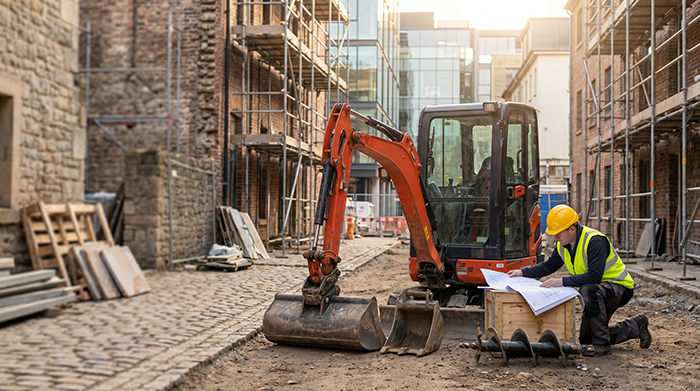
Selamat datang ke Shandong Qilu Industrial Co., Ltd

 Malay
Malay English
 Arabic
 Bulgarian
 Bengali
 Czech
Czech
 Danish
 German
 Greek
Greek
 Spanish
 Finnish
 French
 Hindi
Hindi
 Croatian
 Hungarian
 Indonesian
 Italian
 Japanese
 Korean
 Lithuanian
 Dutch
Dutch
 Norwegian
 Polish
 Portuguese
 Romanian
 Russian
 Slovak
 Slovenian
 Swedish
 Thai
Thai
 Turkish
 Ukrainian
 Vietnamese
 Tagalog
 Estonian
 Catalan
 Latvian
 Urdu
Urdu
 Serbian
 Persian
 Swahili
 Albanian
 Armenian
 Icelandic
 Bosnian
 Luxembourgish
 Afrikaans
Malay English
Arabic
Bulgarian
Bengali
Czech
Danish
German
Greek
Spanish
Finnish
French
Hindi
Croatian
Hungarian
Indonesian
Italian
Japanese
Korean
Lithuanian
Dutch
Norwegian
Polish
Portuguese
Romanian
Russian
Slovak
Slovenian
Swedish
Thai
Turkish
Ukrainian
Vietnamese
Tagalog
Estonian
Catalan
Latvian
Urdu
Serbian
Persian
Swahili
Albanian
Armenian
Icelandic
Bosnian
Luxembourgish
Afrikaans
Afrikaans
Malay English
Arabic
Bulgarian
Bengali
Czech
Danish
German
Greek
Spanish
Finnish
French
Hindi
Croatian
Hungarian
Indonesian
Italian
Japanese
Korean
Lithuanian
Dutch
Norwegian
Polish
Portuguese
Romanian
Russian
Slovak
Slovenian
Swedish
Thai
Turkish
Ukrainian
Vietnamese
Tagalog
Estonian
Catalan
Latvian
Urdu
Serbian
Persian
Swahili
Albanian
Armenian
Icelandic
Bosnian
Luxembourgish
Afrikaans
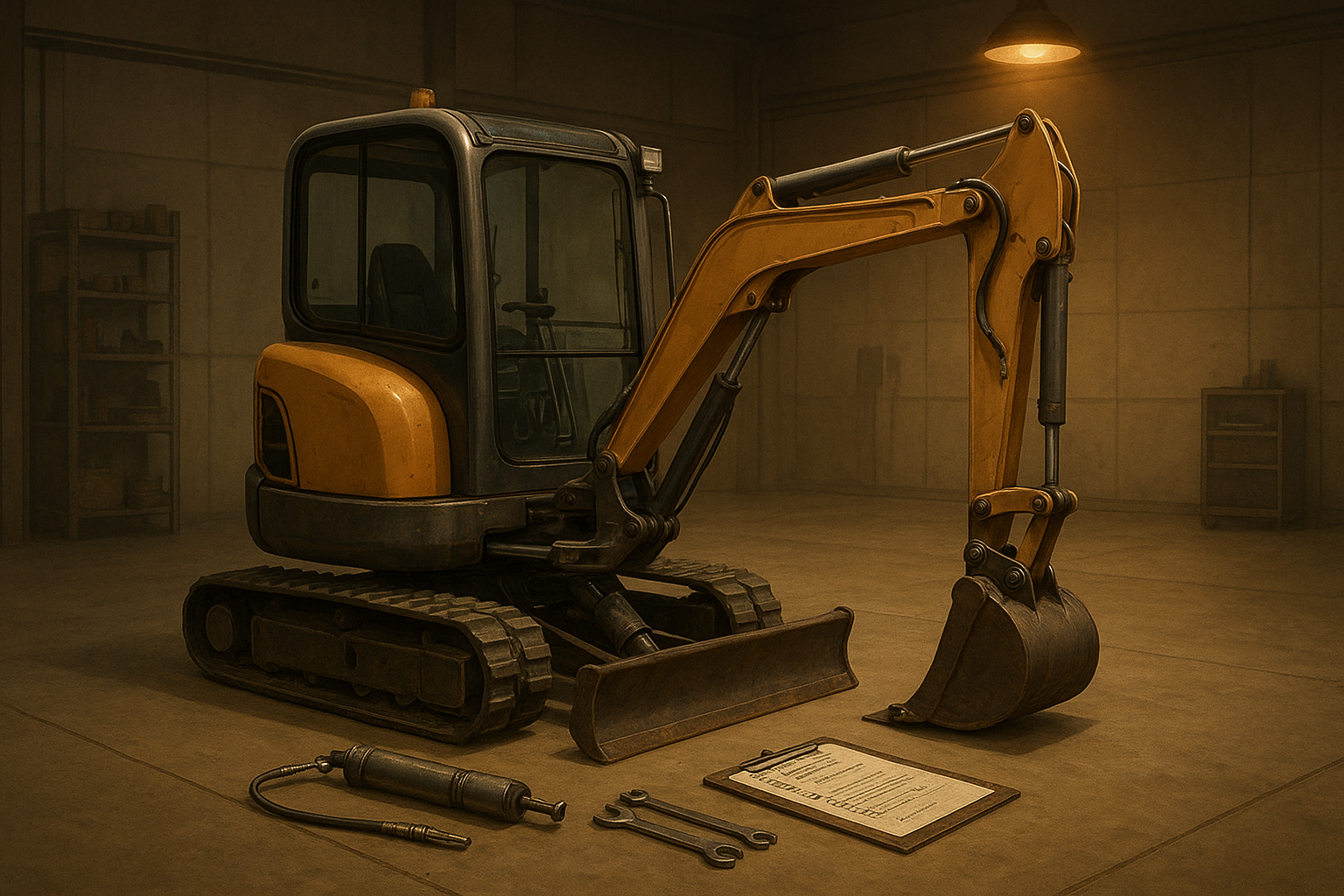
Cara Menggunakan Jengkaut untuk Kerja Perobohan yang Cekap
Perobohan jengkaut yang cekap bermula dengan perancangan yang teliti, persediaan mesin yang tepat dan protokol keselamatan yang ketat. Anda perlu memilih saiz dan lampiran jengkaut yang sesuai untuk projek anda, kemudian susun tapak kerja untuk menyokong aliran kerja dan pergerakan peralatan yang lancar. Sistem hidraulik yang boleh dipercayai memainkan peranan penting dalam mengekalkan produktiviti, kerana prestasi yang lemah atau kegagalan yang kerap boleh mengganggu garis masa dan meningkatkan kos.
Periksa sambungan dan lampiran hidraulik secara kerap untuk mengelakkan masa henti dan melindungi pelaburan anda.
Cara Menggunakan Jengkaut untuk Kerja Perobohan yang Cekap memerlukan anda menyelenggara peralatan, mengikut garis panduan keselamatan dan mendekati setiap langkah dengan perhatian terhadap perincian.
Pengambilan Utama
- Mulakan setiap projek perobohan dengan penilaian tapak yang teliti untuk mengenal pasti bahaya dan merancang keselamatan.
- Pilih saiz jengkaut yang betul dan lampiran berdasarkan keperluan projek untuk meningkatkan kecekapan dan mengurangkan risiko.
- Mengekalkan sistem hidraulik yang boleh dipercayai dengan menjalankan pemeriksaan berkala untuk mengelakkan masa henti dan memastikan operasi lancar.
- Wujudkan jelas laluan akses dan zon keselamatan di tapak kerja untuk melindungi pekerja dan peralatan semasa perobohan.
- Gunakan pemutus hidraulik dan grapple untuk mempercepatkan penyingkiran serpihan dan meminimumkan kerja manual semasa tugas perobohan.
- Laksanakan pendekatan sistematik untuk pengurusan serpihan, termasuk menyusun bahan di tapak untuk kitar semula dan pelupusan yang betul.
- Ikuti peraturan OSHA dan garis panduan pengilang untuk memastikan pematuhan dan meningkatkan keselamatan sepanjang proses perobohan.
- Menjalankan latihan dan taklimat keselamatan secara berkala untuk memastikan pasukan anda dimaklumkan dan bersedia menghadapi potensi bahaya di tapak kerja.
Persediaan untuk Perobohan
Penilaian Tapak
Mengenalpasti Risiko
Anda mesti memulakan setiap projek perobohan dengan penilaian tapak yang teliti. Langkah ini membantu anda mengenal pasti bahaya dan merancang untuk operasi yang selamat. Risiko biasa termasuk struktur yang tidak stabil, bahan berbahaya seperti asbestos dan kebimbangan alam sekitar.
- Nilaikan tapak kerja untuk bahaya keselamatan.
- Semak ketidakstabilan struktur dan kehadiran bahan berbahaya.
- Bangunkan pelan keselamatan berdasarkan penemuan anda.
Petua: Gunakan senarai semak untuk mendokumenkan setiap risiko yang anda kenal pasti. Amalan ini meningkatkan akauntabiliti dan menyokong pematuhan peraturan keselamatan.
Akses Perancangan
Perobohan yang cekap bergantung pada laluan akses yang jelas untuk jengkaut dan kenderaan sokongan anda. Anda harus memetakan pintu masuk dan keluar, dengan mengambil kira saiz peralatan anda dan lokasi cerucuk rosak.
- Menilai butiran struktur dan faktor persekitaran.
- Kenal pasti halangan seperti utiliti bawah tanah atau wayar atas.
- Rancang laluan yang meminimumkan gangguan dan memaksimumkan keselamatan.
Untuk panduan lanjut, semak semula Piawaian keselamatan penggalian OSHA dan berhubung dengan profesional industri di LinkedIn.
Pementasan Tapak Kerja
Menyusun Peralatan
Pementasan yang betul memastikan tapak perobohan anda cekap dan selamat. Letakkan jengkaut, lampiran dan cerucuk rosak sekurang-kurangnya dua kaki dari tepi penggalian, seperti yang dikehendaki oleh OSHA.
- Pilih lokasi optimum untuk peralatan dan bahan.
- Gunakan tali atau garisan cat untuk menandakan sempadan dan menjajarkan jentera.
- Ramalkan dan elakkan halangan bawah tanah dan atas kepala.
Menyediakan Zon Keselamatan
Wujudkan zon keselamatan untuk melindungi pekerja dan peralatan.
- Tandai kawasan larangan dengan kon atau penghadang.
- Menyampaikan sempadan kepada semua ahli pasukan.
- Pantau zon sepanjang projek untuk memastikan pematuhan.
Nota: Taklimat keselamatan yang kerap membantu mengukuhkan protokol dan mengurangkan kadar kemalangan.
Pemilihan Jengkaut
Memilih Saiz
Memilih model jengkaut yang betul adalah penting untuk kecekapan perobohan. Pertimbangkan skop projek anda dan jenis bahan yang akan anda hadapi.
- Pilih mesin dengan kawalan yang tepat dan rintangan getaran yang kuat.
- Pilih model perobohan khas apabila diperlukan untuk mengurangkan kerosakan sekunder.
Lampiran Padanan
Padankan jengkaut anda dengan lampiran yang sesuai dengan tugas perobohan anda. Semak jadual di bawah untuk kriteria utama:
| Kriteria | Penerangan |
|---|---|
| Keperluan Lampiran | Pastikan jengkaut menyokong alatan dan saiz yang diperlukan untuk projek anda. |
| Kebolehpercayaan dan Sokongan | Pilih mesin yang dibina untuk pekerjaan yang menuntut, dengan kestabilan dan jaminan. |
| Teknologi Terkini | Cari ciri seperti penimbangan beban dan telematik untuk operasi yang lebih baik. |
Anda boleh meningkatkan kecekapan dengan menggunakan aksesori pelbagai fungsi dan teknologi moden.
Kajian Kes: Mengenai projek perobohan sekolah baru-baru ini, pasukan mengenal pasti asbestos dan dinding tidak stabil semasa penilaian tapak. Mereka mengasingkan peralatan daripada bahaya dan memilih jengkaut dengan lengan jangkauan tinggi dan ricih hidraulik. Pendekatan ini meminimumkan risiko dan mengurangkan masa projek menjelang 20%.
Cara Menggunakan Jengkaut untuk Kerja Perobohan yang Cekap
Persediaan Mesin
Pemeriksaan Sistem Hidraulik
Anda mesti memeriksa sistem hidraulik sebelum memulakan sebarang kerja perobohan. Mulakan dengan memeriksa kebocoran, hos yang rosak dan kelengkapan longgar. Periksa tahap dan kualiti bendalir hidraulik. Bersihkan penapis dan gantikannya jika perlu. Uji sistem dengan mengayuh boom, lengan dan baldi untuk mengesahkan operasi lancar. Hidraulik yang boleh dipercayai memastikan kuasa yang konsisten dan kawalan yang tepat, yang penting untuk perobohan yang selamat dan cekap.
Petua: Jadualkan pemeriksaan hidraulik harian semasa fasa perobohan aktif untuk mengelakkan kerosakan yang tidak dijangka.
Pemasangan Lampiran
Pilih lampiran yang betul untuk tugas perobohan anda. Pilihan biasa termasuk pemutus hidraulik, gunting dan grapple. Lindungi lampiran pada pengganding jengkaut, kemudian sahkan semua pin dan kunci disambungkan. Sambungkan talian hidraulik dan periksa kebocoran. Uji pergerakan dan tindak balas lampiran sebelum memasuki zon kerja. Pemasangan yang betul mengurangkan masa henti dan meningkatkan produktiviti.
| Metrik Kecekapan | Penerangan | Nilai Sasaran |
|---|---|---|
| Masa Perubahan Lampiran | Masa untuk menukar lampiran | Bawah 10 minit |
| Insiden Kebocoran Hidraulik | Nombor setiap projek | Sifar |
| Kadar Kegagalan Lampiran | Kegagalan setiap 100 jam penggunaan | <1 |
Kedudukan
Menstabilkan Jengkaut
Letakkan jengkaut anda di atas tanah yang kukuh dan rata. Turunkan bilah atau cadik jika tersedia untuk meningkatkan kestabilan. Sentiasa gali pemalas hadapan untuk kapasiti angkat dan keseimbangan maksimum. Elakkan bekerja di cerun atau permukaan lembut yang mungkin beralih di bawah berat mesin. Penstabilan yang betul menghalang tipping dan memastikan pergerakan yang tepat.
Mengekalkan Jarak Selamat
Kekalkan jarak selamat dari struktur dan peralatan lain. Tandakan zon pengecualian dengan kon atau penghalang. Menyampaikan sempadan kepada semua ahli pasukan. Jauhkan cerucuk rampasan dan bahan yang dipentaskan dari jejari ayunan jengkaut. Jadual di bawah menggariskan amalan terbaik untuk kedudukan untuk memaksimumkan keselamatan dan kecekapan:
| Amalan Terbaik | Penerangan |
|---|---|
| Pentaskan kawasan kerja anda dengan betul | Sediakan kawasan kerja untuk mengelakkan jengkaut daripada berkotak-kotak. |
| Pilih jengkaut saiz yang betul | Pilih saiz yang sesuai untuk kerja untuk menjimatkan masa dan bahan api. |
| Pertimbangkan kedudukan trak dan jengkaut | Letakkan trak di sebelah kiri untuk pemuatan yang cekap dan hayunan 25 darjah. |
| Gali dari atas ke bawah | Bekerja secara beransur-ansur ke bawah untuk mengelakkan gua-in dan usaha yang sia-sia. |
| Gali di atas pemalas hadapan | Gali bahagian hadapan untuk kestabilan dan kapasiti angkat yang lebih baik. |
| Gunakan jengkaut dengan kawalan gred | Melaksanakan sistem kawalan untuk mengelakkan penggalian berlebihan/kurang dan menjimatkan sumber. |
Nota: Semakan Garis panduan OSHA untuk keperluan keselamatan tambahan. Untuk petua praktikal, ikuti pakar perobohan LinkedIn.
Perobohan Atas-Bawah
Urutan Tugasan
Cara Menggunakan Jengkaut untuk Kerja Perobohan yang Cekap melibatkan mengikut urutan yang sistematik. Anda harus:
- Mulakan perobohan dari tingkat atas.
- Runtuhkan setiap tingkat secara progresif satu demi satu.
- Alihkan peralatan, mesin dan tong sampah ke tingkat atas untuk penyingkiran sistematik.
- Jatuhkan serpihan melalui aci lif ke tong pengumpul sisa.
Pendekatan ini meminimumkan risiko dan memastikan tapak kerja teratur.
Mengekalkan Kestabilan Struktur
Anda mesti mengekalkan kestabilan struktur sepanjang perobohan. Gunakan jengkaut dengan lengan perobohan tiga bahagian untuk fleksibiliti dan jangkauan yang dipertingkatkan. Setiap bahagian lengan beroperasi dengan silinder hidraulik khusus, membenarkan kawalan tepat walaupun dilanjutkan sepenuhnya. Urus pusat graviti dengan menggerakkan setiap bahagian secara bebas, yang membantu mengimbangi mesin semasa operasi.
- Reka bentuk lengan tiga bahagian meningkatkan jangkauan dan fleksibiliti.
- Silinder hidraulik khusus memberikan kestabilan dan kawalan.
- Pergerakan bebas setiap bahagian meningkatkan keseimbangan dan keselamatan.
Makluman: Jangan sekali-kali tanggalkan dinding atau penyokong yang menanggung beban sehingga tingkat atas dibersihkan. Amalan ini menghalang keruntuhan secara tiba-tiba dan melindungi pasukan anda.
Kajian Kes: Perobohan Gudang Bandar
Krew perobohan menghadapi cabaran dengan gudang bertingkat di kawasan bandar yang sesak. Pasukan itu mengikuti prinsip Cara Menggunakan Jengkaut untuk Kerja Perobohan yang Cekap. Mereka bermula dengan pemeriksaan sistem hidraulik yang menyeluruh dan memasang lampiran ricih jangkauan tinggi. Jengkaut diletakkan di atas pad konkrit bertetulang, dengan cerucuk rampasan berperingkat jauh dari jejari ayunan. Krew menandakan zon keselamatan dan menyelaraskan dengan perniagaan berdekatan untuk mengekalkan laluan akses yang jelas.
Perobohan bermula dari tingkat atas, dengan serpihan dijatuhkan melalui aci yang ditetapkan. Lengan tiga bahagian membenarkan penyingkiran rasuk dan panel dengan tepat, mengekalkan kestabilan sepanjang. Pemeriksaan hidraulik harian dan pemeriksaan lampiran menghalang masa henti. Projek selesai lebih awal daripada jadual, dengan sifar insiden keselamatan dan pengurusan serpihan yang cekap.
Untuk lebih banyak contoh dunia sebenar, berhubung dengan profesional perobohan LinkedIn.
Protokol Operasi Selamat
Bahaya Biasa
Serpihan Jatuh
Anda menghadapi beberapa bahaya semasa perobohan jengkaut. Serpihan yang jatuh kekal sebagai salah satu bahaya yang paling kerap. Anda mesti sentiasa berwaspada terhadap bahan longgar, dinding runtuh dan objek atas. Risiko berikut sering muncul di tapak perobohan:
- Gua masuk
- Objek jatuh
- Suasana berbahaya
- Utiliti bawah tanah
- Kemalangan peralatan
- Isu kestabilan tanah
- Penebusan dan perangkap
- Keadaan cuaca buruk
- Talian utiliti tidak bertanda
- Trafik berdekatan
Sentiasa berwaspada dan pantau struktur untuk mengalihkan bahan. Tandakan zon berbahaya dan jauhkan kakitangan yang tidak dibenarkan dari kawasan perobohan yang aktif.
Ketidakstabilan Mesin
Ketidakstabilan mesin boleh menyebabkan tip atau kehilangan kawalan. Anda harus sentiasa memeriksa tanah untuk halangan tersembunyi dan isu kestabilan tanah sebelum beroperasi. Bentuk muka bumi yang tidak rata, tanah lembut dan lalu lintas berdekatan meningkatkan risiko kemalangan. Letakkan jengkaut anda di atas tanah yang kukuh, rata dan elakkan bekerja berhampiran cerun atau parit.
Nota: Periksa secara kerap utiliti bawah tanah dan talian tidak bertanda untuk mengelakkan tanah runtuh secara tiba-tiba.
Amalan Keselamatan
Penggunaan PPE
Peralatan pelindung diri (PPE) melindungi anda daripada kecederaan. Anda mesti memakai topi keras, jaket penglihatan tinggi, but kaki keluli, sarung tangan dan pelindung mata. Mandat PPE untuk semua anak kapal di tapak. Gear yang betul mengurangkan risiko kecederaan akibat serpihan, bunyi bising dan habuk.
Komunikasi
Komunikasi yang jelas memastikan pasukan anda selamat. Gunakan radio, isyarat tangan dan taklimat harian untuk menyelaraskan pergerakan dan berkongsi kemas kini. Tandakan kawasan kerja dengan kon dan papan tanda untuk mengelakkan kemasukan yang tidak diingini. Anda harus sentiasa memaklumkan pasukan anda tentang perubahan dalam pelan perobohan atau keadaan tapak.
| Amalan Keselamatan | Penerangan |
|---|---|
| Periksa Peralatan Anda Sebelum Mula Bekerja | Semak kerosakan atau operasi yang tidak normal sebelum memulakan syif anda. |
| Semak Tanah Sebelum Bekerja | Menilai rupa bumi untuk halangan tersembunyi untuk mengelakkan terbalik. |
- Pakai peralatan yang betul pada setiap masa.
- Periksa mesin dengan kerap.
- Sentiasa sedar tentang persekitaran anda.
Petua: Menjalankan taklimat keselamatan pada permulaan setiap syif. Memperkukuh protokol dan menggalakkan soalan untuk meningkatkan kesedaran pasukan.
Prosedur Kecemasan
Langkah Tutup
Anda mesti bersedia untuk kecemasan sebelum memulakan perobohan. Wujudkan proses penutupan yang jelas untuk jengkaut. Sekiranya berlaku kebakaran, kegagalan hidraulik atau keruntuhan struktur, ikut langkah ini:
- Hentikan semua pergerakan mesin dengan segera.
- Turunkan boom dan lampiran ke tanah.
- Matikan enjin dan putuskan sambungan sumber kuasa.
- Pindahkan pengendali dan anak kapal dari zon bahaya.
| Prosedur Keselamatan | Penerangan |
|---|---|
| Pemeriksaan Tapak | Kenal pasti bahaya seperti ketidakstabilan dan bahan berbahaya. |
| Pengenalan Bahaya | Tandakan lokasi asbestos dan cat berasaskan plumbum. |
| Pelan Keselamatan | Buat pelan terperinci berdasarkan pemeriksaan dan pengenalpastian bahaya. |
| Komunikasi | Pastikan komunikasi yang jelas tentang bahaya dan protokol. |
| Keperluan PPE | Mewajibkan peralatan yang sesuai untuk semua pekerja. |
| Latihan | Menyediakan latihan keselamatan untuk kegunaan peralatan. |
| Pemeriksaan Peralatan | Periksa semua peralatan perobohan dengan kerap. |
| Pengurusan sisa | Buang sisa perobohan dengan betul. |
| Halangan Keselamatan | Pasang penghalang dan papan tanda untuk menghalang akses tanpa kebenaran. |
| Penutupan Utiliti | Tutup semua utiliti sebelum perobohan. |
| Pertimbangan Alam Sekitar | Kurangkan habuk, bunyi bising dan pencemaran. |
| Pelan Tindak Balas Kecemasan | Wujudkan rancangan untuk kejadian yang tidak dijangka. |
Pertolongan Cemas
Sediakan peti pertolongan cemas dan latih pasukan anda dalam penjagaan kecemasan asas. Tetapkan orang yang bertanggungjawab untuk kecemasan dan paparkan maklumat hubungan mereka di tapak. Buat peta laluan melarikan diri dan carta aliran menyelamat untuk risiko biasa. Anda mesti menguasai proses tindak balas kecemasan jengkaut untuk situasi kritikal.
Makluman: Respons segera menyelamatkan nyawa. Amalkan latihan kecemasan setiap bulan dan kemas kini pelan anda mengikut keperluan.
Kajian Kes: Protokol Keselamatan dalam Tindakan
Krew perobohan bekerja di sayap hospital dengan dinding tidak stabil dan talian utiliti tersembunyi. Pasukan menjalankan pemeriksaan tapak yang teliti dan menandakan zon berbahaya. Setiap ahli memakai PPE penuh dan menghadiri taklimat keselamatan harian. Penyelia menggunakan radio untuk menyelaraskan pergerakan dan mengemas kini pasukan tentang perubahan keadaan. Apabila hos hidraulik pecah, pengendali mengikuti langkah penutupan dan mengosongkan kawasan tersebut. Pelan tindak balas kecemasan diaktifkan dengan cepat, dan pertolongan cemas diberikan dalam beberapa minit. Tiada kecederaan berlaku, dan projek selesai dengan selamat.
Untuk lebih banyak sumber keselamatan, lawati Laman web rasmi OSHA dan berhubung dengan profesional keselamatan di LinkedIn.
| Statistik Keselamatan | Nilai |
|---|---|
| Insiden dihalang | 100% |
| Kadar pematuhan PPE | 100% |
| Masa tindak balas kecemasan | Bawah 5 min |
Memaksimumkan Kecekapan
Penggunaan Lampiran
Pemutus Hidraulik
Anda boleh tingkatkan kelajuan perobohan dan ketepatan dengan menggunakan pemutus hidraulik. Lampiran ini memberikan tenaga berimpak tinggi, membolehkan anda memecahkan papak konkrit dan batu keras dengan cepat. Pemutus hidraulik mengatasi alat manual dalam kuasa dan serba boleh. Anda menyelesaikan tugas dalam masa yang singkat dan mengurangkan tekanan fizikal pada krew anda.
- Pemutus hidraulik memberikan tenaga impak yang lebih tinggi untuk hasil yang lebih pantas.
- Mereka menyesuaikan diri dengan pelbagai tugas perobohan, dari konkrit hingga batu.
- Pemutus berkuasa mesin mengurangkan kerja manual dan keletihan.
Grapples dan Gunting
Grapples dan gunting perobohan membantu anda mengendalikan serpihan besar atau tidak teratur dengan cekap. Grapples ambil dan alih barang besar, menjimatkan masa dan mengurangkan pengendalian manual. Gunting perobohan menggunakan rahang hidraulik untuk memecahkan dan membawa bahan, meminimumkan kerosakan pada peralatan lain.
Gunakan jadual di bawah untuk membandingkan lampiran jengkaut biasa untuk perobohan:
| Jenis Lampiran | Penerangan | Kelebihan |
|---|---|---|
| Gunting Perobohan | Rahang hidraulik untuk memecahkan dan membawa bahan. | Meningkatkan kecekapan, meminimumkan kerosakan peralatan. |
| Grapples | Merebut barang besar atau berbentuk aneh. | Menjimatkan masa, mengurangkan kerja manual. |
| Pulverizer | Menghancurkan konkrit bertetulang kepada kepingan yang lebih kecil. | Berguna untuk perobohan awal dan sekunder. |
| Pulverizer Berputar | Lebih ringan, direka untuk perobohan utama. | Mengurangkan keperluan jentera, menyokong amalan mesra alam. |
| Rippers | Pra-penggalian pada permukaan tegar. | Membolehkan pengasingan bahan yang disasarkan untuk kitar semula. |
| Pengapit Hidraulik | Cengkaman selamat menggunakan tekanan hidraulik. | Meningkatkan keselamatan, mengurangkan objek jatuh. |
Petua: Pilih lampiran berdasarkan jenis bahan projek anda dan matlamat perobohan.
Pengendalian Mesin
Pergerakan Lancar
Anda mencapai perobohan yang tepat dengan memfokuskan pada pergerakan jengkaut yang lancar dan terkawal. Gunakan kawalan hidraulik untuk tindakan yang beransur-ansur dan tepat. Kekalkan keseimbangan dengan beroperasi pada platform yang stabil dan mengehadkan penggalian di hadapan atau belakang mesin.
- Amalkan pergerakan beransur-ansur untuk kawalan yang lebih baik.
- Pastikan jengkaut stabil untuk penggalian yang cekap.
- Letakkan trak atau kontena berdekatan untuk meminimumkan jarak pergerakan.
Meminimumkan Masa Terbiar
Kurangkan masa terbiar untuk menjimatkan bahan api dan memanjangkan hayat peralatan. Mendidik pengendali tentang kos melahu enjin dan menggalakkan mematikan mesin yang tidak digunakan selama lebih daripada sepuluh saat. Gunakan sistem pemantauan untuk menjejak masa melahu dan melaraskan aliran kerja. Rancang projek untuk menggunakan bilangan mesin yang betul dan pilih model dengan teknologi henti mula automatik.
- Latih pengendali untuk meminimumkan melahu yang tidak perlu.
- Pantau masa terbiar untuk penambahbaikan yang disasarkan.
- Rancang kerja untuk mengelakkan kesesakan dan menunggu.
Pengurusan Serpihan
Bahan Isih
Pengisihan serpihan yang cekap memastikan tapak anda selamat dan teratur. Gunakan peralatan berjentera seperti kemudi tergelincir dan pemuat padat untuk mengisih serpihan dengan cepat. Elakkan pengisihan manual dengan kereta sorong, kerana ia memperlahankan kemajuan. Jauhkan kakitangan daripada menyusun kawasan untuk mengurangkan risiko kecederaan.
Pembersihan Tapak
Ikuti proses langkah demi langkah untuk pembersihan tapak yang menyeluruh:
- Keluarkan sisa perobohan pukal, menyusun bahan kitar semula.
- Kosongkan serpihan yang lebih kecil, seperti paku dan pendawaian.
- Buang bahan berbahaya dengan selamat dengan pasukan pengurangan yang diperakui.
- Tumbuhan yang jelas dan halangan semula jadi.
- Menjalankan pemeriksaan akhir untuk mengesahkan kesediaan tapak.
Nota: Kerja berpasukan dan komunikasi yang jelas meningkatkan aliran kerja dan keselamatan. Mengadakan taklimat harian dan menggunakan radio atau isyarat tangan untuk menyelaraskan tugas.
Kajian Kes: Perobohan Cekap dalam Amalan
Pasukan perobohan menghadapi tarikh akhir yang ketat di bangunan komersial. Mereka memilih pemutus hidraulik dan bergelut untuk penyingkiran serpihan pantas. Pengendali menggunakan pergerakan yang lancar, terkawal dan meminimumkan masa terbiar dengan menutup mesin semasa rehat. Pengisihan berjentera memastikan tapak bersih, dan taklimat harian memastikan semua orang memahami peranan mereka. Projek selesai lebih awal daripada jadual dengan pengurangan kos dan sifar insiden keselamatan.
Untuk lebih banyak amalan terbaik, lawati Sumber perobohan OSHA dan berhubung dengan profesional di LinkedIn.
Langkah-langkah Selepas Perobohan
Pemulihan Tapak
Pembersihan Akhir
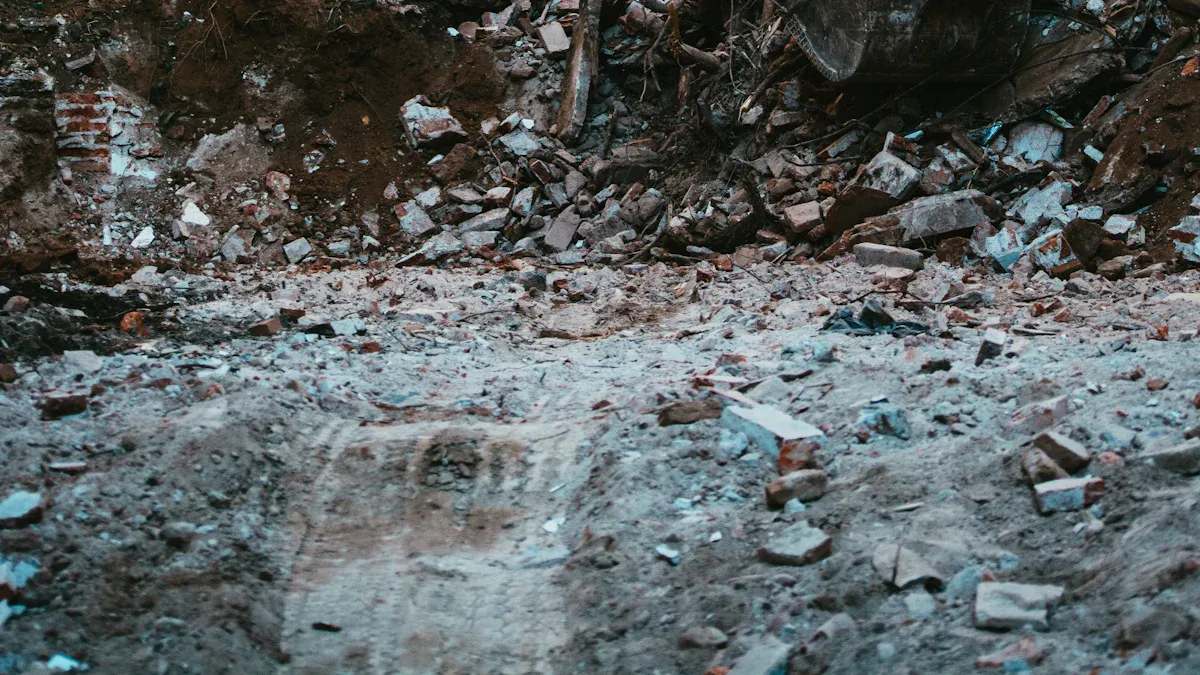
Anda mesti mendekati pembersihan akhir dengan pelan yang sistematik. Mulakan dengan menilai tapak untuk jenis dan kuantiti serpihan. Langkah ini membantu anda memilih alatan dan peralatan yang sesuai untuk penyingkiran yang cekap. Gunakan jengkaut untuk membersihkan serpihan besar, kemudian mengangkut sisa ke tapak pelupusan yang ditetapkan. Keluarkan sebarang sisa bahan dan sisa berbahaya untuk melindungi kesihatan dan keselamatan awam. Gred dan ratakan tanah untuk persediaan pembinaan atau landskap baharu.
Senarai Semak Pemulihan Tapak:
- Menilai serpihan dan merancang keperluan peralatan.
- Keluarkan serpihan besar dengan jentera berat.
- Mengangkut sisa ke kemudahan pelupusan yang diluluskan.
- Kosongkan sisa serpihan dan bahan berbahaya.
- Gred dan tingkatkan tapak untuk kegunaan masa hadapan.
Petua: Sentiasa sahkan bahawa sisa berbahaya telah dikendalikan oleh profesional bertauliah untuk mengelakkan isu kawal selia.
Pembaikan Tanah
Selepas penyingkiran serpihan, periksa tanah untuk kerosakan yang disebabkan oleh peralatan berat. Anda mungkin perlu mengisi lubang, tanah padat, dan memulihkan corak saliran. Gunakan lampiran penggredan untuk mencapai permukaan yang licin dan rata. Menangani sebarang hakisan atau pemadatan untuk memastikan tapak memenuhi keperluan untuk pembinaan baharu.
| Tugas Pembaikan Tanah | Penerangan | Alat yang disyorkan |
|---|---|---|
| Isi Trek Jengkaut | Pulihkan tanah dalam alur dan trek | Pemuat, Penggred |
| Tanah Longgar Padat | Meningkatkan kestabilan | Pemadat Plat |
| Pulihkan Saliran | Cegah pengumpulan air | Trencher, Penyodok |
Penyelenggaraan Peralatan
Pemeriksaan
Awak mesti periksa jengkaut anda selepas kerja perobohan. Periksa haus pada hos hidraulik, pin dan lampiran. Cari kebocoran, keretakan atau komponen longgar. Dokumen sebarang isu dan atasi sebelum projek seterusnya. Pemeriksaan harian membantu anda menangkap masalah lebih awal dan mengekalkan kebolehpercayaan.
Penjadualan Perkhidmatan
Penyelenggaraan tetap memastikan jengkaut anda berjalan dengan cekap. Anda harus memeriksa paras diesel, menggantikan penapis dan memantau penyejuk setiap hari. Gantikan bahagian haus mengikut keperluan dan ikut jadual perkhidmatan yang ketat. Jadual di bawah menggariskan rutin penyelenggaraan yang disyorkan:
| Tugas Penyelenggaraan | Kekerapan | Nota |
|---|---|---|
| Pengisian Bahan Bakar Diesel | Harian | Semak sebelum setiap syif |
| Penggantian Penapis | Mingguan | Periksa untuk tersumbat |
| Pemeriksaan Penyejuk | Harian | Tambah nilai mengikut keperluan |
| Pakai Penggantian Alat Ganti | Bulanan | Periksa kerosakan |
Nota: Penyelenggaraan yang konsisten mengurangkan masa henti dan memanjangkan hayat peralatan.
Kajian Kes: Kejayaan Penyelenggaraan Peralatan
Krew perobohan melaksanakan pemeriksaan harian dan perkhidmatan bulanan berjadual untuk jengkaut mereka. Mereka memeriksa diesel, penyejuk dan penapis setiap pagi. Pakai bahagian diganti sebelum gagal. Akibatnya, pasukan mengurangkan kerosakan sebanyak 30% dan menyiapkan projek lebih awal daripada jadual.
Untuk lebih banyak petua penyelenggaraan, berhubung dengan profesional di LinkedIn atau semak amalan terbaik daripada persatuan industri.
Dokumentasi
Rekod Tugas
Anda perlu menyimpan rekod terperinci bagi setiap tugas perobohan. Dokumen proses, bahan yang dialih keluar dan kaedah pelupusan. Pastikan semua permit ditutup dan mematuhi peraturan tempatan. Rekod yang tepat menyokong perancangan projek masa depan dan pematuhan peraturan.
Laporan Keselamatan
Sediakan laporan keselamatan akhir selepas setiap projek. Semak proses perobohan, perhatikan sebarang insiden dan nilai protokol keselamatan. Gunakan laporan ini untuk menambah baik operasi masa hadapan dan mengekalkan persekitaran kerja yang selamat.
- Tutup semua permit dan dokumen pematuhan.
- Rekod bahan yang dikeluarkan dan kaedah pelupusan.
- Semak protokol keselamatan dan tindak balas insiden.
Petua: Kongsi ulasan projek anda dengan pasukan dan rakan industri anda untuk menggalakkan peningkatan berterusan.
Untuk panduan lanjut tentang dokumentasi, lawati Sumber perobohan OSHA atau sertai perbincangan mengenai LinkedIn.
Pematuhan dan Tanggungjawab Alam Sekitar
Garis Panduan Pengilang
Pematuhan Manual
Anda mesti mengikut manual pengendalian pengilang untuk setiap projek perobohan jengkaut. Manual menyediakan arahan langkah demi langkah untuk operasi dan penyelenggaraan yang selamat. Sebelum memulakan kerja, periksa trek, periksa sistem hidraulik dan sahkan bahawa ciri keselamatan kabin berfungsi dengan baik. Keluarkan halangan dari tapak kerja dan periksa kestabilan tanah. Sentiasa pakai peralatan perlindungan dan biasakan diri anda dengan mod kawalan. Duduk dengan betul, pasangkan tali pinggang keledar anda dan selaraskan mesin semasa menggali. Kawal kelajuan anda di kawasan yang tidak rata dan periksa persekitaran anda sebelum memutar kabin. Jika anda mendengar bunyi yang tidak normal, hentikan operasi dan berehat untuk mengelakkan keletihan.
| Kategori | Perkara Utama |
|---|---|
| Pemeriksaan Peralatan | Periksa trek, periksa sistem hidraulik, pastikan ciri keselamatan kabin berfungsi. |
| Penilaian Tapak Kerja | Keluarkan halangan, periksa kestabilan tanah, sahkan ketiadaan kakitangan yang tidak dibenarkan. |
| Persediaan Peribadi | Pakai peralatan perlindungan, biasakan diri dengan mod kawalan. |
| Keselamatan Operasi Asas | Kekalkan kestabilan, duduk dengan betul, pasangkan tali pinggang keledar, pastikan penjajaran mesin semasa menggali. |
| Keselamatan Memandu | Kawal kelajuan di kawasan yang tidak rata, periksa persekitaran sebelum memutar kabin. |
| Pematuhan Kecemasan | Hentikan operasi untuk bunyi yang tidak normal, berehat untuk mengelakkan keletihan. |
Petua: Semak manual sebelum setiap projek baharu untuk sentiasa dikemas kini tentang protokol keselamatan dan perubahan operasi.
Had Waranti
Anda melindungi pelaburan anda dengan mematuhi had waranti. Kebanyakan pengeluar memerlukan anda mengikut jadual penyelenggaraan yang disyorkan dan menggunakan lampiran yang diluluskan. Jika anda mengabaikan garis panduan ini, anda berisiko membatalkan jaminan anda. Sentiasa mendokumenkan pemeriksaan dan pembaikan. Simpan rekod perubahan lampiran dan pemeriksaan sistem hidraulik. Amalan ini membantu anda menyelesaikan tuntutan waranti dengan cepat dan memastikan kebolehpercayaan peralatan jangka panjang.
Piawaian Undang-undang
Peraturan OSHA
Anda mesti mematuhi Peraturan OSHA semasa perobohan jengkaut. Peraturan ini menetapkan piawaian yang jelas untuk keselamatan pekerja dan prosedur operasi. Sebagai contoh, tiada pekerja boleh memasuki kawasan yang terjejas oleh perobohan semasa bola atau kerang. Berat bola perobohan tidak boleh melebihi separuh beban berkadar kren. Pastikan boom kren dan garis beban sesingkat mungkin. Pasang bola dengan sambungan jenis pusing untuk mengelakkan berpusing. Potong semua anggota keluli sebelum menarik dinding, dan tanggalkan kerja batu hiasan terlebih dahulu. Orang yang cekap mesti memeriksa tapak dengan kerap untuk mengesan bahaya.
| Standard | Penerangan |
|---|---|
| 1926.859(a) | Tiada pekerja dibenarkan di kawasan yang terjejas akibat perobohan operasi semasa bola atau kerang. |
| 1926.859(b) | Berat bola perobohan tidak boleh melebihi 50% daripada beban undian kren. |
| 1926.859(c) | Ledakan kren dan talian muatan hendaklah disimpan sesingkat mungkin. |
| 1926.859(d) | Bola mesti dipasang dengan sambungan jenis pusing untuk mengelakkan berpusing. |
| 1926.859(e) | Semua anggota keluli mesti dipotong bebas sebelum menarik dinding. |
| 1926.859(f) | Kerja batu hiasan mesti ditanggalkan sebelum menarik dinding. |
| 1926.859(g) | Pemeriksaan oleh orang yang kompeten mesti berterusan untuk mengesan bahaya. |
Nota: Pemeriksaan berkala dan pematuhan ketat kepada peraturan OSHA mengurangkan kadar kemalangan dan meningkatkan hasil projek.
Permit
Anda memerlukan permit yang betul sebelum memulakan perobohan. Ini termasuk kebenaran rasmi untuk mengalihkan struktur, perobohan lengkap atau separa, dan projek pembangunan semula. Jika anda bekerja pada hartanah bersejarah, anda mungkin memerlukan permit dan proses khas. Sentiasa berikan bukti pemotongan utiliti dan ulasan lengkap alam sekitar dan keselamatan untuk bahan berbahaya seperti asbestos.
| Jenis Permit | Penerangan |
|---|---|
| Permit Perobohan | Keizinan rasmi untuk mengalihkan struktur, memastikan keselamatan dan pematuhan undang-undang. |
| Pembuangan Struktur Lengkap | Diperlukan semasa merobohkan keseluruhan bangunan, termasuk asas. |
| Perobohan Struktur Separa | Diperlukan untuk mengalihkan bahagian struktur, mencetuskan pemeriksaan keselamatan. |
| Projek Pembangunan Semula | Diperlukan untuk membersihkan tapak untuk pembinaan atau pembesaran baharu. |
| Hartanah Bersejarah | Proses khas mungkin diperlukan untuk bangunan melebihi umur tertentu atau ditetapkan sebagai bersejarah. |
| Bukti Pemutus Utiliti | Diperlukan untuk memastikan semua utiliti diputuskan sambungan dengan selamat sebelum dirobohkan. |
| Kajian Alam Sekitar dan Keselamatan | Pemeriksaan untuk bahan berbahaya seperti asbestos mungkin diberi mandat sebelum kelulusan permit. |
Makluman: Lindungi semua permit sebelum menggerakkan peralatan untuk mengelakkan kelewatan yang mahal dan isu undang-undang.
Amalan Alam Sekitar
Pelupusan Bertanggungjawab
Anda mesti mewujudkan protokol pengisihan untuk pengasingan bahan di tapak. Isih serpihan perobohan sebelum dilupuskan dan pastikan bahan pergi ke syarikat pengurusan sisa berlesen. Bekerjasama dengan kemudahan kitar semula tempatan untuk memproses bahan dengan betul. Menjalankan penilaian pra-perobohan untuk mengenal pasti bahan yang boleh diselamatkan dan bahaya. Membangunkan pelan pengurusan sisa yang mengkategorikan bahan dan menggariskan laluan pemulihan, kitar semula dan pelupusan. Ikuti keperluan kawal selia semasa memuatkan, mengangkut dan menghantar bahan.
- Isih serpihan di tapak untuk kitar semula yang cekap.
- Gunakan syarikat pengurusan sisa berlesen.
- Bekerjasama dengan kemudahan kitar semula tempatan.
- Kenal pasti bahan yang boleh diselamatkan sebelum dirobohkan.
- Buat pelan pengurusan sisa yang komprehensif.
Petua: Pelupusan bertanggungjawab melindungi alam sekitar dan menyokong kesihatan masyarakat.
Meminimumkan Kesan
Anda boleh meminimumkan kesan alam sekitar dengan mempraktikkan pengurangan sumber dan menggunakan semula bahan. Gunakan tanah dan batu yang digali sebagai timbunan semula, dan gunakan semula bata dan konkrit lama. Kitar semula konkrit, asfalt dan logam untuk mengurangkan sisa tapak pelupusan. Gunakan teknik penindasan habuk dan peralatan moden dengan kawalan pelepasan untuk meminimumkan pencemaran udara. Laksanakan langkah kawalan hakisan dan kendalikan bahan berbahaya dengan betul untuk melindungi kualiti tanah dan air. Gunakan peralatan pengurangan hingar dan tetapkan had waktu kerja untuk mengawal bunyi dan getaran. Menilai tapak untuk spesies yang dilindungi dan bekerjasama dengan pakar alam sekitar untuk membangunkan strategi pemeliharaan.
- Amalkan pengurangan sumber dan perobohan terpilih.
- Guna semula dan kitar semula bahan apabila boleh.
- Gunakan penindasan habuk dan kawalan pelepasan.
- Lindungi habitat tanah, air dan hidupan liar.
- Gunakan langkah kawalan bunyi dan getaran.
Nota: Amalan perobohan mampan mengurangkan jejak alam sekitar projek anda dan menyokong pematuhan peraturan.
Anda mencapai perobohan jengkaut yang cekap dan selamat dengan mengikuti langkah-langkah utama. Kenal pasti bahaya seperti utiliti bawah tanah sebelum kerja bermula. Biasakan diri anda dengan prosedur penutupan kecemasan untuk tindak balas yang cepat. Mengupah profesional terlatih untuk memastikan pematuhan dan keselamatan. Mengekalkan peralatan, ikut garis panduan pengilang, dan mematuhi piawaian undang-undang. Menyediakan latihan dan bengkel tetap untuk memastikan pasukan anda mahir. Wujudkan saluran komunikasi yang kukuh dan galakkan inovasi untuk penambahbaikan berterusan.
FAQ
Apakah peralatan keselamatan yang perlu anda pakai semasa perobohan jengkaut?
Anda mesti memakai topi keras, but kaki keluli, jaket penglihatan tinggi, sarung tangan dan pelindung mata. Item ini melindungi anda daripada serpihan yang jatuh dan bahaya mesin.
Bagaimanakah anda memilih lampiran jengkaut yang sesuai untuk perobohan?
Anda harus menilai jenis bahan dan skop perobohan. Pemutus hidraulik berfungsi paling baik untuk konkrit. Grapples dan gunting mengendalikan serpihan besar. Rujuk manual peralatan anda untuk keserasian.
Apakah langkah yang membantu mengelakkan mesin terbalik di atas tanah yang tidak rata?
Anda perlu meletakkan jengkaut di atas tanah yang kukuh dan rata. Turunkan bilah atau cadik untuk kestabilan. Elakkan bekerja berhampiran cerun atau parit. Sentiasa periksa tanah sebelum memulakan.
Bagaimanakah anda boleh meminimumkan habuk dan bunyi semasa perobohan?
Anda harus menggunakan semburan air untuk menyekat habuk. Jadualkan kerja pada waktu yang dibenarkan. Pilih peralatan dengan ciri mengurangkan bunyi. Berkomunikasi dengan jiran untuk mengurangkan aduan.
Apakah cara terbaik untuk menguruskan serpihan perobohan dengan cekap?
Anda mesti mengisih bahan di tapak menggunakan pemuat berjentera. Asingkan kitar semula daripada sisa. Mengangkut serpihan ke kemudahan berlesen. Taklimat harian membantu menyelaraskan tugas pembersihan.
Berapa kerap anda perlu memeriksa jengkaut anda semasa projek?
Anda harus memeriksa jengkaut setiap hari. Periksa hos hidraulik, paras bendalir dan lampiran sebelum setiap syif. Dokumen isu dan menanganinya dengan segera untuk mengelakkan kerosakan.
Apakah prosedur kecemasan yang perlu anda ikuti jika hos hidraulik pecah?
Anda mesti menghentikan semua pergerakan mesin. Turunkan boom dan lampiran. Matikan enjin. Kosongkan kawasan tersebut. Maklumkan penyelia anda dan ikut pelan tindak balas kecemasan tapak.
Bolehkah anda berkongsi kajian kes tentang perobohan jengkaut yang cekap?
Satu pasukan merobohkan gudang bertingkat dengan bermula dari tingkat atas. Mereka menggunakan ricih jangkauan tinggi dan taklimat keselamatan harian. Pengisihan serpihan yang cekap dan pemeriksaan mesin membantu menyelesaikan lebih awal daripada jadual dengan sifar insiden.