Karibu Shandong Qilu Industrial Co., Ltd

 Swahili
 English
 Arabic
 Bulgarian
 Bengali
 Czech
Czech
 Danish
 German
 Greek
Greek
 Spanish
 Finnish
 French
 Hindi
Hindi
 Croatian
 Hungarian
 Indonesian
 Italian
 Japanese
 Korean
 Lithuanian
 Dutch
Dutch
 Norwegian
 Polish
 Portuguese
 Romanian
 Russian
 Slovak
 Slovenian
 Swedish
 Thai
Thai
 Turkish
 Ukrainian
 Vietnamese
 Tagalog
 Malay
Malay
 Estonian
 Catalan
 Latvian
 Urdu
Urdu
 Serbian
 Persian
 Albanian
 Armenian
 Icelandic
 Bosnian
 Luxembourgish
 Afrikaans
Swahili English
Arabic
Bulgarian
Bengali
Czech
Danish
German
Greek
Spanish
Finnish
French
Hindi
Croatian
Hungarian
Indonesian
Italian
Japanese
Korean
Lithuanian
Dutch
Norwegian
Polish
Portuguese
Romanian
Russian
Slovak
Slovenian
Swedish
Thai
Turkish
Ukrainian
Vietnamese
Tagalog
Malay
Estonian
Catalan
Latvian
Urdu
Serbian
Persian
Albanian
Armenian
Icelandic
Bosnian
Luxembourgish
Afrikaans
Afrikaans
Swahili English
Arabic
Bulgarian
Bengali
Czech
Danish
German
Greek
Spanish
Finnish
French
Hindi
Croatian
Hungarian
Indonesian
Italian
Japanese
Korean
Lithuanian
Dutch
Norwegian
Polish
Portuguese
Romanian
Russian
Slovak
Slovenian
Swedish
Thai
Turkish
Ukrainian
Vietnamese
Tagalog
Malay
Estonian
Catalan
Latvian
Urdu
Serbian
Persian
Albanian
Armenian
Icelandic
Bosnian
Luxembourgish
Afrikaans
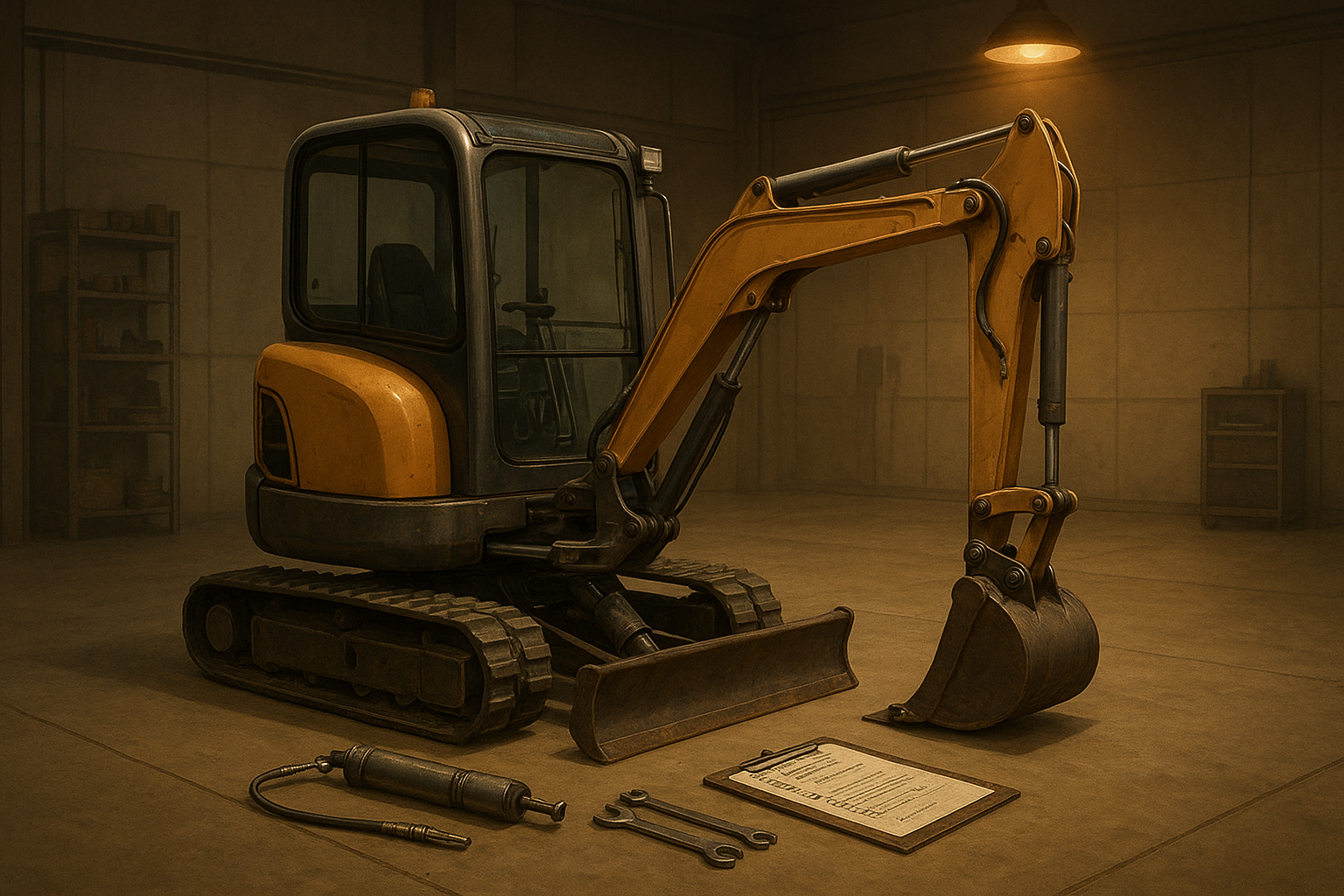
Jinsi ya Kutumia Excavator kwa Kazi Bora ya Ubomoaji
Ubomoaji mzuri wa mchimbaji huanza na upangaji makini, usanidi sahihi wa mashine, na itifaki kali za usalama. Unahitaji kuchagua saizi sahihi ya mchimbaji na viambatisho vya mradi wako, kisha upange tovuti ya kazi ili kusaidia utiririshaji laini wa kazi na harakati za vifaa. Mifumo ya kuaminika ya majimaji chukua jukumu muhimu katika kudumisha tija, kwani utendakazi duni au kushindwa mara kwa mara kunaweza kutatiza ratiba na kuongeza gharama.
Kagua mara kwa mara miunganisho ya majimaji na viambatisho ili kuzuia muda wa kupumzika na kulinda uwekezaji wako.
Jinsi ya Kutumia Kichimbaji kwa Kazi Bora ya Ubomoaji inakuhitaji kudumisha vifaa, kufuata miongozo ya usalama, na kukaribia kila hatua kwa kuzingatia undani.
Kuchukua njia muhimu
- Anza kila mradi wa ubomoaji kwa tathmini ya kina ya tovuti ili kutambua hatari na mpango wa usalama.
- Chagua ukubwa wa mchimbaji wa kulia na viambatisho kulingana na mradi vinahitaji ili kuongeza ufanisi na kupunguza hatari.
- Kudumisha mfumo wa majimaji wa kuaminika kwa kufanya ukaguzi wa mara kwa mara ili kuzuia wakati wa kupumzika na kuhakikisha uendeshaji mzuri.
- Anzisha wazi njia za ufikiaji na maeneo ya usalama kwenye tovuti ya kazi kulinda wafanyakazi na vifaa wakati wa uharibifu.
- Tumia vivunja majimaji na mapambano ili kuharakisha uondoaji wa uchafu na kupunguza kazi ya mikono wakati wa kazi za ubomoaji.
- Tekeleza mbinu ya kimfumo ya udhibiti wa uchafu, ikijumuisha kupanga nyenzo kwenye tovuti kwa ajili ya kuchakata tena na utupaji ufaao.
- Fuata kanuni za OSHA na miongozo ya watengenezaji ili kuhakikisha utiifu na kuimarisha usalama katika mchakato wote wa ubomoaji.
- Fanya muhtasari wa mara kwa mara wa mafunzo na usalama ili kuarifu timu yako na kujiandaa kwa hatari zinazoweza kutokea kwenye tovuti ya kazi.
Maandalizi ya Ubomoaji
Tathmini ya Tovuti
Kutambua Hatari
Lazima uanze kila mradi wa ubomoaji na tathmini ya kina ya tovuti. Hatua hii hukusaidia kutambua hatari na mpango wa shughuli salama. Hatari za kawaida ni pamoja na miundo isiyo imara, nyenzo hatari kama vile asbesto, na masuala ya mazingira.
- Tathmini eneo la kazi kwa hatari za usalama.
- Angalia kutokuwa na utulivu wa muundo na uwepo wa vifaa vya hatari.
- Tengeneza mpango wa usalama kulingana na matokeo yako.
Kidokezo: Tumia orodha ya kukagua kuandika kila hatari unayotambua. Zoezi hili huboresha uwajibikaji na kuunga mkono utiifu wa kanuni za usalama.
Ufikiaji wa Mipango
Ubomoaji mzuri unategemea njia wazi za ufikiaji kwa mchimbaji wako na magari ya usaidizi. Unapaswa kupanga maeneo ya kuingilia na kutoka, kwa kuzingatia ukubwa wa kifaa chako na eneo la milundo ya nyara.
- Tathmini maelezo ya kimuundo na mambo ya mazingira.
- Tambua vizuizi kama vile huduma za chini ya ardhi au waya za juu.
- Panga njia zinazopunguza usumbufu na kuongeza usalama.
Kwa mwongozo zaidi, kagua Viwango vya usalama vya uchimbaji wa OSHA’s na unganisha na wataalamu wa tasnia LinkedIn.
Hatua ya Tovuti ya Kazi
Vifaa vya Kuandaa
Hatua ifaayo huweka tovuti yako ya ubomoaji kwa ufanisi na salama. Weka vichimbaji, viambatisho, na nyara mirundo angalau futi mbili kutoka kingo za uchimbaji, kama inavyotakiwa na OSHA.
- Chagua maeneo bora kwa vifaa na vifaa.
- Tumia mistari ya kamba au rangi ili kuweka alama kwenye mipaka na kupanga mashine.
- Tabiri na epuka vikwazo vya chini ya ardhi na vya juu.
Kuweka Maeneo ya Usalama
Anzisha maeneo ya usalama ili kulinda wafanyikazi na vifaa.
- Weka alama maeneo yenye vikwazo na koni au vizuizi.
- Tembelea mipaka kwa washiriki wote wa timu.
- Fuatilia maeneo katika mradi wote ili kuhakikisha utiifu.
Kumbuka: Muhtasari wa usalama wa mara kwa mara husaidia kuimarisha itifaki na kupunguza viwango vya ajali.
Uchaguzi wa Excavator
Kuchagua Ukubwa
Kuchagua mfano sahihi wa mchimbaji ni muhimu kwa ufanisi wa uharibifu. Fikiria upeo wa mradi wako na aina za vifaa utakavyokutana navyo.
- Chagua mashine zilizo na udhibiti sahihi na upinzani mkali wa vibration.
- Chagua mifano maalum ya uharibifu inapohitajika ili kupunguza uharibifu wa pili.
Viambatisho vinavyolingana
Linganisha mchimbaji wako na viambatisho vinavyolingana na kazi zako za ubomoaji. Kagua jedwali hapa chini kwa vigezo muhimu:
| Vigezo | Maelezo |
|---|---|
| Mahitaji ya Kiambatisho | Hakikisha mchimbaji anaunga mkono zana na ukubwa unaohitajika kwa mradi wako. |
| Kuegemea na Msaada | Chagua mashine zilizojengwa kwa kazi zinazohitaji sana, zenye uthabiti na dhamana. |
| Teknolojia ya Hivi Punde | Tafuta vipengele kama vile uzani wa mzigo na telematiki kwa utendakazi bora. |
Unaweza kuboresha ufanisi kwa kutumia vifaa vya kazi nyingi na teknolojia ya kisasa.
Uchunguzi kifani: Katika mradi wa hivi majuzi wa ubomoaji wa shule, timu ilitambua asbesto na kuta zisizo imara wakati wa tathmini ya tovuti. Walipanga vifaa mbali na hatari na kuchagua mchimbaji kwa mkono wa juu na shear ya majimaji. Mbinu hii ilipunguza hatari na kupunguza muda wa mradi kufikia 20%.
Jinsi ya Kutumia Excavator kwa Kazi Bora ya Ubomoaji
Kuweka Mashine
Ukaguzi wa Mfumo wa Hydraulic
Lazima ukague mfumo wa majimaji kabla ya kuanza kazi yoyote ya uharibifu. Anza kwa kuangalia uvujaji, hoses zilizoharibiwa, na vifaa vilivyolegea. Chunguza kiwango cha maji ya majimaji na ubora. Safisha vichujio na ubadilishe ikiwa ni lazima. Jaribu mfumo kwa kuendesha baiskeli boom, mkono, na ndoo ili kuthibitisha uendeshaji laini. Hidroli zinazotegemewa huhakikisha nguvu thabiti na udhibiti sahihi, ambao ni muhimu kwa uharibifu salama na mzuri.
Kidokezo: Ratiba ukaguzi wa kila siku wa majimaji wakati wa awamu za ubomoaji zinazoendelea ili kuzuia milipuko isiyotarajiwa.
Ufungaji wa Kiambatisho
Chagua kiambatisho sahihi kwa kazi yako ya ubomoaji. Chaguo za kawaida ni pamoja na vivunja majimaji, shears, na kukabiliana. Salama kiambatisho kwa kiunganishi cha mchimbaji, kisha uthibitishe pini na kufuli zote zimehusika. Unganisha mistari ya majimaji na uangalie uvujaji. Jaribu kiambatisho kinaendelea harakati na majibu kabla ya kuingia eneo la kazi. Ufungaji sahihi hupunguza muda wa kupumzika na huongeza tija.
| Kipimo cha Ufanisi | Maelezo | Thamani Lengwa |
|---|---|---|
| Kiambatisho Badilisha Wakati | Wakati wa kubadilishana viambatisho | Chini ya dakika 10 |
| Matukio ya Kuvuja kwa Hydraulic | Nambari kwa kila mradi | Sifuri |
| Kiwango cha Kushindwa kwa Kiambatisho | Kushindwa kwa saa 100 za matumizi | <1 |
Positioning
Excavator ya utulivu
Weka mchimbaji wako kwenye ardhi thabiti, sawa. Punguza blade au vichochezi ikiwa inapatikana ili kuongeza uthabiti. Daima chimba juu ya wavivu wa mbele kwa uwezo wa juu wa kuinua na usawa. Epuka kufanya kazi kwenye miteremko au nyuso laini ambazo zinaweza kuhama chini ya uzito wa mashine. Uimarishaji sahihi huzuia kudokeza na kuhakikisha mienendo sahihi.
Kudumisha Umbali Salama
Kudumisha umbali salama kutoka kwa miundo na vifaa vingine. Weka alama maeneo ya kutengwa na koni au vizuizi. Tembelea mipaka kwa washiriki wote wa timu. Weka milundo ya nyara na nyenzo zilizowekwa mbali na eneo la bembea la mchimbaji. Jedwali hapa chini linaonyesha mbinu bora za kuweka nafasi ili kuongeza usalama na ufanisi:
| Mazoezi Bora | Maelezo |
|---|---|
| Tenga eneo lako la kazi kwa usahihi | Weka eneo la kazi ili kuzuia mchimbaji asiingizwe ndani. |
| Chagua mchimbaji wa ukubwa unaofaa | Chagua saizi inayofaa kwa kazi ili kuokoa wakati na mafuta. |
| Fikiria nafasi ya lori na mchimbaji | Weka lori upande wa kushoto kwa upakiaji mzuri na swing ya digrii 25. |
| Chimbua kutoka juu kwenda chini | Fanya kazi hatua kwa hatua kuelekea chini ili kuepuka kuingia kwenye mapango na kupoteza juhudi. |
| Chimba juu ya wavivu wa mbele | Chimba mbele kwa utulivu bora na uwezo wa kuinua. |
| Tumia wachimbaji na udhibiti wa daraja | Tekeleza mifumo ya udhibiti ili kuzuia kuchimba zaidi/chini na kuokoa rasilimali. |
Kumbuka: Kagua Miongozo ya OSHA’s kwa mahitaji ya ziada ya usalama. Kwa vidokezo vya vitendo, fuata wataalam wa uharibifu LinkedIn.
Ubomoaji wa Juu-Chini
Mlolongo wa Kazi
Jinsi ya Kutumia Excavator kwa Kazi Bora ya Ubomoaji inahusisha kufuata mlolongo wa utaratibu. Unapaswa:
- Anza uharibifu kutoka ngazi ya juu ya sakafu.
- Hatua kwa hatua kubomoa kila sakafu moja baada ya nyingine.
- Sogeza vifaa, mashine, na mapipa ya taka hadi ghorofa ya juu ili kuondolewa kwa utaratibu.
- Tone uchafu kupitia shimoni la kuinua hadi kwenye pipa la kukusanya taka.
Mbinu hii inapunguza hatari na kuweka tovuti ya kazi kupangwa.
Kudumisha Uthabiti wa Muundo
Lazima udumishe uthabiti wa muundo wakati wote wa uharibifu. Tumia wachimbaji walio na mkono wa kubomoa wa sehemu tatu kwa unyumbulifu ulioimarishwa na ufikie. Kila sehemu ya mkono hufanya kazi na mitungi maalum ya majimaji, ikiruhusu udhibiti sahihi hata wakati umepanuliwa kikamilifu. Kusimamia katikati ya mvuto kwa kusonga kila sehemu kwa kujitegemea, ambayo husaidia kusawazisha mashine wakati wa operesheni.
- Muundo wa mkono wa sehemu tatu huongeza ufikiaji na kubadilika.
- Mitungi ya majimaji iliyojitolea hutoa utulivu na udhibiti.
- Harakati huru ya kila sehemu inaboresha usawa na usalama.
Tahadhari: Usiondoe kuta au vihimili vya kubeba mzigo hadi sakafu ya juu isafishwe. Zoezi hili huzuia kuporomoka kwa ghafla na kulinda timu yako.
Uchunguzi kifani: Ubomoaji wa Ghala la Mjini
Kikosi cha ubomoaji kilikabiliwa na changamoto na ghala la orofa nyingi katika eneo la mijini lenye watu wengi. Timu ilifuata kanuni za Jinsi ya Kutumia Excavator kwa Kazi Bora ya Ubomoaji. Walianza na ukaguzi wa kina wa mfumo wa majimaji na kusakinisha kiambatisho cha shear cha ufikiaji wa juu. Mchimbaji aliwekwa kwenye pedi za zege zilizoimarishwa, na milundo ya nyara iliyopangwa mbali na eneo la bembea. Wafanyakazi waliweka alama za maeneo ya usalama na kuratibiwa na biashara zilizo karibu ili kudumisha njia wazi za ufikiaji.
Ubomoaji ulianza kutoka ghorofa ya juu, na uchafu umeshuka kupitia shimoni iliyowekwa. Mkono wa sehemu tatu uliruhusu kuondolewa kwa usahihi kwa mihimili na paneli, kudumisha utulivu kote. Ukaguzi wa kila siku wa majimaji na ukaguzi wa viambatisho ulizuia muda wa kupumzika. Mradi ulikamilika kabla ya ratiba, na matukio ya usalama sifuri na usimamizi bora wa uchafu.
Kwa mifano zaidi ya ulimwengu halisi, unganisha na wataalamu wa ubomoaji LinkedIn.
Itifaki za Operesheni Salama
Hatari za Kawaida
Vifusi vinavyoanguka
Unakabiliwa na hatari kadhaa wakati wa uharibifu wa kuchimba. Vifusi vinavyoanguka vinabaki kuwa moja ya hatari za mara kwa mara. Lazima ubaki macho kwa nyenzo zisizo huru, kuta zinazoanguka, na vitu vya juu. Hatari zifuatazo mara nyingi huonekana kwenye tovuti za uharibifu:
- Pango-ndani
- Vitu vinavyoanguka
- Mazingira hatarishi
- Huduma za chini ya ardhi
- Ajali za vifaa
- Masuala ya utulivu wa udongo
- Kumezwa na kunaswa
- Hali mbaya ya hali ya hewa
- Mistari ya matumizi isiyo na alama
- Trafiki iliyo karibu
Kaa macho na ufuatilie muundo wa vifaa vya kuhama. Weka alama maeneo hatarishi na uweke wafanyikazi wasioidhinishwa mbali na maeneo yanayoendelea ya ubomoaji.
Usakinishaji wa Mashine
Kukosekana kwa utulivu wa mashine kunaweza kusababisha kudokeza au kupoteza udhibiti. Unapaswa kukagua ardhi kila wakati kwa vizuizi vilivyofichwa na maswala ya uthabiti wa udongo kabla ya kufanya kazi. Mandhari isiyo sawa, udongo laini, na trafiki iliyo karibu huongeza hatari ya ajali. Weka mchimbaji wako kwenye ardhi thabiti, iliyo sawa na uepuke kufanya kazi karibu na miteremko au mitaro.
Kumbuka: Angalia mara kwa mara huduma za chini ya ardhi na mistari isiyo na alama ili kuzuia kuanguka kwa ghafla kwa ardhi.
Mazoea ya Usalama
PPE Matumizi
Vifaa vya kinga ya kibinafsi (PPE) hukulinda kutokana na majeraha. Lazima uvae kofia ngumu, fulana inayoonekana sana, buti za vidole vya chuma, glavu na ulinzi wa macho. Mamlaka ya PPE kwa wafanyakazi wote kwenye tovuti. Gia sahihi hupunguza hatari ya kuumia kutokana na uchafu, kelele na vumbi.
Mawasiliano
Mawasiliano ya wazi huweka timu yako salama. Tumia redio, mawimbi ya mikono, na muhtasari wa kila siku ili kuratibu mienendo na kushiriki masasisho. Weka alama maeneo ya kazi kwa koni na alama ili kuzuia kuingia kusikotakikana. Unapaswa kufahamisha timu yako kila wakati kuhusu mabadiliko katika mpango wa ubomoaji au hali ya tovuti.
| Mazoezi ya Usalama | Maelezo |
|---|---|
| Kagua Vifaa vyako Kabla ya Kuanza Kazi | Angalia uharibifu au operesheni isiyo ya kawaida kabla ya kuanza zamu yako. |
| Angalia Ardhi Kabla ya Kufanya Kazi | Tathmini ardhi ya eneo kwa vizuizi vilivyofichwa ili kuzuia kupinduka. |
- Vaa gia sahihi wakati wote.
- Kagua mashine mara kwa mara.
- Endelea kufahamu mazingira yako.
Kidokezo: Fanya muhtasari wa usalama mwanzoni mwa kila zamu. Imarisha itifaki na uhimize maswali ili kuboresha ufahamu wa timu.
Taratibu za Dharura
Hatua za Kuzima
Lazima ujitayarishe kwa dharura kabla ya kuanza uharibifu. Anzisha mchakato wazi wa kuzima kwa mchimbaji. Katika kesi ya moto, kushindwa kwa majimaji, au kuanguka kwa muundo, fuata hatua hizi:
- Acha harakati zote za mashine mara moja.
- Punguza boom na kiambatisho chini.
- Zima injini na ukate chanzo cha nguvu.
- Ondoa opereta na wafanyakazi kutoka eneo la hatari.
| Utaratibu wa Usalama | Maelezo |
|---|---|
| Ukaguzi wa Tovuti | Tambua hatari kama vile kutokuwa na utulivu na nyenzo hatari. |
| Utambulisho wa Hatari | Weka alama maeneo ya asbesto na rangi yenye risasi. |
| Mpango wa Usalama | Unda mpango wa kina kulingana na ukaguzi na utambuzi wa hatari. |
| Mawasiliano | Hakikisha mawasiliano ya wazi kuhusu hatari na itifaki. |
| mahitaji ya PPE | Agiza vifaa vinavyofaa kwa wafanyikazi wote. |
| Mafunzo | Toa mafunzo ya usalama kwa matumizi ya vifaa. |
| Ukaguzi wa Vifaa | Kagua mara kwa mara vifaa vyote vya uharibifu. |
| Usimamizi wa taka | Utupaji wa taka za uharibifu vizuri. |
| Vikwazo vya Usalama | Weka vizuizi na alama ili kuzuia ufikiaji usioidhinishwa. |
| Utility Shut-downs | Funga huduma zote kabla ya kubomolewa. |
| Mazingatio ya Mazingira | Punguza vumbi, kelele, na uchafuzi wa mazingira. |
| Mpango wa Majibu ya Dharura | Anzisha mpango wa matukio yasiyotarajiwa. |
Huduma ya Kwanza
Tayarisha kifaa cha huduma ya kwanza na ufunze timu yako katika huduma ya dharura ya msingi. Mpe mtu anayewajibika kwa dharura na uonyeshe maelezo yake ya mawasiliano kwenye tovuti. Unda ramani ya njia ya kutoroka na chati ya mtiririko wa uokoaji kwa hatari za kawaida. Lazima ujue mchakato wa kukabiliana na dharura kwa mchimbaji kwa hali muhimu.
Tahadhari: Jibu la haraka huokoa maisha. Fanya mazoezi ya dharura kila mwezi na usasishe mpango wako inapohitajika.
Uchunguzi kifani: Itifaki za Usalama Zinazotumika
Kikosi cha ubomoaji kilifanya kazi kwenye mrengo wa hospitali na kuta zisizo na utulivu na mistari ya matumizi iliyofichwa. Timu ilifanya ukaguzi wa kina wa tovuti na kuweka alama za maeneo hatari. Kila mwanachama alivaa PPE kamili na alihudhuria muhtasari wa usalama wa kila siku. Msimamizi alitumia redio kuratibu mienendo na kusasisha timu kuhusu mabadiliko ya hali. Wakati hose ya majimaji ilipopasuka, opereta alifuata hatua za kuzima na kuhamisha eneo hilo. Mpango wa kukabiliana na dharura ulianza kutumika haraka, na huduma ya kwanza ilitolewa ndani ya dakika. Hakuna majeraha yaliyotokea, na mradi ulimaliza salama.
Kwa rasilimali zaidi za usalama, tembelea OSHA’s tovuti rasmi na unganisha na wataalamu wa usalama umewashwa LinkedIn.
| Takwimu za Usalama | Thamani |
|---|---|
| Matukio kuzuiwa | 100% |
| kiwango cha kufuata PPE | 100% |
| Muda wa kukabiliana na dharura | Chini ya dakika 5 |
Kuongeza Ufanisi
Matumizi ya Kiambatisho
Vivunja Hydraulic
Unaweza kuongeza kasi ya uharibifu na usahihi kwa kutumia vivunja majimaji. Viambatisho hivi hutoa nishati yenye athari ya juu, kukuwezesha kuvunja slabs halisi na mwamba mgumu haraka. Vivunja hydraulic hufanya kazi vizuri zaidi zana za mwongozo katika nguvu na matumizi mengi. Unakamilisha kazi kwa muda mfupi na kupunguza mkazo wa kimwili kwa wafanyakazi wako.
- Vivunja majimaji hutoa nishati ya athari ya juu kwa matokeo ya haraka.
- Wanazoea kazi mbalimbali za uharibifu, kutoka kwa saruji hadi mwamba.
- Vivunja mashine vinapunguza kazi ya mikono na uchovu.
Zabibu na Shears
Vishikio na shears za uharibifu hukusaidia kushughulikia uchafu mkubwa au usio wa kawaida kwa ufanisi. Vikwazo hunyakua na kuhamisha vitu vingi, kuokoa muda na kupunguza utunzaji wa mikono. Shears za uharibifu hutumia taya za majimaji kuvunja na kubeba vifaa, kupunguza uharibifu wa vifaa vingine.
Tumia jedwali hapa chini kulinganisha viambatisho vya kawaida vya uchimbaji kwa ubomoaji:
| Aina ya Kiambatisho | Maelezo | Faida |
|---|---|---|
| Uharibifu Shears | Taya za hydraulic za kuvunja na kubeba vifaa. | Huongeza ufanisi, hupunguza uharibifu wa vifaa. |
| Vikwazo | Nyakua vitu vikubwa au vya umbo lisilo la kawaida. | Huokoa muda, hupunguza kazi ya mikono. |
| Pondwa | Misalaba iliimarisha saruji katika vipande vidogo. | Muhimu kwa uharibifu wa awali na wa sekondari. |
| Pulverizer inayozunguka | Nyepesi, iliyoundwa kwa uharibifu wa msingi. | Hupunguza mahitaji ya mashine, inasaidia mazoea rafiki kwa mazingira. |
| Konga kidogokidogo | Uchimbaji wa awali kwenye nyuso ngumu. | Huwezesha utenganishaji wa nyenzo unaolengwa kwa kuchakata tena. |
| Clamps Hydraulic | Kushikilia salama kwa kutumia shinikizo la majimaji. | Inaboresha usalama, inapunguza vitu vinavyoanguka. |
Kidokezo: Chagua viambatisho kulingana na aina za nyenzo za mradi wako na malengo ya ubomoaji.
Kushughulikia Mashine
Harakati laini
Unafikia uharibifu sahihi kwa kuzingatia harakati za kuchimba laini, zilizodhibitiwa. Tumia vidhibiti vya majimaji kwa hatua kwa hatua, vitendo sahihi. Dumisha usawa kwa kufanya kazi kwenye jukwaa thabiti na uzuiaji wa kuchimba mbele au nyuma ya mashine.
- Fanya mazoezi hatua za taratibu kwa udhibiti bora.
- Weka mchimbaji thabiti kwa kuchimba kwa ufanisi.
- Weka lori au vyombo karibu ili kupunguza umbali wa harakati.
Kupunguza Muda wa Kutofanya Kazi
Kupunguza muda wa kufanya kazi ili kuokoa mafuta na kupanua maisha ya vifaa. Waelimishaji waendeshaji kuhusu gharama ya injini kutofanya kazi na kuhimiza kuzima mashine zisizotumika kwa zaidi ya sekunde kumi. Tumia mifumo ya ufuatiliaji kufuatilia nyakati zisizo na kazi na kurekebisha mtiririko wa kazi. Panga miradi ya kupeleka idadi sahihi ya mashine na uchague miundo yenye teknolojia ya kiotomatiki ya kuanza.
- Waendeshaji wa treni ili kupunguza uvivu usio wa lazima.
- Fuatilia nyakati za kutofanya kazi kwa maboresho yaliyolengwa.
- Panga kazi ili kuepuka vikwazo na kusubiri.
Usimamizi wa Uchafu
Kupanga Nyenzo
Upangaji mzuri wa uchafu huweka tovuti yako salama na kupangwa. Tumia vifaa vilivyotengenezwa kwa mitambo kama vile vielekezi vya kuteleza na vipakiaji vilivyoshikana ili kupanga uchafu haraka. Epuka kupanga kwa mikono kwa kutumia mikokoteni, kwani inapunguza kasi ya maendeleo. Weka wafanyikazi nje ya maeneo ya kupanga ili kupunguza hatari za majeraha.
Kusafisha Tovuti
Fuata mchakato wa hatua kwa hatua wa kusafisha tovuti kwa kina:
- Ondoa taka nyingi za uharibifu, ukipanga nyenzo zinazoweza kutumika tena.
- Futa vipande vidogo, kama vile misumari na waya.
- Utupaji salama wa nyenzo hatari na timu zilizoidhinishwa za kupunguza.
- Mimea ya wazi na vikwazo vya asili.
- Fanya ukaguzi wa mwisho ili kuthibitisha utayari wa tovuti.
Kumbuka: Kazi ya pamoja na mawasiliano ya wazi huboresha mtiririko wa kazi na usalama. Shikilia muhtasari wa kila siku na utumie redio au mawimbi ya mkono ili kuratibu kazi.
Uchunguzi kifani: Ubomoaji Ufanisi kwa Vitendo
Timu ya ubomoaji ilikabiliwa na tarehe ya mwisho ngumu kwenye jengo la kibiashara. Walichagua vivunja majimaji na mapambano ya kuondolewa kwa uchafu haraka. Waendeshaji walitumia miondoko laini, iliyodhibitiwa na kupunguza muda wa kutofanya kazi kwa kuzima mashine wakati wa mapumziko. Upangaji wa mitambo uliweka tovuti wazi, na muhtasari wa kila siku ulihakikisha kila mtu anaelewa majukumu yao. Mradi ulimaliza kabla ya ratiba kwa gharama zilizopunguzwa na matukio sifuri ya usalama.
Kwa mazoea bora zaidi, tembelea Rasilimali za ubomoaji za OSHA’s na unganisha na wataalamu LinkedIn.
Hatua za Baada ya Uharibifu
Marejesho ya Tovuti
Kusafisha Mwisho
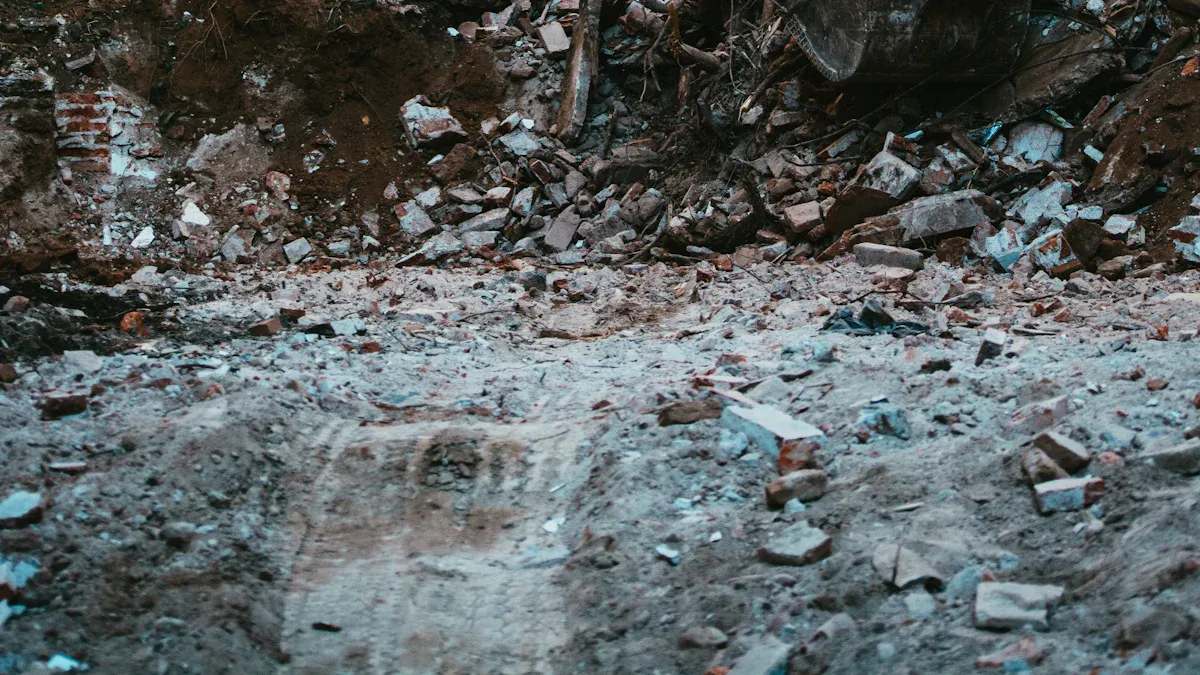
Lazima ufikie usafishaji wa mwisho na mpango wa utaratibu. Anza kwa kutathmini tovuti kwa aina na idadi ya uchafu. Hatua hii inakusaidia kuchagua zana na vifaa vinavyofaa kwa ajili ya kuondolewa kwa ufanisi. Tumia wachimbaji kusafisha uchafu mkubwa, kisha husafirisha taka hadi maeneo yaliyotengwa ya kutupa. Ondoa nyenzo zozote zilizobaki na taka hatari ili kulinda afya na usalama wa umma. Daraja na usawa wa ardhi ili kujiandaa kwa ujenzi mpya au mandhari.
Orodha ya Kukagua ya Urejeshaji wa Tovuti:
- Tathmini uchafu na mahitaji ya vifaa vya mpango.
- Ondoa uchafu mkubwa na mashine nzito.
- Taka za usafirishaji hadi vifaa vya utupaji vilivyoidhinishwa.
- Futa uchafu uliobaki na vifaa vya hatari.
- Daraja na kiwango cha tovuti kwa matumizi ya baadaye.
Kidokezo: Daima thibitisha kuwa taka hatari zimeshughulikiwa na wataalamu walioidhinishwa ili kuepuka masuala ya udhibiti.
Ukarabati wa Ardhi
Baada ya kuondolewa kwa uchafu, kagua ardhi kwa uharibifu unaosababishwa na vifaa vizito. Unaweza kuhitaji kujaza mashimo, udongo ulioshikana, na kurejesha mifumo ya mifereji ya maji. Tumia viambatisho vya kuweka alama ili kufikia uso laini, wa usawa. Chunguza mmomonyoko wowote au mgandamizo ili kuhakikisha tovuti inakidhi mahitaji ya ujenzi mpya.
| Kazi ya Urekebishaji wa Ardhi | Maelezo | Zana Inayopendekezwa |
|---|---|---|
| Jaza Nyimbo za Excavator | Rejesha udongo kwenye ruts na nyimbo | Mpakia, Mwanafunzi |
| Udongo Uliolegea Mshikamano | Kuboresha utulivu | Sahani ya Bamba |
| Rejesha Mifereji ya maji | Zuia kuunganisha maji | Trencher, Jembe |
Matengenezo ya Vifaa
Ukaguzi
Wewe lazima kagua mchimbaji wako baada ya kazi ya uharibifu. Angalia kuvaa kwenye hoses za majimaji, pini, na viambatisho. Tafuta uvujaji, nyufa, au vipengele vilivyolegea. Hati maswala yoyote na uyashughulikie kabla ya mradi unaofuata. Ukaguzi wa kila siku hukusaidia kupata matatizo mapema na kudumisha kutegemewa.
Upangaji wa Huduma
Matengenezo ya mara kwa mara huweka mchimbaji wako kufanya kazi kwa ufanisi. Unapaswa kuangalia viwango vya dizeli, kubadilisha vichujio, na kufuatilia kipozezi kila siku. Badilisha sehemu za kuvaa inavyohitajika na ufuate ratiba kali ya huduma. Jedwali hapa chini linaonyesha utaratibu unaopendekezwa wa matengenezo:
| Kazi ya Matengenezo | Frequency | Vidokezo |
|---|---|---|
| Kuongeza Mafuta kwa Dizeli | Kila siku | Angalia kabla ya kila zamu |
| Kichujio Ubadilishaji | Kila wiki | Kagua kwa kuziba |
| Angalia Kipozezi | Kila siku | Ongeza kama inahitajika |
| Ubadilishaji wa Sehemu za Kuvaa | Kila mwezi | Kagua uharibifu |
Kumbuka: Matengenezo thabiti hupunguza muda wa kupumzika na kupanua maisha ya kifaa.
Uchunguzi kifani: Mafanikio ya Matengenezo ya Vifaa
Wafanyakazi wa ubomoaji walitekeleza ukaguzi wa kila siku na huduma iliyopangwa ya kila mwezi kwa wachimbaji wao. Walikagua dizeli, kipozezi, na vichungi kila asubuhi. Sehemu za kuvaa zilibadilishwa kabla ya kushindwa. Kwa sababu hiyo, timu ilipunguza uchanganuzi kufikia 30% na kukamilisha miradi kabla ya ratiba.
Kwa vidokezo zaidi vya matengenezo, unganisha na wataalamu LinkedIn au kagua mbinu bora kutoka kwa vyama vya tasnia.
Nyaraka
Rekodi Kazi
Unahitaji kuweka rekodi za kina za kila kazi ya uharibifu. Hati mchakato, nyenzo kuondolewa, na mbinu za utupaji. Hakikisha vibali vyote vimefungwa na kuzingatia kanuni za mitaa. Rekodi sahihi zinaunga mkono upangaji wa mradi wa siku zijazo na kufuata udhibiti.
Ripoti za Usalama
Tayarisha ripoti ya mwisho ya usalama baada ya kila mradi. Kagua mchakato wa ubomoaji, kumbuka matukio yoyote, na utathmini itifaki za usalama. Tumia ripoti hizi kuboresha shughuli za siku zijazo na kudumisha mazingira salama ya kazi.
- Funga vibali vyote na hati za kufuata.
- Rekodi nyenzo zilizoondolewa na njia za utupaji.
- Kagua itifaki za usalama na majibu ya matukio.
Kidokezo: Shiriki ukaguzi wa mradi wako na timu yako na wenzao wa tasnia ili kukuza uboreshaji unaoendelea.
Kwa mwongozo zaidi juu ya nyaraka, tembelea Rasilimali za ubomoaji za OSHA’s au jiunge na majadiliano LinkedIn.
Uzingatiaji na Wajibu wa Mazingira
Miongozo ya Watengenezaji
Uzingatiaji wa Mwongozo
Lazima ufuate mwongozo wa uendeshaji wa mtengenezaji kwa kila mradi wa kubomoa wachimbaji. Mwongozo hutoa maagizo ya hatua kwa hatua kwa uendeshaji salama na matengenezo. Kabla ya kuanza kazi, kagua nyimbo, angalia mfumo wa majimaji, na uthibitishe kuwa vipengele vya usalama vya cabin vinafanya kazi vizuri. Ondoa vizuizi kutoka kwa eneo la kazi na uangalie utulivu wa ardhi. Daima vaa gia za kinga na ujifahamishe na hali ya udhibiti. Keti vizuri, funga mkanda wako wa kiti, na upange mashine wakati wa kuchimba. Kudhibiti kasi yako kwenye ardhi isiyo sawa na uangalie mazingira yako kabla ya kuzungusha kabati. Ukisikia sauti zisizo za kawaida, acha kufanya shughuli na uchukue mapumziko ili kuzuia uchovu.
| Jamii | Pointi Muhimu |
|---|---|
| Ukaguzi wa Vifaa | Kagua nyimbo, angalia mfumo wa majimaji, hakikisha vipengele vya usalama vya kabati vinafanya kazi. |
| Tathmini ya Eneo la Kazi | Ondoa vikwazo, angalia utulivu wa ardhi, thibitisha kutokuwepo kwa wafanyakazi wasioidhinishwa. |
| Maandalizi ya Kibinafsi | Vaa gia za kinga, fahamu hali ya udhibiti. |
| Usalama wa Msingi wa Uendeshaji | Dumisha uthabiti, kaa vizuri, funga mkanda wa kiti, hakikisha mpangilio wa mashine wakati wa kuchimba. |
| Usalama wa Kuendesha | Kudhibiti kasi kwenye ardhi isiyo sawa, angalia mazingira kabla ya kabati inayozunguka. |
| Uzingatiaji wa Dharura | Acha shughuli kwa sauti zisizo za kawaida, chukua mapumziko ili kuzuia uchovu. |
Kidokezo: Kagua mwongozo kabla ya kila mradi mpya ili usasishwe kuhusu itifaki za usalama na mabadiliko ya uendeshaji.
Vikomo vya Udhamini
Unalinda uwekezaji wako kwa kuheshimu mipaka ya udhamini. Watengenezaji wengi wanahitaji ufuate ratiba za matengenezo zinazopendekezwa na utumie viambatisho vilivyoidhinishwa. Ukipuuza miongozo hii, una hatari ya kubatilisha dhamana yako. Daima ukaguzi na ukarabati wa hati. Weka rekodi za mabadiliko ya viambatisho na ukaguzi wa mfumo wa majimaji. Zoezi hili hukusaidia kutatua madai ya udhamini haraka na kuhakikisha kutegemewa kwa vifaa vya muda mrefu.
Viwango vya Kisheria
Sheria za OSHA
Lazima uzingatie kanuni za OSHA wakati wa uharibifu wa mchimbaji. Sheria hizi zinaweka viwango vya wazi vya usalama wa mfanyakazi na taratibu za uendeshaji. Kwa mfano, hakuna wafanyakazi wanaoweza kuingia katika maeneo yaliyoathiriwa na uharibifu wakati wa kupiga mpira au kupiga kelele. Uzito wa mpira wa uharibifu haupaswi kuzidi nusu ya mzigo uliokadiriwa wa crane. Weka boom ya crane na mstari wa mzigo kwa ufupi iwezekanavyo. Ambatisha mpira na muunganisho wa aina inayozunguka ili kuzuia kupotosha. Kata washiriki wote wa chuma bure kabla ya kuvuta kuta, na uondoe kazi ya mawe ya mapambo kwanza. Mtu mwenye uwezo lazima akague tovuti mara kwa mara ili kugundua hatari.
| Kiwango | Maelezo |
|---|---|
| 1926.859(a) | Hakuna wafanyakazi wanaoruhusiwa katika maeneo yaliyoathiriwa na ubomoaji operesheni wakati wa kupiga mpira au kupiga kelele. |
| 1926.859(b) | Uzito wa mpira wa kubomoa haupaswi kuzidi 50% ya mzigo uliokadiriwa wa crane’s. |
| 1926.859(c) | Crane boom na loadline inapaswa kuwekwa fupi iwezekanavyo. |
| 1926.859(d) | Mpira lazima uambatishwe na muunganisho wa aina inayozunguka ili kuzuia kusokota. |
| 1926.859(e) | Wanachama wote wa chuma lazima wakatwe bure kabla ya kuvuta kuta. |
| 1926.859(f) | Mawe ya mapambo lazima yaondolewe kabla ya kuvuta kuta. |
| 1926.859(g) | Ukaguzi wa mtu mwenye uwezo lazima uendelee ili kugundua hatari. |
Kumbuka: Ukaguzi wa mara kwa mara na ufuasi mkali wa sheria za OSHA hupunguza viwango vya ajali na kuboresha matokeo ya mradi.
Ruhusa
Unahitaji vibali sahihi kabla ya kuanza uharibifu. Hizi ni pamoja na idhini rasmi za kuondoa miundo, uharibifu kamili au sehemu, na miradi ya uundaji upya. Ikiwa unafanya kazi kwenye mali za kihistoria, unaweza kuhitaji vibali na michakato maalum. Daima hutoa uthibitisho wa kukatwa kwa matumizi na ukaguzi kamili wa mazingira na usalama kwa nyenzo hatari kama vile asbesto.
| Aina ya Kibali | Maelezo |
|---|---|
| Vibali vya Ubomoaji | Uidhinishaji rasmi wa kuondolewa kwa miundo, kuhakikisha usalama na kufuata sheria. |
| Uondoaji Kamili wa Muundo | Inahitajika wakati wa kubomoa jengo zima, pamoja na misingi. |
| Ubomoaji wa Muundo Sehemu | Inahitajika kwa ajili ya kuondoa sehemu za muundo, na kusababisha ukaguzi wa usalama. |
| Miradi ya Uendelezaji Upya | Inahitajika kwa kusafisha tovuti kwa ajili ya ujenzi mpya au upanuzi. |
| Mali ya Kihistoria | Michakato maalum inaweza kuhitajika kwa majengo zaidi ya umri fulani au kuteuliwa kuwa ya kihistoria. |
| Uthibitisho wa Kutenganisha Huduma | Inahitajika ili kuhakikisha huduma zote zimekatwa kwa usalama kabla ya kubomolewa. |
| Mapitio ya Mazingira na Usalama | Ukaguzi wa nyenzo hatari kama vile asbesto unaweza kuagizwa kabla ya idhini ya kibali. |
Tahadhari: Salama vibali vyote kabla ya kukusanya vifaa ili kuepuka ucheleweshaji wa gharama kubwa na masuala ya kisheria.
Mazoea ya Mazingira
Utupaji Unaowajibika
Lazima uanzishe itifaki za kupanga kwa utenganishaji wa nyenzo kwenye tovuti. Panga uchafu wa uharibifu kabla ya utupaji na uhakikishe nyenzo zinakwenda kwa kampuni zilizoidhinishwa za usimamizi wa taka. Mshirika aliye na vifaa vya ndani vya kuchakata ili kuchakata nyenzo ipasavyo. Fanya tathmini za kabla ya ubomoaji ili kutambua nyenzo na hatari zinazoweza kuokolewa. Tengeneza mpango wa usimamizi wa taka ambao unaainisha nyenzo na kuelezea njia za urejeshaji, urejelezaji na utupaji. Fuata mahitaji ya udhibiti wakati wa kupakia, kusafirisha na kuacha nyenzo.
- Panga uchafu kwenye tovuti kwa ajili ya kuchakata kwa ufanisi.
- Tumia kampuni zilizo na leseni za usimamizi wa taka.
- Mshirika na vifaa vya ndani vya kuchakata tena.
- Tambua nyenzo zinazoweza kuokolewa kabla ya kubomolewa.
- Unda mpango wa kina wa usimamizi wa taka.
Kidokezo: Utupaji unaowajibika hulinda mazingira na kusaidia afya ya jamii.
Kupunguza Athari
Unaweza kupunguza athari za mazingira kwa kufanya mazoezi ya kupunguza chanzo na kutumia tena nyenzo. Tumia udongo na miamba iliyochimbwa kama kujaza nyuma, na utumie tena matofali ya zamani na saruji. Safisha saruji, lami na metali ili kupunguza taka za taka. Tumia mbinu za kukandamiza vumbi na vifaa vya kisasa vilivyo na udhibiti wa uzalishaji ili kupunguza uchafuzi wa hewa. Tekeleza hatua za kudhibiti mmomonyoko wa udongo na ushughulikia nyenzo hatari ipasavyo ili kulinda ubora wa udongo na maji. Tumia vifaa vya kupunguza kelele na kuweka vikwazo vya saa za kazi ili kudhibiti kelele na mtetemo. Tathmini tovuti kwa spishi zinazolindwa na ushirikiane na wataalamu wa mazingira ili kuunda mikakati ya uhifadhi.
- Fanya mazoezi ya kupunguza chanzo na ubomoaji wa kuchagua.
- Tumia tena na urejeshe nyenzo kila inapowezekana.
- Tumia ukandamizaji wa vumbi na udhibiti wa uzalishaji.
- Linda udongo, maji, na makazi ya wanyamapori.
- Kajiri hatua za kudhibiti kelele na mtetemo.
Kumbuka: Mbinu endelevu za ubomoaji hupunguza nyayo za mazingira za mradi wako na kusaidia uzingatiaji wa udhibiti.
Unafikia uharibifu mzuri na salama wa kuchimba kwa kufuata hatua muhimu. Tambua hatari kama vile huduma za chini ya ardhi kabla ya kazi kuanza. Jifahamishe na taratibu za kuzima dharura kwa majibu ya haraka. Kuajiri wataalamu waliofunzwa ili kuhakikisha utiifu na usalama. Kudumisha vifaa, kufuata miongozo ya watengenezaji, na kuzingatia viwango vya kisheria. Toa mafunzo ya mara kwa mara na warsha ili kuweka timu yako na ujuzi. Anzisha njia dhabiti za mawasiliano na uhimize uvumbuzi kwa uboreshaji unaoendelea.
FAQ
Je, unapaswa kuvaa gia gani za usalama wakati wa uharibifu wa mchimbaji?
Lazima uvae kofia ngumu, buti za chuma, fulana inayoonekana sana, glavu, na ulinzi wa macho. Vitu hivi hukulinda dhidi ya uchafu unaoanguka na hatari za mashine.
Je, unachaguaje kiambatisho sahihi cha mchimbaji kwa ajili ya kubomolewa?
Unapaswa kutathmini aina ya nyenzo na upeo wa uharibifu. Vivunja hydraulic hufanya kazi vizuri kwa saruji. Vikwazo na shears hushughulikia uchafu mkubwa. Shauriana na mwongozo wa kifaa chako kwa utangamano.
Ni hatua gani zinazosaidia kuzuia kudokeza kwa mashine kwenye ardhi isiyo sawa?
Unahitaji kuweka mchimbaji kwenye udongo thabiti, usawa. Punguza blade au vichochezi kwa utulivu. Epuka kufanya kazi karibu na miteremko au mitaro. Daima kagua ardhi kabla ya kuanza.
Unawezaje kupunguza vumbi na kelele wakati wa uharibifu?
Unapaswa kutumia dawa za maji kukandamiza vumbi. Ratiba kazi wakati wa saa zinazoruhusiwa. Chagua vifaa vilivyo na vipengele vya kupunguza kelele. Wasiliana na majirani ili kupunguza malalamiko.
Ni njia gani bora ya kudhibiti uchafu wa uharibifu kwa ufanisi?
Lazima upange vifaa kwenye tovuti kwa kutumia vipakiaji vilivyotengenezwa. Tenganisha recyclables kutoka kwa taka. Usafirishaji wa uchafu hadi vifaa vilivyoidhinishwa. Muhtasari wa kila siku husaidia kuratibu kazi za kusafisha.
Je, unapaswa kukagua mchimbaji wako mara ngapi wakati wa mradi?
Unapaswa kukagua mchimbaji kila siku. Angalia hoses za majimaji, viwango vya maji, na viambatisho kabla ya kila zamu. Hati hutoa na ushughulikie mara moja ili kuzuia kuvunjika.
Je, unapaswa kufuata taratibu gani za dharura ikiwa hose ya majimaji itapasuka?
Lazima ukomeshe harakati zote za mashine. Punguza boom na kiambatisho. Zima injini. Ondoa eneo hilo. Mwarifu msimamizi wako na ufuate mpango wa majibu ya dharura wa tovuti.
Je, unaweza kushiriki uchunguzi kifani kuhusu ubomoaji bora wa wachimbaji?
Timu ilibomoa ghala la orofa nyingi kwa kuanzia orofa ya juu. Walitumia mkataji wa ufikiaji wa juu na muhtasari wa usalama wa kila siku. Upangaji mzuri wa uchafu na ukaguzi wa mashine ulisaidia kumaliza kabla ya ratiba na matukio sifuri.