Добро пожаловать в Shandong Qilu Industrial Co., Ltd

 Russian
 English
 Arabic
 Bulgarian
 Bengali
 Czech
Czech
 Danish
 German
 Greek
Greek
 Spanish
 Finnish
 French
 Hindi
Hindi
 Croatian
 Hungarian
 Indonesian
 Italian
 Japanese
 Korean
 Lithuanian
 Dutch
Dutch
 Norwegian
 Polish
 Portuguese
 Romanian
 Slovak
 Slovenian
 Swedish
 Thai
Thai
 Turkish
 Ukrainian
 Vietnamese
 Tagalog
 Malay
Malay
 Estonian
 Catalan
 Latvian
 Urdu
Urdu
 Serbian
 Persian
 Swahili
 Albanian
 Armenian
 Icelandic
 Bosnian
 Luxembourgish
 Afrikaans
Russian English
Arabic
Bulgarian
Bengali
Czech
Danish
German
Greek
Spanish
Finnish
French
Hindi
Croatian
Hungarian
Indonesian
Italian
Japanese
Korean
Lithuanian
Dutch
Norwegian
Polish
Portuguese
Romanian
Slovak
Slovenian
Swedish
Thai
Turkish
Ukrainian
Vietnamese
Tagalog
Malay
Estonian
Catalan
Latvian
Urdu
Serbian
Persian
Swahili
Albanian
Armenian
Icelandic
Bosnian
Luxembourgish
Afrikaans
Afrikaans
Russian English
Arabic
Bulgarian
Bengali
Czech
Danish
German
Greek
Spanish
Finnish
French
Hindi
Croatian
Hungarian
Indonesian
Italian
Japanese
Korean
Lithuanian
Dutch
Norwegian
Polish
Portuguese
Romanian
Slovak
Slovenian
Swedish
Thai
Turkish
Ukrainian
Vietnamese
Tagalog
Malay
Estonian
Catalan
Latvian
Urdu
Serbian
Persian
Swahili
Albanian
Armenian
Icelandic
Bosnian
Luxembourgish
Afrikaans

Основные советы по продлению срока службы тракторных шин
Вы можете максимизировать срок службы шин вашего трактора, следуя проверенным стратегиям технического обслуживания. Регулярно проверяйте и поддерживайте правильное давление в шинах; исследования показывают, что это может увеличить срок службы шин к 20%. Избегайте недостаточной инфляции, поскольку она может сократить срок службы на 25%. Рассмотрите возможность использования систем центральной инфляции шин для еще большей долговечности. Если вы хотите знать, как продлить срок службы шин вашего трактора, начните с этих практических шагов и посмотрите реальные результаты в своих полевых исследованиях.
Ключевые выводы
- Регулярно проверяйте давление в шинах, чтобы избежать преждевременного износа. Правильное надувание может продлить срок службы шины до 20%.
- Избегайте перегрузки трактора. удержание в пределах нагрузки предотвращает выбросы шин и улучшает управление транспортным средством.
- Вращайте шины каждые 50-100 часов, чтобы обеспечить равномерный износ. Этот простой шаг может значительно продлить срок службы шин.
- Контролируйте глубину протектора ежемесячно. заменяйте шины, когда протектор достигает 2/32″ или имеет признаки повреждения, чтобы сохранить безопасность.
- Храните шины в помещении и вдали от солнечного света. правильное хранение предотвращает деградацию резины и продлевает срок службы шин.
- Очищайте шины после каждого использования, чтобы удалить грязь и химикаты. Регулярная очистка предотвращает коррозию и повреждения.
- Выбирайте правильные шины для ваших конкретных задач. сопоставление шин с рельефом улучшает производительность и снижает износ.
- Инвестируйте в качественные шины. Качественные шины могут стоить дороже заранее, но экономят деньги в долгосрочной перспективе за счет долговечности.
Как продлить срок службы шин вашего трактора
Регулярный уход за шинами составляет основу любой стратегии, как продлить срок службы шин вашего трактора Вы можете добиться более длительного срока службы шин, сосредоточив внимание на нескольких основных привычках обслуживания. к ним относятся поддержание надлежащего давления в шинах, избежание перегрузки и вращение шин через рекомендуемые промежутки времени. Каждый из этих шагов напрямую влияет на износ шин, безопасность и общую производительность трактора.
Поддерживайте правильное давление в шинах
Проверка давления в шинах
Вам следует проверять давление в шинах перед каждой основной работой или по крайней мере один раз в неделю. используйте надежный манометр и сравнивайте свои показания с рекомендуемыми значениями для вашего конкретного типа шины.В следующей таблице указаны типичные диапазоны давления:
| Тип шины | Рекомендуемое давление (psi) |
|---|---|
| Задние шины | 12-18 |
| Передние шины | 25-35 |
Работа вашего трактора с правильным давлением в шинах помогает избежать преждевременного износа и уплотнения грунта. перевыпученные шины могут вызвать чрезмерное уплотнение и уменьшить сцепление с дорогой, в то время как недовыпученные шины могут привести к повреждению боковины и плохому качеству езды. Регулярные проверки убедитесь, что вы рано улавливаете проблемы и поддерживаете шины в оптимальном состоянии.
Регулировка задач
Требуются разные задачи разные давления. например, полевые работы часто выигрывают от немного более низких давлений, чтобы увеличить площадь шин и улучшить сцепление с дорогой. При транспортировке грузов на дороге следует увеличить давление в пределах рекомендуемого диапазона, чтобы поддерживать более высокие скорости и более тяжелые веса. Всегда регулируйте давление в шинах в зависимости от выполняемой работы, чтобы максимизировать безопасность и долговечность шин.
Совет: Поддержание оптимального давления в шинах не только продлевает срок службы шин, но также повышает топливную экономичность и управляемость.
Избегайте перегрузки
Знайте пределы нагрузки
Понимание пределов нагрузки вашего трактора имеет решающее значение для того, как продлить срок службы шин вашего трактора. Каждая шина имеет индекс нагрузки, обычно трехзначный номер, указывающий ее максимальную грузоподъемность. Эту информацию вы можете найти в спецификациях шин. Всегда сопоставляйте индекс нагрузки вашей шины с общим весом вашего трактора, включая топливо и любые насадки.
Вес монитора
Следует регулярно следить за весом, который несет ваш трактор Перегрузка может вызвать перегрев тормозов, вылет шин, а также плохой контроль автомобиля В таблице ниже показаны последствия превышения предельных нагрузок:
| Последствие | Описание |
|---|---|
| Тормоз Перегрев | Избыточный вес приводит к перегреву тормозов, что снижает тормозную способность |
| Выдув шин | Повышение тепла и давления может привести к внезапному выходу из строя шины |
| Проблемы управления транспортным средством | Перегруженные тракторы плохо справляются, что увеличивает риск аварий |
Оставаясь в рекомендуемых пределах веса, вы защищаете шины и обеспечиваете более безопасную работу.
Регулярно вращайте шины
Шаблоны вращения
Вращение шин помогает равномерно распределить износ. следует следовать схеме передний-задний или поперечный поворот, в зависимости от комплектации трактора. например, если вы заметили больший износ передних шин из-за частого рулевого управления, переместите их назад и наоборот.
Планирование
Эксперты рекомендуют каждые 50-100 часов работы вращать тракторные шины. устанавливайте напоминание или регистрируйте часы, чтобы оставаться последовательными. регулярное вращение - простой, но эффективный способ продлить срок службы шин вашего трактора и сохранить равномерный износ протектора.
Последовательное вращение шин, правильное накачивание, управление нагрузкой - наиболее эффективные способы ответить, как продлить срок службы шин вашего трактора.
Монитор Глубина протектора
Признаки износа
Вам необходимо последовательно контролировать глубину протектора, чтобы поддерживать безопасность и производительность Глубина протектора напрямую влияет на способность вашего трактора захватывать поверхности, особенно во влажных или грязных условиях. если вы заметили неравномерный износ, трещины или проплешины, это явные признаки того, что ваши шины могут работать не так, как ожидалось. Используйте глубинный датчик протектора для измерения оставшегося протектора. Многие операторы проверяют глубину протектора каждый месяц или после завершения крупных полевых работ.
Простая проверка может выявить, приближаются ли ваши шины к концу срока их годности в следующей таблице приведены критические измерения глубины протектора и рекомендации по замене:
| Измерение глубины протектора | Рекомендация |
|---|---|
| 2/32″ | Замените шины для обеспечения безопасности и соблюдения законодательства |
| Ниже 25% исходной глубины протектора | Начните рассматривать возможность замены сельскохозяйственного использования |
Если ваши шины измеряют на или ниже этих порогов, вы должны планировать замену в ближайшее время. изношенный протектор увеличивает риск проскальзывания и снижает эффективность торможения. для получения более подробной информации о стандартах глубины протектора, вы можете посетить Ассоциация шинной промышленности.
Когда заменить
Знание того, когда заменить шины трактора, имеет важное значение для безопасной эксплуатации. не следует ждать, пока протектор полностью исчезнет. шины с глубиной протектора менее 25% их первоначальной теряют сцепление с дорогой и могут поставить под угрозу вашу способность управлять трактором. Замена становится необходимой, когда вы наблюдаете любое из следующего:
- Глубина протектора достигает 2/32″ или меньше.
- Большие участки протектора кажутся гладкими или лысыми.
- На поверхности шины образуются трещины, порезы или выпуклости.
- У вас часто возникает потеря тяги или большие тормозные пути.
Контроль глубины протектора играет важнейшую роль в ответе на вопрос о том, как продлить срок службы шин вашего трактора В таблице ниже показано, как глубина протектора влияет на безопасность и производительность:
| Аспект | Влияние на безопасность и производительность |
|---|---|
| Тяга | Необходим для поддержания сцепления с различными поверхностями |
| Торможение | Влияет на тормозной путь и контроль |
| Топливная эффективность | Изношенный протектор может привести к увеличению расхода топлива |
| Соответствие | Соблюдение правил обеспечивает безопасную эксплуатацию |
Заменяя шины в нужное время, вы защищаете свое оборудование и снижаете риск аварий. регулярная проверка протектора помогает избежать неожиданных простоев и дорогостоящего ремонта. если вы хотите знать, как продлить срок службы шин вашего трактора, сделайте мониторинг протектора рутинной частью вашего графика технического обслуживания. эта привычка гарантирует, что вы получите максимальную отдачу от своих инвестиций и сохраните свой трактор безопасно работать в каждом сезоне.
Совет: Всегда записывайте измерения протектора в свой журнал технического обслуживания. эта практика помогает отслеживать характер износа и планировать замену до возникновения проблем.
Правильное хранение шин
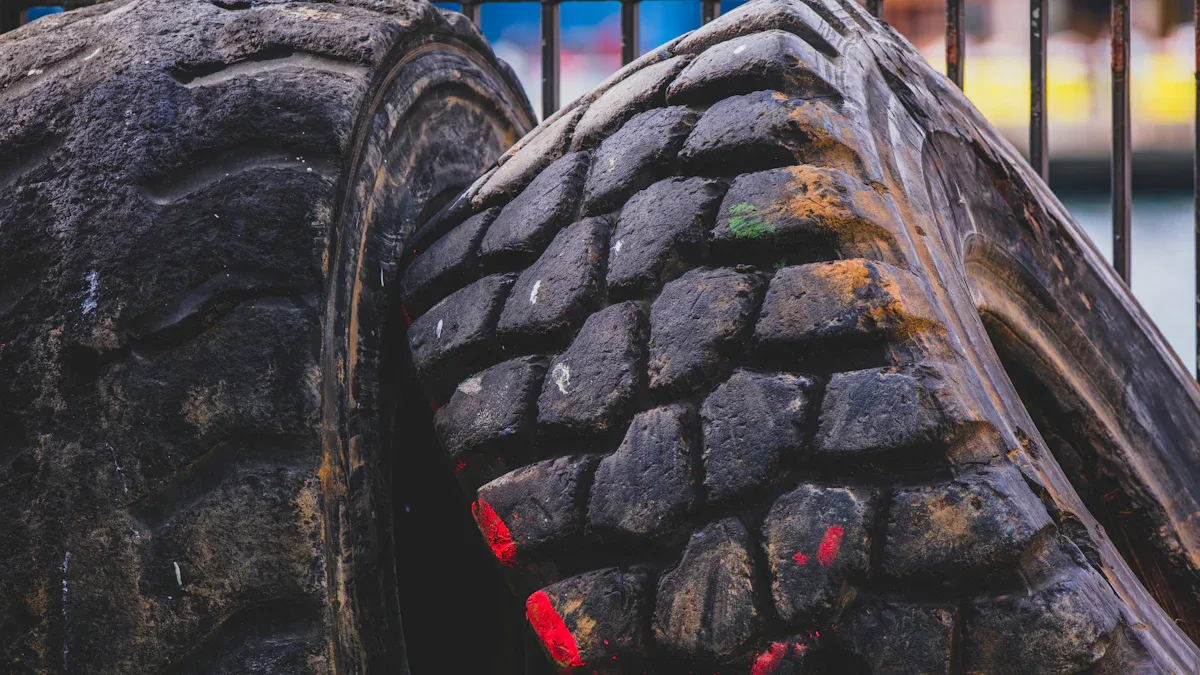
Правильное хранение шин трактора защищает их от преждевременного старения и структурных повреждений. солнечный свет, дождь и экстремальные температуры ускоряют деградацию резины, что приводит к дорогостоящей замене и небезопасной работе. Вы можете предотвратить растрескивание в погоду, сухую гниль и повреждение озоном, следуя рекомендованным промышленностью методам хранения.
Подготовка к хранению
Чистка шин
Прежде чем хранить шины, удалите всю грязь, мусор и химические остатки. Для очистки поверхности используйте воду и мягкое мыло. Избегайте растворителей, масел или жидкостей на нефтяной основе, поскольку эти вещества разлагают резину и вызывают трещины. Например, фермер из Айовы заметил глубокие трещины на шинах, хранящихся возле протекающего масляного барабана. После перехода на правильную очистку и хранение срок службы шин увеличился на два года.
Совет: Всегда дайте шинам полностью высохнуть перед хранением, чтобы предотвратить появление плесени и плесени.
Проверка на предмет ущерба
Осмотрите каждую шину на наличие порезов, выпуклостей и трещин. Обратите пристальное внимание на области высокого напряжения, такие как боковины и края протектора. Небольшие трещины часто указывают на озон или погодные повреждения. Если вы обнаружите какие-либо признаки износа, запланируйте ремонт или замену перед хранением. Документируйте результаты проверки в журнале технического обслуживания для дальнейшего использования.
Условия хранения
Контроль температуры
Храните шины в помещении, вдали от прямых солнечных лучей и источников тепла. высокие температуры ускоряют разрушение резины и вызывают поверхностное растрескивание. держите шины подальше от электродвигателей или генераторов, которые выделяют озон и способствуют преждевременному выходу из строя. Согласно отраслевым рекомендациям, падение температуры может снизить давление в шинах, поэтому проверьте и отрегулируйте давление перед хранением.
| Состояние хранения | Влияние на долговечность шин |
|---|---|
| В помещении, прохладно, сухо | Консервирует резиновые смеси |
| Рядом источники тепла/озона | Повышает риск растрескивания |
| На открытом воздухе, обнажен | Ускоряет сухую гниль и выветривание |
Позиционирование шин
Расположите шины вертикально на чистых сухих поверхностях. избегайте штабелирования шин горизонтально, так как это может вызвать деформацию. при хранении шин на оборудовании перемещайте трактор ежемесячно или размещайте его на домкратах, чтобы предотвратить появление плоских пятен. Для шин, наполненных хлоридом кальция, держите стебли клапанов между положениями 3 и 9 часов, чтобы предотвратить замерзание. Никогда не позволяйте шинам прикасаться к нефтепродуктам или стоячей воде.
Примечание: Неправильное хранение может привести к растрескиванию в погодные условия/озон, сухой гнили и потере структурной целостности. Вы можете прочитать больше о лучших практиках хранения шин по адресу Расширение Университета Небраски.
Таблица лучших практик
| Лучшая практика | Рекомендация |
|---|---|
| Очистите шины перед хранением | Используйте мягкое мыло, избегайте химикатов |
| Осмотр на предмет повреждений | Проверьте наличие трещин, выпуклостей, порезов |
| Хранить в помещении, вдали от солнечного света | Предотвращает деградацию резины |
| Избегайте источников озона | Держитесь подальше от двигателей/генераторов |
| Регулировка давления в шинах | Компенсировать изменения температуры |
| Позиция шин вертикально | Предотвращает деформацию |
| Перемещайте оборудование или используйте домкраты | Избегает плоских пятен |
Следуя этим шагам, вы защищаете свои инвестиции и гарантируете, что ваши тракторные шины останутся безопасными и надежными для будущего использования.
Держите шины чистыми и проверенными

Регулярные процедуры очистки и проверки помогают предотвратить преждевременное разрушение шин и дорогостоящие простои. Вы защищаете свои инвестиции и поддерживаете оптимальную производительность, следуя проверенным методам и планируя регулярные проверки.
Методы очистки
Безопасные продукты
Вам следует выбрать чистящие средства, предназначенные для резины чтобы не повредить шины трактора. используйте очиститель шин со сбалансированным pH и избегайте агрессивных химикатов, которые могут вызвать растрескивание или выцветание. соберите ведро с водой, шланг или мойку под давлением, а также щетку с жесткой щетиной для очистки грязи. Для ободов используйте колесную щетку или губку, чтобы добраться до труднодоступных мест. Сушите шины полотенцами из микрофибры, чтобы предотвратить появление пятен на воде.
- Счищайте шины щеткой с жесткой щетиной или мягкой щетиной, чтобы удалить грязь и мусор, не царапая резину.
- Тщательно промойте, чтобы удалить все мыло и чистящие средства.
- Нанесите повязку или блеск шин, чтобы защитить от повреждения УФ и улучшить внешний вид. Выберите силиконовые или водные варианты для достижения наилучших результатов.
Совет: Всегда чистите шины после воздействия химикатов или коррозионных материалов, чтобы предотвратить долгосрочное повреждение.
Частота очистки
Вам следует чистить шины трактора после каждого использования, особенно если вы работаете в грязных или химических условиях. Регулярная очистка предотвращает коррозию, растрескивание и накопление, которые могут сократить срок службы шин. для тракторов, находящихся в интенсивном использовании, проверяйте и очищайте шины ежемесячно, чтобы обнаружить ранние признаки ухудшения.
| Частота очистки | Рекомендуемое действие |
|---|---|
| После каждого использования | Удалите грязь, мусор и химикаты |
| Ежемесячно (интенсивное использование) | Визуальный осмотр и тщательная очистка |
| Перед хранением | Глубоко чист и полностью сушен |
Последовательные процедуры очистки помогут вам избежать коррозии и продлить срок службы шин. Дополнительные советы можно найти на сайте Руководство по техническому обслуживанию тракторных шин.
Проверьте на предмет ущерба
Общие вопросы
Вам следует проверять шины на наличие повреждений каждый месяц или перед крупными полевыми исследованиями. ищите эти распространенные проблемы:
- Выпуклости на боковине сигнализируют о повреждении конструкции от ударов.
- Незначительные порезы на верхней части выступов обычно приемлемы, но глубокие порезы требуют немедленного внимания.
- Трещины от сухости могут привести к отделению протектора и потере целостности.
- Неравномерный износ часто является результатом неправильного давления воздуха и влияет на тягу.
- Повреждение стерней остатками растений может привести к потере воздуха и эрозии протектора.
| Тип выпуска | Описание | Необходимы действия |
|---|---|---|
| Выпуклость | Отек боковины от удара | Заменить шину |
| Глубокий разрез | Сильное повреждение ушек | Ремонт или замена |
| Трещина | Сухость или возрастное расщепление | Следить или заменять |
| Неравномерный износ | Неправильный рисунок протектора | Регулируйте давление, вращайтесь |
| Повреждение стерней | Отрезает от растительного остатка | Осмотр, ремонт |
🚜 Регулярные проверки помогают вам рано выявлять проблемы и избегать неожиданных поломок. Поделитесь своими советами по проверке с другими операторами на Facebook.
Раннее обнаружение
Раннее выявление повреждений шин экономит деньги и предотвращает простои. плановые проверки позволяют выявить незначительные проблемы до их эскалации. системы прогнозирующего технического обслуживания используют датчики и телематику для мониторинга состояния шин в режиме реального времени, предупреждая вас о ранних признаках износа или повреждения. действуя быстро, вы избегаете дорогостоящего ремонта и безопасно работаете на тракторе.
Ты должен результаты проверки документов в журнале технического обслуживания. эта запись помогает отслеживать характер износа и планировать ремонт до того, как проблемы станут серьезными. эффективное обслуживание шин повышает безопасность и эффективность эксплуатации всего вашего парка.
Примечание: Проактивный уход продлевает срок службы шин и снижает общие затраты. Для получения дополнительной информации о протоколах проверки посетите сайт Ассоциация шинной промышленности.
Используйте правильные шины для работы
Выбор правильных шин для вашего трактора напрямую влияет на производительность, безопасность и долговечность шин. вы должны соответствовать спецификациям шин вашим требованиям к местности, нагрузке и скорости. Этот подход гарантирует, что вы получите максимальную отдачу от своих инвестиций и избежите ненужных простоев.
Сопоставьте шины с землей
Поле против дороги
Вы сталкиваетесь с разнообразными поверхностями в ежедневных операциях. полевые работы требуют шин, которые захватывают рыхлую почву, в то время как автомобильный транспорт требует стабильности и снижения сопротивления качению. выбор шин, предназначенных для каждой среды, улучшает сцепление и качество езды. например, использование шин с глубоким протектором на грязных полях предотвращает скольжение и уплотнение почвы. на дорогах с твердым покрытием шины с более мелким протектором обеспечивают более плавную езду и лучшую топливную экономичность.
- Шины для конкретных применений повышают сцепление с дорогой.
- Улучшить качество езды.
- Повысить топливную экономичность.
- Уменьшить воздействие на землю.
- Соответствие протектора шин местности увеличивает срок службы шин.
Фермер, который перешел со стандартных полевых шин на модели, оптимизированные для дорог, для частого проезда по шоссе, сообщил об увеличении срока службы шин на 15% и снижении затрат на топливо. Прежде чем делать выбор, вам следует оценить свою основную рабочую среду.
Специальные шины
Специальные шины решают уникальные проблемы Если вы работаете в грязных местах, шины R2 обеспечивают глубокие проушины для агрессивного сцепления. Для садов или газонов шины R3 минимизируют разрушение почвы. для промышленных задач часто требуются шины R4, которые уравновешивают устойчивость и сцепление. В следующей таблице сравниваются распространенные типы шин и их рекомендуемое использование:
| Тип шины | Описание |
|---|---|
| Шины R2 | Лучше всего подходит для грязной или мягкой почвы с глубокими протекторами для дополнительного захвата. |
| Шины R1 и R1W | Стандартные шины направленного действия для общего использования в сельском хозяйстве, с R1W с более глубоким протектором. |
| Шины R4 | Универсален для сельскохозяйственного и промышленного использования, обеспечивает сцепление и устойчивость. |
| Шины R3 | Предназначен для минимизации разрушения почвы, идеально подходит для садов или газонов. |
| Р-2 Шины | Специализируется на грязной среде, глубоких грунтозацепах для сцепления, меньшей устойчивости на твердых поверхностях. |
Совет: Всегда обращайтесь к руководству вашего оператора и местным ресурсам расширения, например Расширение штата Пенсильвания, для руководства по выбору шин.
Выбирайте для нагрузки и скорости
Рейтинги шин
Рейтинги нагрузки и скорости определяют, какой вес ваши шины могут безопасно нести и как быстро вы можете работать. вы должны проверить эти рейтинги перед покупкой или установкой новых шин. выбор шин с соответствующими рейтингами предотвращает поломку шин и уплотнение почвы, что может повлиять на урожайность и эффективность эксплуатации.
- Рейтинги нагрузки и скорости гарантируют, что шины справятся с конкретными задачами.
- Правильный выбор предотвращает поломку шин и уплотнение грунта.
- Технологии IF (увеличенное сгибание) и VF (очень высокое сгибание) позволяют шинам выдерживать больший вес при более низком давлении воздуха, снижая уплотнение почвы при сохранении производительности.
Если вы используете шины с неправильными номиналами, вы рискуете увеличить скольжение, особенно во влажных условиях. преждевременный износ может произойти из-за неправильного распределения нагрузки.Уменьшение тяги может помешать вашей работе, а более высокое сопротивление качению приводит к увеличению расхода топлива.Опасности безопасности во время торможения становятся более вероятными, поскольку шины меньшего размера могут вызвать большие тормозные пути и нестабильность во время аварийных маневров.
Всегда следует проверять номинальные характеристики шин на соответствие спецификациям вашего трактора и требованиям вашей эксплуатации. например, если вы часто перевозите тяжелые грузы на более высоких скоростях, выберите шины с более высокими номинальными нагрузками и скоростью. если вы работаете в чувствительных почвенных условиях, рассмотрите шины IF или VF, чтобы минимизировать уплотнение.
🚜 Тщательный выбор шин в зависимости от местности, нагрузки и скорости позволяет вашему трактору работать эффективно и безопасно. Для получения дополнительной информации посетите сайт Расширение Университета Небраски.
Инвестируйте в качественные шины и оборудование
Преимущества качества
Вы получаете значительные долгосрочные преимущества, когда вы инвестируйте в высококачественные тракторные шины. Хотя начальная цена покупки может показаться выше, эти шины обеспечивают увеличенную долговечность и уменьшают частоту замен. со временем вы тратите меньше на замену шин и минимизируете отходы, что напрямую приносит пользу вашей прибыли. например, фермеры, которые выбирают шины премиум-класса, сообщают о меньшем количестве остановок в обслуживании, что позволяет проводить бесперебойные полевые работы и повышать производительность.
Высококачественные шины также отличаются низким сопротивлением качению, что означает, что ваш трактор требует меньше энергии для работы Это приводит к измеримой экономии топлива и снижению эксплуатационных расходов. такие практики, как восстановление протектора, могут продлить срок службы шины на 30 лет 40%, что еще больше повысит экономическую эффективность. Рассмотрим следующий анализ затрат и выгод:
| Тип шины | Первоначальная стоимость | Средняя продолжительность жизни | Частота замены (5 лет) | Ориентировочная общая стоимость |
|---|---|---|---|---|
| Стандартное качество | $800 | 2 года | 2 — 3 раза | $1,600 北$2,400 |
| Высокое качество | $1,200 | 4 года | 1 ƒраз | $1,200 北$2,400 |
Совет: Инвестиции в качественные шины сокращает время простоя и повышает рентабельность на протяжении всего срока службы вашего оборудования. для получения дополнительной информации посетите сайт Университетское расширение ухода за шинами.
Надежные бренды
Следует искать шины, которые предлагают доказанную надежность и долговечность в сельскохозяйственных условиях. такие особенности, как увеличенная глубина скольжения, конструкция с двумя углами проушины и более крутые конусности стержня, способствуют более длительному сроку износа, уменьшению уплотнения почвы и уверенному сцеплению. в следующей таблице выделены основные характеристики шин, которые поддерживают долговечность и производительность:
| Особенность | Описание |
|---|---|
| Долговечная одежда | Глубина глубокого заноса увеличивает срок службы и обеспечивает универсальное сцепление. |
| Снижение уплотнения почвы | Двуугольная конструкция выступа увеличивает площадь контакта, уменьшая возмущение почвы. |
| Уверенная тяга | Более крутые конусности прутка обеспечивают надежное сцепление на протяжении всего срока службы шины. |
Многие фермеры предпочитают шины с этими характеристиками из-за их способности справляться с разнообразными почвенными условиями и поддерживать производительность с течением времени. например, производитель в Небраске перешел на шины с двойными угловыми выступами и заметил заметное снижение эрозии почвы и повышение урожайности сельскохозяйственных культур.
🚜 Выберите шины с усовершенствованными конструкциями протектора и прочной конструкцией, чтобы максимизировать свои инвестиции. Проконсультируйтесь с местным офисом по распространению знаний, чтобы получить рекомендации, адаптированные к вашему региону.
Обслуживание шинных инструментов
Вы продлеваете срок службы шин вашего трактора, поддерживая инструменты для шин. Регулярные проверки помогают вам выявить проблемы до того, как они вызовут значительный износ. Правильное управление надуванием гарантирует, что ваши шины работают в оптимальных диапазонах давления, предотвращая преждевременные повреждения. Регулировки, основанные на нагрузке и скорости, имеют решающее значение для поддержания здоровья и безопасности шин.
- Ежемесячно проверяйте манометры и оборудование для накачивания шин, чтобы убедиться в точности.
- Калибруйте инструменты ежегодно для поддержания надежных показаний.
- Храните инструменты в чистой и сухой среде, чтобы предотвратить коррозию и неисправность.
Фермер, внедривший ежемесячную процедуру проверки инструментов, сократил время простоя, связанное с шинами, к 20%. Вы можете добиться аналогичных результатов, установив график технического обслуживания для своих шинных инструментов. документируйте каждую проверку и калибровку в своем журнале оборудования для подотчетности и дальнейшего использования.
Примечание: Ухоженные инструменты для шин поддерживают постоянный уход за шинами и помогают избежать неожиданных сбоев. для получения дополнительной информации о техническом обслуживании инструментов посетите сайт Ассоциация шинной промышленности.
Защитите шины от тепла
Тепло является основным фактором износа и отказа шин трактора. вы можете продлить срок службы шин, управляя скоростью и поддерживая правильную инфляцию. эти стратегии помогают вам избежать дорогостоящих поломок и поддерживать эффективную работу вашего оборудования.
Избегайте чрезмерной скорости
Слишком быстрое движение порождает большее трение между шиной и землей. это трение увеличивает температуру шины, что может повредить внутренние компоненты и привести к преждевременному выходу из строя. вы всегда должны эксплуатировать свой трактор в пределах рекомендуемых ограничений скорости для ваших шин. Превышение этих пределов приводит к перегреву и может привести к расплавлению внутренних частей шины, увеличивая риск выбросов.
В следующей таблице обобщено влияние превышения скорости на тракторные шины:
| Влияние чрезмерной скорости | Описание |
|---|---|
| Наращивание тепла | Более высокие скорости приводят к повышению температуры шин. |
| Компонент Плавление | Перегрев может привести к расплавлению внутренних компонентов шины, что может привести к ее выходу из строя. |
| Преждевременный сбой | Езда быстрее рейтинга шины приводит к раннему отказу шин. |
| Быстрое/невероятное ношение | Недостаточные скоростные характеристики приводят к быстрому или неравномерному износу протектора. |
| Сниженная грузоподъемность | Более высокие скорости снижают вес шин, которые можно безопасно нести. |
Следует также учитывать, как скорость влияет на охлаждение шин. более низкие скорости позволяют шинам охлаждаться между циклами отклонения, снижая тепловой стресс. работа на умеренных скоростях позволяет вашим шинам нести ту же нагрузку при более низком PSI, что дополнительно защищает их от теплового повреждения.
Совет: Всегда проверяйте рейтинг скорости шины перед началом работы Если вам нужно преодолевать большие расстояния, спланируйте маршрут так, чтобы минимизировать высокоскоростные поездки.
Конкретные случаи показывают, что езда слишком быстро увеличивает коэффициент скольжения, что приводит к большему трению и нагреву. чрезмерная скорость также приводит к увеличению износа, сокращая срок службы шин. Вы можете предотвратить эти проблемы, соблюдая рекомендуемые ограничения скорости и регулируя свои привычки вождения в зависимости от местности и нагрузки.
Поддерживать правильную инфляцию
Правильное надувание имеет решающее значение для контроля температуры шин. Недонадутые шины больше изгибаются, выделяя дополнительное тепло во время работы. перенадутые шины имеют меньший контакт с землей, что также может вызвать накопление тепла и неравномерный износ. Перед каждым крупным заданием следует проверять давление в шинах и регулировать его в соответствии с рекомендациями производителя.
Рассмотреть эти действенные шаги для поддержания оптимальной инфляции:
- Используйте калиброванный манометр для точного измерения давления.
- Регулировка давления в зависимости от требований к нагрузке и скорости.
- Проверьте шины на наличие признаков чрезмерного или недостаточного надувания, таких как неравномерный износ или выпуклости боковин.
- Запишите показания давления в свой журнал технического обслуживания для дальнейшего использования.
| Инфляционная практика | Выгода |
|---|---|
| Регулярные проверки давления | Предотвращает чрезмерное изгиб и накопление тепла |
| Регулировка нагрузки/скорости | Снижает риск перегрева |
| Используйте надежное оборудование | Обеспечивает точные показания и безопасную работу |
Фермер, который проверял давление в шинах еженедельно и снижал скорость во время тяжелых перевозок, сообщил о меньшем количестве отказов шин, связанных с жарой. Вы можете добиться аналогичных результатов, сделав эти методы частью своей рутины.
🚜 Поддержание правильной инфляции и избежание чрезмерной скорости - два наиболее эффективных способа защитить тракторные шины от жары. Эти привычки помогают вам максимально увеличить срок службы шин и обеспечить безопасность оборудования в любое время года.
Вы можете продлить срок службы шин вашего трактора, выполнив следующие важные шаги:
- Регулярно проверяйте и регулируйте давление в шинах в соответствии со спецификациями производителя.
- Избегайте перегрузки и высокоскоростного вождения, чтобы уменьшить преждевременный износ.
- Запланируйте механические проверки, чтобы исправить проблемы с выравниванием.
Правильный уход за шинами повышает тягу и топливную экономичность. плановое обслуживание ежегодно экономит тысячи долларов, как показано ниже:
| Аспект | Оценка экономии |
|---|---|
| Экономия топлива (галлоны) | 500 (800 галлонов в год) 800 галлонов в год |
| Предполагаемая экономия в долларах | Тысячи долларов |
Сделайте обслуживание шин частью вашего регулярного ухода за оборудованием. защитите свои инвестиции и обеспечьте безопасную и эффективную работу каждый сезон.
ЧАСТО ЗАДАВАЕМЫЕ ВОПРОСЫ
Как часто нужно проверять давление в шинах трактора?
Ты должен проверьте давление в шинах по крайней мере, раз в неделю или перед каждой крупной работой. частые проверки помогают рано улавливать утечки и поддерживать оптимальную производительность. используйте надежный манометр и всегда сравнивайте показания с рекомендованными производителем значениями.
Как лучше чистить тракторные шины?
Используйте воду, мягкое мыло, и щетку с жесткой щетиной Избегайте жестких химикатов или очистителей на основе нефти. тщательно и высушите полотенцем из микрофибры. очистите шины после воздействия грязи, химикатов или растительных остатков, чтобы предотвратить долгосрочный ущерб.
Как узнать, когда заменить тракторные шины?
Контролируйте глубину протектора ежемесячно. заменяйте шины, когда протектор достигает 2/32″ или меньше, или если вы видите трещины, выпуклости, или частые потери воздуха. потеря тяги или неравномерный износ также сигнализирует о необходимости замены.
Можете ли вы хранить тракторные шины на улице?
Вы должны избегать хранения на открытом воздухе. солнечный свет, дождь, и перепады температуры ускоряют старение резины. хранить шины в помещении, вертикально, и вдали от источников озона, Если на открытом воздухе хранения неизбежен, покрыть шины с УФ-стойким брезентом и поднять их над землей.
Что вызывает неравномерный износ шин на тракторах?
Неправильное надувание, несоосность, перегрузка и отсутствие вращения вызывают неравномерный износ. Регулярно проверяйте давление, вращайте шины и проверяйте наличие механических проблем. решайте проблемы на раннем этапе, чтобы продлить срок службы шин и обеспечить безопасную эксплуатацию.
Как можно предотвратить тепловое повреждение шин трактора?
Работайте в рекомендуемых скоростных ограничениях и поддерживайте надлежащую инфляцию. избегайте длительных периодов высокоскоростных поездок, особенно с большими нагрузками. позвольте шинам охлаждаться во время длительного использования в жаркую погоду.
Действительно ли специальные шины имеют значение?
Да. специальные шины соответствуют конкретным ландшафтам и задачам, улучшая сцепление и уменьшая износ Например, шины с глубокими проушинами лучше работают в грязных полях, а газоны защищают газоны. выбирайте шины, исходя из вашей основной рабочей среды, для достижения наилучших результатов.
Стоит ли вращать тракторные шины и как часто?
Следует вращать тракторные шины каждые 50 (100 часов) работы. следуйте схеме передних или поперечных вращений, в зависимости от конфигурации трактора. регулярное вращение обеспечивает равномерный износ протектора и максимально увеличивает срок службы шин.