Shandong Qilu Industrial Co., Ltd میں خوش آمدید

 Urdu
Urdu English
 Arabic
 Bulgarian
 Bengali
 Czech
Czech
 Danish
 German
 Greek
Greek
 Spanish
 Finnish
 French
 Hindi
Hindi
 Croatian
 Hungarian
 Indonesian
 Italian
 Japanese
 Korean
 Lithuanian
 Dutch
Dutch
 Norwegian
 Polish
 Portuguese
 Romanian
 Russian
 Slovak
 Slovenian
 Swedish
 Thai
Thai
 Turkish
 Ukrainian
 Vietnamese
 Tagalog
 Malay
Malay
 Estonian
 Catalan
 Latvian
 Serbian
 Persian
 Swahili
 Albanian
 Armenian
 Icelandic
 Bosnian
 Luxembourgish
 Afrikaans
Urdu English
Arabic
Bulgarian
Bengali
Czech
Danish
German
Greek
Spanish
Finnish
French
Hindi
Croatian
Hungarian
Indonesian
Italian
Japanese
Korean
Lithuanian
Dutch
Norwegian
Polish
Portuguese
Romanian
Russian
Slovak
Slovenian
Swedish
Thai
Turkish
Ukrainian
Vietnamese
Tagalog
Malay
Estonian
Catalan
Latvian
Serbian
Persian
Swahili
Albanian
Armenian
Icelandic
Bosnian
Luxembourgish
Afrikaans
Afrikaans
Urdu English
Arabic
Bulgarian
Bengali
Czech
Danish
German
Greek
Spanish
Finnish
French
Hindi
Croatian
Hungarian
Indonesian
Italian
Japanese
Korean
Lithuanian
Dutch
Norwegian
Polish
Portuguese
Romanian
Russian
Slovak
Slovenian
Swedish
Thai
Turkish
Ukrainian
Vietnamese
Tagalog
Malay
Estonian
Catalan
Latvian
Serbian
Persian
Swahili
Albanian
Armenian
Icelandic
Bosnian
Luxembourgish
Afrikaans

فارم کی پیداواری صلاحیت کو بڑھانا: فارم ٹریکٹر کس طرح فرق کرتے ہیں۔
کھیتوں کی تیاری سے لے کر پودے لگانے، چھڑکنے، کٹائی کرنے اور پیداوار کی نقل و حمل تک، عاجز فارم ٹریکٹر جدید زراعت کی پیداواری صلاحیت کو فعال کرنے کے لیے ناگزیر پاور یونٹ کے طور پر کام کرتا ہے۔ سخت اور ورسٹائل، ٹریکٹر کاشتکاری کے ان گنت کاموں میں مکینیکل عضلات فراہم کرتے ہیں۔.
ٹریکٹر کی صلاحیتوں کو سمجھنے سے فارم مینیجرز کو پیداواری صلاحیت کو زیادہ سے زیادہ کرنے اور سرمایہ کاری پر واپسی کے لیے زمین کے آلات سے مماثل صحیح ماڈلز کا انتخاب کرنے میں مدد مل سکتی ہے۔.
تعارف
کھیتوں کی تیاری سے لے کر پودے لگانے، چھڑکنے، کٹائی کرنے اور پیداوار کی نقل و حمل تک، عاجز فارم ٹریکٹر جدید زراعت کی پیداواری صلاحیت کو فعال کرنے کے لیے ناگزیر پاور یونٹ کے طور پر کام کرتا ہے۔ سخت اور ورسٹائل، ٹریکٹر کاشتکاری کے ان گنت کاموں میں مکینیکل عضلات فراہم کرتے ہیں۔.
ٹریکٹر کی صلاحیتوں کو سمجھنے سے فارم مینیجرز کو پیداواری صلاحیت کو زیادہ سے زیادہ کرنے اور سرمایہ کاری پر واپسی کے لیے زمین کے آلات سے مماثل صحیح ماڈلز کا انتخاب کرنے میں مدد مل سکتی ہے۔.
In this comprehensive tractor guide, key topics include:
- Evolution of Tractor Development
- Primary Tractor Benefits
- خصوصی ٹریکٹر کی اقسام۔
- Factors Influencing Productivity
- Latest Innovations
- Considerations When Buying
- اکثر پوچھے
Appreciating how tractors confer flexibility, efficiency, andtargeted power year-round establishes context before diving into specifics.
Evolution of Tractor Development
Mechanized farming began in the late 1800s using steam engines, but these large machines compacted soils. Smaller gasoline-powered tractors emerged in the 1910s, but it wasn’t until Harry Ferguson developed the three-point hitch system in the 1930s that tractors could efficiently power implements.
Rapid advancements followed:
- Diesel engines (1930s)
- Hydraulic power (1940s)
- Power Take-Off systems (1950s)
- More compact sizes (1960s)
- Enhanced safety and comfort (1970s-1990s)
Integrating new technologies continues today.
Primary Tractor Benefits
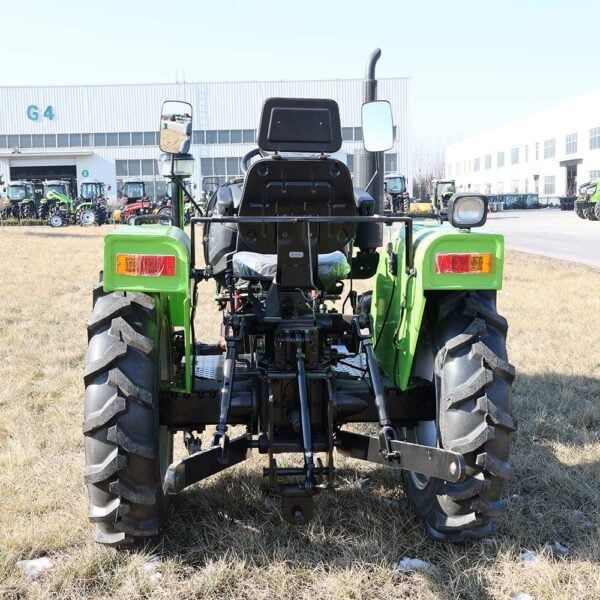
Farm tractors confer many productivity and efficiency advantages:
طاقت – Engines rating 20 to 620+ horsepower suit light or heavy-duty implements in all soil conditions.
ملائمیت – Front/rear hitches and Power Take-Offs easily connect implements year-round.
کارکردگی – Complete jobs faster with less labor compared to animal teams.
سکون – Quiet, heated cabs with suspension seats reduce operator fatigue.
ٹیکنالوجی – Auto-steering, fleet data integration, and AI analytics optimize workflows.
Their versatility across thousands of farming tasks drives tractor adoption.
خصوصی ٹریکٹر کی اقسام۔
While all tractors share core power transmission components, distinct configurations suit certain applications:
قطار کی فصل کے ٹریکٹر۔ – Narrow for between-row work with high ground clearance.
یوٹیلیٹی ٹریکٹرز۔ – Light-duty models with front loaders for chores and hauling.
ہائی ہارس پاور ٹریکٹرز۔ – Huge machines exceeding 400 engine HP for heavy towing and field demands.
آرچرڈ ٹریکٹرز۔ – Extra ground clearance helps navigate under trees.
Special Use Tractors – GPS-guided autonomous models or niche vineyard designs help specialized crops.
Matching the optimal tractor with farm size and implements boosts productivity.
Factors Influencing Productivity
Tractors work in conjunction with the tools they power – mismatched equipment wastes potential:
Table 1. Key Factors Influencing ٹریکٹر پیداواری صلاحیت
| عنصر | تفصیل | اثرات |
|---|---|---|
| انجن ہارس پاور۔ | Force generated by tractor engine | Match power rating to heaviest implements |
| Hitches and PTO | Attachment interface standards | Ensure implements mate correctly for operation |
| وزن کی تقسیم۔ | Balance and stability affect traction | Poor weight balance reduces pulling effectiveness |
| ٹیکنالوجی کے اضافی حصے۔ | Auto-steering, data analytics | Save fuel, time through precision optimization |
Additionally, regular maintenance and tire style significantly alter efficiency over years of use.
Latest Innovations
Integrating new technologies into tractors continues elevating productivity:
ریموٹ مانیٹرنگ – Telematics and control apps enable managing tractors fleets from afar.
خود مختار ڈرائیونگ۔ – Auto-steering and imaging systems allow tractors to self-navigate fields without an operator via GPS.
الیکٹریفکیشن – Hybrid engines and increased electronic control of mechanical systems reduce complexity.
AI انٹیگریشن – Machine learning harnesses real-time data from sensors to optimize decisions.
متبادل ایندھن۔ – Biofuels, hydrogen mixes, and batteries diminish environmental footprint.
Blending computing with brute strength pushes tractors into the future.
Considerations When Buying
With many tractor models and price points available, key purchasing considerations include:
مطلوبہ استعمال۔ – Match application needs to tractor class and features. Don’t overbuy or underbuy relative to actual implement demands.
برانڈ کی ساکھ۔ – Stick with established companies offering strong local dealer support networks for service.
New vs Used Condition – Weigh tradeoffs of new or used models based on budget, options required, and your tolerance of risk, capabilities for maintenance and repair.
ٹیکنالوجی کے اضافی حصے۔ – Determine if productivity-enhancing telematics systems integrate with your farm data ecosystem or automated equipment dreams. Pay for what boosts bottom lines rather than just seeming flashy.
Finding your own optimum combination of utility and efficiency accelerates success.
نتیجہ
Tractor technology continues advancing since its inception over a century ago. Matching the optimal tractor to implements, fields, crops, and operators enables maximizing productivity and reducing unnecessary costs and labor. Appreciating modern capabilities and best practices around tractor selection, operation and maintenance will pay dividends every season.
اکثر پوچھے
How long should a farm tractor last?
The average lifetime is 8,000 to 12,000 hours over 10 to 20 years depending on annual use. Proper maintenance and avoiding overloading significantly extend service.
When was tractor air conditioning introduced?
While enclosed cabs debuted in the late 1940s, it wasn’t until the 1960s and 70s that air conditioning and heating systems became common to keep farmers comfortable in all weather extremes for long hours.
Can anyone operate heavy farm tractors safely?
Basic operation may not require extensive training but working with PTO-powered implements, on slopes and roadways certainly necessitates proper safety guidance to prevent accidents and injuries due to machine complexity relative to typical passenger vehicles. Taking operator courses demonstrates prudence.