Vítejte v Shandong Qilu Industrial Co., Ltd

 Czech
Czech English
 Arabic
 Bulgarian
 Bengali
 Danish
 German
 Greek
Greek
 Spanish
 Finnish
 French
 Hindi
Hindi
 Croatian
 Hungarian
 Indonesian
 Italian
 Japanese
 Korean
 Lithuanian
 Dutch
Dutch
 Norwegian
 Polish
 Portuguese
 Romanian
 Russian
 Slovak
 Slovenian
 Swedish
 Thai
Thai
 Turkish
 Ukrainian
 Vietnamese
 Tagalog
 Malay
Malay
 Estonian
 Catalan
 Latvian
 Urdu
Urdu
 Serbian
 Persian
 Swahili
 Albanian
 Armenian
 Icelandic
 Bosnian
 Luxembourgish
 Afrikaans
Czech English
Arabic
Bulgarian
Bengali
Danish
German
Greek
Spanish
Finnish
French
Hindi
Croatian
Hungarian
Indonesian
Italian
Japanese
Korean
Lithuanian
Dutch
Norwegian
Polish
Portuguese
Romanian
Russian
Slovak
Slovenian
Swedish
Thai
Turkish
Ukrainian
Vietnamese
Tagalog
Malay
Estonian
Catalan
Latvian
Urdu
Serbian
Persian
Swahili
Albanian
Armenian
Icelandic
Bosnian
Luxembourgish
Afrikaans
Afrikaans
Czech English
Arabic
Bulgarian
Bengali
Danish
German
Greek
Spanish
Finnish
French
Hindi
Croatian
Hungarian
Indonesian
Italian
Japanese
Korean
Lithuanian
Dutch
Norwegian
Polish
Portuguese
Romanian
Russian
Slovak
Slovenian
Swedish
Thai
Turkish
Ukrainian
Vietnamese
Tagalog
Malay
Estonian
Catalan
Latvian
Urdu
Serbian
Persian
Swahili
Albanian
Armenian
Icelandic
Bosnian
Luxembourgish
Afrikaans
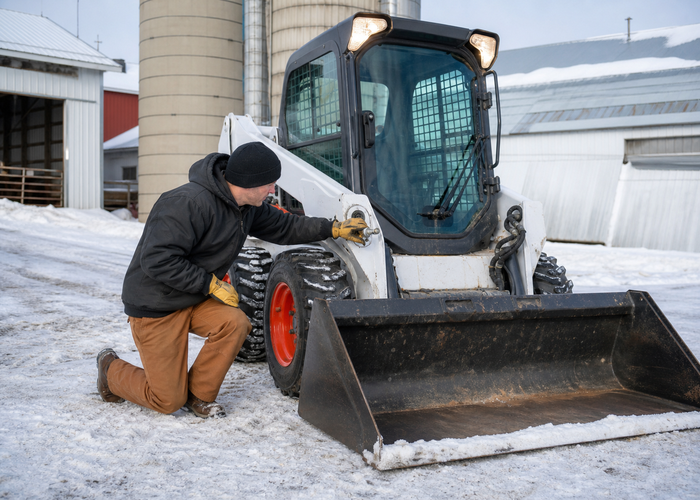
Plán čištění sněhu smykem pro zemědělské dvory, stodolní dveře a přístup k vybavení
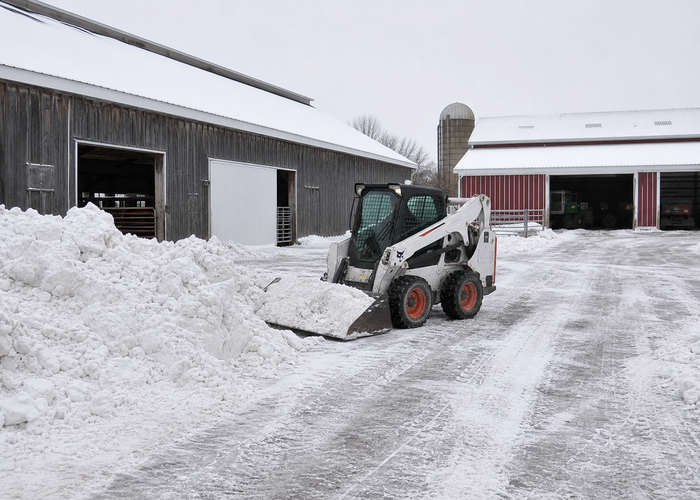
Praktický plán odklízení sněhu smykem pro hospodářské dvory, vrata stodoly, přístup k vybavení, umístění pilot, zimní kontrolu a bezpečný provoz nakladače.
A skid steer snow clearing plan should be made before the first push. Farm yards have barn doors, fuel access, feed routes, parked equipment, ice patches, drains, gates, and people moving through the same space. The operator needs a pattern that clears access without trapping snow where it will create the next problem.
Recenze zákazníků QiLu Machinery možnosti smykem řízeného nakladače should think about winter work as a layout problem. A compact loader can turn tightly, but tight turning is not the same as good snow management. Pile location, visibility, traction, and bucket height decide whether the yard stays usable.
This guide uses practical winter equipment habits supported by general safety thinking from OSHA a NIOSH.
Plan Pile Locations Before Pushing Snow
Snow piles should not block doors, drains, gates, fuel tanks, emergency access, sight lines, or future plowing space. A convenient pile today can become a frozen wall after the next storm. Decide where snow will go before the loader starts moving.
Leave room for meltwater. If piles drain across a lane and refreeze, the yard becomes more dangerous after clearing. Watch low spots and avoid pushing snow against walls or equipment that needs ventilation or access.
Winter Inspection Before Startup
Cold weather makes small issues larger. Check tires, lights, wipers, cab visibility, bucket edge, hydraulic couplers, fuel level, battery condition, and attachment pins. Clean windows and lights before work begins, not after visibility becomes a problem.
If the loader uses chains, tracks, or a snow pusher, inspect them before the first push. A loose chain or damaged cutting edge can ruin a cleared surface and stop the job when the yard is already blocked.
Travel Lanes, Doors, and Equipment Access
Clear primary lanes first: barn doors, feed routes, fuel access, emergency lane, and equipment exits. Secondary parking or storage areas can wait. A yard that looks half-cleared but keeps essential movement open is more useful than a yard that is tidy in the wrong places.
For equipment planning, compare winter yard work with skid steer loader applications a navádění k aplikaci zařízení.
Operate Slowly and Keep the Bucket Low
Snow hides curbs, ruts, tools, hoses, frozen manure, and uneven pavement. Keep the bucket low, travel slowly, and avoid ramming piles. Impact loads can damage the machine, attachment, door frames, or hidden objects.
Visibility changes constantly. Blowing snow, fogged glass, low sun, and night work can reduce the operator?s view. Stop and clean windows when needed. Do not keep pushing with a guess about what is in front of the bucket.
When people or animals enter the yard, stop. Winter clothing and engine noise make communication harder. A loader should not move until the route is clear again.
After-Storm Review
After clearing, walk the yard. Check whether drains are open, doors can swing, equipment can exit, and snow piles leave room for another storm. Mark ice patches and treat them before traffic polishes them harder.
Record problem areas: drifting corners, weak traction, blocked drains, poor visibility, and pile locations that failed. These notes improve the next storm response.
Short Snow Clearing Checklist
Inspect machine, choose pile locations, clear primary lanes, keep bucket low, avoid hidden obstacles, protect doors and drains, stop for people, check ice, and record changes for the next storm.
Terénní scénář: Jak plán změní pracovní den
Dobrý plán vybavení změní první hodinu práce Místo toho, aby jel přímo do úkolu, obsluha čte zemi, kontroluje stroj, studuje trasu, potvrzuje vzdálenost kolemjdoucích a rozhoduje, čeho by měl první bezpečný průchod dosáhnout. Tato krátká pauza často zabraňuje dlouhým prodlevám, které přicházejí z vyjetých kolejí, poškozených nástavců, zablokovaného přístupu, špatného odvodnění nebo stroje, který musí být později obnoven.
Práce by měla být popsána v běžném jazyce pole, Jaký povrch je chráněn? Kde se bude materiál pohybovat? Co se stane, když se země změkne? Která hrana, plot, dveře, příkop, nebo svah nemůže být poškozen? Která část trasy musí zůstat otevřená pro další zařízení? Tyto otázky činí volbu stroje praktičtější než jednoduché srovnání výkonu nebo hmotnosti.
Pravidla komunikace a zastavení operátora
Každá práce potřebuje pravidlo zastavení, kterému každý rozumí Operátor by měl zastavit, když stroj jinak zachází, když se změní trasa, když člověk vstoupí do pracovní zóny, když hadice nebo kolík vypadá špatně, když je špatná viditelnost nebo když plánovaný první průchod již neodpovídá skutečné zemi Předčasné zastavení je profesionální rozhodnutí, nikoli známka nejistoty.
Pomocníci by měli stát tam, kde je obsluha může vidět, nikdy mezi strojem a pevným předmětem Když je potřeba spotter, dohodněte se na signálech před pohybem stroje Pokud je signál nejasný, měl by operátor zastavit a obnovit komunikaci, spíše než hádat.
Inspekční vodítka během práce
Některé problémy se objevují pouze při zatížení Příjezdová cesta může vypadat pevně, dokud čepel nezačne tahat štěrk Kořen se může zdát volný, dokud nezvedne část trávníku Sněhová hromada může vypadat neškodně, dokud nezablokuje dveře, odtok, palivovou nádrž nebo cestu zařízení, Provozovatel by měl tyto změny považovat za informaci a upravit plán.
Záznamy jsou užitečné, když zachycují okamžik, kdy se něco změnilo Zapište si stav povrchu, nastavení přílohy, chování stroje, počasí a výsledek Během několika úloh tyto poznámky ukazují, které nastavení funguje, která trasa vytváří poškození a které připojení šetří čas.
Plánovací zdroje a poznámky bohaté na odkazy
Pro interní plánování porovnejte úkol s QiLu Machinery všechny strojní výrobky, řešení aplikací produktů, stránka aplikace zařízení, a blog strojů. Tyto stránky pomáhají propojit jednu úlohu s širším vozovým parkem zařízení namísto výběru stroje v izolaci.
Pro externí referenci použijte obecné zdroje bezpečnosti a plánování lokality OSHA, NIOSH, USDA NRCS pokyny pro zdraví půdy, Bezpečnostní zdroje farmy University of Minnesota Extension, a Zemědělské bezpečnostní zdroje CDC. Tyto zdroje nenahrazují příručku obsluhy, ale posilují stejné návyky: nejprve zkontrolujte, chraňte lidi, čtěte zem a zastavte se, když stroj vydá varování.
Vedení záznamů, které ve skutečnosti pomáhá
Užitečný záznam může být krátký: datum, operátor, stroj, upevnění, stav země, pracovní cíl, neobvyklá pozorování a následná akce Důležitou částí je přezkoumání vzoru Pokud se vyplaví stejný pruh, stejná kořenová oblast poškodí trávník nebo stejný přístup k hromadám sněhu, plán se musí změnit před další prací.
Manažeři by měli proměnit opakované poznámky v akci. Tou akcí může být oprava, lepší trasa, jiné připojení, zlepšení odvodnění nebo nový tréninkový bod. Poznámka, která není nikdy přezkoumána, je pouze úložiště; zkontrolovaná poznámka se stane lepší dobou provozuschopnosti.
Match the Attachment to the Yard Layout
The right snow attachment depends on the yard more than on the storm total alone. A bucket is flexible when snow must be lifted, stacked, or carried away from a doorway. A snow pusher can move volume quickly across an open lane, but it needs room to turn and a planned pile location. A blade can angle windrows away from access routes, but the operator must avoid building frozen ridges where equipment needs to cross later.
Before the storm season, walk the yard and mark tight gates, livestock paths, fuel points, drains, door swing areas, and places where snow piles reduced visibility in previous winters. This walk turns attachment choice into a layout decision. It also helps the operator decide where to begin when the next storm arrives before daylight or during a busy feeding schedule.
Decision Table for Snow Clearing Choices
| Yard condition | Priority move | Čemu se vyhnout |
|---|---|---|
| Open lane to barn doors | Clear a straight access path first, then widen it | Piling snow where doors, loaders, or feed wagons must turn |
| Drains or low spots | Keep snow piles away and open meltwater paths | Creating refreeze lanes across daily traffic routes |
| Parked equipment line | Push snow outward before it freezes around tires or tracks | Stacking snow against machines that may need emergency access |
| Mixed people and animals | Stop movement until the route is clear and visible | Backing through blind corners or relying on sound warnings only |
Traction, Visibility, and Cold-Weather Maintenance
Snow work punishes weak maintenance habits. Tires or tracks need usable tread, lights need to be clean, hydraulic couplers need to be seated, and the operator needs a clear view before moving. Cold starts also demand attention to battery condition, fuel quality, and warm-up routine. A machine that runs well in summer can become difficult to control when visibility, traction, and hydraulic response all change at once.
General safety references from OSHA a NIOSH are helpful reminders, but the machine manual and the actual yard plan should guide the final routine. Keep a simple pre-storm checklist in the cab or shop: inspect cutting edge, tires or tracks, lights, wipers, mirrors, cab heater, attachment lock, hydraulic leaks, backup alarm, and fuel level.
Design the Push Pattern for the Next Storm
A good snow clearing plan protects future capacity. If every storm is pushed to the nearest edge, the yard can run out of storage space halfway through winter. Instead, choose pile zones that leave expansion room, preserve sight lines, and drain away from daily travel lanes. When snow must be stacked, build piles where falling chunks or refreeze will not block doors, drains, fuel tanks, or emergency access.
The first pass should open the most important route, not the easiest route. On a farm yard, that may mean feed access, livestock care, fuel, a service door, or the route needed to move another machine. Once the essential lane is open, the operator can widen turns, clear secondary parking, and tidy edges. For fleet planning, compare this work with možnosti smykem řízeného nakladače, machinery application solutions, a the full QiLu Machinery product range.
Common Winter Mistakes
The most common mistake is pushing snow too close to buildings. It feels efficient in the moment, but it can block ventilation, hold moisture against walls, prevent doors from opening, and create ice where meltwater runs back into traffic. Another mistake is leaving small ridges across gateways. Once those ridges freeze, they become obstacles for tractors, trailers, and people walking in poor light.
A third mistake is ignoring after-storm inspection. The yard may look clear from the cab, but a walkaround can reveal blocked drains, polished ice, buried hoses, or piles that will narrow the next turn. Record those findings in the same place the crew tracks maintenance. Over time, the notes show which pile locations work and which corners need markers, gravel repair, or better lighting.
Buyer Questions for Winter-Ready Skid Steer Work
When evaluating a skid steer for winter yard duty, ask about visibility, cab comfort, hydraulic flow, tire or track options, attachment compatibility, service access, lighting, and transport between sites. A machine that is comfortable and visible in winter often gets used more consistently and with better control. A machine that is hard to see from or difficult to start becomes a bottleneck during storms.
Winter work also overlaps with year-round chores. The same loader may move feed, bedding, pallets, gravel, soil, or landscape material after the snow melts. The stránka aplikace zařízení a blog strojů are useful internal references for connecting snow clearing to broader farm and property maintenance needs.
Praktické FAQ
Jak by měl být tento průvodce používán? Použijte jej jako plánovací pomůcku spolu s manuálem stroje, pravidly místa a terénním úsudkem operátora.
Co by mělo zastavit práci? Zastávka pro nestabilní manipulaci, poškozené kolíky, netěsné hadice, nejasnou viditelnost, kolemjdoucí v pracovní oblasti, neočekávaný pohyb země nebo jakýkoli stav, který obsluha nedokáže vysvětlit.
Jak může malá posádka zůstat konzistentní? Uchovávejte kontrolní seznam v blízkosti stroje, používejte stejná pravidla zastavení každý den a kontrolujte krátké poznámky k zakázce alespoň jednou týdně.
A skid steer snow clearing plan works when it keeps tomorrow in mind. Clear the lane, protect doors and drains, leave room for the next storm, and document the spots that always need attention.