Shandong Qilu Industrial Co., Ltd میں خوش آمدید

 Urdu
Urdu English
 Arabic
 Bulgarian
 Bengali
 Czech
Czech
 Danish
 German
 Greek
Greek
 Spanish
 Finnish
 French
 Hindi
Hindi
 Croatian
 Hungarian
 Indonesian
 Italian
 Japanese
 Korean
 Lithuanian
 Dutch
Dutch
 Norwegian
 Polish
 Portuguese
 Romanian
 Russian
 Slovak
 Slovenian
 Swedish
 Thai
Thai
 Turkish
 Ukrainian
 Vietnamese
 Tagalog
 Malay
Malay
 Estonian
 Catalan
 Latvian
 Serbian
 Persian
 Swahili
 Albanian
 Armenian
 Icelandic
 Bosnian
 Luxembourgish
 Afrikaans
Urdu English
Arabic
Bulgarian
Bengali
Czech
Danish
German
Greek
Spanish
Finnish
French
Hindi
Croatian
Hungarian
Indonesian
Italian
Japanese
Korean
Lithuanian
Dutch
Norwegian
Polish
Portuguese
Romanian
Russian
Slovak
Slovenian
Swedish
Thai
Turkish
Ukrainian
Vietnamese
Tagalog
Malay
Estonian
Catalan
Latvian
Serbian
Persian
Swahili
Albanian
Armenian
Icelandic
Bosnian
Luxembourgish
Afrikaans
Afrikaans
Urdu English
Arabic
Bulgarian
Bengali
Czech
Danish
German
Greek
Spanish
Finnish
French
Hindi
Croatian
Hungarian
Indonesian
Italian
Japanese
Korean
Lithuanian
Dutch
Norwegian
Polish
Portuguese
Romanian
Russian
Slovak
Slovenian
Swedish
Thai
Turkish
Ukrainian
Vietnamese
Tagalog
Malay
Estonian
Catalan
Latvian
Serbian
Persian
Swahili
Albanian
Armenian
Icelandic
Bosnian
Luxembourgish
Afrikaans
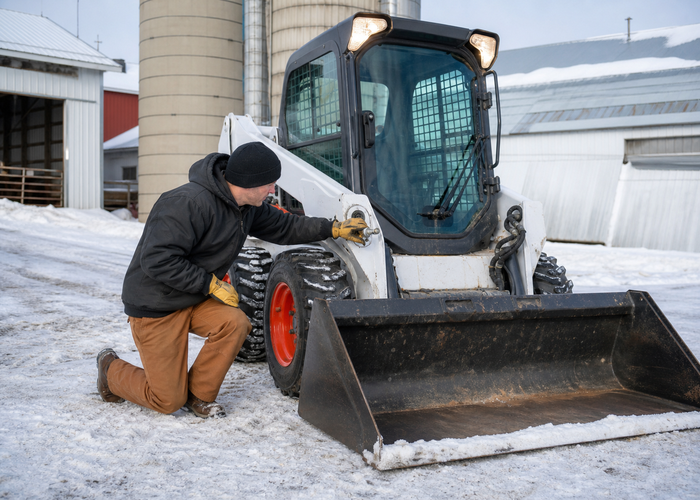
فارم یارڈز، بارن ڈورز، اور آلات تک رسائی کے لیے سکڈ اسٹیئر سنو کلیئرنگ پلان۔
فارم یارڈز، بارن کے دروازے، آلات تک رسائی، ڈھیر لگانے، موسم سرما کے معائنے، اور محفوظ لوڈر آپریشن کے لیے ایک عملی سکڈ برف صاف کرنے کا منصوبہ۔.
پہلے دھکا سے پہلے ایک سکڈ اسٹیئر برف صاف کرنے کا منصوبہ بنایا جانا چاہئے. فارم یارڈ میں گودام کے دروازے، ایندھن تک رسائی، فیڈ کے راستے، کھڑے سامان، برف کے پیچ، نالوں، دروازے، اور ایک ہی جگہ سے گزرنے والے لوگ ہیں. آپریٹر کو ایک پیٹرن کی ضرورت ہے جو برف کو پھنسائے بغیر رسائی کو صاف کرے جہاں یہ اگلا مسئلہ پیدا کرے گا.
QiLu مشینری کے صارفین کا جائزہ لے رہے ہیں سکڈ اسٹیئر لوڈر کے اختیارات موسم سرما کے کام کے بارے میں ایک ترتیب مسئلہ کے طور پر سوچنا چاہئے. ایک کمپیکٹ لوڈر مضبوطی سے موڑ سکتا ہے، لیکن سخت موڑ اچھا برف کے انتظام کے طور پر نہیں ہے. ڈھیر کی جگہ، مرئیت، کرشن، اور بالٹی کی اونچائی فیصلہ کرتی ہے کہ آیا یارڈ قابل استعمال رہتا ہے.
یہ گائیڈ موسم سرما کے سازوسامان کی عملی عادات کا استعمال کرتا ہے جس کی مدد سے عمومی حفاظتی سوچ کی مدد ہوتی ہے۔ اوشا اور NIOSH.
برف کو دھکیلنے سے پہلے ڈھیر کے مقامات کی منصوبہ بندی کریں
برف کے ڈھیر کو دروازے، نالوں، دروازے، ایندھن کے ٹینک، ہنگامی رسائی، نظر لائنوں، یا مستقبل میں ہل چلانے کی جگہ کو روکنا نہیں چاہئے. آج ایک آسان ڈھیر اگلے طوفان کے بعد ایک منجمد دیوار بن سکتا ہے. فیصلہ کریں کہ لوڈر منتقل کرنے سے پہلے برف کہاں جائے گی.
پگھلنے والے پانی کے لئے جگہ چھوڑ دو. اگر ڈھیر ایک لین میں نکل جاتے ہیں اور منجمد ہوجاتے ہیں تو ، صحن صاف ہونے کے بعد زیادہ خطرناک ہوجاتا ہے۔ کم جگہوں کو دیکھیں اور دیواروں یا آلات کے خلاف برف کو دھکیلنے سے گریز کریں جن کو وینٹیلیشن یا رسائی کی ضرورت ہے۔.
شروع ہونے سے پہلے موسم سرما کا معائنہ
سرد موسم چھوٹے مسائل کو بڑا بناتا ہے. ٹائر، لائٹس، وائپرز، ٹیکسی کی نمائش، بالٹی کنارے، ہائیڈرولک کپلر، ایندھن کی سطح، بیٹری کی حالت، اور منسلک پن چیک کریں. کام شروع ہونے سے پہلے کھڑکیوں اور لائٹس کو صاف کریں، نہ کہ مرئیت کے بعد ایک مسئلہ بن جاتا ہے.
اگر لوڈر زنجیروں، پٹریوں، یا برف کے پشر کا استعمال کرتا ہے، تو پہلے دھکا سے پہلے ان کا معائنہ کریں۔ ایک ڈھیلی زنجیر یا خراب کٹنگ ایج صاف شدہ سطح کو برباد کر سکتی ہے اور جب صحن پہلے ہی مسدود ہو تو کام کو روک سکتا ہے۔.
ٹریول لین، دروازے، اور آلات تک رسائی۔
سب سے پہلے بنیادی لین صاف کریں: بارن دروازے، فیڈ کے راستے، ایندھن تک رسائی، ہنگامی لین، اور سامان سے باہر نکلنا۔ ثانوی پارکنگ یا اسٹوریج ایریاز انتظار کر سکتے ہیں۔ ایک صحن جو آدھا صاف نظر آتا ہے لیکن ضروری نقل و حرکت کو کھلا رکھتا ہے وہ یارڈ سے زیادہ مفید ہے جو غلط جگہوں پر صاف ہے۔.
سامان کی منصوبہ بندی کے لیے، موسم سرما کے صحن کے کام کا موازنہ کریں۔ سکڈ اسٹیئر لوڈر ایپلی کیشنز۔ اور سامان کی درخواست کی رہنمائی.
آہستہ سے کام کریں اور بالٹی کو کم رکھیں
برف کرب، روٹ، اوزار، ہوزز، منجمد کھاد، اور ناہموار فرش کو چھپاتی ہے۔ بالٹی کو نیچے رکھیں، آہستہ سفر کریں، اور ڈھیروں سے بچیں۔ اثر بوجھ مشین، اٹیچمنٹ، دروازے کے فریموں، یا چھپی ہوئی اشیاء کو نقصان پہنچا سکتا ہے۔.
مرئیت مسلسل بدلتی رہتی ہے۔ برف، دھند زدہ شیشہ، کم سورج اور رات کا کام آپریٹر کے نظارے کو کم کر سکتا ہے۔ ضرورت پڑنے پر کھڑکیاں بند کرو اور صاف کرو۔ بالٹی کے سامنے کیا ہے اس کے بارے میں اندازہ لگاتے رہیں.
جب لوگ یا جانور صحن میں داخل ہوتے ہیں تو رک جاتے ہیں۔ موسم سرما کے لباس اور انجن کا شور مواصلات کو مشکل بنا دیتا ہے۔ ایک لوڈر کو اس وقت تک حرکت نہیں کرنی چاہئے جب تک کہ راستہ دوبارہ صاف نہ ہوجائے۔.
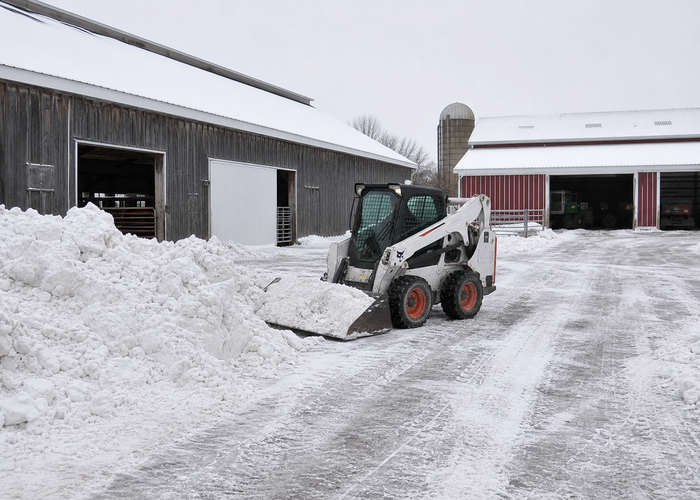
طوفان کے بعد کا جائزہ۔
صاف کرنے کے بعد، صحن چلو. چیک کریں کہ نالیاں کھلی ہیں، دروازے جھول سکتے ہیں، سامان باہر نکل سکتا ہے، اور برف کے ڈھیر ایک اور طوفان کے لیے جگہ چھوڑ دیتے ہیں۔ برف کے پیچ کو نشان زد کریں اور ٹریفک سے انہیں سخت پالش کرنے سے پہلے ان کا علاج کریں۔.
ریکارڈ کے مسائل کے علاقے: بہتے کونے، کمزور کرشن، مسدود نالے، خراب مرئیت، اور ڈھیر کے مقامات جو ناکام ہو گئے۔ یہ نوٹ اگلے طوفان کے ردعمل کو بہتر بناتے ہیں۔.
مختصر برف صاف کرنے والی چیک لسٹ۔
مشین کا معائنہ کریں، ڈھیر کے مقامات کا انتخاب کریں، بنیادی لین صاف کریں، بالٹی کو کم رکھیں، چھپی ہوئی رکاوٹوں سے بچیں، دروازوں اور نالوں کی حفاظت کریں، لوگوں کے لیے رکیں، برف چیک کریں، اور اگلے طوفان کے لیے تبدیلیاں ریکارڈ کریں۔.
فیلڈ منظر نامہ: منصوبہ کس طرح کام کے دن کو تبدیل کرتا ہے
ایک اچھا سامان منصوبہ کام کے پہلے گھنٹے میں تبدیل کرتا ہے. کام میں براہ راست گاڑی چلانے کے بجائے، آپریٹر زمین کو پڑھتا ہے، مشین کو چیک کرتا ہے، راستے کا مطالعہ کرتا ہے، راستے کی توثیق کرتا ہے، اور فیصلہ کرتا ہے کہ پہلا محفوظ پاس کیا حاصل کرنا چاہئے. یہ مختصر وقفہ اکثر طویل تاخیر کو روکتا ہے جو رگڑنے، خراب منسلکات، بلاک شدہ رسائی، ناقص نکاسی آب، یا ایک مشین جو بعد میں برآمد کرنا پڑتا ہے.
کام کو عام فیلڈ لینگویج میں بیان کیا جانا چاہیے۔ کس سطح کی حفاظت کی جا رہی ہے؟ مواد کہاں منتقل ہوگا؟ اگر زمین نرم ہو جائے تو کیا ہوگا؟ کس کنارے، باڑ، دروازے، کھائی، یا ڈھلوان کو نقصان نہیں پہنچایا جا سکتا؟ راستے کا کون سا حصہ دوسرے آلات کے لیے کھلا رہنا چاہیے؟ یہ سوالات مشین کے انتخاب کو ایک سادہ ہارس پاور یا وزن کے موازنہ سے زیادہ عملی بناتے ہیں۔.
آپریٹر کمیونیکیشن اینڈ اسٹاپ رولز۔
ہر کام کو ایک سٹاپ اصول کی ضرورت ہوتی ہے جو ہر کوئی سمجھتا ہے. آپریٹر کو اس وقت رک جانا چاہئے جب مشین مختلف طریقے سے ہینڈل کرتی ہے، جب راستہ تبدیل ہوتا ہے، جب کوئی شخص کام کے علاقے میں داخل ہوتا ہے، جب نلی یا پن غلط نظر آتا ہے، جب مرئیت خراب ہوتی ہے، یا جب منصوبہ بند پہلا پاس اصل زمین سے میل نہیں کھاتا ہے۔ ابتدائی روکنا ایک پیشہ ورانہ فیصلہ ہے، غیر یقینی صورتحال کی علامت نہیں۔.
مدد کرنے والوں کو وہیں کھڑا ہونا چاہیے جہاں آپریٹر انہیں دیکھ سکتا ہے، کبھی بھی مشین اور کسی مقررہ چیز کے درمیان نہیں۔ جب سپوٹر کی ضرورت ہو تو مشین کے چلنے سے پہلے سگنلز پر متفق ہوں۔ اگر سگنل واضح نہیں ہے تو آپریٹر کو اندازہ لگانے کے بجائے مواصلات کو روکنا اور دوبارہ ترتیب دینا چاہیے۔.
ملازمت کے دوران معائنہ کے اشارے
کچھ مسائل صرف بوجھ کے نیچے ظاہر ہوتے ہیں۔ ایک ڈرائیو وے اس وقت تک مضبوط نظر آسکتا ہے جب تک کہ بلیڈ بجری کھینچنا شروع نہ کر دے۔ ایک جڑ اس وقت تک ڈھیلی لگ سکتی ہے جب تک کہ یہ لان کے ایک حصے کو نہ اٹھا لے۔ برف کا ڈھیر اس وقت تک بے ضرر نظر آسکتا ہے جب تک کہ یہ دروازے، نالے، ایندھن کے ٹینک، یا آلات کے راستے کو بلاک نہ کر دے۔ آپریٹر کو ان تبدیلیوں کو معلومات کے طور پر سمجھنا چاہیے اور منصوبہ کو ایڈجسٹ کرنا چاہیے۔.
ریکارڈز مفید ہوتے ہیں جب وہ کچھ بدلتے ہوئے لمحے کو پکڑتے ہیں۔ سطح کی حالت، منسلک ترتیب، مشین کے رویے، موسم اور نتیجہ لکھیں۔ کئی ملازمتوں میں، وہ نوٹ دکھاتے ہیں کہ کون سا سیٹ اپ کام کرتا ہے، کون سا راستہ نقصان پہنچاتا ہے، اور کون سا منسلکہ وقت بچاتا ہے۔.
منصوبہ بندی کے وسائل اور لنک سے بھرپور نوٹس۔
اندرونی منصوبہ بندی کے لئے، QiLu مشینری کے ساتھ کام کا موازنہ کریں تمام مشینری کی مصنوعات, مصنوعات کی درخواست کے حل, سامان کی درخواست کا صفحہ, اور، اور مشینری بلاگ. یہ صفحات تنہائی میں مشین کا انتخاب کرنے کے بجائے وسیع تر سامان کے بیڑے سے ایک کام کو جوڑنے میں مدد کرتے ہیں۔.
بیرونی حوالہ کے لیے، سے عمومی حفاظت اور سائٹ کی منصوبہ بندی کے وسائل استعمال کریں۔ اوشا, NIOSH, USDA NRCS مٹی کی صحت کی رہنمائی۔, یونیورسٹی آف مینیسوٹا ایکسٹینشن فارم سیفٹی وسائل۔, اور، اور سی ڈی سی زرعی حفاظت کے وسائل۔. یہ وسائل آپریٹر دستی کی جگہ نہیں لیتے ہیں، لیکن وہ انہی عادات کو تقویت دیتے ہیں: پہلے معائنہ کریں، لوگوں کی حفاظت کریں، زمین پڑھیں، اور جب مشین انتباہ دے تو رک جائیں۔.
ریکارڈ کیپنگ جو دراصل مدد کرتی ہے۔
ایک مفید ریکارڈ مختصر ہو سکتا ہے: تاریخ، آپریٹر، مشین، منسلک، زمینی حالت، کام کا مقصد، غیر معمولی مشاہدات، اور فالو اپ ایکشن۔ اہم حصہ پیٹرن کا جائزہ لے رہا ہے۔ اگر ایک ہی لین دھوتی ہے، تو وہی جڑ کا علاقہ ٹرف کو نقصان پہنچاتا ہے، یا وہی برف کے ڈھیر تک رسائی کو روکتا ہے، منصوبہ کو اگلی نوکری سے پہلے تبدیل کرنے کی ضرورت ہے۔.
مینیجرز کو بار بار نوٹوں کو عمل میں لانا چاہیے۔ یہ کارروائی ایک مرمت، ایک بہتر راستہ، ایک مختلف منسلکہ، نکاسی آب میں بہتری، یا ایک نیا تربیتی نقطہ ہو سکتا ہے۔ ایک نوٹ جس کا کبھی جائزہ نہیں لیا جاتا وہ صرف اسٹوریج ہے۔ ایک جائزہ شدہ نوٹ بہتر اپ ٹائم بن جاتا ہے۔.
یارڈ لے آؤٹ سے منسلک سے ملیں۔
دائیں برف کا اٹیچمنٹ صرف طوفان کے کل سے زیادہ صحن پر منحصر ہے۔ ایک بالٹی لچکدار ہوتی ہے جب برف کو دروازے سے اٹھانا، اسٹیک کرنا یا لے جانا ضروری ہے۔ برف کا پشر کھلی لین میں حجم کو تیزی سے منتقل کر سکتا ہے، لیکن اسے موڑنے کے لیے جگہ اور ڈھیر کی منصوبہ بندی کی ضرورت ہوتی ہے۔ ایک بلیڈ تک رسائی کے راستوں سے دور ہوا کے سوراخوں کو زاویہ دے سکتا ہے، لیکن آپریٹر کو منجمد ریزوں کی تعمیر سے گریز کرنا چاہیے جہاں سامان کو بعد میں عبور کرنے کی ضرورت ہو۔.
طوفان کے موسم سے پہلے، صحن میں چلیں اور تنگ دروازوں، مویشیوں کے راستوں، ایندھن کے پوائنٹس، نالوں، دروازے کے جھولے والے علاقوں، اور ایسی جگہوں کو نشان زد کریں جہاں پچھلی سردیوں میں برف کے ڈھیروں نے مرئیت کو کم کیا تھا۔ یہ واک منسلکہ انتخاب کو ترتیب کے فیصلے میں بدل دیتی ہے۔ یہ آپریٹر کو یہ فیصلہ کرنے میں بھی مدد کرتا ہے کہ اگلا طوفان دن کی روشنی سے پہلے یا کھانا کھلانے کے مصروف شیڈول کے دوران کہاں سے شروع ہونا ہے۔.
برف صاف کرنے کے انتخاب کے لئے فیصلہ ٹیبل
| یارڈ کی حالت۔ | ترجیحی اقدام۔ | کیا بچنا ہے |
|---|---|---|
| بارن کے دروازے تک کھلی لین۔ | پہلے سیدھا راستہ صاف کریں، پھر اسے چوڑا کریں۔ | برف کا ڈھیر لگانا جہاں دروازے، لوڈرز، یا فیڈ ویگنوں کو مڑنا چاہیے۔ |
| نالی یا کم دھبے | برف کے ڈھیروں کو دور رکھیں اور پگھلنے والے پانی کے راستے کھولیں۔ | روزانہ ٹریفک کے راستوں پر ریفریز لین بنانا۔ |
| پارک شدہ سامان کی لائن۔ | ٹائروں یا پٹریوں کے ارد گرد جم جانے سے پہلے برف کو باہر کی طرف دھکیل دیں۔ | ایسی مشینوں کے خلاف برف کا ڈھیر لگانا جنہیں ہنگامی رسائی کی ضرورت ہو سکتی ہے۔ |
| مخلوط لوگ اور جانور۔ | جب تک راستہ صاف اور نظر نہ آئے حرکت بند کریں۔ | اندھے کونوں سے پیچھے ہٹنا یا صرف صوتی انتباہات پر انحصار کرنا۔ |
کرشن، مرئیت، اور سرد موسم کی دیکھ بھال۔
برف کا کام کمزور دیکھ بھال کی عادات کو سزا دیتا ہے۔ ٹائر یا پٹریوں کو قابل استعمال چلنے کی ضرورت ہوتی ہے، لائٹس کو صاف کرنے کی ضرورت ہوتی ہے، ہائیڈرولک کپلر کو بیٹھنے کی ضرورت ہوتی ہے، اور آپریٹر کو حرکت کرنے سے پہلے واضح نظارے کی ضرورت ہوتی ہے۔ کولڈ بیٹری کی حالت، ایندھن کے معیار اور وارم اپ روٹین پر بھی توجہ دینے کا مطالبہ کرتا ہے۔ گرمیوں میں اچھی طرح سے چلنے والی مشین کو کنٹرول کرنا مشکل ہو سکتا ہے جب مرئیت، کرشن اور ہائیڈرولک ردعمل سب ایک ساتھ تبدیل ہو جائیں۔.
سے عمومی حفاظتی حوالہ جات۔ اوشا اور NIOSH مددگار یاد دہانیاں ہیں، لیکن مشین دستی اور اصل یارڈ منصوبہ حتمی معمول کی رہنمائی کرنا چاہئے. ٹیکسی یا دکان میں ایک سادہ پری طوفان چیک لسٹ رکھیں: جدید کنارے، ٹائر یا پٹریوں، لائٹس، وائپرز، آئینے، ٹیکسی ہیٹر، منسلک تالا، ہائیڈرولک لیک، بیک اپ الارم، اور ایندھن کی سطح کا معائنہ کریں.
اگلے طوفان کے لئے پش پیٹرن ڈیزائن کریں
برف صاف کرنے کا ایک اچھا منصوبہ مستقبل کی صلاحیت کی حفاظت کرتا ہے۔ اگر ہر طوفان کو قریب ترین کنارے پر دھکیل دیا جائے تو، صحن سردیوں کے آدھے راستے میں ذخیرہ کرنے کی جگہ ختم کر سکتا ہے۔ اس کے بجائے، پائل زونز کا انتخاب کریں جو توسیعی کمرے کو چھوڑ دیں، نظر کی لکیروں کو محفوظ رکھیں، اور روزانہ سفری لین سے دور ہو جائیں۔ جب برف کو اسٹیک کیا جانا چاہیے، تو ڈھیر بنائیں جہاں گرنے والے ٹکڑوں یا فریز سے دروازے، نالے، ایندھن کے ٹینک، یا ہنگامی رسائی کو روکا نہ جائے۔.
پہلا پاس سب سے اہم راستہ کھولنا چاہئے، آسان ترین راستہ نہیں. فارم یارڈ پر، اس کا مطلب فیڈ تک رسائی، مویشیوں کی دیکھ بھال، ایندھن، سروس کا دروازہ، یا دوسری مشین کو منتقل کرنے کے لئے درکار راستہ ہوسکتا ہے۔ ایک بار جب ضروری لین کھل جائے تو آپریٹر موڑ کو چوڑا کر سکتا ہے، ثانوی پارکنگ کو صاف کر سکتا ہے، اور صاف کناروں کو صاف کر سکتا ہے۔ بیڑے کی منصوبہ بندی کے لئے، اس کام کے ساتھ موازنہ کریں سکڈ اسٹیئر لوڈر کے اختیارات, مشینری کی درخواست کے حل, اور، اور مکمل QiLu مشینری مصنوعات کی حد.
موسم سرما کی عام غلطیاں۔
سب سے عام غلطی برف کو عمارتوں کے بہت قریب دھکیلنا ہے۔ یہ اس وقت موثر محسوس ہوتا ہے ، لیکن یہ وینٹیلیشن کو روک سکتا ہے ، دیواروں کے خلاف نمی روک سکتا ہے ، دروازے کھلنے سے روک سکتا ہے ، اور برف پیدا کرسکتا ہے جہاں پگھلا ہوا پانی ٹریفک میں واپس آجاتا ہے۔ ایک اور غلطی گیٹ ویز کے پار چھوٹی چھوٹی چوٹیوں کو چھوڑنا ہے۔ ایک بار جب وہ چوٹییں جم جاتی ہیں تو وہ ٹریکٹروں ، ٹریلرز اور ناقص روشنی میں چلنے والے لوگوں کے لئے رکاوٹ بن جاتی ہیں۔.
تیسری غلطی طوفان کے بعد معائنہ کو نظر انداز کر رہی ہے۔ صحن ٹیکسی سے صاف نظر آسکتا ہے، لیکن چہل قدمی سے مسدود نالے، پالش برف، دبی ہوئی ہوزز، یا ڈھیروں کا پتہ چل سکتا ہے جو اگلے موڑ کو تنگ کر دیں گے۔ ان نتائج کو اسی جگہ پر ریکارڈ کریں جہاں عملہ دیکھ بھال کو ٹریک کرتا ہے۔ وقت گزرنے کے ساتھ، نوٹ دکھاتے ہیں کہ کون سے ڈھیر والے مقامات کام کرتے ہیں اور کن کونوں کو مارکر، بجری کی مرمت، یا بہتر روشنی کی ضرورت ہوتی ہے۔.
موسم سرما کے لئے تیار سکڈ اسٹیئر کام کے لئے خریدار کے سوالات
موسم سرما کے یارڈ ڈیوٹی کے لئے سکڈ اسٹیئر کا جائزہ لیتے وقت ، مرئیت ، ٹیکسی آرام ، ہائیڈرولک بہاؤ ، ٹائر یا ٹریک کے اختیارات ، منسلک مطابقت ، سروس تک رسائی ، روشنی اور سائٹس کے درمیان نقل و حمل کے بارے میں پوچھیں۔ ایک مشین جو سردیوں میں آرام دہ اور نظر آتی ہے اکثر مستقل طور پر اور بہتر کنٹرول کے ساتھ استعمال ہوتی ہے۔ ایک مشین جس سے دیکھنا مشکل یا شروع کرنا مشکل ہوتا ہے طوفان کے دوران رکاوٹ بن جاتی ہے۔.
موسم سرما کا کام بھی سال بھر کے کاموں سے اوور لیپ ہوتا ہے۔ وہی لوڈر برف پگھلنے کے بعد فیڈ، بستر، پیلیٹ، بجری، مٹی، یا زمین کی تزئین کے مواد کو منتقل کر سکتا ہے۔ سامان کی درخواست کا صفحہ اور مشینری بلاگ برف صاف کرنے کو وسیع تر فارم اور جائیداد کی دیکھ بھال کی ضروریات سے جوڑنے کے لیے مفید اندرونی حوالہ جات ہیں۔.
عملی عمومی سوالات
اس گائیڈ کو کس طرح استعمال کیا جانا چاہئے؟ مشین دستی، سائٹ کے قواعد، اور آپریٹر کے فیلڈ فیصلے کے ساتھ مل کر منصوبہ بندی کی امداد کے طور پر استعمال کریں.
کام کو کیا روکنا چاہئے؟ غیر مستحکم ہینڈلنگ، خراب پنوں، ہوزز کا رساؤ، غیر واضح مرئیت، کام کے علاقے میں موجود افراد، غیر متوقع زمینی حرکت، یا کسی بھی ایسی حالت کے لیے رکیں جس کی آپریٹر وضاحت نہیں کر سکتا۔.
ایک چھوٹا عملہ مستقل کیسے رہ سکتا ہے؟ چیک لسٹ کو مشین کے قریب رکھیں، ہر روز ایک ہی سٹاپ کے قواعد کا استعمال کریں، اور کم از کم ہفتہ وار مختصر ملازمت کے نوٹ کا جائزہ لیں.
ایک سکڈ اسٹیئر برف صاف کرنے کا منصوبہ کام کرتا ہے جب یہ کل کو ذہن میں رکھتا ہے۔ لین کو صاف کریں، دروازوں اور نالوں کی حفاظت کریں، اگلے طوفان کے لیے جگہ چھوڑ دیں، اور ان مقامات کو دستاویز کریں جن پر ہمیشہ توجہ کی ضرورت ہوتی ہے۔.