E-mail: [email protected] WhatsApp: +8618266768780
E-mail: [email protected] WhatsApp: +8618266768780


Immagina di stare nel tuo campo, valutando quale trattore ti aiuterà a fare di più con meno sforzo Vuoi che le 5 migliori caratteristiche cerchino in un trattore agricolo moderno perché queste scelte influenzano ogni parte del tuo lavoro, dal risparmio di carburante al comfort durante le ore. Studi recenti mostrano che caratteristiche come agricoltura di precisione, elettrificazione e automazione non solo aumentano la produttività ma riducono anche i costi operativi.
Ecco una rapida occhiata a come queste funzionalità fanno la differenza:
| Caratteristica | Impatto Produttività | Impatto sui costi |
|---|---|---|
| Agricoltura di precisione | Migliora la precisione, riduce gli sprechi | Abbassa i costi di input |
| Elettrificazione | Alternativa più pulita, aumenta la sostenibilità | Taglia le spese di carburante e manutenzione |
| Telematica | Riduce i tempi di inattività, prolunga la durata della macchina | Abbassa i costi di riparazione |
| Integrazione AI | Consente decisioni basate sui dati, rendimenti migliori | Riduce i costi di manodopera, migliora l'efficienza |
| Automazione | Aumenta l'efficienza, meno l'intervento umano | Taglia i costi di manodopera, accelera il completamento delle attività |
Quando valuti i trattori per la tua azienda agricola, vuoi concentrarti sul Top 5 Caratteristiche da cercare in un moderno trattore agricolo Queste caratteristiche ti aiutano a lavorare in modo più efficiente, risparmiare denaro e rimanere a tuo agio durante le lunghe giornate sul campo Gli esperti di attrezzature agricole consigliano questi cinque elementi essenziali:
Queste funzionalità sono fondamentali per le moderne operazioni agricole perché influiscono direttamente sulla produttività, sulla sicurezza e sulla versatilità delle attrezzature.
Hai bisogno della giusta potenza del motore per soddisfare le esigenze della tua azienda agricola Per le aziende agricole di medie e grandi dimensioni, la maggior parte dei moderni trattori agricoli offre motori tra 50 e 150 cavalli I trattori utilitari con 50-100 cavalli gestiscono attività di medio-pesante come l'aratura, la lavorazione e il trasporto Se gestisci operazioni su scala commerciale, i trattori con 100-150 cavalli ti danno la forza per compiti estremi, come lo strappo profondo o la semina su larga scala Scegliere la giusta potenza ti assicura di finire i lavori più velocemente ed evitare di lavorare troppo la tua attrezzatura.
L'efficienza del motore gioca un ruolo importante nel ridurre i costi operativi Il miglioramento del design del motore ti aiuta a utilizzare meno carburante e a ridurre le emissioni La tabella seguente mostra come si confrontano i diversi tipi di trattori emissioni annuali e risparmio di carburante:
| Tipo Trattore | Emissioni annuali di WTW (kg CO2 e/ha) | Riduzione delle emissioni rispetto al diesel (%) |
|---|---|---|
| Diesel | 249 | N / A |
| Batteria elettrica | N / A | 96 |
| Biogas | Negativo | N / A |
| Gas naturale | N / A | 7.6 |
| Serie Hybrid | N / A | -10.5 |
Passare a motori più efficienti o carburanti alternativi può ridurre le bollette del carburante e aiutarti a soddisfare gli standard ambientali.
I moderni motori dei trattori agricoli ora includono tecnologie avanzate che aumentano l'efficienza e la precisione Puoi trovare trattori autonomi guidati da AI e GPS, modelli elettrici e ibridi e macchine con tecnologia di agricoltura di precisione Queste funzionalità ti aiutano a indirizzare il tuo lavoro, ridurre gli sprechi e affrontare la carenza di manodopera I sistemi telematici ti consentono di monitorare le prestazioni del tuo trattore in tempo reale, mentre la robotica e l'intelligenza artificiale automatizzano attività complesse come il diserbo e la raccolta Queste innovazioni rendono la tua azienda agricola più produttiva e sostenibile.
È inoltre necessario considerare la conformità alle emissioni Utilizzo dei motori moderni tecnologie avanzate di controllo delle emissioni per soddisfare i severi standard per gli ossidi di azoto (NOx) e il particolato (PM) Il grafico seguente mostra come i limiti di emissione sono cambiati per le diverse classi di potenza del motore nel corso degli anni:
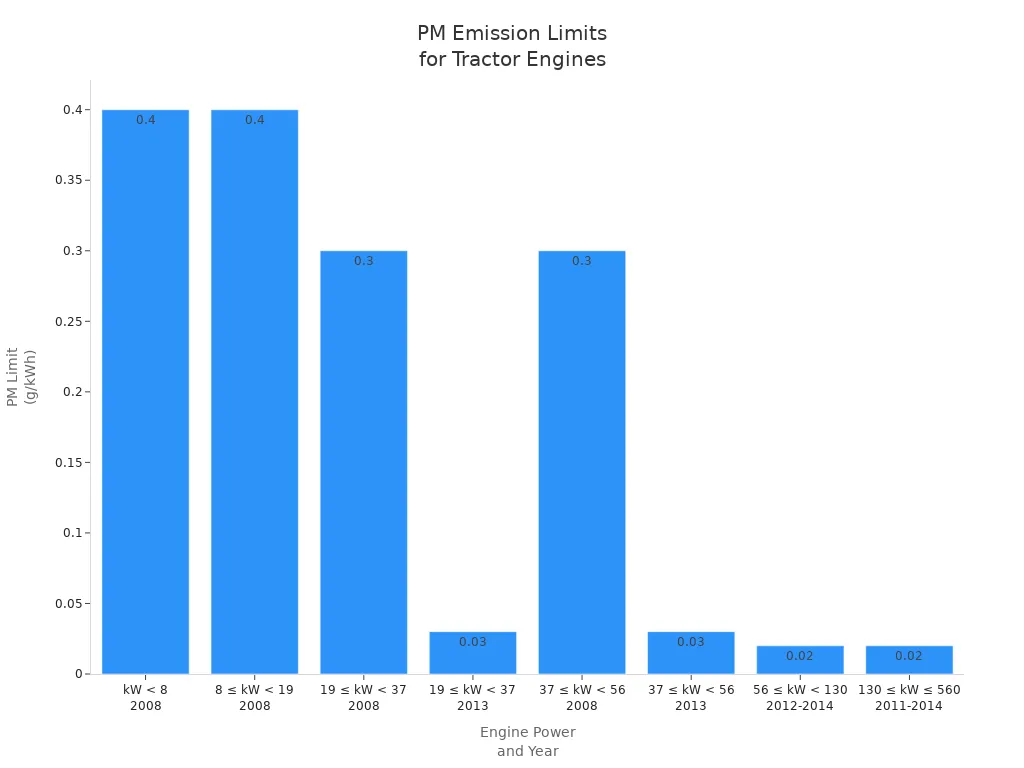
Questi miglioramenti ti aiutano a proteggere l'ambiente e a garantire che la tua attrezzatura soddisfi i requisiti legali Quando ti concentri sulle 5 migliori caratteristiche da cercare in un moderno trattore agricolo, ti prepari per un successo a lungo termine.
Scegliere il giusto tipo trasmissione è essenziale quando si valuta la Top 5 Caratteristiche da cercare in un moderno trattore agricolo La trasmissione influisce sulla facilità con cui si utilizza il trattore e sull'efficienza con cui si completano le attività.
Le trasmissioni manuali utilizzano ingranaggi e richiedono il cambio e la frizione Ottieni il massimo trasferimento potenza, che è importante per il lavoro pesante Tuttavia, il cambio manuale richiede più sforzo fisico e abilità Le trasmissioni automatiche, spesso idrostatiche, consentono di controllare la velocità e la direzione con i pedali Si verifica un funzionamento più fluido e meno affaticamento, soprattutto durante le attività ripetitive.
| Caratteristica | Trasmissione Manuale (Ingranaggio) | Trasmissione Automatica (Idrostatica) |
|---|---|---|
| Trasferimento di potenza | Trasferimento metallo-metallo per la massima potenza PTO | Il sistema idraulico può comportare una perdita di potenza |
| Facilità d'uso | Richiede frizione e cambio marcia | Funzionamento regolare con pedali per avanti/indietro |
| Controllo Velocità | Limitato per impostare i rapporti del cambio | Controllo della velocità infinito per compiti precisi |
| Costo di manutenzione | Generalmente più economico da mantenere | Costi più elevati dovuti a modifiche di fluidi e filtri |
| Idoneità ai compiti | Il meglio per compiti ad alta intensità di energia come l'aratura | Ideale per compiti che richiedono manovrabilità e controllo |
| Domanda dell'operatore | Più impegnativo fisicamente a causa dell'uso della frizione | Più facile per gli operatori, meno sforzo fisico |
Gli agricoltori su larga scala spesso preferiscono trasmissioni idrostatiche. Si ottiene versatilità e controllo regolare della velocità e della direzione Questo è particolarmente utile quando si utilizzano caricatori front-end o è necessario passare da avanti a indietro rapidamente Compiti come l'alimentazione del bestiame o materiali in movimento diventano più veloci e meno faticosi Per maggiori dettagli, è possibile leggere sulle scelte di trasmissione su Estensione Penn State e unisciti alle discussioni su Forum AgTalk.
Mancia: Se lavori su terreni collinari o esegui lavorazioni pesanti, le trasmissioni manuali potrebbero adattarsi meglio Per il lavoro con il caricatore o i frequenti cambi di direzione, le trasmissioni automatiche o idrostatiche risparmiano tempo e fatica.
Le trasmissioni a variazione continua (CVT) offrono cambi di velocità senza interruzioni senza cambi di marcia Ottieni un controllo continuo della coppia, che aumenta la produttività e il risparmio di carburante I CVT combinano la durata dei sistemi meccanici con la fluidità delle trasmissioni idrostatiche Evita l'usura della frizione e i cambi di marcia, in modo da sperimentare una coppia di ruote ininterrotta.
I CVT e altre trasmissioni moderne richiedono riparazioni meno frequenti, si dedica meno tempo alla manutenzione e più tempo al lavoro Controlli regolari dei fluidi e cambi dei filtri mantengono il sistema senza intoppi Per suggerimenti di manutenzione, visitare Laboratorio di test sui trattori dell'Università del Nebraska.
Una fattoria di medie dimensioni in Iowa è passata dai trattori a trasmissione manuale a quelli idrostatici per il lavoro quotidiano con caricatore Gli operatori hanno segnalato una riduzione di 30% del tempo di completamento delle attività e una minore tensione fisica Hanno scoperto che il controllo della velocità infinito rendeva più precisi i costi di alimentazione e di manutenzione, aumentati leggermente, ma i guadagni in produttività e comfort hanno superato la spesa Gli agricoltori hanno condiviso le loro esperienze su Cinguettio, evidenziando il valore della scelta della trasmissione giusta per compiti specifici.
Nota: Abbina sempre la scelta della trasmissione alle esigenze della tua azienda agricola Considera il tipo di lavoro, il terreno e l'esperienza dell'operatore Prova le diverse opzioni prima di prendere una decisione.
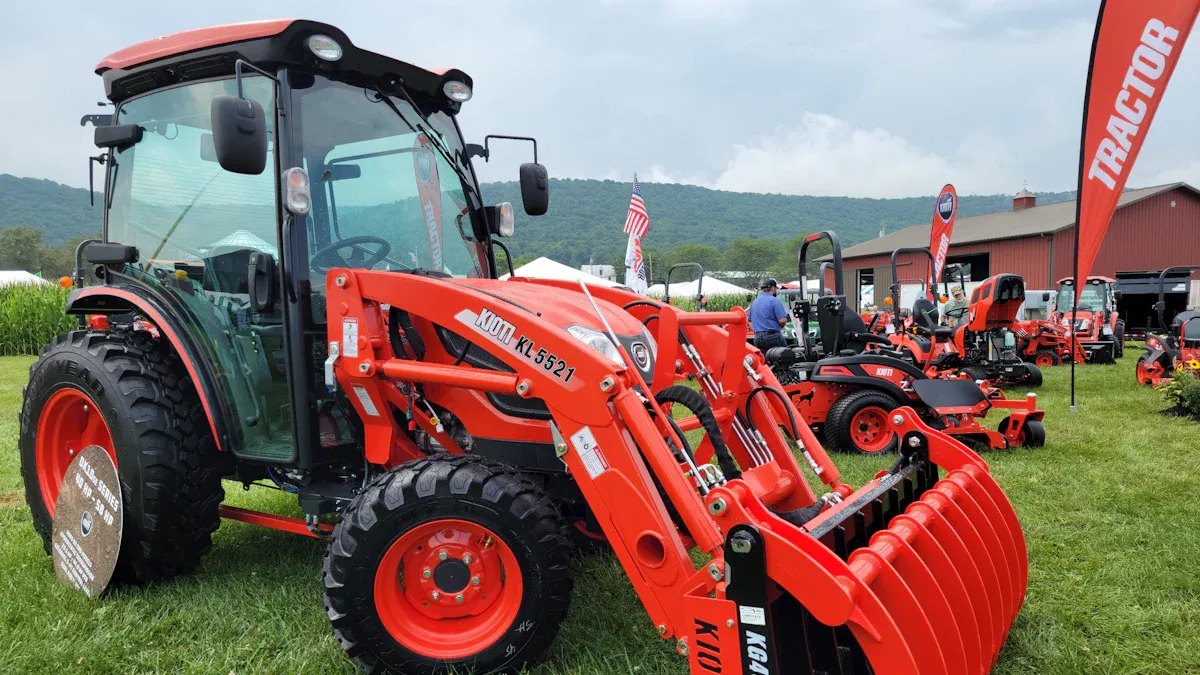
Il sistema idraulico di un trattore moderno ti dà il muscolo per gestire una vasta gamma di attività agricole Quando consideri le 5 migliori caratteristiche da cercare in un trattore agricolo moderno, la capacità idraulica e la potenza di sollevamento si distinguono perché determinano quanto bene il tuo trattore può azionare gli accessori e gestire carichi pesanti.
I sistemi idraulici alimentano molti degli accessori che usi ogni giorno Puoi collegare attrezzi come lance per balle, frese rotanti, rastrelli e aratri Questi strumenti ti aiutano a preparare il terreno, le colture vegetali, i detriti chiari e a gestire le operazioni di allevamento L'adattabilità dell'idraulica significa che puoi passare rapidamente da un compito all'altro, rendendo il tuo trattore più versatile.
| Tipo di allegato | Portata idraulica (GPM) | Pressione (psi) |
|---|---|---|
| Sistema idraulico standard | 12 | 3.000 (3.500) |
| Sistema idraulico ad alto flusso | 30 30 0,38 | 3.000 (3.500) |
| Minipale a flusso standard | 17 24 17 | 3.000 (3.500) |
Suggerimento: controlla sempre i requisiti idraulici dei tuoi accessori prima dell'acquisto. Ciò garantisce che il tuo trattore possa gestire il carico di lavoro senza sforzo.
Il lavoro del caricatore dipende da un'idraulica forte e reattiva Utilizzi caricatori per spostare balle di fieno, liberare terreni e caricare materiali Un sistema idraulico affidabile ti offre un controllo fluido e preciso, che ti aiuta a finire i lavori più velocemente e con meno sforzo.
La potenza di sollevamento misura quanto peso il tuo trattore può sollevare in sicurezza I trattori moderni offrono un'ampia gamma di capacità di sollevamento per soddisfare le diverse esigenze Ad esempio:
| Serie Trattori | Capacità di sollevamento (libbre) |
|---|---|
| Serie 6000 | 4,840 |
| Serie 7000 | 5,730 |
| Serie 8000 | 5,500 |
| Serie 9000 | da 7.480 a 9.460 |
| Utilità compatta | 3,130 |
Se si maneggiano grandi balle di fieno, pallet pesanti o materiali sfusi, una maggiore capacità di sollevamento consente di risparmiare tempo e riduce la necessità di attrezzature extra.
Un potente sistema idraulico aumenta la versatilità del tuo trattore Puoi eseguire la preparazione del terreno, la semina, l'irrigazione e il trasporto con un'unica macchina La capacità di collegare diversi attrezzi significa che ti adatti rapidamente alle attività mutevoli Questa flessibilità aumenta la tua produttività e ti aiuta a fare di più ogni stagione.
| Beneficio | Spiegazione |
|---|---|
| Efficienza in termini di tempo e costi | Una maggiore potenza di sollevamento riduce la necessità di macchinari e manodopera aggiuntivi. |
| Completamento delle attività migliorato | Si termina più attività in meno tempo, aumentando la produzione giornaliera e stagionale. |
| Qualità migliorata | Il sollevamento preciso garantisce una profondità accurata e un posizionamento uniforme dei semi. |
Esempio del mondo reale: in un'azienda agricola a colture miste, un coltivatore è passato a un trattore con un sistema idraulico ad alto flusso e una capacità di sollevamento di 7.000 libbre. L'operatore ha segnalato una gestione più rapida delle balle e meno guasti durante il raccolto. Questo aggiornamento ha consentito all'azienda agricola di completare il lavoro sul campo prima del previsto e ha ridotto i costi di manodopera.
Per ulteriori indicazioni sui sistemi idraulici e sulla potenza di sollevamento, è possibile visitare TractorData o unisciti alle discussioni su FarmChat.
Selezionare la giusta dimensione del trattore gioca un ruolo cruciale nella produttività della tua azienda agricola È necessario considerare la disposizione del campo, i tipi di attività che esegui e il terreno su cui navighi Le aziende agricole con spazi ristretti o appezzamenti irregolari beneficiano di trattori che offrono una manovrabilità superiore Le aziende agricole più grandi con campi aperti spesso richiedono macchine più grandi per l'efficienza.
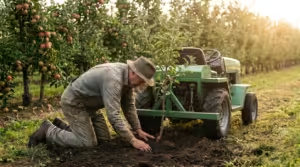
I trattori compatti eccellono in aree ristrette Si può facilmente manovrare attraverso frutteti, vigneti e piccoli appezzamenti Questi trattori si inseriscono sotto strutture basse e passano attraverso stretti gateway I trattori di grandi dimensioni, d'altra parte, gestiscono un vasto lavoro sul campo e carichi pesanti Forniscono più potenza ma possono avere difficoltà in spazi ristretti a causa delle loro dimensioni.
| Aspetto | Trattori Compatti | Trattori Grandi |
|---|---|---|
| Vantaggi | – Operare in spazi più ristretti, ideale per piccole aziende agricole. | (Pubblichi) possono trasportare carichi più pesanti ed eseguire. |
| Generalmente meno costoso da acquistare e mantenere. | zioni più potenti, adatte all'agricoltura estensiva. | |
| (Versatile) per vari compiti, tra cui plowing. | Meglio adatto per grandi superfici e per un vasto lavoro sul campo. | |
| Svantaggi | 1 modelli di consumo di carburante rispetto a quelli più grandi. | Spese iniziali e di manutenzione più elevate. |
| 1000 capacità di carico limitata rispetto ai trattori standard. | (May be ingombrante in campi più piccoli o spazi ristretti). | |
| (Piccola dimensione) possono renderli più facili da rubare. | 10000 Requisiti più spazio per il funzionamento. |
Le dimensioni del trattore influenzano il modo in cui gestisci terreni diversi I trattori più piccoli offrono precisione nei frutteti e nei vigneti Puoi navigare con facilità su pendii e terreni irregolari I trattori più grandi forniscono stabilità e trazione su campi aperti ma possono compattare il terreno se troppo pesanti L'altezza e la larghezza contano quando lavori vicino ad alberi o edifici.
| Dimensione Trattore | Impatto di manovrabilità |
|---|---|
| Trattori Più Piccoli | Excel nel lavoro di precisione in aree ristrette come frutteti o vigneti |
| Trattori Più Grandi | Può avere difficoltà negli spazi ristretti a causa delle limitazioni di altezza e larghezza |
| Altezza | Fondamentale per il montaggio sotto strutture basse e la navigazione in gateway stretti |
| Peso | I trattori più pesanti forniscono stabilità ma possono compattare il terreno |
| Larghezza | I trattori più larghi sono stabili ma meno manovrabili in spazi ristretti |
A raggio di sterzata stretto ti consente di lavorare in modo efficiente in piccoli appezzamenti Puoi fare curve strette attorno agli ostacoli e ridurre al minimo i movimenti sprecati La tornitura di precisione utilizza un passo corto e uno sterzo reattivo Questa funzione è essenziale per attività come falciare, spruzzare o lavorare nei frutteti.
I moderni trattori offrono sistemi di controllo avanzati per una migliore manovrabilità La trazione integrale (4WD) fornisce trazione superiore su pendii ripidi e campi fangosi La stabilità migliorata ti consente di operare in sicurezza su terreni diversi. i punti di riferimento e le curve multipunto ti aiutano a gestire layout stretti.
Suggerimento: abbina sempre le dimensioni del trattore e le caratteristiche di manovra al layout della tua azienda agricola e alle attività quotidiane Considera i tipi di colture, le forme dei campi e gli ostacoli che incontri.
Un agricoltore con entrambi i frutteti e campi aperti ha affrontato una decisione L'azienda agricola aveva bisogno di un trattore per irrorare in file strette e trasportare carichi su grandi appezzamenti Dopo aver valutato le 5 caratteristiche principali da cercare in un moderno trattore agricolo, l'agricoltore ha scelto un modello compatto per il lavoro del frutteto e un trattore più grande per le attività sul campo Questa combinazione ha migliorato l'efficienza e ridotto i danni alle colture L'agricoltore ha condiviso i risultati su FarmChat e trovato consigli da Estensione Università.
Nota: valuta le esigenze specifiche della tua azienda agricola prima dell'acquisto Prova diversi modelli e consulta gli esperti locali per ricevere assistenza.
Concentrandoti sulle dimensioni e sulla manovrabilità, ti assicuri che il tuo trattore si adatti alla tua azienda agricola e massimizzi la produttività.
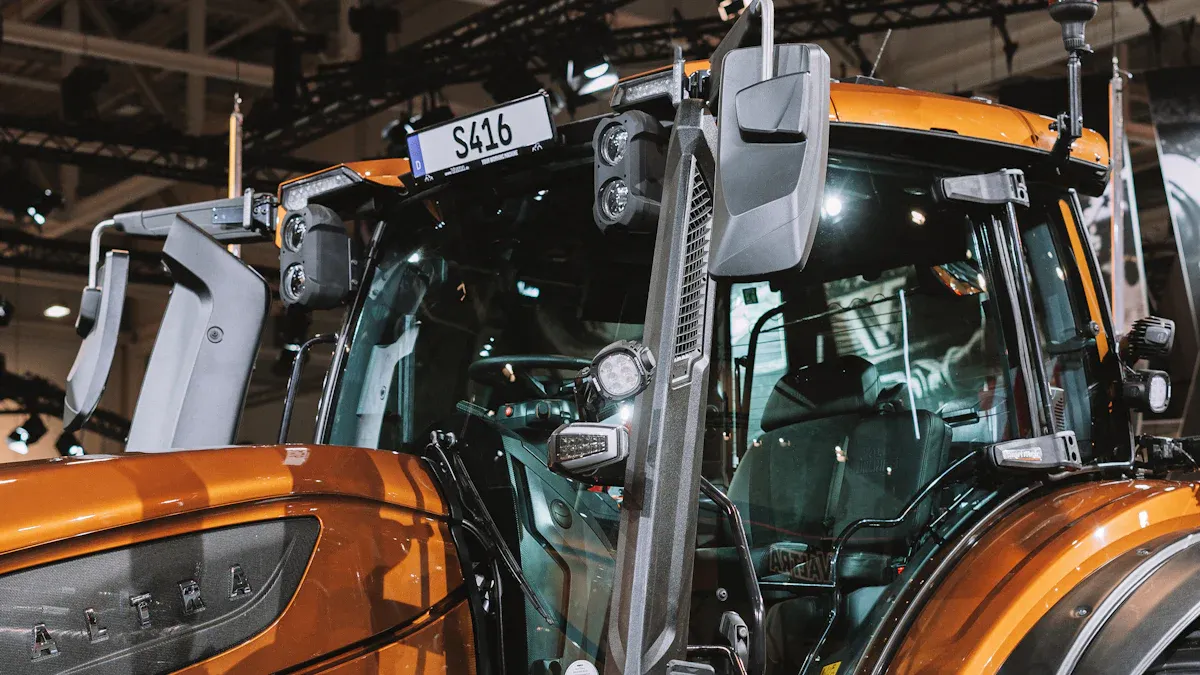
Le lunghe ore sul campo richiedono un trattore che ti mantenga comodo, vigile e sicuro I moderni trattori agricoli ora offrono funzionalità avanzate e di natura economica che trasformano la tua giornata lavorativa Beneficiate di un design ponderato della cabina, di un climatizzatore regolabile dei sedili e di una tecnologia integrata che lavora insieme per ridurre la fatica e migliorare la vostra esperienza complessiva.
Hai bisogno di una visibilità chiara per operare in modo sicuro ed efficiente. Cabine spaziose con i pannelli del tetto ad alta visibilità aiuta a vedere le attività in alto, come l'impilamento di balle I disegni in vetro arrotondato riducono al minimo i punti ciechi, consentendo di monitorare l'ambiente circostante con facilità La visibilità migliorata non solo aumenta la produttività ma riduce anche il rischio di incidenti.
Una cabina silenziosa fa una grande differenza durante i lunghi turni I sistemi di sospensione della cabina assorbono le vibrazioni, mentre i pannelli isolati e le porte sigillate mantengono bassi i livelli di rumore. Rumore in cabina ridotto ti aiuta a comunicare con gli altri e a rimanere concentrato Sperimenti meno stress e fatica, il che porta a un migliore processo decisionale e a una produttività sostenuta.
Anche le cabine moderne forniscono protezione antiribaltamento e proteggerti dalle intemperie, rendendo il tuo ambiente di lavoro più sicuro e confortevole.
| Caratteristica | Descrizione |
|---|---|
| Spaziosa Cabina | Ampio spazio per la testa e le gambe per il comfort durante le lunghe ore. |
| Pannello del tetto ad alta visibilità | Migliora la visibilità verso l'alto per attività come impilare le balle. |
| Circolazione dell'aria ottimizzata | Mantiene una temperatura confortevole all'interno della cabina. |
| Sedile Istruttore | Si piega verso il basso per aumentare lo spazio quando non viene utilizzato. |
Sedili regolabili e i controlli ti consentono di personalizzare il tuo spazio di lavoro Puoi modificare l'altezza del sedile, l'inclinazione e la reclinazione per trovare la posizione migliore I braccioli e il supporto lombare alleviano la tensione nelle spalle e nella schiena Le funzionalità girevoli ti consentono di girare facilmente, riducendo lo sforzo sul collo.
| Tipo di regolazione | Beneficio |
|---|---|
| Regolazioni dell'altezza del sedile | Garantisce un angolo di visione ottimale per una migliore visibilità. |
| Caratteristiche di inclinazione e reclinazione | Fornisce comfort durante le pause e riduce lo sforzo. |
| Braccioli regolabili | Allevia la tensione nelle spalle e nelle braccia. |
| Supporto lombare regolabile | Personalizza la posizione di seduta per il comfort. |
| Materiali ammortizzanti | Distribuisce il peso in modo uniforme e riduce i punti di pressione. |
| Funzionalità girevoli | Consente una facile svolta per visualizzare l'ambiente circostante. |
Sedili e controlli ergonomici aiutano a mantenere una buona postura Si verificano meno sforzi muscolari e meno dolori dopo una lunga giornata. Caratteristiche regolabili accogliere diversi tipi di corpo, promuovendo una migliore circolazione e riducendo il rischio di disturbi muscoloscheletrici Questa attenzione al comfort supporta la tua salute a lungo termine e ti mantiene produttivo.
Sedili e comandi regolabili riducono al minimo l'affaticamento, consentendo di lavorare più ore senza disagio.
Sistemi HVAC integrati mantieniti a tuo agio con qualsiasi condizione atmosferica Un'efficiente filtrazione dell'aria e pressurizzazione della cabina impediscono l'ingresso di polvere e contaminanti I sensori avanzati ottimizzano la temperatura, in modo da rimanere concentrati e vigili.
I trattori moderni sono dotati di display avanzati che forniscono dati in tempo reale sull'uso del carburante, sulle prestazioni del motore e sulle condizioni sul campo. Climatizzatore automatizzato mantiene una temperatura costante Le funzionalità di connettività consentono la diagnostica remota, riducendo i tempi di inattività e i costi di manutenzione.
Un agricoltore del Nebraska è passato a un trattore con cabina spaziosa, sedili regolabili e climatizzazione avanzata Dopo il cambiamento, l'operatore ha segnalato meno fatica e una migliore concentrazione durante il raccolto Il nuovo design della cabina ha ridotto il rumore e fornito una migliore visibilità, portando a un funzionamento più sicuro e a rendimenti più elevati. L'agricoltore ha condiviso la propria esperienza su Cinguettio e trovato ulteriori consigli da Estensione Università.
Suggerimento: quando si sceglie un trattore, dare priorità alle caratteristiche ergonomiche che supportano il comfort e la sicurezza Questi aggiornamenti ripagano in termini di produttività e salute a lungo termine.
Quando ti concentri sulle 5 funzionalità di potenza, trasmissione, idraulica, dimensioni e comfort dell'operatore per il successo della tua azienda agricola Ogni funzionalità aumenta la produttività, riduce i costi e supporta pratiche sostenibili Utilizza questa lista di controllo per guidare la tua decisione: ogni funzionalità aumenta la produttività, riduce i costi e supporta le pratiche sostenibili
| Caratteristica | Beneficio di redditività | Sostenibilità Impatto |
|---|---|---|
| Motori ad alta efficienza | Riduce i costi del carburante | Abbassa le emissioni di carbonio |
| Design ergonomico | Aumenta la produttività | — |
| Sistemi GPS-guidati | Riduce gli sprechi | Supporta l'agricoltura di precisione |
Prova i trattori con queste funzionalità o consulta un rivenditore locale per trovare la soluzione migliore per la tua azienda agricola. the
Dovresti abbinare le dimensioni del trattore alle tue attività principali e alla disposizione del campo Per piccoli appezzamenti o frutteti, scegli un modello compatto. Per campi di grandi dimensioni o lavori pesanti, selezionare un trattore più grande Misurare i cancelli e lo stoccaggio prima di decidere.
Controllate la portata idraulica (GPM) e la pressione (psi) nelle specifiche Confrontate questi numeri con i requisiti dei vostri attacchi Se prevedete di utilizzare attrezzi ad alta richiesta, scegliete un trattore con sistema idraulico ad alta portata.
Se desideri un funzionamento più semplice e meno fatica, scegli una trasmissione automatica o idrostatica Per lavorazioni pesanti o terreni collinari, una trasmissione manuale ti offre un maggiore controllo Prova-guida di entrambi i tipi per vedere quale si adatta al tuo stile di lavoro.
Cerca sedili regolabili, climatizzatore e una cabina silenziosa Queste caratteristiche riducono l'affaticamento e ti aiutano a rimanere concentrato durante le lunghe giornate Una buona visibilità e controlli ergonomici migliorano anche la sicurezza e la produttività.
Mantenere regolarmente il trattore Utilizzare il carburante e i lubrificanti corretti Scegliere motori efficienti e mantenere i pneumatici correttamente gonfiati Monitorare l'utilizzo con display in cabina per individuare i problemi in anticipo ed evitare costose riparazioni.
Dovresti cercare protezione antiribaltamento, cinture di sicurezza e visibilità chiara Le moderne cabine con una buona illuminazione e specchi aiutano a prevenire gli incidenti Leggi sempre il manuale dell'operatore e segui le linee guida di sicurezza.
Elenca le tue attività più comuni Inizia con attrezzi essenziali come caricatori, falciatrici o motozappe Assicurati che il sistema idraulico e la capacità di sollevamento del tuo trattore corrispondano agli accessori che scegli.
Sì! i trattori moderni supportano molti accessori Puoi passare da un'attività all'altra come l'aratura, la falciatura e il trasporto Controlla la compatibilità prima di acquistare nuovi attrezzi per massimizzare la versatilità del tuo trattore.
-1.png)