Benvenuti in Shandong Qilu Industrial Co., Ltd

 Italian
 English
 Arabic
 Bulgarian
 Bengali
 Czech
Czech
 Danish
 German
 Greek
Greek
 Spanish
 Finnish
 French
 Hindi
Hindi
 Croatian
 Hungarian
 Indonesian
 Japanese
 Korean
 Lithuanian
 Dutch
Dutch
 Norwegian
 Polish
 Portuguese
 Romanian
 Russian
 Slovak
 Slovenian
 Swedish
 Thai
Thai
 Turkish
 Ukrainian
 Vietnamese
 Tagalog
 Malay
Malay
 Estonian
 Catalan
 Latvian
 Urdu
Urdu
 Serbian
 Persian
 Swahili
 Albanian
 Armenian
 Icelandic
 Bosnian
 Luxembourgish
 Afrikaans
Italian English
Arabic
Bulgarian
Bengali
Czech
Danish
German
Greek
Spanish
Finnish
French
Hindi
Croatian
Hungarian
Indonesian
Japanese
Korean
Lithuanian
Dutch
Norwegian
Polish
Portuguese
Romanian
Russian
Slovak
Slovenian
Swedish
Thai
Turkish
Ukrainian
Vietnamese
Tagalog
Malay
Estonian
Catalan
Latvian
Urdu
Serbian
Persian
Swahili
Albanian
Armenian
Icelandic
Bosnian
Luxembourgish
Afrikaans
Afrikaans
Italian English
Arabic
Bulgarian
Bengali
Czech
Danish
German
Greek
Spanish
Finnish
French
Hindi
Croatian
Hungarian
Indonesian
Japanese
Korean
Lithuanian
Dutch
Norwegian
Polish
Portuguese
Romanian
Russian
Slovak
Slovenian
Swedish
Thai
Turkish
Ukrainian
Vietnamese
Tagalog
Malay
Estonian
Catalan
Latvian
Urdu
Serbian
Persian
Swahili
Albanian
Armenian
Icelandic
Bosnian
Luxembourgish
Afrikaans

Guida passo passo per l'acquisto del tuo primo trattore nel 2026
Acquistare il tuo primo trattore può sembrare facile quando segui i passi giusti Molti principianti corrono fuori e acquistano un trattore subito dopo aver ottenuto la terra Vuoi evitare quell'errore Prenditi del tempo per guardare la tua proprietà e pensare a ciò di cui hai veramente bisogno La Guida per principianti all'acquisto del tuo primo trattore ti aiuterà a porre le domande giuste e a connetterti con i rivenditori locali che possono offrire buoni consigli Utilizza questa guida come lista di controllo e vai avanti con sicurezza.
Takeaway chiave
- Guarda quanto è grande la tua terra e com'è il terreno prima di acquistare un trattore Scegli un tipo di trattore e una potenza adatta alla tua terra in modo che funzioni bene.
- Pensate al lavori principali che desideri il tuo trattore da fare Annota questi lavori per aiutarti a scegliere la giusta potenza e gli accessori.
- Pensa a cosa potresti aver bisogno in futuro quando scegli un trattore Il tuo uso del territorio potrebbe cambiare, quindi pianifica in anticipo per evitare di acquistare presto un altro trattore.
- Cerca e scegli un rivenditore con una buona reputazione Leggi le recensioni e fai domande per assicurarti di ottenere un buon aiuto e servizio dopo l'acquisto.
- Controlla e prova il trattore prima di acquistarlo Cerca problemi e assicurati che faccia ciò di cui hai bisogno testandolo tu stesso.
La guida per principianti per acquistare il tuo primo trattore
Valutazione delle dimensioni della proprietà e del terreno
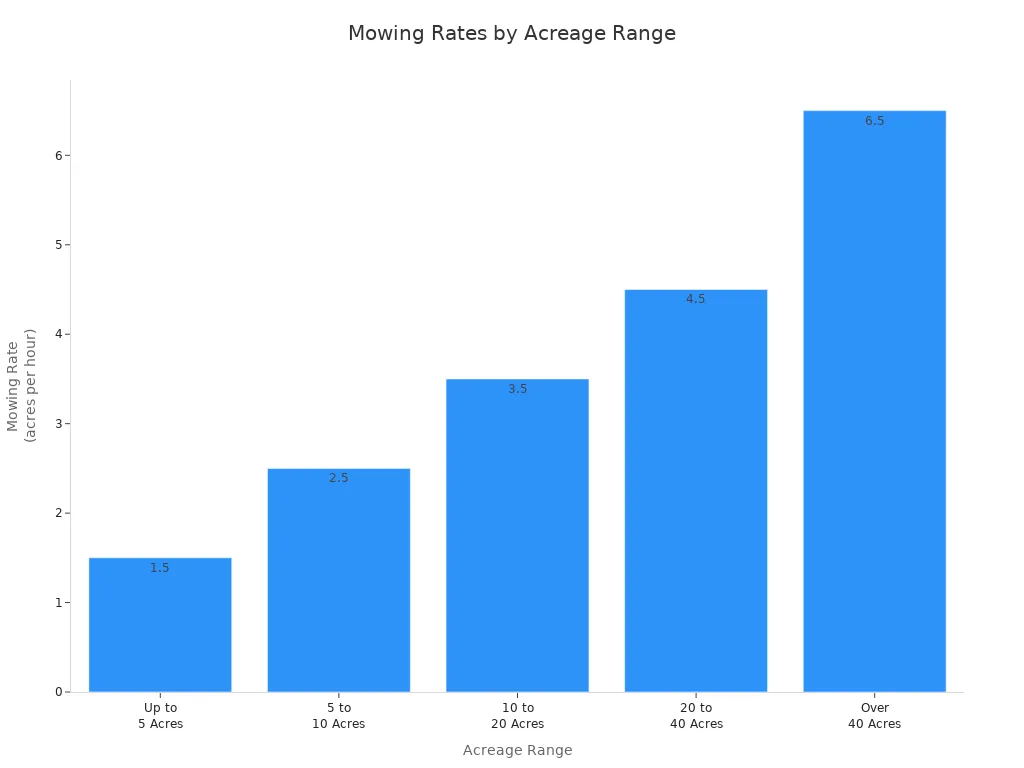
Vuoi che il tuo primo trattore si adatti alla tua terra come un guanto Inizia guardando la tua superficie e il tipo di terreno che hai Il Guida per principianti all'acquisto Il tuo primo trattore semplifica questo passaggio Utilizza la tabella seguente per abbinare le dimensioni della tua proprietà al tipo di trattore e alla potenza giusti Questo ti aiuta a evitare di acquistare un trattore troppo piccolo o troppo grande per le tue esigenze.
| Gamma di superficie | Tipo Trattore Consigliato | Gamma Cavalli | Compiti Ideali | Capacità di falciatura |
|---|---|---|---|---|
| Fino a 5 acri | Sub-compatto o compatto | 22 CV25 CV | Falciatura settimanale, lavoro con caricatore leggero, paesaggistica | 1 2 acri all'ora |
| Da 5 a 10 acri | Serie 2 o serie 3 più piccole | 24 CV38 CV | Falciatura prati più grandi, lavoro di caricatore, lavorazione del giardino | 2 acri all'ora |
| Da 10 a 20 acri | Serie 3 più grandi o alcune serie 4 | 25 CV45 CV | Trasporto di materiali, classificazione dei vialetti, lavori di allevamento | 3 acri all'ora |
| Da 20 a 40 acri | Serie 4 o voce Serie 5 | 43 CV73 CV | Sgombero del terreno, lavoro con caricatore pesante, falciatura commerciale | 4+ acri all'ora |
| Oltre 40 acri | Trattori Utilitari Serie 5 | 50+CV | Agricoltura su vasta scala, bestiame, balle di fieno | 5 acri all'ora |
Ora, pensa al tuo terreno Il tuo terreno è pianeggiante, collinare o accidentato? la guida per principianti all'acquisto del tuo primo trattore ti suggerisce di controllare la tabella seguente per vedere cosa funziona meglio per la tua proprietà.
| Tipo Terreno | Raccomandazione Trattore |
|---|---|
| Terra Piatta | Trattori più piccoli con potenza adeguata |
| Terreno collinare o accidentato | Trattori compatti o utilitari per stabilità e trazione |
Se hai un cortile piatto, un trattore più piccolo può gestire la maggior parte dei lavori Se hai colline o punti accidentati, hai bisogno di un trattore con più stabilità e trazione Questo ti mantiene al sicuro e ti semplifica il lavoro.
Esempio:
Immagina di possedere 12 acri con un mix di campi pianeggianti e alcuni pendii ripidi Vuoi falciare, spostare lo sporco e pulire la neve La guida per principianti per l'acquisto del tuo primo trattore ti indicherebbe verso un trattore nella gamma 2545 CV, con quattro ruote motrici per quelle colline In questo modo, ottieni abbastanza potenza e sicurezza per ogni parte della tua terra.
Identificazione delle attività chiave e della frequenza
Prima di acquistare, fai un elenco di ciò che vuoi che faccia il tuo trattore La Guida per principianti all'acquisto del tuo primo trattore dice che la maggior parte delle persone usa i propri trattori per falciare, lavorare e trasportare Ecco una rapida occhiata ai lavori comuni e alla potenza di cui potresti aver bisogno:
| Compito | HP consigliati | Esempio Modelli |
|---|---|---|
| Falciare | 18 CV30 CV | — |
| Tilling | 40100 CV | — |
| Trasporto | 30100 CV | — |
Pensa a quanto spesso utilizzerai il tuo trattore Molti proprietari usano i loro trattori per lavori di routine come falciare ogni settimana, controllare le recinzioni o spostare i materiali Ecco una semplice lista di controllo per la manutenzione ordinaria:
- Quotidiano: Controllare fluidi, pneumatici, e cercare danni.
- Ogni 100 ore o una volta all'anno: cambiare olio motore e filtro.
- Ogni 200-300 ore o una volta all'anno: Trasmissione di servizio e idraulica.
- Ogni 400-600 ore: Effettuare un controllo completo della manutenzione.
Suggerimento: una manutenzione regolare mantiene il trattore più a lungo in funzione e ti aiuta a evitare costose riparazioni.
Pianificazione per esigenze future
Potresti aver bisogno di un trattore solo per falciare ora, ma le tue esigenze possono cambiare La Guida per principianti all'acquisto del tuo primo trattore ti ricorda di pensare al futuro Forse aggiungerai un giardino, otterrai animali o espanderai la tua terra Se pianifichi questi cambiamenti, non dovrai commerciare il tuo trattore troppo presto.
Ecco alcune cose che gli acquirenti per la prima volta spesso dimenticano:
- Non fanno una lista chiara di ciò di cui hanno bisogno prima di fare acquisti.
- Saltano il controllo dei trattori usati per problemi o cronologia dei servizi.
- Si concentrano solo sul prezzo, non sui costi a lungo termine come riparazioni e manutenzione.
Nota: annota le tue esigenze attuali e gli eventuali piani per i prossimi anni Questo ti aiuta a scegliere un trattore che cresce con te.
La Guida per principianti all'acquisto del tuo primo trattore ti offre una tabella di marcia Quando abbini il tuo trattore alla tua terra, ai tuoi compiti e al tuo futuro, ti prepari per anni di lavoro facile e meno sorprese.
Scelta dei tipi e della potenza del trattore
Compatto contro Utilità contro Sottocompatto
Potresti non saperlo quale trattore è il migliore per te. La Guida per principianti per l'acquisto del tuo primo trattore spiega le differenze I trattori utilitari sono forti Fanno grandi lavori come arare campi o trainare rimorchi pesanti Scegli un trattore utilitario se hai molto lavoro su una grande proprietà I trattori compatti sono buoni per l'abbellimento e lo scavo Possono sollevare anche cose pesanti Questi trattori funzionano bene per terreni di medie dimensioni e molte faccende I trattori subcompatti sono i più piccoli Sono ottimi per falciare, pulire la neve o preparare un giardino.
Ecco un rapido confronto:
| Tipo Trattore | Migliore Per | Compiti Tipici |
|---|---|---|
| Sottocompatto | Piccole proprietà, giardini | Falciatura, rimozione della neve, preparazione del giardino |
| Compatto | Proprietà medie, versatilità | Paesaggistica, scavo, concimazione |
| Utilità | Grandi proprietà, lavoro pesante | Arare, trasportare, lavori su larga scala |
Potenza e Classifica delle applicazioni
La potenza è importante Mostra quanto lavoro può fare il tuo trattore Se scegli troppo poco, il tuo trattore avrà problemi Se scegli troppo, spendi soldi extra e carburante Usa questo tavolo per abbinare la potenza ai tuoi lavori principali:
| Tipo di attività | Potenza richiesta |
|---|---|
| Lavori in piccolo giardino | 152 CV |
| Compiti leggeri | 60 CV80 CV |
| Compiti pesanti | 100 CV150 CV |
- I piccoli lavori hanno bisogno di meno cavalli.
- I lavori più grandi hanno bisogno di più potere.
- Il la giusta potenza aiuta il tuo trattore lavorare bene.
Immagina di avere 10 acri Vuoi falciare, scavare e trasportare legna da ardere La tabella mostra un trattore compatto con 25 CV non 40 CV è una buona misura In questo modo, si ottiene un trattore che è troppo debole o troppo forte.
2WD contro 4WD per il tuo terreno
È inoltre necessario scegliere tra la trazione integrale (2WD) e la trazione integrale (4WD) Ecco come sono diverse:
| Caratteristica | Trattori 2WD | Trattori 4WD |
|---|---|---|
| Costo | Minori costi di acquisto e manutenzione | Costi di acquisto e manutenzione più elevati |
| Trazione | Limitato su colline o terreno scivoloso | Ottimo su terreni accidentati o collinari |
| Efficienza Carburante | Meglio | Utilizza più carburante |
| Manovrabilità | Più facile negli spazi ristretti | Meno agile |
| Capacità per carichi pesanti | Non per lavori pesanti | Gestisce il lavoro pesante |
| Stabilità e Controllo | Meno stabile su terreno irregolare | Più stabile e controllato |
| Versatilità | Buono per compiti leggeri | Gestisce molti tipi di lavori |
Se la tua terra è piatta e asciutta, 2WD può funzionare bene Se hai colline, fango o neve, 4WD ti offre una migliore presa e sicurezza.
Suggerimento: cammina per la tua terra prima di scegliere La Guida per principianti all'acquisto del tuo primo trattore afferma che il sistema di azionamento giusto semplifica ogni lavoro.
Comprensione delle caratteristiche e comfort
PTO e allegati Panoramica
Quando guardi i trattori, vedrai il termine PTO. PTO sta per Power Take-Off (presa di forza) Consente al tuo trattore di far funzionare diversi utensili e accessori Puoi usare la PTO per alimentare cose come fresatrici rotanti, aratri e seminatrici Questi attacchi ti aiutano a disgregare il terreno, girare il terreno e piantare semi Anche gli attacchi per caricatori, le forche per pallet e le frese rotanti si collegano al tuo trattore, rendendo lavori come spostare ghiaia o tagliare erba alta molto più facili.
Ecco un rapido elenco di allegati che potresti desiderare come principiante:
- Fresatrici rotative per la preparazione del terreno.
- Aratri per girare il terreno duro.
- Caricatori frontali per il sollevamento e lo spostamento di materiali.
- Forche per pallet per il trasporto di oggetti pesanti.
- Frese rotanti per spazzola di compensazione.
- Seminatrici e piantatrici per la semina delle colture.
Gli attacchi rendono il tuo trattore più versatile Puoi fare più lavori con una macchina Dai un'occhiata a questa tabella per vedere come gli allegati aggiungono valore:
| Beneficio | Descrizione |
|---|---|
| Aumento dell'efficienza | Gli allegati ti aiutano a completare le attività più velocemente. |
| Versatilità | È possibile cambiare gli allegati per diversi lavori. |
| Risparmio sui costi | Risparmi denaro utilizzando un trattore per molte attività. |
| Stream fisico ridotto | Le macchine fanno il sollevamento pesante, quindi lavori meno. |
| Precisione migliorata | Gli allegati ti aiutano a lavorare in modo più accurato. |
| Utilità a tutto l'anno | Gli strumenti stagionali ti consentono di utilizzare il tuo trattore tutto l'anno. |
Suggerimento: se prevedi di eliminare la neve in inverno e falciare in estate, scegli un trattore con presa di forza e sistema di fissaggio a cambio rapido.
Stazione Operatore e Opzioni Comfort
Trascorrerai molto tempo sul tuo trattore, quindi il comfort conta. Cercare sedili che girano facilmente, braccioli pieghevoli, e sospensioni pneumatiche Sedute regolabili aiuta a trovare la giusta altezza Il controllo del clima in cabina ti mantiene confortevole nella stagione calda o fredda Le cabine sigillate bloccano polvere e rumore, rendendo il vostro lavoro più silenzioso e pulito.
- Sedili a rotazione facile aiutarvi a operare i controlli.
- I braccioli pieghevoli sostengono le braccia durante i lavori lunghi.
- I sedili delle sospensioni pneumatiche riducono urti e sobbalzi.
- I sedili regolabili si adattano a diverse dimensioni del corpo.
- Il controllo del clima ti mantiene fresco in estate e caldo in inverno.
- Le cabine sigillate ti proteggono da polvere e detriti.
Nota: le funzioni confortevoli ti aiutano a lavorare più a lungo senza stancarti Noterai la differenza dopo un'intera giornata sul campo.
Reputazione e affidabilità del marchio
Quando scegli un trattore, pensa all'affidabilità Molti proprietari si fidano di marchi con una forte reputazione di durata e supporto Una buona reputazione significa che il trattore mantiene il suo valore e tu ricevi aiuto quando ne hai bisogno Gli agricoltori dicono di scegliere i trattori in base alla fiducia e al supporto a lungo termine, non solo ai dettagli tecnici.
- L'eredità e il supporto contano più delle specifiche.
- Un marchio di fiducia significa meno guasti e un migliore valore di rivendita.
- I proprietari cercano attrezzature che durino e abbiano un buon servizio.
Quasi il 78 per cento degli acquirenti afferma che la reputazione è il fattore più importante Se vuoi tranquillità, scegli un trattore noto per l'affidabilità e il forte supporto del rivenditore.
Trattori e budget nuovi e usati
Pro e contro di New vs. Usato
Potresti non sapere se dovresti acquista nuovo o usato. I nuovi trattori costano di più, ma sono dotati di garanzia Di solito hanno meno problemi I trattori usati sono più economici all'inizio Ma potrebbero avere problemi nascosti Oltre dieci anni, i nuovi trattori perdono valore velocemente I trattori usati hanno già perso più valore, quindi vendono per più tempo I nuovi trattori costano di più da acquistare I trattori usati costano meno da acquistare I nuovi trattori spesso hanno riparazioni coperte da garanzia I trattori usati possono aver bisogno di più riparazioni e costare di più da riparare.
Problemi comuni con i trattori usati sono perdite e record mancanti Può essere difficile trovare il modello giusto Alcune persone dicono che i trattori usati funzionano bene se curati Ma c'è sempre il rischio di problemi nascosti.
Suggerimento: se sei nuovo nei trattori, chiedi a un meccanico di controllare qualsiasi trattore usato prima di acquistare.
Esempio:
Pensa a un nuovo trattore per $30,000 e uno usato per $18,000 Il nuovo trattore perde valore rapidamente ma necessita di meno riparazioni Il trattore usato risparmia denaro ora, ma le riparazioni potrebbero costare di più Puoi leggere online le storie di proprietari reali per un consiglio.
Costi di finanziamento, leasing e proprietà
Esistono diversi modi per pagare il tuo trattore Ecco una tabella con alcune opzioni:
| Opzione Finanziamento | Vantaggi | Inconvenienti |
|---|---|---|
| Prestiti Bancari Tradizionali | Tassi fissi, costruire equità | Acconto più grande, credito più severo |
| Finanziamento Produttore | Interessi bassi, pagamenti flessibili | Termini più brevi, pagamenti in mongolfiera |
| Leasing Attrezzature | Pagamenti mensili più bassi, vantaggi fiscali | Nessuna equità, costo a lungo termine più elevato |
| prestiti USDA FSA | Tassi bassi, credito flessibile | Dimensioni dell'azienda agricola e limiti di reddito |
Possedere un trattore costa più che acquistarlo semplicemente Potresti pagare $275 ogni anno per l'assicurazione Il carburante potrebbe costare $100 all'anno La manutenzione di base potrebbe essere $200 all'anno Pianifica circa $575 all'anno per questi costi Se tieni il tuo trattore per 20 anni, potrebbe costare $2,175 ogni anno.
Pianificazione Assicurativa e Manutenzione
L'assicurazione aiuta a proteggere il tuo trattore Puoi ottenere la copertura per ogni macchina, tutte le attrezzature insieme o un piano agricolo Alcune assicurazioni coprono incendi, vento, traino e danni causati dal vetro.
| Tipo di copertura | Descrizione |
|---|---|
| Copertura Individuale | Ogni attrezzatura elencata separatamente |
| Politica sulla coperta | Tutte le attrezzature coperte fino a un importo prestabilito |
| Assicurazione agricola | Copre trattori, fioriere, irroratrici e altro ancora |
| Cause speciali di perdita | Copre il fuoco, il vento, il traino, il vetro della cabina e i danni da oggetti estranei |
Una manutenzione regolare mantiene il tuo trattore ben funzionante Piccole riparazioni e controlli ti aiutano a evitare grossi problemi Tieni un registro di tutte le riparazioni I trattori usati possono costo da $0,75 a $1,50 all'ora per la manutenzione Questo è circa 10-15% dei vostri costi totali.
Nota: una buona pianificazione ora può farti risparmiare denaro e problemi in seguito.
Trovare un rivenditore rispettabile

Ricerca di rivenditori e strumenti online
Hai bisogno di un rivenditore di cui ti puoi fidare Inizia cercando online i rivenditori locali Leggi cosa dicono gli altri su Google o Yelp Queste recensioni ti dicono come il rivenditore tratta i clienti Mostra anche se il rivenditore risolve bene i problemi Visita il sito web del rivenditore prima di andare lì Puoi vedere quali trattori hanno in vendita Questo ti fa risparmiare tempo e ti aiuta a sapere se hanno quello che vuoi.
Ecco una tabella con alcuni utili strumenti e risorse online:
| Strumento/Risorsa | Descrizione |
|---|---|
| Siti web dei rivenditori | Mostra l'inventario attuale e le informazioni di contatto |
| Piattaforme di revisione dei clienti | Condividi esperienze reali da parte degli acquirenti (Google, Yelp) |
| Contenuto Video | Soluzioni e demo di trattori e accessori |
| Moduli di generazione di lead | Lascia che tu richieda preventivi o faccia domande facilmente |
| Pagine sui social media | Aggiornamenti su vendite, eventi e feedback dei clienti |
Suggerimento: controlla sempre le recensioni del rivenditore e guarda il suo inventario online prima di visitarlo.
Esempio:
Trovi due concessionari vicini a te Un concessionario ha un sacco di buone recensioni e condivide video di trattori sui social media L'altro concessionario ha solo poche recensioni e nessuna lista online di trattori Scegli il primo concessionario perché ti fidi di più.
Domande da porre prima dell'acquisto
Quando vai dal concessionario, fai domande per aiutarti a scegliere il trattore giusto:
- Che taglia di trattore è meglio per la mia terra?
- Che lavori può fare questo trattore?
- Quali allegati devo ottenere ora o più tardi?
- Quanti cavalli ha questo trattore?
- Che manutenzione offrite?
- Posso ottenere finanziamenti qui?
- Quali marchi o modelli si adattano al mio budget?
Annota le risposte in modo da poter confrontare i rivenditori e fare una buona scelta.
Supporto e garanzia del rivenditore
Un buon supporto del rivenditore rende più semplice possedere un trattore Chiedi se hanno un team di assistenza e tecnici qualificati Un rivenditore forte può procurarti parti e riparazioni rapidamente Le garanzie possono creare confusione Non tutte le riparazioni sono coperte e i concessionari potrebbero non essere pagati per tutti i lavori di garanzia Chiedi cosa copre la garanzia e cosa no.
Nota: un buon rivenditore spiegherà chiaramente il suo supporto e la sua garanzia Se non ti senti sicuro, continua a cercare finché non trovi un rivenditore che risponde alle tue domande e ti aiuta dopo l'acquisto.
Passaggi finali per l'acquisto
Ispezione e guida di prova
Ci sei quasi! prima di firmare qualcosa, devi controllare di persona il trattore Giraci intorno Cerca ammaccature, perdite o ruggine Apri il cofano e controlla il motore Chiedi al concessionario di avviare il trattore Ascolta rumori dispari Prova tutti i comandi Assicurati che tutto funzioni.
Ecco una semplice lista di controllo per la tua ispezione:
| Punto d'ispezione | Passare/Fallire | Note |
|---|---|---|
| Pneumatici e ruote | ||
| Motore (nessuna perdita) | ||
| Luci e segnali | ||
| Presa di forza e idraulica | ||
| Sedile e comandi |
Ora, prendete il trattore per un giro di prova Guidate avanti e indietro Girate in entrambe le direzioni Provate i freni Provate il caricatore o eventuali attacchi Se vi sentite insicuri, chiedete al concessionario di mostrarvi come funzionano le cose Potete trovare altri suggerimenti sull'ispezione dal questa guida all'estensione dell'azienda agricola.
Suggerimento: porta un amico o un meccanico se desideri una seconda opinione.
Revisione dell'accordo
Devi leggere le pratiche prima di acquistare Chiedi al rivenditore di spiegare tutto ciò che non capisci Controlla il prezzo, la garanzia e le eventuali spese extra Assicurati che l'accordo elenchi tutti gli allegati e i servizi che ti aspetti.
Ecco una rapida lista di recensioni:
- Prezzo e termini di pagamento
- Dettagli garanzia
- Elenco degli allegati
- Data di consegna
- Accordi di servizio
Se vuoi più consigli, dai un'occhiata a questo gruppo di social media per gli acquirenti di trattori.
Consegna e configurazione
Hai fatto la tua scelta! ora, pianifica la consegna Chiedi al rivenditore quando arriverà il tuo trattore Assicurati che il tuo vialetto sia libero Decidi dove vuoi che il trattore sia scarico Chiedi al rivenditore di guidarti attraverso i comandi e la manutenzione di base quando arriva.
Nota: scatta foto quando arriva il tuo trattore Questo aiuta se hai domande in seguito.
Sei pronto per iniziare a lavorare con il tuo nuovo trattore Goditi il viaggio!
Hai tutto il necessario per acquistare il tuo primo trattore con fiducia Utilizza questa guida come tabella di marcia Se ti senti bloccato, basta tornare in qualsiasi sezione per una risposta rapida Fai una lista di controllo o parla con un rivenditore locale per iniziare.
Possedere il trattore giusto rende il tuo lavoro più semplice e la tua terra più produttiva Sei pronto per goderti il viaggio!
FAQ
Come faccio a sapere di che taglia trattore ho bisogno?
Dovresti abbinare le dimensioni del tuo trattore alla tua terra e ai lavori principali Usa la tua superficie e le attività che vuoi svolgere come guida Se non ti senti sicuro, chiedi consiglio a un rivenditore.
Quali allegati devo acquistare per primi?
Inizia con le basi La maggior parte dei nuovi proprietari ottiene un tosaerba, un caricatore e una lama a scatola Questi strumenti ti aiutano a falciare, spostare lo sporco e livellare il vialetto Puoi aggiungere altri accessori in seguito.
Posso guidare un trattore se non ne ho mai usato uno prima?
Sì, puoi! la maggior parte dei trattori ha comandi semplici I rivenditori spesso ti mostrano come usarli Puoi trovare anche video guide online Esercitati in un'area aperta finché non ti senti a tuo agio.
Di quanta manutenzione ha bisogno un trattore?
Dovresti controllare fluidi e pneumatici prima di ogni utilizzo Cambia olio e filtri una volta all'anno Pulisci il tuo trattore dopo grandi lavori Tieni un registro di manutenzione per tenere traccia delle riparazioni e dell'assistenza.
È meglio acquistare o noleggiare un trattore?
L'acquisto funziona meglio se hai intenzione di mantenere il tuo trattore per molti anni Il leasing può far risparmiare denaro se desideri pagamenti più bassi o prevedi di aggiornare spesso Confronta i costi e pensa ai tuoi piani a lungo termine.