Benvenuti in Shandong Qilu Industrial Co., Ltd

 Italian
 English
 Arabic
 Bulgarian
 Bengali
 Czech
Czech
 Danish
 German
 Greek
Greek
 Spanish
 Finnish
 French
 Hindi
Hindi
 Croatian
 Hungarian
 Indonesian
 Japanese
 Korean
 Lithuanian
 Dutch
Dutch
 Norwegian
 Polish
 Portuguese
 Romanian
 Russian
 Slovak
 Slovenian
 Swedish
 Thai
Thai
 Turkish
 Ukrainian
 Vietnamese
 Tagalog
 Malay
Malay
 Estonian
 Catalan
 Latvian
 Urdu
Urdu
 Serbian
 Persian
 Swahili
 Albanian
 Armenian
 Icelandic
 Bosnian
 Luxembourgish
 Afrikaans
Italian English
Arabic
Bulgarian
Bengali
Czech
Danish
German
Greek
Spanish
Finnish
French
Hindi
Croatian
Hungarian
Indonesian
Japanese
Korean
Lithuanian
Dutch
Norwegian
Polish
Portuguese
Romanian
Russian
Slovak
Slovenian
Swedish
Thai
Turkish
Ukrainian
Vietnamese
Tagalog
Malay
Estonian
Catalan
Latvian
Urdu
Serbian
Persian
Swahili
Albanian
Armenian
Icelandic
Bosnian
Luxembourgish
Afrikaans
Afrikaans
Italian English
Arabic
Bulgarian
Bengali
Czech
Danish
German
Greek
Spanish
Finnish
French
Hindi
Croatian
Hungarian
Indonesian
Japanese
Korean
Lithuanian
Dutch
Norwegian
Polish
Portuguese
Romanian
Russian
Slovak
Slovenian
Swedish
Thai
Turkish
Ukrainian
Vietnamese
Tagalog
Malay
Estonian
Catalan
Latvian
Urdu
Serbian
Persian
Swahili
Albanian
Armenian
Icelandic
Bosnian
Luxembourgish
Afrikaans
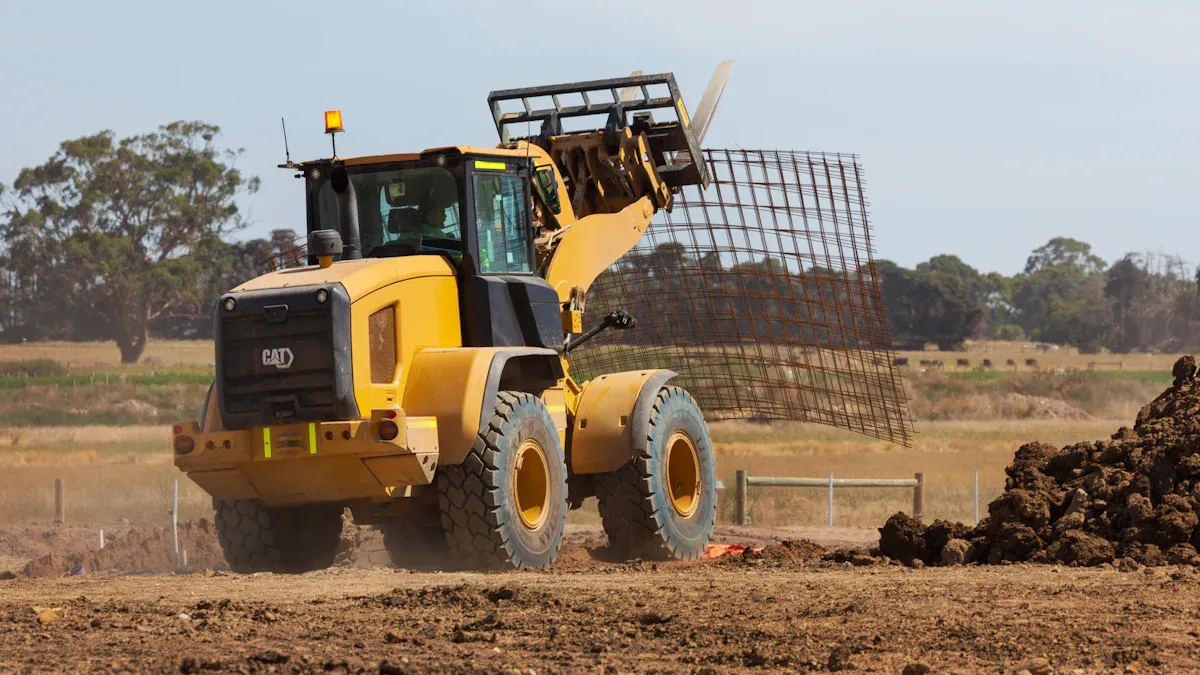
Applicazioni di trattori nell'edilizia e nello sviluppo di siti
I trattori svolgono un ruolo fondamentale nello sviluppo della costruzione e del sito, offrendo versatilità e affidabilità senza pari Utilizzi i trattori per spostare i materiali rapidamente, il che mantiene il flusso di lavoro in carreggiata e riduce i tempi di inattività Con la capacità di gestire la classificazione, la diffusione e la compattazione, i trattori si adattano alle mutevoli esigenze del progetto Beneficiate di una maggiore efficienza, di costi di manodopera inferiori e di una maggiore sicurezza su terreni difficili Le applicazioni per trattori vi offrono gli strumenti pratici per affrontare lavori impegnativi con sicurezza.
Takeaway chiave
- Trattori migliorare l'efficienza della costruzione spostando rapidamente i materiali, riducendo i tempi di inattività e adattandosi a varie attività.
- Selezionare il giusto tipo di trattore, ad esempio industriale o movimento terra, migliora i risultati del progetto e soddisfa esigenze specifiche.
- Attacchi come caricatori, terne e strumenti di classificazione espandi le capacità dei trattori, rendendoli versatili per diversi compiti di costruzione.
- Le caratteristiche di sicurezza, comprese le strutture protettive antiribaltamento e le telecamere multivista, proteggono gli operatori e migliorano la sicurezza sul posto di lavoro.
- Manutenzione e ispezioni regolari prevengono guasti, garantendo che i trattori funzionino in modo affidabile ed efficiente su terreni difficili.
- La formazione degli operatori è essenziale per un utilizzo sicuro delle attrezzature, contribuendo a ridurre al minimo gli incidenti e migliorare la produttività complessiva.
- Una preparazione efficace del sito con i trattori prevede la rimozione dei detriti, la classificazione delle superfici e la compattazione del terreno per fondazioni stabili.
- L'utilizzo di trattori per la movimentazione dei materiali semplifica la logistica, consente di risparmiare tempo e ridurre il lavoro manuale, consentendo agli equipaggi di concentrarsi su attività qualificate.
Applicazioni Trattori in Costruzione
Tipi di Trattori da Costruzione
Si incontrano diversi tipi di trattori nei cantieri, ognuno progettato per compiti specifici. I trattori industriali aiutano a spostare materiali, livellare superfici e preparare siti Queste macchine funzionano bene con attacchi come caricatori e pale bulldozer I trattori movimento terra svolgono un ruolo cruciale nello scavo e nel paesaggio Ti affidi a loro per spostare terra, livellare superfici e modellare il terreno per nuovi progetti.
- Trattori Industriali: Sposta i materiali, le superfici di grado e prepara i siti Compatibile con una vasta gamma di accessori.
- Trattori Movimento Terra: Scavare, paesaggio e rimodellare il terreno Essenziale per il movimento terra di massa e la trasformazione del sito.
Quando selezioni il trattore giusto, migliori l'efficienza e ti adatti alle mutevoli richieste del progetto Le applicazioni del trattore ti consentono di passare da un'attività all'altra senza tempi di inattività.
Allegati chiave e componenti
Gli accessori ampliano le capacità del tuo trattore, rendendolo uno strumento versatile per la costruzione. Puoi scegliere tra una varietà di attrezzi per soddisfare le esigenze del tuo progetto.
| Tipo di Allegato/Implemento | Caso d'Uso |
|---|---|
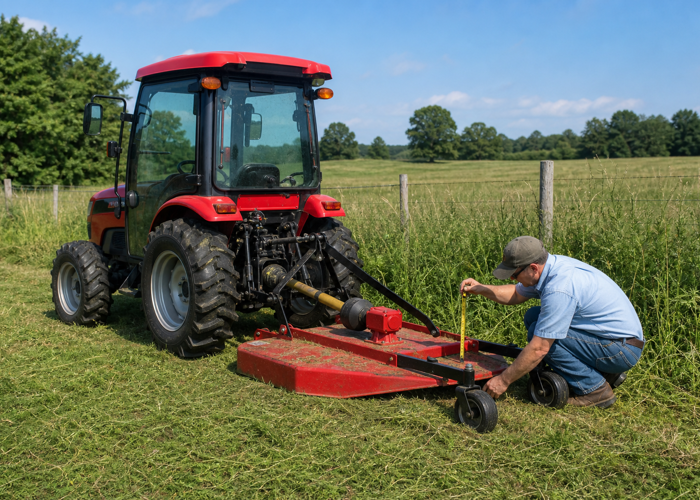
| Falciatrici a montaggio centrale | Mantenere prati, frutteti, parchi e spazi verdi. |
| Retroescavatori | Scava linee di campo, rimuovi ceppi e taglia i canali di drenaggio. |
| Attrezzatura neve | Arare o soffiare la neve lontano dalle aree di lavoro. |
| Scavabuchi postali | Crea buchi uniformi per piantare alberi o costruire recinzioni. |
| Tagliaspazzole | Eliminare la vegetazione indesiderata. |
| Rastrelli | Rimuovere i detriti e condizionare il terreno. |
Caricatori
Utilizzi caricatori per sollevare, spostare e caricare materiali come terra, ghiaia e detriti I caricatori si attaccano alla parte anteriore del tuo trattore, dandoti la potenza di ripulire i siti in modo rapido ed efficiente Puoi scambiare secchi con attività diverse, il che aumenta la produttività.
Gru e Attrezzature di Sollevamento
Gru e attacchi di sollevamento ti aiutano a sollevare oggetti pesanti e posizionare i materiali con precisione Ti affidi a questi strumenti per attività come posizionare travi, spostare tubi o sollevare pallet I sistemi idraulici ti offrono controllo e sicurezza durante la movimentazione di carichi di grandi dimensioni.
Lame e Secchi
Lame e benne sono essenziali per la classificazione, il livellamento e lo scavo Si attaccano lame per levigare superfici o modellare pendenze Le benne consentono di raccogliere, trasportare e scaricare materiali Questi attrezzi rendono le applicazioni Tractor flessibili e adattabili per qualsiasi sfida di costruzione.
| Attacco Trattore | Funzione Descrizione |
|---|---|
| Pesi di zavorra | Prevenire il ribaltamento aggiungendo peso per stabilità e sicurezza. |
| Strumenti di classificazione | Superfici di livello e grado utilizzando lame scatolari e piani terrestri. |
| Eterozoo | Sollevare e spostare materiali pesanti, disponibili nelle tipologie meccaniche e idrauliche. |
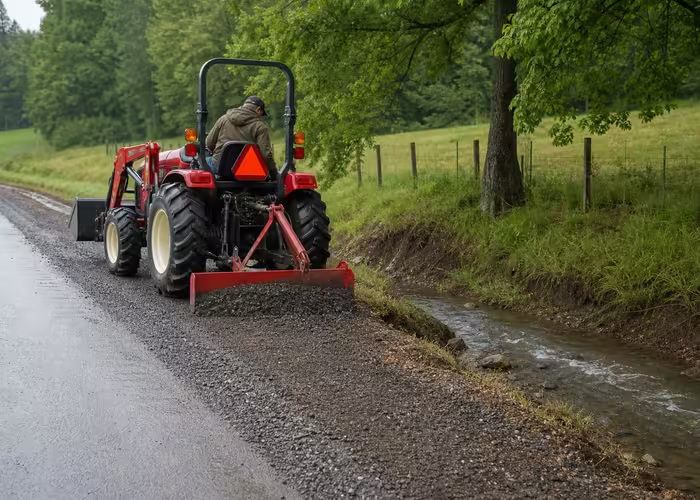
| Strumenti di manutenzione falciante | Falciare campi, fossati e bordi stradali con falciatrici e maiali a spazzola. |
| Attrezzatura per la rimozione della neve | Sgombra la neve dalle strade e dai vialetti utilizzando spazzaneve e soffianti. |
| Allegati di lavorazione | Preparare il terreno nei giardini e nei campi con coltivatori e aratri. |
Manovrabilità e Gestione del Terreno
Nei cantieri si affrontano una varietà di tipi di terreno, dal terreno soffice al terreno roccioso I trattori sono dotati di design robusti e motori potenti, che aiutano a trasportare materiali e a livellare il terreno anche in condizioni difficili, Puoi equipaggiare il tuo trattore con caricatori e terne per migliorare la funzionalità.
- I trattori passano senza problemi tra terreni diversi, migliorando le prestazioni in ambienti diversi.
- La compatibilità con più allegati consente di affrontare una serie di attività senza cambiare macchina.
- Configurazioni flessibili consentono di soddisfare specifiche esigenze operative.
La sicurezza rimane una priorità assoluta Caratteristiche come le strutture protettive antiribaltamento (ROPS) assorbono l'energia d'impatto durante il ribaltamento, che ti protegge in terreni difficili I ROPS pieghevoli (FROPS) ti aiutano a operare in aree a bassa altezza, come sotto gli alberi o in spazi ristretti Le caratteristiche di sicurezza migliorate riducono i rischi e ti consentono di lavorare con sicurezza, anche in condizioni difficili del sito.
Suggerimento: Valuta sempre il terreno del tuo sito prima di scegliere gli accessori per trattori. Ciò ti garantisce di selezionare gli attrezzi giusti per stabilità, sicurezza ed efficienza.
Trattore Le applicazioni nella costruzione ti offrono gli strumenti per adattarti rapidamente, lavorare in sicurezza e completare i progetti nei tempi previsti Massimizzi la produttività abbinando il trattore e gli accessori giusti a ciascuna attività.
Preparazione del sito e sgombero del territorio
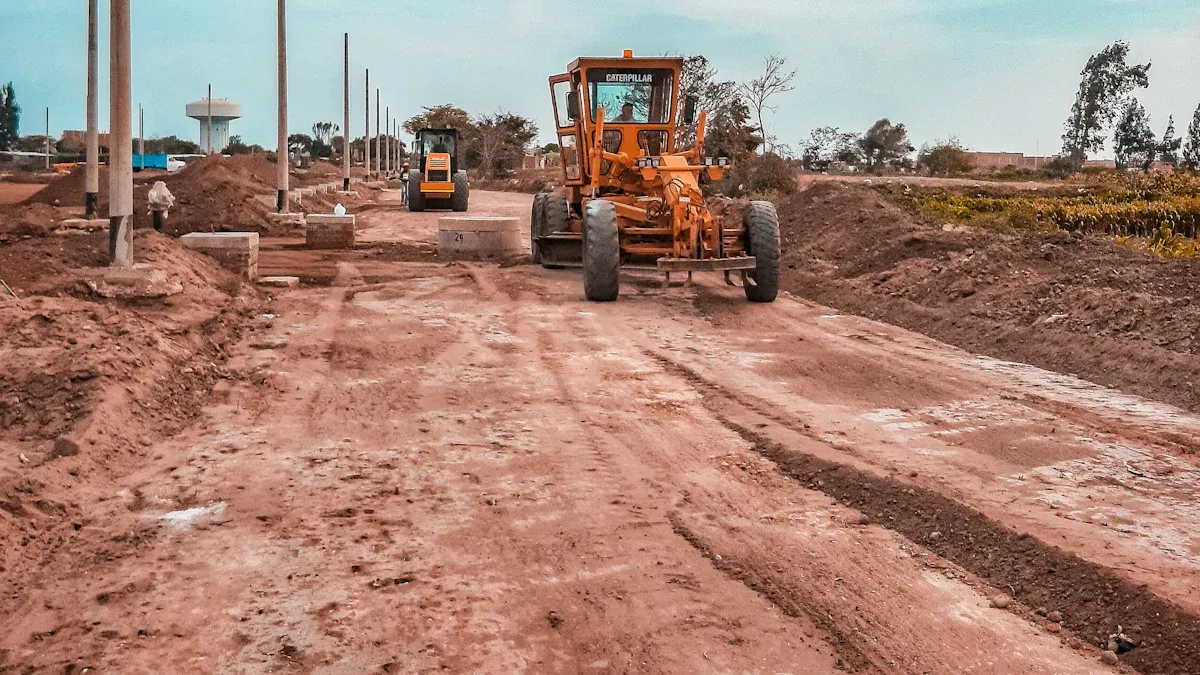
Applicazioni Trattori datevi il potere di trasformare la terra cruda in un sito pronto per la costruzione, Vi affidate ai trattori per eliminare la vegetazione, rimuovere i detriti, livellare le superfici e preparare il terreno per lo sviluppo futuro Ogni fase nella preparazione del sito richiede precisione ed efficienza, e i trattori consegnano entrambi.
Ripulire la vegetazione e i detriti
Si inizia rimuovendo la vegetazione indesiderata e i detriti I trattori dotati di caricatori frontali sollevano e trasportano rocce pesanti, rami e cespugli Si usano terne per scavare trincee, tirare fuori ceppi e affrontare complesse attività di disboscamento. La combinazione di caricatori e terne ti consente di creare rapidamente percorsi di accesso e superare gli ostacoli.
- I caricatori anteriori muovono rocce, cespugli e detriti.
- Le terne scavano trincee e rimuovono i ceppi.
- Le combinazioni caricatore-zappa creano percorsi e chiari ostacoli.
Suggerimento: ispezionare sempre il sito per individuare eventuali pericoli nascosti prima di iniziare il disboscamento. Questo passaggio protegge le apparecchiature e garantisce la sicurezza dell'operatore.
| Compito | Attacco Trattore | Efficienza (Acres/Ora) |
|---|---|---|
| Svuotamento spazzole | Taglierina Rotativa | 1.5 |
| Rimozione dei detriti | Caricatore/Grapple | 1.2 |
| Rimozione del ceppo | Schiena | 0.8 |
Classificazione iniziale
Una volta ripulito il sito, si passa a valutazione iniziale. I trattori agiscono come cavalli da lavoro sfusi, spostando grandi quantità di terreno e livellando il terreno irregolare Si raschia il terriccio e si stende la ghiaia per raggiungere il sottosuolo, che è essenziale per le fondazioni stabili Per le attività di classificazione minori, i trattori possono gestire raschiatura e diffusione in modo efficiente Si utilizzano strumenti manuali per dettagli più fini.
- Spostare grandi volumi di terreno rapidamente.
- Raschiare il terriccio e spargere la ghiaia per l'accesso al sottosuolo.
- Utilizzare strumenti manuali per una classificazione precisa.
Nota: Valuta la quantità di terreno prima di scegliere il metodo di classificazione I trattori eccellono nel movimento di massa, ma potrebbero essere necessari strumenti manuali per gli ultimi ritocchi.
Preparazione del terreno
Dopo la classificazione, si prepara il terreno per la costruzione o il paesaggio Si inizia falciando la crescita eccessiva con una taglierina rotante Successivamente, si utilizzano caricatori o pinze per raccogliere rami, ceppi e vecchia recinzione Si classifica la superficie con una lama a scatola o lama posteriore per una finitura liscia Se si prevede di piantare l'erba, si lavora il terreno Per la costruzione, si compatta e modella la superficie.
- Falciare le erbe alte e spazzolare con un taglierino rotante.
- Rimuovere i detriti utilizzando un caricatore o una pinza.
- Classificare e levigare la superficie con una lama scatolata o una lama posteriore.
- Preparare per piantare o costruire mediante lavorazione o compattazione del terreno.
Dischi, aratura a dischi e aratura a strisce aiutarvi a coltivare il terreno e incorporare una leggera copertura vegetativa nel terriccio Questi metodi migliorano la qualità del suolo e supportano la crescita o la costruzione futura.
Callout: una corretta preparazione del terreno riduce i futuri costi di manutenzione e supporta la stabilità del sito a lungo termine.
Massimizzi la produttività e la sicurezza abbinando il giusto trattore e l'attacco a ogni attività di preparazione del sito Questo approccio garantisce che il tuo terreno sia pronto per la prossima fase di sviluppo.
Movimento terra e scavo
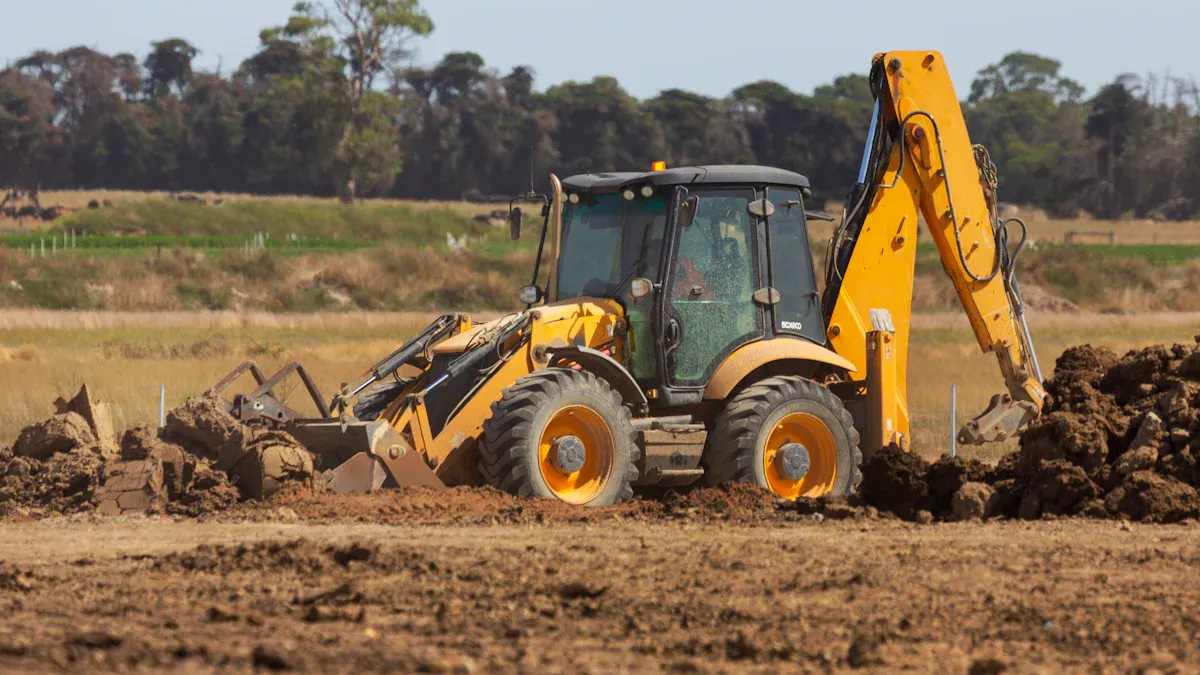
Movimento terra in blocco
Gestisci il movimento terra in serie utilizzando trattori dotati di potenti motori e attacchi adattabili Queste macchine ti consentono di spostare grandi volumi di terra, sabbia o ghiaia in modo efficiente Quando attacchi lame o raschietti di scatole, puoi classificare, livellare e distribuire i materiali sul sito Questa versatilità ti consente di completare le attività più velocemente e adattarti alle mutevoli condizioni del terreno senza cambiare attrezzatura.
Suggerimento: utilizzare attacchi multifunzionali per ridurre i tempi di inattività e massimizzare la produttività durante il movimento terra in massa.
Spesso si vedono trattori al lavoro su progetti di costruzione di strade, dove gli equipaggi devono spostare migliaia di metri cubi di terra per creare argini o tagliare le colline, ad esempio, in una recente espansione autostradale, gli operatori hanno utilizzato trattori con lame scatolari per muoversi e livellare oltre 10.000 metri cubi di terreno in sole due settimane Questo approccio ha mantenuto il progetto nei tempi previsti e ha ridotto al minimo i costi di manodopera.
| Tipo Progetto | Volume spostato (iarde cubiche) | Cronologia (giorni) |
|---|---|---|
| Costruzione Stradale | 10,000 | 14 |
| Sito commerciale Prep | 5,500 | 10 |
| Classificazione residenziale | 2,000 | 7 |
Migliori l'efficienza abbinando il giusto attaccamento al tipo di terreno e alle esigenze del progetto I trattori si adattano alle varie condizioni, in modo da mantenere progressi costanti anche quando il terreno cambia.
Scavare e scavare
Ti affidi ai trattori con attacchi per terne o trencher per lo scavo e lo scavo Questi strumenti ti aiutano a installare con precisione utenze, sistemi di drenaggio o fondazioni Prima di iniziare, segna sempre il percorso e la profondità della trincea Elimina l'area di rocce e detriti per prevenire danni alle apparecchiature Comprendere il tipo di terreno ti aiuta a selezionare il miglior allegato per il lavoro.
- Segna il percorso della trincea e la profondità.
- Rimuovere gli ostacoli dall'area di lavoro.
- Controlla la presenza di servizi sotterranei prima di scavare.
- Indossare adeguati dispositivi di protezione individuale.
- Garantire che tutti gli operatori abbiano ricevuto una formazione adeguata.
In un progetto di installazione di un servizio di pubblica utilità, potresti utilizzare un trencher montato su un trattore per scavare una trincea di 300 piedi in un solo giorno Questa velocità mantiene il tuo progetto in movimento e riduce il lavoro manuale.
Nota: segui sempre le linee guida e le migliori pratiche di sicurezza locali per proteggere il tuo equipaggio e le tue attrezzature.
Riempimento e compattazione
Dopo aver completato scavo o installazione di tubi, è necessario riempire e compattare il terreno Trattori con benne caricatore o pale posteriori consentono di restituire il terreno alla trincea rapidamente Si stende il materiale in modo uniforme, quindi utilizzare un attacco compattatore o il peso del trattore per comprimere il terreno Una corretta compattazione impedisce futuri assestamenti e supporta fondazioni stabili.
Spesso si vede questo processo nei cantieri, dove gli equipaggi si riempiono di nuovo attorno alle fondamenta e compattano il terreno a strati Questo metodo garantisce stabilità a lungo termine e riduce il rischio di crepe o spostamenti.
Callout: tecniche di riempimento e compattazione coerenti consentono di evitare costose riparazioni e mantenere la sicurezza del sito.
Trattore Le applicazioni nel movimento terra e nello scavo ti offrono la flessibilità necessaria per affrontare diversi compiti, dalla classificazione su larga scala allo scavo preciso, Completi i progetti in modo efficiente e mantieni elevati standard di sicurezza e qualità.
Trasporto e movimentazione dei materiali
Terreno in movimento e aggregati
Ti affidi ai trattori per spostare terra, sabbia, ghiaia e altri aggregati nel tuo cantiere Queste macchine gestiscono carichi pesanti e si adattano alle mutevoli condizioni del sito Quando usi i trattori per il movimento dei materiali, ottieni diversi vantaggi:
- Versatilità: è possibile passare dal movimento terra, la movimentazione dei materiali, e anche la rimozione della neve con gli attacchi giusti.
- Risparmio di tempo e manodopera: riduci il lavoro manuale e completi le attività più velocemente, consentendo al tuo equipaggio di concentrarsi su altre attività critiche.
- Sicurezza migliorata: si opera da una cabina protetta, che riduce il rischio di lesioni rispetto al trasporto manuale.
Suggerimento: abbina sempre le dimensioni e l'attacco del trattore al volume e al tipo di materiale necessario per spostare Questo approccio massimizza l'efficienza e previene lo sforzo dell'apparecchiatura.
| Tipo Materiale | Carico tipico per viaggio (tonnellate) | Allegato Consigliato |
|---|---|---|
| Topsoil | 2–4 | Secchio caricatore |
| Ghiaia | 3–5 | Loader o Tip Trailer |
| Sabbia | 2–4 | Loader o Tip Trailer |
| Detriti | 1–3 | Rampino o caricatore |
In un recente progetto di suddivisione, potresti utilizzare un trattore dotato di caricatore per spostare 200 tonnellate di ghiaia in un solo giorno Questo metodo mantiene il tuo programma in pista e riduce la necessità di attrezzature extra.
Materiali da Trasporto
Utilizzi i trattori per trasportare materiali da costruzione come tubi, pallet e legname I trattori guidano in modo efficiente intorno a magazzini, depositi di stoccaggio e cantieri attivi Spesso attacchi i rimorchi al tuo trattore, il che ti consente di trasportare facilmente oggetti grandi o pesanti Questo processo semplifica la logistica e mantiene i tuoi materiali vicini a dove ne hai bisogno.
Ad esempio, durante una costruzione commerciale, potresti caricare un rimorchio con pallet di mattoni e consegnarli direttamente all'equipaggio della muratura. Ciò riduce i tempi di inattività e mantiene organizzato il flusso di lavoro.
Nota: Fissare sempre il carico prima di muoversi I corretti attacchi e la distribuzione equilibrata del peso prevengono gli incidenti e proteggono i materiali.
Utilizzo di rimorchi e accessori
Migliori le capacità di trasporto del tuo trattore scegliendo il rimorchio o l'accessorio giusto per ogni attività Diversi tipi di rimorchio supportano una gestione efficiente dei materiali:
- Rimorchi a punta: utilizzare sollevatori idraulici per scaricare rapidamente materiali sfusi come terreno o letame.
- Rimorchi non ribaltabili: offrono durata ed efficienza in termini di costi per il trasporto generale di articoli non ingombranti.
- Chaser Bins (Grain Carts): Sposta grandi volumi di materiale sfuso, scaricando fino a 10 tonnellate al minuto con le coclee.
- Trasportatori articolati: gestire il trasporto di rinfuse su terreni accidentati, ideale per progetti su larga scala.
| Tipo Rimorchio | Caso di miglior utilizzo | Caratteristica chiave |
|---|---|---|
| Suggerimento Trailer | Terreno sfuso, sabbia, aggregati | Sollevatore idraulico per scarico |
| Trailer non ribaltabile | Pallet, tubi, legname | Stabile, conveniente |
| Chaser Bin | Grano sciolto, aggregati leggeri | Scarico ad alta velocità |
| Trasportatore articolato | Carichi pesanti, terreni accidentati | Capacità fuoristrada |
Puoi adattare la tua strategia di trasporto alle esigenze di ciascun progetto. Ad esempio, in un grande sito infrastrutturale, potresti utilizzare trasportatori articolati per spostare il materiale di riempimento su un terreno irregolare, mentre i rimorchi di punta gestiscono la consegna degli aggregati in zone di lavoro specifiche.
Callout: ispeziona regolarmente i tuoi rimorchi e accessori per verificare l'usura e i danni La manutenzione preventiva garantisce un trasporto sicuro e affidabile durante tutto il progetto.
Sfruttando la giusta combinazione di trattori, rimorchi e accessori, semplifichi la movimentazione dei materiali, riduci i costi e mantieni il tuo cantiere senza intoppi.
Gradazione e lavoro di superficie
Gradazione Fine
Raggiungi valutazione fine utilizzando il trattore per creare una superficie liscia e uniforme che soddisfi i precisi requisiti di elevazione Questo processo prepara il sito per fondazioni, pavimentazione o paesaggistica Si inizia rimuovendo i detriti, che assicura un'area di lavoro pulita Si utilizzano quindi gli attacchi di classificazione per livellare il terreno, regolando l'altezza e la profondità dei tagli e dei riempimenti secondo necessità Questo passaggio migliora l'aspetto del progetto e pone le basi per una costruzione di successo.
- Rimuovere i detriti per creare una superficie liscia.
- Livella il terreno per quote accurate.
- Stabilire l'altezza e la profondità corrette per tagli e riempimenti.
- Liscia lo sporco appena spostato per un look finito.
- Migliorare l'estetica della proprietà e l'accessibilità del sito.
Previeni problemi come la sedimentazione irregolare delle fondamenta e l'accumulo di acqua piovana concentrandoti sulla classificazione fine Ad esempio, quando prepari un parcheggio, usi il tuo trattore per ottenere una pendenza costante, che supporti un drenaggio adeguato e una durata a lungo termine. Puoi trovare esempi di tecniche di classificazione fine e risultati su forum di costruzione professionali e piattaforme di social media, in cui gli operatori condividono foto prima e dopo del loro lavoro.
Suggerimento: controlla sempre la precisione della valutazione con un livello laser o un sistema GPS. Ciò ti garantisce di soddisfare le specifiche del progetto ed evitare costose rilavorazioni.
Controllo delle pendenze e del drenaggio
Si controllano pendenze e drenaggio modellando il terreno per dirigere l'acqua lontano da strutture e aree di lavoro Il tuo trattore ti permette di incorporare una leggera corona al centro di strade o cuscinetti, che canalizza il deflusso dell'acqua ai lati Questa tecnica impedisce la pooling e l'erosione Si creano anche pendenze dolci per guidare l'acqua verso punti di drenaggio designati.
- Incorporare una corona per dirigere il deflusso dell'acqua.
- Modella le pendenze per un corretto drenaggio.
- Prevenire l'accumulo e l'erosione dell'acqua.
Migliori l'usabilità del sito e riduci le esigenze di manutenzione gestendo le piste in modo efficace. Ad esempio, in uno sviluppo residenziale, utilizzi il tuo trattore per livellare i vialetti con una leggera pendenza, garantendo che l'acqua piovana fluisca lontano da case e garage.
Nota: Pianifica sempre la tua strategia di drenaggio prima di iniziare la classificazione Una corretta progettazione della pendenza protegge il tuo investimento e l'ambiente.
Compattazione superficiale
Completi il lavoro di superficie compattare il terreno, che aumenta la stabilità e la capacità portante I trattori dotati dei pneumatici o dei cingoli giusti offrono una compattazione efficace. La pressione dei pneumatici gioca un ruolo chiave nell'effetto di compattazione Una pressione inferiore dei pneumatici riduce la compattazione, mentre i pneumatici troppo gonfiati la aumentano I trattori cingolati forniscono una compattazione moderata, che si adatta a molte applicazioni costruttive.
| Tipo di attrezzatura | Pressione Pneumatici (psi) | Effetto Compattazione |
|---|---|---|
| Trattore con duals (correttamente gonfiato) | 6–7 | Meno compattazione |
| Trattore con pneumatici troppo gonfiati | 24 | La maggior parte della compattazione |
| Trattore con cingoli da 24 pollici | N/D | Compattazione moderata |
| Trattore con cingoli da 36 pollici | N/D | Compattazione moderata |
Ottieni i migliori risultati abbinando la configurazione dell'attrezzatura al tipo di terreno e ai requisiti del progetto, ad esempio, quando prepari un cuscinetto da costruzione, utilizzi una compattazione moderata per supportare la struttura senza danneggiare il terreno Puoi monitorare la qualità della compattazione con semplici test sul campo, come il test“ con il tallone o un penetrometro del terreno.
Callout: la compattazione coerente impedisce la sedimentazione futura e supporta risultati costruttivi duraturi.
Padroneggiando la classificazione e il lavoro di superficie con il tuo trattore, offri risultati di qualità professionale che resistono alla prova del tempo.
Efficienza e Sicurezza
Riduzione del lavoro manuale
Trasformi il flusso di lavoro della costruzione utilizzando trattori per automatizzare attività ripetitive e fisicamente impegnative I trattori moderni gestiscono il sollevamento di carichi pesanti, il movimento terra e il trasporto di materiali, il che riduce la necessità di lavoro manuale Quando automatizzi questi processi, sposti l'attenzione del tuo equipaggio su attività qualificate che richiedono competenza e attenzione Questo cambiamento aumenta la produttività e riduce il rischio di infortuni causati da lavori faticosi.
L'introduzione di macchinari autonomi nei cantieri consente di tagliare i costi e diminuire la dipendenza dal lavoro manuale I lavoratori dedicano meno tempo a compiti come trasportare materiali o scavare trincee, si concentrano invece sulle attrezzature operative, sulla gestione della logistica e sulla garanzia del controllo di qualità Ad esempio, su un recente progetto di lavori stradali, gli equipaggi hanno utilizzato i trattori per spostare superfici aggregate e di grado, completando il lavoro in metà del tempo rispetto ai metodi manuali. Puoi trovare casi di studio simili su forum di costruzione e piattaforme di social media professionali, dove gli operatori condividono le loro esperienze e risultati.
Suggerimento: Automatizzare le attività ripetitive con i trattori non solo migliora l'efficienza ma crea anche condizioni di lavoro più sicure per il tuo team.
Miglioramento delle tempistiche
Acceleri le tempistiche del progetto integrando i trattori nelle tue operazioni di costruzione I trattori dotati di sistemi avanzati di tracciamento e gestione ti aiutano a monitorare costi, prestazioni e utilizzo del carburante Questo approccio basato sui dati ti consente di soddisfare i parametri di riferimento programmati e incentivare prestazioni elevate tra il tuo equipaggio.
| Beneficio | Descrizione |
|---|---|
| Monitoraggio dei costi e delle prestazioni | Monitorare i progressi e rispettare le scadenze con dati in tempo reale. |
| Gestione del carburante | Ottimizzare l'uso di carburante per abbassare i costi e ridurre l'impatto ambientale. |
| Manutenzione Attrezzature | Pianificare una manutenzione regolare per ridurre al minimo i tempi di fermo e prolungare la durata dei macchinari. |
| Gestione Offsite | Utilizzare tecnologie di tracciamento per migliorare la sicurezza e la protezione delle risorse. |
| Condition Monitoring | Informare le decisioni di manutenzione con i dati delle apparecchiature, migliorando l'affidabilità. |
Migliori l'efficienza mantenendo le tue attrezzature e analizzando il risparmio di carburante I supervisori dedicano meno tempo alle pratiche burocratiche e più tempo alla supervisione delle operazioni Ad esempio, su un sito commerciale, la manutenzione regolare dei trattori ha ridotto i tempi di inattività di 30%, consentendo al progetto di terminare prima del previsto Puoi esplorare più strategie di miglioramento della timeline sui siti di notizie del settore e sui blog di gestione delle costruzioni.
Nota: il monitoraggio e la manutenzione coerenti delle apparecchiature mantengono il progetto in movimento e prevengono costosi ritardi.
Caratteristiche e pratiche di sicurezza
Proteggi il tuo equipaggio utilizzando trattori con caratteristiche di sicurezza integrate Gli operatori degli scudi delle strutture di protezione antiribaltamento (RoPS) durante i ribaltamenti, soprattutto se abbinati alle cinture di sicurezza Le telecamere multi-vista ti offrono una migliore visibilità, rendendo più sicuro il funzionamento in spazi ristretti Gli scudi di presa di forza (PTO) prevengono gli impigliamenti, riducendo il rischio di lesioni gravi I sistemi di monitoraggio in tempo reale ti avvisano di malfunzionamenti o pericoli delle apparecchiature, mentre i sistemi di presenza dell'operatore spengono i macchinari se il sedile è libero.
| Caratteristica di sicurezza | Descrizione |
|---|---|
| Strutture di protezione contro il ribaltamento (RoPS) | Prevenire lo schiacciamento dell'operatore durante i ribaltamenti, in particolare con l'uso delle cinture di sicurezza. |
| Telecamere multivista | Migliora la visibilità attorno al trattore per un funzionamento più sicuro. |
| Scudo per presa di forza (PTO) | Proteggi l'albero della presa di forza per prevenire impigliamenti e lesioni. |
| Sistemi di Monitoraggio in Tempo Reale | Rilevare malfunzionamenti e pericoli, migliorando la sicurezza e la produttività. |
| Sistema di presenza dell'operatore | Spegnere il motore se l'operatore lascia il sedile, impedendo l'avvio accidentale. |
Rafforzi la sicurezza seguendo ogni giorno le migliori pratiche:
- Familiarizzare con l'attrezzatura prima dell'operazione.
- Fornire formazione pratica a tutti i dipendenti.
- Controllare l'olio motore, il fluido idraulico e altri sistemi prima di ogni utilizzo.
- Seguire i segnali di sicurezza e gli adesivi sul trattore.
- Vestiti in modo appropriato con stivali robusti e occhiali di sicurezza.
- Utilizzare tre punti di contatto durante il montaggio o lo smontaggio.
- Evitare di trasportare oggetti mentre si sale o si scende dal trattore.
- Non trasportare passeggeri extra a meno che non siano disponibili le cinture di sicurezza.
- Controllare l'ambiente circostante per i lavoratori o pedoni prima di guidare.
- Comunicare con i lavoratori a terra prima di spostare il trattore.
- Mantenere velocità ragionevoli per la stabilità.
- Utilizzare ingranaggi bassi invece di costeggiare in discesa.
- Mantenere i freni bloccati insieme per evitare ribaltamenti.
Callout: pratiche di sicurezza coerenti e moderne funzionalità del trattore lavorano insieme per proteggere il tuo team e garantire un luogo di lavoro sicuro.
È possibile esaminare le statistiche di sicurezza e le migliori pratiche sui siti Web di sicurezza governativi e sui canali dei social media per la sicurezza delle costruzioni per ulteriori indicazioni.
Superare le Sfide
Terreno Difficile
Tu faccia sfide uniche quando si utilizzano trattori su terreno irregolare Piste, zone rocciose e aree fangose possono influire sulla stabilità del trattore e sulla sicurezza Prima di iniziare il lavoro, valutare il terreno per identificare pericoli e ostacoli Regolare la strategia di guida e pianificare il percorso per ridurre al minimo i rischi Migliori la sicurezza riducendo la velocità durante la svolta o l'attraversamento delle pendenze e rimanendo lontano da aree troppo ripide per un funzionamento sicuro Installare sempre una cabina omologata o una struttura di protezione antiribaltamento (ROPS) e mantenere tutte le protezioni in posizione Collegare saldamente la cintura di sicurezza e avviare o arrestare lentamente il trattore Guidare con cautela e testare i freni ogni volta che si mette in movimento il trattore Tenere i bambini lontani da trattori e macchinari in ogni momento.
- Quando ti avvicini alle colline, sali lentamente e assicurati che il tuo trattore abbia abbastanza potenza per evitare di fermarsi o ribaltarsi.
- Scendere le colline utilizzando il freno motore ed evitare movimenti improvvisi per mantenere la trazione e il controllo.
Suggerimento: condividi le tue strategie di gestione del terreno su forum di costruzione o piattaforme di social media Puoi imparare dalle esperienze di altri operatori e migliorare le tue pratiche di sicurezza.
Soluzioni Manutenzione
Mantieni il tuo trattore affidabile seguendo un rigoroso programma di manutenzione Controlli e assistenza di routine prevengono guasti costosi e garantiscono prestazioni costanti, soprattutto su terreni difficili Ispeziona i pneumatici per l'usura e mantieni la pressione adeguata per migliorare la stabilità Cambia regolarmente l'olio motore e controlla i livelli del liquido di raffreddamento per mantenere efficiente il tuo trattore Monitora i sistemi idraulici e ispeziona i livelli dei fluidi per prevenire guasti Lubrifica le parti mobili per ridurre l'attrito e prolungare la durata dell'attrezzatura Pulisci il tuo trattore per prevenire corrosione e accumulo.
Ecco un programma di manutenzione di esempio che puoi seguire:
| Compito di manutenzione | Frequenza | Beneficio |
|---|---|---|
| Ispezioni Giornaliere | Ogni giorno | Problemi di cattura in anticipo |
| Cambiamenti di olio e filtri | Ogni 100 ore | Proteggere le prestazioni del motore |
| Pulizia del filtro dell'aria | Settimanale | Mantenere l'efficienza del motore |
| Manutenzione Batteria | Mensile | Assicurare partenze affidabili |
| Controllo idraulico del fluido | Mensile | Prevenire guasti del sistema |
| Controllo della pressione dei pneumatici | Settimanale | Migliora la stabilità |
| Ingrassaggio Parti mobili | Settimanale | Ridurre l'usura |
| Pulizia | Settimanale | Prevenire la corrosione |
Nota: gli operatori condividono spesso suggerimenti per la manutenzione e consigli per la risoluzione dei problemi sui siti di notizie del settore e sui gruppi professionali di social media Puoi trovare soluzioni reali e mantenere le tue apparecchiature senza intoppi.
Formazione Operatori
Migliori la sicurezza e l'efficienza investendo nella formazione degli operatori Operatori ben addestrati seguono protocolli di sicurezza e riducono il rischio di incidenti o infortuni La formazione ti aiuta a identificare e affrontare problemi minori relativi alle apparecchiature prima che si intensifichino, riducendo al minimo i tempi di inattività Apprendi un utilizzo corretto delle apparecchiature, che riduce i costi operativi e riduce l'usura I programmi di formazione spesso includono pratica pratica, briefing sulla sicurezza e nozioni di base sulla manutenzione delle apparecchiature.
- La formazione degli operatori migliora i protocolli di sicurezza.
- Identifichi e risolvi i problemi minori in anticipo.
- Un utilizzo corretto riduce il consumo di carburante e i costi operativi.
Callout: molti professionisti dell'edilizia condividono i risultati della formazione e le migliori pratiche sulle piattaforme di social media e sui forum del settore Puoi connetterti con gli altri, scambiare idee e rimanere aggiornato sugli ultimi standard di sicurezza.
Superate le sfide nell'edilizia comprendendo il vostro terreno, mantenendo le vostre attrezzature e investendo nella formazione degli operatori Queste strategie vi aiutano a lavorare in modo sicuro, efficiente e sicuro su qualsiasi cantiere.
Ottieni una versatilità senza pari utilizzando i trattori per la preparazione del sito, lo scavo, la movimentazione dei materiali e la classificazione I mini-caricatori di cingoli ti aiutano a lavorare in modo efficiente in spazi ristretti e forniscono precisione per le attività paesaggistiche.
- Il design compatto migliora la produttività nei cantieri più affollati.
- Gli attacchi avanzati supportano una vasta gamma di attività di costruzione.
- Il controllo di precisione migliora i risultati nella modellazione del terreno e nella piantumazione di alberi.
| Aspetto | Contributo al risparmio sui costi e al miglioramento della sicurezza |
|---|---|
| Prestazioni robuste | Gestisce le attività pesanti in modo efficiente, riducendo i costi di manodopera. |
| Durabilità | Riduce al minimo i tempi di inattività, mantenendo il progetto nei tempi previsti. |
| Caratteristiche di sicurezza | La protezione antiribaltamento e i controlli ergonomici ti mantengono sicuro. |
| Miglioramenti tecnologici | GPS e automazione aumentano la precisione e riducono gli errori. |
Massimizzi i vantaggi del trattore assegnando la responsabilità delle apparecchiature, fornendo una formazione completa per gli operatori e programmando la manutenzione ordinaria Ottimizza l'uso delle apparecchiature tra i progetti per aumentare il ritorno sull'investimento Rimani impegnato nelle migliori pratiche e nell'apprendimento continuo per garantire uno sviluppo del sito sicuro, efficiente ed economico Per una guida esperta, consultati con professionisti del settore o unisciti ai forum di costruzione per espandere le tue conoscenze.
FAQ
Quali tipi di trattori funzionano meglio per i progetti di costruzione?
Selezioni trattori industriali e movimento terra per la maggior parte delle attività di costruzione Questi modelli offrono motori robusti e compatibilità con gli accessori chiave Massimizzi l'efficienza abbinando le dimensioni e la potenza del trattore alle esigenze del tuo sito.
Come si sceglie l'attacco giusto per il proprio trattore?
Per prima cosa valuti i requisiti del tuo progetto Per scavare, usi le terne Per la classificazione, attacchi le lame Le benne del caricatore funzionano bene per i materiali in movimento Controlla sempre la compatibilità con il tuo modello di trattore.
Quali caratteristiche di sicurezza dovresti cercare nei trattori da costruzione?
Dare priorità alle strutture di protezione antiribaltamento (ROPS), alle cinture di sicurezza e alle telecamere multivista Anche i sistemi di presenza degli operatori e gli scudi PTO migliorano la sicurezza Si ispezionano queste funzionalità prima di ogni utilizzo per proteggere l'equipaggio.
Con quale frequenza dovresti eseguire la manutenzione del tuo trattore?
Segua una routine di ispezione quotidiana e pianifichi i cambi dell'olio ogni 100 ore Controlli la pressione dei pneumatici settimanalmente e pulisci regolarmente i filtri dell'aria Una manutenzione costante previene guasti e prolunga la durata dell'attrezzatura.
I trattori possono operare su terreni ripidi o irregolari?
Utilizzi trattori con pneumatici o cingoli robusti per la stabilità su pendenze e terreno accidentato Guidi lentamente, eviti curve strette e indossi sempre la cintura di sicurezza Valuti il terreno prima di iniziare il lavoro per ridurre al minimo i rischi.
Di quale formazione hanno bisogno gli operatori per un utilizzo sicuro del trattore?
Fornisci formazione pratica, briefing sulla sicurezza e orientamento alle apparecchiature Gli operatori apprendono l'utilizzo corretto, le nozioni di base sulla manutenzione e le procedure di emergenza Rafforzi i protocolli di sicurezza attraverso regolari corsi di aggiornamento.
In che modo i trattori migliorano l'efficienza del progetto?
Automatizzi il sollevamento di carichi pesanti, il movimento terra e il trasporto di materiali Ciò riduce il lavoro manuale e accelera le tempistiche del progetto Monitori le prestazioni delle apparecchiature per ottimizzare il flusso di lavoro e ridurre al minimo i tempi di inattività.
Cosa si deve fare prima di iniziare il disboscamento con un trattore?
Ispezioni il sito per individuare eventuali pericoli, contrassegni le zone di lavoro e scegli gli accessori adatti Comunica con il tuo team e rivedi le procedure di sicurezza Elimini detriti e ostacoli per garantire un funzionamento regolare.