Bem-vindo ao Shandong Qilu Industrial Co., Ltd

 Portuguese
 English
 Arabic
 Bulgarian
 Bengali
 Czech
Czech
 Danish
 German
 Greek
Greek
 Spanish
 Finnish
 French
 Hindi
Hindi
 Croatian
 Hungarian
 Indonesian
 Italian
 Japanese
 Korean
 Lithuanian
 Dutch
Dutch
 Norwegian
 Polish
 Romanian
 Russian
 Slovak
 Slovenian
 Swedish
 Thai
Thai
 Turkish
 Ukrainian
 Vietnamese
 Tagalog
 Malay
Malay
 Estonian
 Catalan
 Latvian
 Urdu
Urdu
 Serbian
 Persian
 Swahili
 Albanian
 Armenian
 Icelandic
 Bosnian
 Luxembourgish
 Afrikaans
Portuguese English
Arabic
Bulgarian
Bengali
Czech
Danish
German
Greek
Spanish
Finnish
French
Hindi
Croatian
Hungarian
Indonesian
Italian
Japanese
Korean
Lithuanian
Dutch
Norwegian
Polish
Romanian
Russian
Slovak
Slovenian
Swedish
Thai
Turkish
Ukrainian
Vietnamese
Tagalog
Malay
Estonian
Catalan
Latvian
Urdu
Serbian
Persian
Swahili
Albanian
Armenian
Icelandic
Bosnian
Luxembourgish
Afrikaans
Afrikaans
Portuguese English
Arabic
Bulgarian
Bengali
Czech
Danish
German
Greek
Spanish
Finnish
French
Hindi
Croatian
Hungarian
Indonesian
Italian
Japanese
Korean
Lithuanian
Dutch
Norwegian
Polish
Romanian
Russian
Slovak
Slovenian
Swedish
Thai
Turkish
Ukrainian
Vietnamese
Tagalog
Malay
Estonian
Catalan
Latvian
Urdu
Serbian
Persian
Swahili
Albanian
Armenian
Icelandic
Bosnian
Luxembourgish
Afrikaans

Tractor Choice China 60 HP Factory vs 70 HP para Fazendas
Comparando tratores QL-60HP e QL-70HP
Explore as principais diferenças entre os tratores de 60 HP e 70 HP.
| Características | Trator QL-60HP | Trator QL-70HP |
|---|---|---|
| Potência | 60 cavalos de potência para tarefas leves. | 70 cavalos de potência para tarefas mais pesadas. |
| Peso | Pesa 1828 kg para estabilidade. | Pesa 1800 kg, ligeiramente mais leve. |
| Eficiência Hidráulica | Aumento de eficiência 30%. | Aumento de eficiência 30%. |
| Sistema Drive | Movimentação robusta 4×4 para tração. | Movimentação robusta 4×4 para tração. |
| Opções de velocidade PTO | Opções padrão de velocidade PTO. | Opções de 540/720 rpm ou 540/1000 rpm. |
| Design de cabine | O design ergonômico reduz a fadiga. | O design ergonômico reduz a fadiga. |
| Eficiência Combustível | Menor uso de combustível para trabalhos leves. | Maior uso de combustível, mas trabalho mais rápido. |
| Faixa de preço | Custos entre $7.000-$10.000. | Custos entre $7.000-$10.000. |
| Manutenção | Manutenção simples, baixos custos. | Manutenção simples, baixos custos. |
| Versatilidade | Ideal para pequenas fazendas. | Melhor para as explorações médias. |
Para a maioria das fazendas, você descobrirá que o modelo de 70 HP oferece uma clara vantagem quando você precisa de energia extra para implementos maiores ou tarefas mais exigentes, enquanto a versão de 60 HP atende às necessidades de operações menores de forma eficiente Sua escolha depende de várias fatores-chave que moldam sua satisfação e produtividade a longo prazo.
| Fator | Por que isso é importante para a escolha do seu trator |
|---|---|
| Poder | Garante que você possa lidar com implementos e tarefas mais pesadas |
| Custo | Impacta seu investimento e despesas contínuas |
| Confiabilidade | Reduz o tempo de inatividade e repara preocupações |
| Tamanho da fazenda | Corresponde à saída do trator à sua área terrestre |
| Requisitos da tarefa | Alinha recursos com suas operações diárias |
Avalie cada fator para combinar o trator certo com suas necessidades específicas.
Principais conclusões
- Escolha um trator de 70 HP para fazendas maiores ou tarefas mais pesadas Ele fornece mais energia para implementos exigentes.
- Selecione um trator de 60 HP para pequenas fazendas Ele lida com tarefas leves a moderadas de forma eficiente, sem gastos excessivos.
- Considere o tamanho e a carga de trabalho da sua fazenda Combine a potência do trator com suas operações diárias para obter um desempenho ideal.
- Avalie o custo de propriedade. Fator no preço de compra, eficiência de combustível e manutenção ao escolher um trator.
- Utilize o sistema de acionamento 4×4 para melhor tração. Este recurso aumenta a estabilidade em terrenos irregulares ou molhados.
- A manutenção regular prolonga a vida útil do trator Agende as trocas de óleo e verifique o fluido hidráulico para evitar quebras.
- Explore as opções de personalização Adapte o seu trator para atender às necessidades específicas da agricultura, seja para culturas ou gado.
- Monitore o uso de combustível e a eficiência da tarefa Um trator de 70 HP pode consumir mais combustível, mas pode concluir as tarefas mais rapidamente, economizando tempo.
Potência do trator e especificações
Saída Motor
Comparação de potência
Quando você compara os tratores QL-60 HP e QL-70 HP, você vê uma clara diferença na potência do motor O QL-60 HP oferece 60 cavalos de potência, o que se adapta à maioria das tarefas diárias da fazenda, como arar, cultivar e transportar luz O QL-70 HP sobe com 70 cavalos de potência, dando-lhe mais poder de tração para implementos maiores e cargas mais pesadas Essa potência extra se torna essencial se você gerenciar parcelas de tamanho médio ou precisar operar equipamentos como arados profundos ou semeadoras grandes.
Exemplo de caso:
Em uma fazenda de trigo de 40 acres em Shandong, o proprietário atualizou de um trator de 60 HP para 70 HP O aumento da potência permitiu que ele puxasse uma grade de disco mais larga, reduzindo seu tempo de preparo do solo em 201TP11 T. Essa mudança melhorou sua eficiência durante a movimentada temporada de plantio.
Eficiência do Motor
Ambos os tratores QL-60 HP e QL-70 HP apresentam motores de alta eficiência e economia de energia Esses motores atendem Normas de emissão Euro III, 0, que significa que opera com menor impacto ambiental e cumpre as regulamentações internacionais Pode ver a comparação de emissões abaixo:
| Trator HP | Padrão Emissão |
|---|---|
| 60HP | Euro III |
| 70HP | Euro III |
Você se beneficia da economia de combustível e da redução de emissões, o que é especialmente importante se você operar seu trator por longas horas durante as estações de pico O sistema de monitoramento inteligente em ambos os modelos ajuda a acompanhar o desempenho do motor em tempo real, para que você possa ajustar sua operação para obter a máxima eficiência.
Tamanho e Peso
Dimensões
O tamanho físico e o peso do seu trator afetam o quão bem ele se encaixa no layout da sua fazenda e no tipo de solo com o qual você trabalha. Aqui está uma rápida comparação das especificações típicas para tratores de 60 HP:
| Especificação | Trator 60HP |
|---|---|
| Peso | 1828kg |
| Pneu Especificações | Frente: 6,5-16; Traseira: 11,2-24 |
| Base Roda | 1965mm |
| Alt. Peso | 1670 kg (soleira), 1900 kg (cabine) |
O modelo QL-70 HP pesa cerca de 1800 kg, com dimensões semelhantes, mas oferece mais opções de pneus para diferentes terrenos, Você deve considerar suas necessidades de espaço de armazenamento e transporte ao escolher entre esses modelos.
Manobrabilidade
Peso e tamanho influenciam a facilidade com que você manobra seu trator, especialmente em campos apertados ou em torno de obstáculos Tratores mais pesados podem compactar mais o solo, o que pode afetar o rendimento das culturas ao longo do tempo A tabela a seguir resume o impacto do peso:
| Tipo de evidência | Descrição |
|---|---|
| Compactação Solo | O aumento do peso pode levar a uma maior compactação do solo, impactando a saúde do solo. |
| Manobrabilidade | Tratores mais pesados podem ser menos manobráveis e usar mais combustível. |
Você pode reduzir a compactação do solo ajustando a pressão dos pneus e espalhando a carga A distribuição adequada do peso e o gerenciamento dos pneus ajudam a manter a manobrabilidade, mesmo com uma máquina mais pesada.
Acionamento e Hidráulica
Sistema 4×4
Ambos os tratores QL-60 HP e QL-70 HP vêm equipados com um sistema de acionamento robusto 4×4 Este recurso distribui a potência para todas as quatro rodas, o que lhe dá tração aprimorada em terrenos molhados, lamacentos ou irregulares Os benefícios de um sistema 4×4 incluem:
| Benefício | Descrição |
|---|---|
| Tração Aprimorada | A potência de todas as rodas melhora a aderência em superfícies escorregadias ou montanhosas. |
| Melhor Estabilidade | A distribuição de peso evita tombamento, garantindo segurança em encostas e terrenos acidentados. |
Se você trabalha em arrozais, regiões montanhosas ou após fortes chuvas, notará a diferença de estabilidade e controle.
Características Hidráulicas
O sistema hidráulico avançado em ambos os modelos aumenta a eficiência do trabalho em até 301TP11 T. Você pode levantar, abaixar e operar uma ampla gama de implementos com precisão A embreagem de dupla ação e o deslocamento do ônibus espacial tornam as mudanças de marcha suaves, reduzindo a fadiga do operador O sistema de monitoramento inteligente mantém você informado sobre o desempenho hidráulico, para que você possa resolver problemas antes que eles afetem seu trabalho.
Dica:
Para fazendas que alternam entre aração, semeadura e transporte, a versatilidade hidráulica desses tratores economiza tempo e esforço.
Se você quiser explorar mais sobre as especificações e práticas recomendadas do trator, você pode visitar o TractorData ou participar de discussões nos Fóruns AgTalk.
Desempenho do trator em tarefas agrícolas
Aragem e Lavoura
Profundidade e Velocidade
Você precisa de um trator que possa abrir caminho com eficiência e manter uma profundidade consistente QL-60HP lida com a aragem leve a moderada com facilidade, tornando-o ideal para parcelas de pequeno a médio porte, Você pode esperar um desempenho constante com um arado de dois fundos, atingindo profundidades de trabalho de até 20 cm O QL-70 HP oferece mais potência, o que permite puxar implementos mais largos e alcançar maior profundidade de preparo e velocidade Em campos de tamanho médio, você pode anexar um arado de três fundos e manter um ritmo mais rápido, reduzindo suas horas totais de trabalho.
| Modelo | Largura máxima do arado | Profundidade Típica | Média. Velocidade (km/h) | Tamanho do campo Adequação |
|---|---|---|---|---|
| QL-60HP | 2-inferior | 15-20 cm | 4.5–5.5 | Pequeno/Médio |
| QL-70HP | 3-inferior | 18-22 cm | 5.5–6.5 | Médio/Grande |
Estudo de caso:
Em uma fazenda de vegetais de 25 acres, você usa o QL-60 HP para preparo da primavera O trator completa o trabalho em 12 horas Quando você muda para o QL-70 HP, você termina em apenas 9 horas devido à capacidade de puxar um arado mais largo e manter uma velocidade mais alta.
Manuseio Terreno
As condições de campo geralmente mudam com a estação O sistema de acionamento 4×4 em ambos os modelos dá tração em solo molhado, irregular ou inclinado O QL-70 HP, com sua maior potência, gerencia solos mais pesados e inclinações suaves de forma mais eficaz Se você cultivar em regiões montanhosas ou após fortes chuvas, notará que o QL-70 HP mantém velocidade e estabilidade onde tratores de menor potência podem ter dificuldades.
Dica:
Ajuste a pressão dos pneus e selecione o tipo de pneu certo para o seu solo, de modo a maximizar a tração e minimizar a compactação.
Transporte e Transporte
Capacidade de carga
Muitas vezes você precisa mover colheitas colhidas, fertilizantes ou equipamentos em toda a sua propriedade O QL-60 HP suporta cargas moderadas, tornando-o adequado para tarefas diárias de transporte em pequenas fazendas O QL-70 HP aumenta sua capacidade de transporte, permitindo que você rebocar reboques maiores ou implementos mais pesados sem tensão.
| Modelo | Peso máximo do trailer (kg) | Carga Típica (kg) | Adequação |
|---|---|---|---|
| QL-60HP | 2,000 | 1,200–1,500 | Fazendas Pequenas/Médias |
| QL-70HP | 2,800 | 1,800–2,200 | Fazendas Médias/Grandes |
Estudo de caso:
Em uma fazenda de grãos de 50 acres, você usa o QL-70 HP para transportar reboques de grãos completos do campo para o armazenamento A maior capacidade de reboque reduz o número de viagens, economizando combustível e tempo durante a colheita.
Uso de combustível
A eficiência de combustível impacta seus custos operacionais Ambos os modelos apresentam motores economizadores de energia, mas o QL-60 HP consome menos combustível por hora sob cargas leves O QL-70 HP usa mais combustível ao trabalhar em plena capacidade, mas você completa tarefas mais rápido, o que pode compensar o maior consumo horário.
| Modelo | Média. Uso de combustível (L/h) | Eficiência da tarefa (ha/h) | Notas |
|---|---|---|---|
| QL-60HP | 4.5–5.0 | 0.8–1.0 | Melhor para cargas mais leves |
| QL-70HP | 5.5–6.2 | 1.1–1.3 | Saída mais alta, acabamento mais rápido |
Nota:
Para o transporte em larga escala, a eficiência do QL-70 HP no tempo economizado geralmente supera o custo extra de combustível.
Plantio e Semeadura
Precisão
O plantio preciso garante a emergência uniforme das culturas Ambos os tratores oferecem sistemas hidráulicos que permitem controlar a profundidade e o espaçamento das semeaduras O QL-60 HP funciona bem com plantadores de duas fileiras, entregando resultados confiáveis para parcelas pequenas a médias O QL-70 HP suporta plantadores maiores e brocas de sementes mais pesadas, dando-lhe mais flexibilidade para campos maiores.
Para o plantio de precisão, use o sistema de monitoramento inteligente para acompanhar o desempenho do implemento e fazer ajustes em tempo real.

Adequação de colheita
Você quer combinar a potência do seu trator com o tamanho da sua safra e campo Para culturas de alto rendimento, como trigo ou milho, as diretrizes da indústria recomendam maior potência para operações em larga escala No entanto, para pequenas e médias fazendas, tanto o QL-60 HP quanto o QL-70 HP podem lidar com plantadores de duas fileiras para milho e trigo, dependendo das condições do solo e do campo.
- Para pequenas e médias fazendas, os tratores com potência nominal entre 2560 cavalos são adequado para usar um plantador de milho de duas fileiras.
- Para campos maiores ou solos mais pesados, um trator com 70 cavalos proporciona melhor desempenho e eficiência.
- As diretrizes da universidade sugerem um mínimo de 100 cavalos de potência para um arado de 6 pés na produção agrícola de alto rendimento, mas para a maioria das pequenas e médias fazendas, o QL-60 HP e o QL-70 HP atendem às necessidades diárias de plantio.
Estudo de caso:
Em uma fazenda de milho de 30 acres, você usa o QL-60 HP com um plantador de duas fileiras Você consegue uma colocação consistente de sementes e boa emergência Em um campo de trigo de 60 acres, o QL-70 HP permite operar uma broca maior, cobrindo mais terreno em menos tempo.
Para obter mais informações sobre o desempenho do trator no plantio e preparo do solo, você pode explorar o Farm Progress ou participar de discussões sobre R/agricultura do Reddit para experiências de usuário do mundo real.
Outros usos agrícolas
Corte
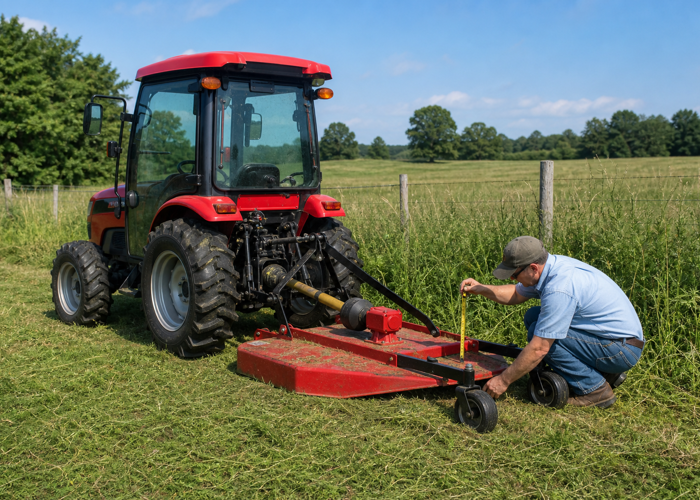
Muitas vezes você precisa manter pastagens, limpar ervas daninhas ou gerenciar culturas de cobertura Ambos os modelos de 60 HP e 70 HP lidam com tarefas de corte de forma eficiente, mas você notará algumas diferenças no desempenho e adequação com base no tamanho e carga de trabalho da sua fazenda Em pequenas fazendas, o trator de 60 HP fornece energia suficiente para operar cortadores rotativos ou cortadores de acabamento para manutenção regular de pastagens Você pode esperar uma operação suave e resultados confiáveis ao cortar grama ou ervas daninhas até densidade moderada.
Se você gerencia uma propriedade média ou maior, o modelo de 70 HP lhe dá uma vantagem A potência extra permite que você prenda cortadores mais largos ou mais pesados, o que significa que você cobre mais terreno em menos tempo Essa vantagem fica clara durante as estações de pico de crescimento, quando o rápido crescimento exige corte frequente O trator de 70 HP também lida com vegetação mais densa e terreno irregular com maior facilidade, reduzindo o risco de paralisação ou desacelerações.
Dica:
Para obter os melhores resultados de corte, combine a potência do seu cortador de grama com a largura do seu trator Um modelo de 60 HP combina bem com um cortador rotativo de 1,5 metro.8, enquanto um modelo de 70 HP pode suportar até um cortador de grama de 2,1 metros para uma cobertura mais rápida.
| Modelo Trator | Largura recomendada do cortador | Caso de Melhor Uso | Eficiência (ha/h) |
|---|---|---|---|
| 60HP | 1.5.1.8 m | Pastagens Pequenas/Médias | 0.8–1.0 |
| 70HP | 1.8.2.1 m | Pastagens Médias/Grandes | 1.1–1.3 |
Você pode encontrar mais diretrizes de equipamentos de corte na Farm Progress ou participar de discussões nos Fóruns AgTalk.
Trabalho Pecuário
As operações pecuárias exigem versatilidade e confiabilidade de seu equipamento Ambos os tratores de 60 HP e 70 HP se destacam em tarefas diárias relacionadas ao gado, mas sua escolha deve refletir o tamanho e a carga de trabalho do seu rebanho Em pequenas fazendas de uso misto, o modelo de 60 HP gerencia facilmente tarefas como mover fardos de feno, limpar currais e transportar ração Seu tamanho compacto e manobrabilidade o tornam ideal para trabalhar em currais apertados ou em torno de recintos de gado.
Para rebanhos maiores ou operações mais intensivas, o trator de 70 HP oferece maior capacidade de elevação e eficiência Você pode lidar com fardos redondos mais pesados, operar misturadores de alimentação maiores e mover cargas mais volumosas com menos tensão na máquina O modelo de 70 HP também suporta acessórios como embalagens de fardos e espalhadores de esterco, o que agiliza seu fluxo de trabalho durante estações movimentadas.
Aqui estão algumas tarefas comuns que ambos os modelos suportam além da aragem e do plantio:
- Controle de ervas daninhas e fertilização durante a estação de crescimento
- Colheita com implementos como colheitadeiras e enfardadeiras
- Transporte na fazenda de feno, produtos e fertilizantes
Estudo de caso:
Em uma fazenda de gado de 35 cabeças, você usa um trator de 60 HP para mover pequenos fardos quadrados e limpar canetas Quando você expande para 80 cabeças, o modelo de 70 HP permite levantar grandes fardos redondos e operar um espalhador de esterco maior, economizando duas horas por semana durante a alimentação e limpeza.
| Tarefa | adequação do modelo 60 HP | adequação do modelo 70 HP |
|---|---|---|
| Movendo pequenos fardos quadrados | Excelente | Excelente |
| Levantando grandes fardos redondos | Limitado | Excelente |
| Misturadores de alimentação operacionais | Bom | Excelente |
| Limpeza de currais para gado | Excelente | Excelente |
| Transporte de feno/fertilizante | Bom | Excelente |
Você pode explorar mais sobre a compatibilidade de equipamentos pecuários na Progressive Cattle ou conectar-se com outros criadores de gado R/Trator do Reddit.
🐄 Nota:
Ambos os tamanhos de tratores são versáteis e adequados para fazendas de uso misto Escolha o modelo que corresponda à sua carga de trabalho atual e futura pelo melhor valor a longo prazo.
Custo e Valor
Preço Compra
Faixa de preço de 60 HP
Quando você considera o investimento inicial, o Trator 60HP oferece um ponto de entrada econômico para pequenas e médias fazendas A maioria das fábricas chinesas precifica esses modelos entre US$7.000,00 e US$10.000,00. Esta gama permite-lhe aceder a máquinas fiáveis sem sobrecarregar o seu orçamento. Muitos agricultores escolhem o modelo de 60 CV ao iniciar ou expandir a sua frota para tarefas mais leves.
Faixa de preço de 70 HP
Se sua operação exigir mais energia, o Trator 70HP normalmente está dentro de uma faixa de preço semelhante US$7.000,00 para US$10.000,00. A potência extra oferece maior flexibilidade para implementos mais pesados e campos maiores, ao mesmo tempo que mantém seus custos iniciais gerenciáveis. Você pode comparar os preços atuais de mercado em plataformas como TractorData ou Feito na China.
| Modelo | Faixa de preço (USD) |
|---|---|
| 60HP | 1TP117.000 T7.000 ATTP12T10.000 |
| 70HP | 1TP117.000 T7.000 ATTP12T10.000 |
Exemplo de caso:
Um produtor de vegetais em Henan comprou um trator de 60 HP por $8.200, usando-o para preparo do solo e transporte Depois de expandir para 60 acres, ele investiu em um modelo de 70 HP em $9.500, o que melhorou sua eficiência durante o pico da colheita.
Custos Operacionais
Eficiência Combustível
Os custos de combustível podem aumentar rapidamente, especialmente durante as estações movimentadas. Você quer um trator que corresponda à sua carga de trabalho. Se você usar uma máquina de 100 HP para um trabalho que precisa apenas de 60 HP, poderá queimar 2001TP11 mais combustível do que com um trator de 70 HP devidamente combinado Máquinas de baixa potência estressam os motores e retardam seu trabalho, enquanto as de alta potência desperdiçam combustível e dinheiro A correspondência do tamanho do trator com suas tarefas diárias mantém suas contas de combustível sob controle.
- Os tratores de 60 HP se destacam em trabalhos leves a moderados, usando menos combustível por hora.
- Os tratores de 70 HP completam trabalhos pesados mais rapidamente, o que pode compensar o uso de combustível por hora um pouco maior.
Manutenção
Ambos os tratores de 60 HP e 70 HP das principais fábricas chinesas apresentam designs simples e componentes duráveis Você se beneficia de baixos custos de manutenção e fácil acesso a peças de reposição O serviço de rotina, como trocas de óleo e substituições de filtros, permanece acessível Muitos proprietários relatam tempo de inatividade mínimo e reparos rápidos, o que mantém sua operação funcionando sem problemas.
Dica:
Agende verificações regulares de manutenção para prolongar a vida útil do seu trator e evitar despesas inesperadas.
Valor de longo prazo
Revenda
Você quer que seu investimento retenha valor ao longo do tempo Ambos os tratores de 60 HP e 70 HP retêm um forte valor de revenda, especialmente quando você acompanha a manutenção e os armazena adequadamente Os compradores geralmente buscam modelos bem conservados para uso secundário, o que ajuda a recuperar uma parte significativa do seu custo inicial se você decidir atualizar.
Opções Personalização
Os fabricantes chineses oferecem uma ampla gama de opções de personalização para tratores de 60 HP e 70 HP. Você pode adaptar sua máquina para atender às suas necessidades exclusivas, seja você focado na produção agrícola, pecuária ou agricultura especializada.
| Opção Personalização | Descrição |
|---|---|
| Sistema Suspensão Traseira de Três Pontos | Melhora a estabilidade e o controle para vários implementos |
| Válvulas Multi-Way Multi-Função | Expande a compatibilidade com diferentes anexos |
| Carregadeiras Front-End | Manuseia levantamento e movimento material |
| Retroescavadeiras | Suporta tarefas de escavação e escavação |
| Arados de discos, grades, lavradores rotativos | Prepara o solo para o plantio |
| Pulverizadores e Máquinas de Semeadura | Melhora o plantio e o manejo das culturas |
| Ferramentas de Transplante/Colheita de Arroz | Especializada em cultivo de arroz |
| Colheitadeiras de Batata, Implementos de Corte | Diversifica suas operações agrícolas |
| Escovas de remoção de neve no inverno | Limpa a neve durante os meses de inverno |
| Enfardadeiras e Semeadoras de Feno | Apoia a produção de feno e sementes |
Você pode explorar mais sobre personalização de tratores e retenção de valor na Farm Progress ou participar de discussões sobre R/agricultura do Reddit.
Confiabilidade e Manutenção
Durabilidade
Construir Qualidade
Você espera o seu equipamento para suportar resistente condições de campo e uso diário Ambos os modelos 60 HP e 70 HP da 1TP7 T apresentam quadros robustos, eixos reforçados e componentes de aço de alta qualidade Esses tratores lidam com implementos pesados e terrenos acidentados sem mostrar sinais precoces de desgaste Os agricultores do norte da China relatam que após três anos de uso contínuo, a tinta e as peças estruturais permanecem intactas, mesmo com exposição frequente à lama e chuva.
Dica:
A limpeza e o armazenamento regulares sob cobertura ajudam a preservar o acabamento do trator e a evitar ferrugem.
Questões Comuns
A manutenção de rotina ajuda a evitar a maioria dos problemas, mas alguns problemas podem surgir com qualquer máquina A tabela abaixo resume as tarefas comuns de manutenção e sua frequência, com base no feedback do usuário e nos registros de serviço:
| Emissão/Tarefa | Frequência | Custo Típico (USD) | Notas |
|---|---|---|---|
| Mudança de óleo e filtro | A cada 250 horas | $30$50 | Evita o desgaste do motor |
| Verificação de Fluidos Hidráulicos | A cada 500 horas | $20$40 | Garante uma operação suave |
| Substituição Pneus | A cada 2 anos | 1TPT2T20012TP12T35/conjunto | Depende do terreno |
| Verificações Elétricas | Anualmente | $10$20 | Inspeção DIY simples |
A maioria dos proprietários relatam tempo de inatividade mínimo Você pode encontrar mais experiências de manutenção do mundo real em Fóruns AgTalk e R/Trator do Reddit.
Facilidade de manutenção
Peças Disponibilidade
Você quer minimizar atrasos quando os reparos são necessários Na China rural, a fonte de peças de reposição para Tratores de 60 CV e 70 CV é direto. Fabricantes e fornecedores mantêm a cadeia de suprimentos constante para estes modelos, assim você pode acessar componentes essenciais rapidamente.
- Tratores de 60 HP e 70 HP estão amplamente disponíveis, indicando suporte de peças fortes.
- Vários fornecedores listam esses modelos, garantindo que você tenha opções de fornecimento.
- Existe uma cadeia de abastecimento confiável, tornando as peças de reposição acessíveis mesmo em áreas remotas.
Reparações
Você pode realizar a maioria dos reparos de rotina sozinho ou com a ajuda de mecânicos locais O design simples de ambos os modelos permite correções rápidas, como a troca de filtros ou correias Para questões mais complexas, centros de serviços autorizados fornecem suporte profissional Muitos agricultores apreciam os manuais claros e recursos on-line que os orientam através da solução de problemas básicos.
Exemplo de caso:
Um fazendeiro em Hebei substituiu uma mangueira hidráulica em seu trator de 70 HP em duas horas usando peças de origem local, minimizando o tempo de inatividade durante a colheita.
Suporte e Garantia
Rede de serviços
Você se beneficia da extensa rede de serviços da Qilu. A empresa oferece a programa de equipamentos de máquinas agrícolas one-stop, com pessoal profissional pronto para ajudá-lo Seu sistema pós-venda cobre reparo, substituição e reembolso de produtos abaixo do padrão Os agentes globais e centros de serviços locais garantem que você receba suporte oportuno onde quer que opere.
- Serviço de uma parada para todas as necessidades de máquinas agrícolas
- A equipe profissional de vendas fornece soluções abrangentes
- Garantia de reparo, substituição e reembolso
- Sistema de serviço pós-venda perfeito para agentes globais
Termos Garantia
1TP7 T está por trás de seus produtos com forte cobertura de garantia Tanto para tratores de 60 HP quanto de 70 HP, você recebe uma garantia de dois anos Se uma peça falhar, a empresa envia uma substituição gratuitamente dentro de 24 horas Este compromisso reduz seu risco e lhe dá tranquilidade durante as estações movimentadas.
- Garantia de dois anos para ambos os modelos
- Peças sobresselentes livres enviadas dentro de 24 horas para reivindicações da garantia
Nota:
Você pode aprender mais sobre políticas de garantia e experiências de usuário no Farm Progress e participar de discussões sobre R/agricultura do Reddit.
Adequação para tipos de fazendas
Pequenas Fazendas
Melhor ajuste
Você opera uma pequena fazenda, então você precisa de equipamentos que equilibrem potência, eficiência e custo Para a maioria das pequenas fazendas, a Trator 60HP fornece a combinação ideal de versatilidade e acessibilidade Você pode lidar com tarefas diárias, como arar, cultivar, cortar e transportar luz sem investir demais em cavalos de potência desnecessários O tamanho compacto permite que você manobre facilmente em torno de parcelas apertadas, pomares ou estufas.
Os agricultores geralmente perguntam qual faixa de potência funciona melhor para operações de pequena escala A tabela a seguir resume as recomendações típicas com base no feedback do usuário e nos dados de desempenho:
| Faixa de potência | Aplicações |
|---|---|
| 15 cv | Pequenas operações de terra e jardim |
| 21 cv | Tarefas utilitárias subcompactas e de baixo custo |
| 36 cv | Tratores utilitários regulares |
| 51 cv | Tratores utilitários maiores, empregos exigentes |
Você vê que 60 HP fica na extremidade superior para pequenas fazendas, dando-lhe capacidade extra para implementos mais pesados ou expansão futura Muitos pequenos proprietários de fazendas relatam que um modelo de 60 HP lida com tudo, desde a preparação de canteiros de vegetais até o corte de pastagens e transporte de produtos.
Estudo de caso:
Em uma fazenda de uso misto de 12 acres em Jiangsu, você usa um trator de 60 HP para o preparo da primavera, corte de verão e transporte de colheita de outono O tamanho e a potência da máquina permitem que você termine todas as tarefas sazonais com eficiência, mantendo baixos os custos de combustível e manutenção.
Se você quiser mais insights sobre como combinar o tamanho do trator com a área cultivada, você pode revisar as diretrizes do Farm Progress ou participar de discussões sobre R/agricultura do Reddit.
Fazendas Médias
Poder vs. Custo
Fazendas de médio porte exigem um equilíbrio cuidadoso entre potência e investimento Muitas vezes você gerencia campos maiores, implementos mais pesados e dias de trabalho mais longos Neste cenário, a Trator 70HP destaca-se como o melhor ajuste A potência extra permite puxar arados mais largos, operar semeadoras maiores e transportar cargas mais pesadas, tudo isso mantendo a eficiência.
Você quer maximizar a produtividade sem gastar demais O modelo de 70 HP dá-lhe a flexibilidade para lidar com ambas as tarefas rotineiras e exigentes Você pode anexar arados de três fundos, cortadores maiores ou misturadores de ração, o que reduz suas horas totais de trabalho A diferença de custo entre os modelos de 60 HP e 70 HP permanece mínima, então você ganha mais capacidade para um aumento modesto no investimento.
Exemplo de caso:
Em uma fazenda de trigo e milho de 40 acres, você atualiza para um trator de 70 HP Você termina o preparo do solo e o plantio 251TP11 T mais rápido em comparação com o modelo anterior de 60 HP, liberando tempo para o manejo da cultura e manutenção do equipamento.
Você pode encontrar mais dados sobre dimensionamento de tratores para fazendas médias nos Fóruns TractorData e AgTalk.
Grandes Fazendas
Limitações
Grandes fazendas apresentam desafios únicos Você gerencia uma área extensa, implementos pesados e altas cargas de trabalho Enquanto um trator de 70 HP oferece um desempenho sólido para muitas tarefas, você pode descobrir que ele atinge seus limites com implementos muito grandes ou uso pesado contínuo Para aragem profunda, plantio de várias fileiras ou colheita em larga escala, pode ser necessário considerar tratores com potência ainda maior.
No entanto, você ainda pode usar modelos de 60 HP e 70 HP para funções de suporte, como corte, transporte leve ou preparo secundário Muitos grandes operadores agrícolas mantêm esses tratores em sua frota para flexibilidade e backup durante as estações de pico.
| Tamanho da fazenda | Trator recomendado HP | Casos de Uso Primário |
|---|---|---|
| Pequeno (<20 ac) | 25 cv | Todas as tarefas principais |
| Médio (20060) | 60 cv | Trabalho de campo principal, implementos pesados |
| Grande (>60 ac) | Mais de 90 cv | Preparo primário, plantio grande |
Dica:
Use seu trator de 70 HP para tarefas como cortar, espalhar fertilizantes ou transportar materiais, enquanto reserva máquinas de maior potência para os trabalhos mais exigentes.
Para obter mais orientações sobre a seleção de máquinas para grandes fazendas, visite Farm Progress ou conecte-se com outros produtores de grande escala R/Trator do Reddit.
Cultura vs. Pecuária
Recomendações Tarefa
Quando você escolhe entre os modelos de 60 HP e 70 HP, você deve considerar o foco principal de sua produção de farmcrop ou gestão de gado Cada tipo de operação coloca demandas únicas em seu equipamento Compreender essas diferenças ajuda você a selecionar o trator certo para suas tarefas diárias.
Para fazendas agrícolas:
Muitas vezes você precisa de energia consistente para o trabalho de campo, como arar, cultivar, plantar e colher O trator de 60 HP lida com parcelas pequenas a médias com facilidade Você pode anexar arados de dois fundos, semeadores moderados e perfilhos rotativos Essa configuração funciona bem para produtores de vegetais, pequenos produtores de grãos e fazendas de culturas especiais Se você gerenciar campos maiores ou quiser puxar implementos mais largos, o modelo de 70 HP lhe dá a potência extra para terminar os trabalhos mais rapidamente Você pode operar arados de três fundos, brocas maiores e pulverizadores mais pesados Essa vantagem fica clara durante as estações de pico de plantio e colheita, quando o tempo é crítico.
Estudo de caso:
Em uma fazenda de trigo de 30 acres, você usa um trator de 60 HP para preparo e semeadura de primavera A máquina completa o trabalho com eficiência Quando você expande para 55 acres, você atualiza para um modelo de 70 HP O aumento de potência permite que você puxe uma broca de sementes mais ampla, reduzindo o tempo de plantio em 25%.
Para Operações Pecuárias:
Fazendas de gado exigem versatilidade Você move ração, manuseia esterco, transporta feno e mantém pastagens O trator de 60 HP se destaca em espaços apertados, como currais e confinamentos Você pode usá-lo para tarefas diárias como limpar currais, mover pequenos fardos quadrados e executar misturadores de ração Para rebanhos maiores ou operações mais intensivas, o modelo de 70 HP oferece maior capacidade de elevação e suporta acessórios mais pesados Você pode lidar com grandes fardos redondos, operar espalhadores de esterco maiores e gerenciar entregas de ração a granel com menos esforço.
| Tarefa | Modelo 60HP | Modelo 70HP |
|---|---|---|
| Arar (2-inferior) | ️ | ️ |
| Arar (3-inferior) | ❌ | ️ |
| Semeadura (broca média) | ️ | ️ |
| Semeadura (broca grande) | ❌ | ️ |
| Movendo pequenos fardos quadrados | ️ | ️ |
| Levantando grandes fardos redondos | ❌ | ️ |
| Misturadores de alimentação operacionais | ️ | ️ |
| Grande espalhador de esterco em funcionamento | ❌ | ️ |
📝 Dica:
Combine a potência do seu trator com a sua tarefa regular mais pesada Para fazendas de uso misto, o modelo de 70 HP oferece flexibilidade tanto para o trabalho agrícola quanto para o pecuário.
Considerações Adicionais:
Você também deve pensar nos tipos de implementos que planeja usar O trator de 70 HP suporta uma gama mais ampla de acessórios, o que aumenta a adaptabilidade da sua fazenda Se você planeja expandir sua operação ou diversificar suas atividades, investir em maior potência pode economizar custos futuros de atualização.
Para comparações mais detalhadas e experiências de usuário, visite Farm Progress ou participe de discussões sobre R/agricultura do Reddit.
Experiências Usuário
Feedback do trator de 60 HP
Positivos
Você descobrirá que muitos pequenos proprietários de fazendas elogiam o Modelo 60HP pela sua versatilidade e facilidade de uso Os operadores costumam mencionar que o tamanho compacto permite manobrar em espaços apertados, como pomares ou pequenas hortas A eficiência de combustível se destaca, especialmente durante longos dias de preparo leve ou corte Um agricultor em Jiangsu relatou que poderia completar todo o trabalho de campo da primavera em seu terreno de 12 acres com apenas um tanque de combustível O design ergonômico da cabine recebe feedback positivo por reduzir a fadiga durante turnos prolongados Muitos usuários também apreciam a manutenção direta, observando que as tarefas de serviço de rotina raramente requerem ajuda profissional.
“Uso meu trator de 60 HP para tudo, desde arar até transportar produtos. É confiável e fácil de consertar se algo der errado.”
– Produtor Vegetal, Shandong
Reclamações
Alguns usuários expressam preocupações sobre as limitações do modelo de 60 HP com implementos mais pesados Se você tentar puxar um arado de três fundos ou operar um grande misturador de alimentação, você pode notar as dificuldades do motor Alguns agricultores mencionam que trabalhar em condições úmidas ou montanhosas pode empurrar o trator para seus limites Enquanto a maioria dos reparos é simples, o fornecimento de peças hidráulicas específicas às vezes leva mais tempo em áreas remotas.
Feedback do trator de 70 HP
Positivos
Operadores agrícolas de médio porte geralmente destacam a potência e a adaptabilidade do trator de 70 HP Você pode anexar implementos mais largos, como arados de três fundos ou brocas de sementes maiores, e terminar o trabalho de campo mais rapidamente O aumento da capacidade de reboque se mostra valioso durante a colheita, especialmente ao mover reboques de grãos pesados Um usuário em Henan compartilhou que a atualização para o modelo de 70 HP reduziu seu tempo de preparo do solo em 251TP11 T em uma fazenda de trigo de 40 acres O sistema hidráulico avançado e várias opções de velocidade PTO permitem lidar com uma gama mais ampla de acessórios Muitos usuários também observam que o sistema de monitoramento inteligente ajuda a evitar o tempo de inatividade, alertando você sobre as necessidades de manutenção precocemente.
| Característica | Avaliação do usuário de 60 HP | 70 HP Avaliação do usuário |
|---|---|---|
| Manobrabilidade | 4.7/5 | 4.2/5 |
| Potência para Implementos | 4.1/5 | 4.8/5 |
| Eficiência Combustível | 4.6/5 | 4.3/5 |
| Facilidade de manutenção | 4.5/5 | 4.4/5 |
Reclamações
Alguns usuários mencionam que o modelo de 70 HP consome mais combustível durante trabalhos pesados Se você operar principalmente em pequenas parcelas, poderá achar o tamanho maior menos conveniente em espaços apertados Alguns agricultores relatam que a curva de aprendizado inicial para recursos avançados, como o sistema de monitoramento inteligente, requer tempo extra.
Conselhos Práticos
Você deve combinar sua escolha de trator com suas tarefas mais frequentes e pesadas Se você gerencia uma pequena fazenda com culturas diversas, o modelo de 60 HP oferece excelente valor e simplicidade Para fazendas médias ou operações com implementos mais pesados, o Modelo 70HP oferece o poder e a eficiência que você precisa Sempre considere seus planos de expansão futuros antes de fazer uma compra A manutenção regular e o armazenamento adequado prolongam a vida útil de ambos os modelos Para mais histórias de usuários e discussões técnicas, visite Fóruns AgTalk ou R/Trator do Reddit.
️ Dica:
Mantenha um registro de manutenção e agende verificações de rotina Esse hábito evita avarias inesperadas e maximiza o valor de revenda do seu trator.
Você viu como cada modelo de Tractor se encaixa em diferentes tamanhos de fazenda e tarefas A opção 60 HP funciona melhor para pequenas fazendas e cargas de trabalho mais leves O modelo 70 HP dá-lhe mais poder para fazendas médias e implementos mais pesados Revise suas tarefas diárias e planos futuros antes de decidir Para obter os melhores resultados, consulte um revendedor local ou teste ambos os modelos em sua terra Você pode encontrar mais conselhos de especialistas em TractorData ou participar de discussões sobre R/agricultura do Reddit.
Perguntas frequentes
Qual o tamanho da fazenda que mais se beneficia com um trator de 60 HP?
Você obtém os melhores resultados de a Trator 60HP em pequenas fazendas com menos de 20 acres Este tamanho lida com tarefas diárias, como lavoura, corte e transporte leve de forma eficiente Para obter mais orientações, verifique o TractorData.
Quando você deve escolher um trator de 70 HP em vez de 60 HP?
Você deve selecionar um Trator 70HP se você gerencia (20 fazendas médias de 0 acres) ou usa implementos mais pesados. A potência extra permite arar, semear e transportar mais rápido, durante as épocas de pico.
Como os custos de combustível se comparam entre os tratores de 60 HP e 70 HP?
Um trator de 60 HP usa menos combustível por hora para trabalhos leves Um trator de 70 HP completa tarefas pesadas mais rapidamente, o que pode compensar o uso de combustível por hora mais alto Veja a tabela abaixo:
| Modelo | Média. Uso de combustível (L/h) | Eficiência da tarefa (ha/h) |
|---|---|---|
| 60HP | 4.5–5.0 | 0.8–1.0 |
| 70HP | 5.5–6.2 | 1.1–1.3 |
Você pode usar os mesmos implementos em ambos os tratores?
A maioria dos implementos padrão se encaixam tanto em tratores de 60 HP quanto de 70 HP Você deve verificar os requisitos de potência do implemento O modelo de 70 HP suporta arados mais largos, semeadores maiores e acessórios mais pesados, dando-lhe mais flexibilidade.
Quais tarefas de manutenção você deve realizar regularmente?
Você deve trocar óleo e filtros a cada 250 horas, verificar o fluido hidráulico a cada 500 horas e inspecionar os pneus anualmente Manter um registro de manutenção ajuda a evitar avarias Para obter mais dicas, visite Fóruns AgTalk.
Como o peso do trator afeta a compactação do solo?
Tratores mais pesados podem aumentar a compactação do solo, o que pode reduzir o rendimento das colheitas Você pode minimizar a compactação ajustando a pressão dos pneus e usando pneus mais largos Sempre combine o peso do trator com as condições do seu campo.
Que suporte de garantia você recebe com esses tratores?
Você recebe uma garantia de dois anos em ambos os modelos Se uma peça falhar, o fabricante envia uma substituição dentro de 24 horas Este suporte reduz o tempo de inatividade durante as estações ocupadas.
Onde você pode encontrar mais experiências e conselhos de usuários?
Você pode ler o feedback do mundo real e participar de discussões R/agricultura do Reddit e Progresso da Fazenda. Essas plataformas oferecem dicas práticas de operadores experientes.