Բարի գալուստ Shandong Qilu Industrial Co., Ltd

 Armenian
 English
 Arabic
 Bulgarian
 Bengali
 Czech
Czech
 Danish
 German
 Greek
Greek
 Spanish
 Finnish
 French
 Hindi
Hindi
 Croatian
 Hungarian
 Indonesian
 Italian
 Japanese
 Korean
 Lithuanian
 Dutch
Dutch
 Norwegian
 Polish
 Portuguese
 Romanian
 Russian
 Slovak
 Slovenian
 Swedish
 Thai
Thai
 Turkish
 Ukrainian
 Vietnamese
 Tagalog
 Malay
Malay
 Estonian
 Catalan
 Latvian
 Urdu
Urdu
 Serbian
 Persian
 Swahili
 Albanian
 Icelandic
 Bosnian
 Luxembourgish
 Afrikaans
Armenian English
Arabic
Bulgarian
Bengali
Czech
Danish
German
Greek
Spanish
Finnish
French
Hindi
Croatian
Hungarian
Indonesian
Italian
Japanese
Korean
Lithuanian
Dutch
Norwegian
Polish
Portuguese
Romanian
Russian
Slovak
Slovenian
Swedish
Thai
Turkish
Ukrainian
Vietnamese
Tagalog
Malay
Estonian
Catalan
Latvian
Urdu
Serbian
Persian
Swahili
Albanian
Icelandic
Bosnian
Luxembourgish
Afrikaans
Afrikaans
Armenian English
Arabic
Bulgarian
Bengali
Czech
Danish
German
Greek
Spanish
Finnish
French
Hindi
Croatian
Hungarian
Indonesian
Italian
Japanese
Korean
Lithuanian
Dutch
Norwegian
Polish
Portuguese
Romanian
Russian
Slovak
Slovenian
Swedish
Thai
Turkish
Ukrainian
Vietnamese
Tagalog
Malay
Estonian
Catalan
Latvian
Urdu
Serbian
Persian
Swahili
Albanian
Icelandic
Bosnian
Luxembourgish
Afrikaans
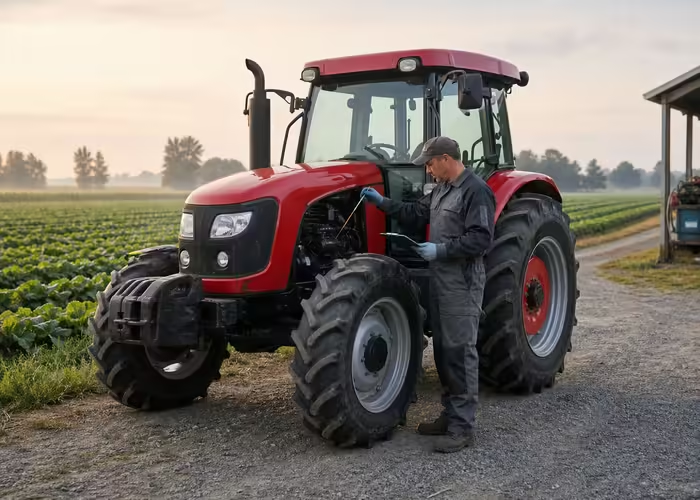
Ինչպես կառուցել գյուղատնտեսական տրակտորների ամենօրյա սպասարկման ստուգաթերթ դաշտային աշխատանքից առաջ
Գործնական ամենօրյա ֆերմերային տրակտորների սպասարկման ստուգաթերթ՝ նախադաշտային ստուգումների համար, որը ծածկում է հեղուկները, անվադողերը, կցորդիչ սարքավորումները, հիդրոտեխնիկան, օպերատորի կայանների ստուգումները եւ կանգառի պայմանները:.
Ֆերմայում տրակտորների սպասարկման օգտակար ստուգաթերթը ավելի քիչ է տրակտորը կոկիկ տեսք հաղորդելու եւ ավելի շատ փոքր անսարքություններ հայտնաբերելու մասին, նախքան դրանք դաշտային ուշացումներ դառնալը: Ֆերմայում զբաղված առավոտը մեքենայի շուրջ տասը հանգիստ րոպեն կարող է պաշտպանել օպերատորին, գործիքը եւ բերքի ժամանակացույցը: Այս ուղեցույցը գրված է սեփականատերերի եւ օպերատորների համար, ովքեր օգտագործում են գյուղատնտեսական տրակտոր բեռնիչ աշխատանքի, հնձելու, տեղափոխելու, հողագործության եւ ամենօրյա կոմունալ աշխատանքների համար:.
QiLu Մեքենաների գնորդները հաճախ համեմատում են ձիաուժը եւ կցորդները առաջին հերթին՝ բայց իրական սեփականության փորձը կախված է կրկնվող ստուգումների: Տրակտորը՝ որը մեկնարկում է՝ ղեկավարում է՝ կանգ է առնում՝ բարձրացնում՝ սառչում եւ միանում կանխատեսելիորեն ավելի հեշտ է օգտագործել՝ քան ավելի մեծ մեքենա՝ որը զարմացնում է օպերատորին: Նույն սովորությունը նաեւ օգնում է մեքենան համապատասխանեցնելիս տրակտորային կիրառման լուծումներ կամ որոշել, թե որ գործիքը պետք է օգտագործվի նախ երկար աշխատանքային օրվա ընթացքում:.
Հետեւյալ բաժինները կենտրոնանում են գործնական որոշումների վրա, այլ ոչ թե ապրանքանիշի պահանջների վրա: Նրանք համատեղում են դաշտային առօրյան հանրային անվտանգության հիշեցումների հետ այնպիսի աղբյուրներից, ինչպիսիք են OSHA տրակտորների շահագործման անվտանգության ուղեցույց, NIOSH գյուղատնտեսական անվտանգության ռեսուրսներ, ՝ եւ համալսարանի ընդլայնման ուղեցույց: Օգտագործեք գաղափարները որպես աշխատանքային շրջանակ եւ միշտ հետեւեք հատուկ օպերատորի ձեռնարկը տրակտորի եւ իրականացնել ձեր առջեւ:.
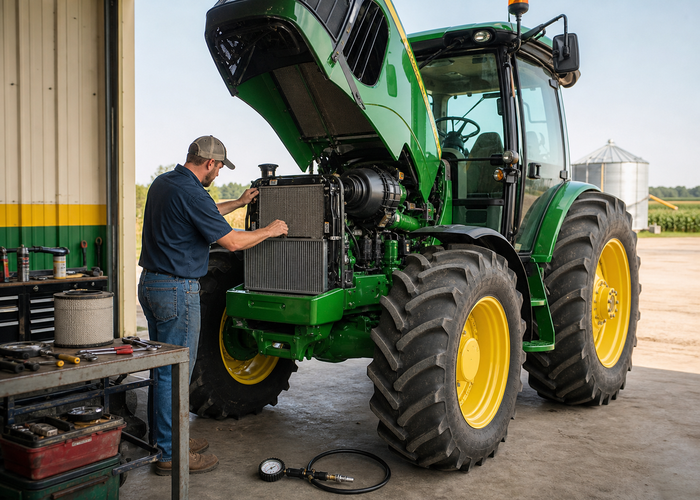
Սկսեք աշխատանքից, ոչ թե ձեւից
Սկսեք տրակտորի շուրջը գտնվող գետնից: Թարմ յուղի բծերը, թաց հիդրավլիկ կցորդիչները, հովացուցիչ նյութի կաթիլները, ճաքած գուլպաները կամ օդափոխիչի փոշոտ էկրանը պատմում են մի պատմություն, նախքան օպերատորը նստատեղ բարձրանալը: Ստուգեք շարժիչի տակ, փոխանցման տուփը, առանցքի պատյանները, բեռնիչի փականը եւ իրականացրեք միացման կետերը: Եթե արտահոսքը նոր է, մի նորմալացրեք այն միայն այն պատճառով, որ տրակտորը դեռ աշխատում է:.
Հաջորդ ստուգեք շարժիչի յուղը՝ հովացուցիչ նյութի մակարդակը՝ վառելիքի մակարդակը՝ օդի ընդունումը՝ ռադիատորի էկրանը՝ գոտիները եւ մարտկոցի տերմինալները՝ ըստ օպերատորի ձեռնարկի: Բանն այն է՝ որ տրակտորը ամեն առավոտ վերակառուցվի: Բանն այն է՝ որ նկատենք սովորական մաշվածության եւ խնդիրը՝ որը թանկանալու է դաշտում երկու տաք ժամից հետո:.
Անվադողերն արժանի են ավելի դանդաղ տեսքի, քան սովորաբար ստանում են: Անհավասար ճնշումը փոխում է ղեկը, արգելակումը, ձգումը եւ բեռնիչի կայունությունը: Կողքի պատի կտրվածքները, փականների բացակայող գլխարկները, չամրացված ընկույզները կամ հեղուկ բալաստի անհավասարակշռությունը կարող են փոխել տրակտորի վարքագիծը ծանրաբեռնվածության տակ: Բեռնիչով կոմպակտ օգտակար տրակտորը կարող է իրեն դատարկ զգալ եւ նյարդայնանալ բարձրացված դույլով:.
Շարժիչ, հովացում, անվադողեր եւ կառավարում
Կառավարման սարքերը պետք է փորձարկվեն պարապ վիճակում՝ նախքան աշխատանքը սկսելը: Ղեկը, արգելակները, կալանքը, շնչափողը, լույսերը, շչակը, կայանման արգելակը, նստատեղի անջատիչը եւ վահանակի նախազգուշացումները բոլորը պատկանում են նախնական աշխատանքի սովորությանը: Եթե հայտնվում է նախազգուշական լամպ, վերաբերվեք դրան որպես տեղեկատվություն, այլ ոչ թե ֆոնային ձեւավորում: Այն ախտորոշելու լավագույն ժամանակը նախքան գործիքը շարժելը:.
Հասարակական անվտանգության գործակալությունները շարունակում են կրկնել նույն հաղորդագրությունը, քանի որ գյուղատնտեսական տրակտորները կենտրոնացնում են քաշը, հզորությունը, պտտվող լիսեռները, հիդրոտեխնիկան եւ մարդկային դատողությունը մեկ մեքենայի մեջ:. Penn State Extension տրակտորի անվտանգության ուղեցույց եւ Մինեսոտայի համալսարանի Extension տրակտորային անվտանգության նյութ երկուսն էլ շեշտում են, որ անվտանգ աշխատանքը սկսվում է նախքան աշխատանքը սկսելը: Լավագույն ստուգաթերթը պատի պաստառ չէ: դա հաջորդականություն է, որը օպերատորը կարող է իրականում կատարել տրակտորի կողքին:.
Գնման թիմի համար նույն մտածողությունը նաեւ բարելավում է ճշգրտման ընտրությունը: Գնորդը վերանայում է բոլոր մեքենաների արտադրանքները պետք է հարցնել՝ թե ինչպես է տրակտորը ստուգվի՝ սպասարկում՝ միացված եւ պահվում: Մեքենան՝ որը համապատասխանում է աշխատանքին՝ բայց չի կարող հեշտությամբ ստուգվել՝ կհրավիրի բաց թողնված քայլեր: Հենց այստեղ են հանդիպում արտադրանքի ընտրությունը եւ ամենօրյա պրակտիկան:.
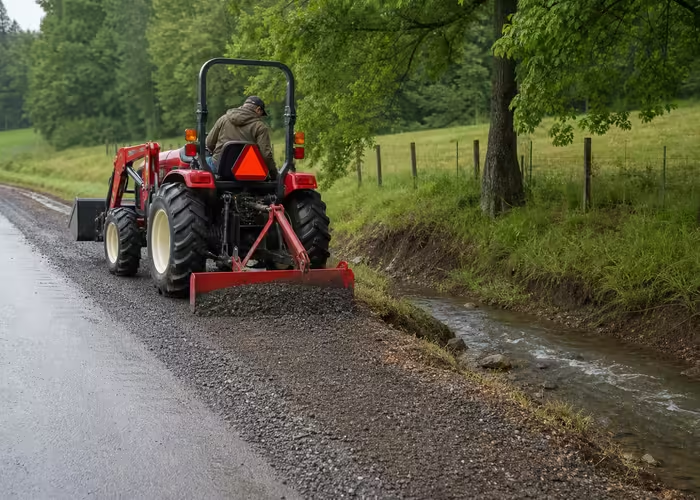
Երբ աշխատանքը ներառում է բազմաթիվ գործիքներ՝ քայլեք ամբողջ աշխատանքային շղթայով: Նայեք տրակտորին, իրականացմանը, ճանապարհորդության երթուղին, բեռնման կետին, թեքությանը, դարպասի լայնությանը եւ շրջադարձային տարածությանը: Եթե առաջադրանքը կախված է բեռնիչից, PTO-ն կամ հիդրավլիկ կցորդիչը ներառում է այդ համակարգը առաջին ստուգման ժամանակ, այլ ոչ թե սպասում, մինչեւ տրակտորն արդեն տեղում լինի:.
Ստուգեք կցորդի եւ ձգվող ժապավենի տարածքը նախքան ետ կանգնելը դեպի գործիքը: Պահպանեք տրակտորի քառակուսին կցորդին, ստուգեք պտուտակի չափը, հաստատեք ամրացնող սեղմակները եւ փնտրեք թեքված անցքեր կամ ճաքած եռակցումներ: Վատ համընկնող քորոցը կարող է խափանվել հարվածային բեռի տակ նույնիսկ այն դեպքում, երբ այն ընդունելի տեսք ուներ նստատեղից:.
Հիչ, հիդրավլիկա եւ Օպերատորի կայանի ստուգումներ
Հիդրավլիկ կցորդիչները պետք է մաքուր լինեն մինչեւ միացումը: Փոշին եւ մանրախիճը կրճատում են փականի կյանքը եւ կարող են ստիպել բեռնիչին կամ իրականացնել անհավասար վարքագիծ: Սրբել կցորդիչները՝ անվտանգ թեթեւացնել թակարդված ճնշումը՝ ուղղորդել ճկուն խողովակները հեռու pinch կետերից՝ եւ հաստատել՝ որ կցորդը իջնում եւ սահուն բարձրանում է նախքան ճանապարհորդությունը հեռու է միացման տարածքից:.
Օպերատորի կայանը կարեւոր է այնքան, որքան շարժիչի պահոցը: Պլատֆորմից մաքրել չամրացված գործիքները, շշերը, հեռախոսները եւ պարանները: Տեղափոխելուց առաջ կարգավորեք նստատեղը, հայելիները եւ ղեկը: Հագեք ամրագոտին, երբ առկա է շրջվելուց պաշտպանություն եւ անցորդներին պահեք աշխատանքային տարածքից դուրս, հատկապես դարպասների, կցասայլերի եւ նյութերի կույտերի մոտ:.
Ավարտեք ստուգումը' պլանավորելով աշխատանքի առաջին տասը րոպեները: Որոշեք՝ թե որտեղ է տրակտորը պտտվում՝ որտեղ է գործիքը կբարձրացվի՝ որտեղ բեռնիչի դույլը կմնա ցածր՝ եւ որտեղ օգնականը պետք է կանգնի՝ եթե անհրաժեշտ է: Ստուգաթերթը դառնում է ավելի արժեքավոր՝ երբ այն կապում է մեքենայի վիճակը իրական աշխատանքի վայրում:.

Առօրյա գրառումների համար ձեւը կարճ պահեք: Ամսաթիվը, տրակտորային ժամերը, օպերատորի սկզբնատառերը, վառելիքը, յուղը, հովացուցիչ նյութը, անվադողերի վիճակը, արտահոսքերը, լույսերը, արգելակները, կցորդիչ սարքավորումը, պահակային վիճակը եւ նշումները բավական են շատ փոքր նավատորմի համար: Երկար ձեւերը տպավորիչ տեսք ունեն, բայց հաճախ դադարում են օգտագործել մեկ շաբաթ անց:.
Սեփականության առաջին հիսուն ժամն արժանի է լրացուցիչ ուշադրության, քանի որ պտուտակների նստատեղը, ֆիլտրերը հավաքում են վաղ բեկորներ, օպերատորները սովորում են կառավարումը, իսկ կցորդները բացահայտում են համապատասխանության խնդիրները: Արձանագրեք այն ամենը, ինչ կրկնվում է: Փոքր արտահոսքը, քսող գուլպանը կամ կրկնվող նախազգուշական լույսը ավելի հեշտ է լուծել, երբ օրինակը փաստաթղթավորված է:.
Սպասարկումը պետք է համապատասխանի նաեւ շրջակա միջավայրին: Փոշոտ հնձումը, բեռնիչի աշխատանքը մանրախիճի մեջ, ձմեռային կերակրումը, խոնավ հողի տեղափոխումը եւ ճանապարհային ճանապարհորդությունը ստեղծում են տարբեր մաշվածություն: Մաքրել ռադիատորի էկրանն ավելի հաճախ՝ ճարմանդով, ավելի ուշադիր հետեւել անվադողերի ճնշմանը բեռնիչի աշխատանքի ժամանակ եւ ստուգել լուսավորությունը ճանապարհի ցանկացած շարժումից առաջ:.
Լավ ամենօրյա ստուգաթերթը չի փոխարինում պլանային ծառայությանը: Այն աջակցում է այն: Օգտագործեք արտադրողի միջակայքերը նավթի՝ ֆիլտրերի՝ հիդրավլիկ հեղուկ՝ հովացուցիչ նյութ՝ քսուք կետեր եւ փոխանցման ծառայություն: Ամենօրյա քայլարշավը տեսանելի փոփոխություններ է բռնում այդ միջակայքերի միջեւ եւ տալիս է օպերատորին վստահություն՝ որ տրակտորը պատրաստ է հաջորդ առաջադրանքի:.
Անցրեք ստուգաթերթը դաշտային առօրյայի մեջ
Լավ առօրյան բավական պարզ է ճնշումը գոյատեւելու համար: Պահպանեք ստուգաթերթը բանալու, գործիքների տուփի, վառելիքի կետի կամ սպասարկման վայրի մոտ: Պահեք պահեստային կցորդիչները, լինչի կապում, ձեռնոցներ, խանութի սրբիչներ եւ անվադողերի ճնշման գործիքներ, որտեղ դրանք իրականում օգտագործվում են: Ավելի մեծ նավատորմի պլանավորման համար նույն գրառումները կարող են աջակցել ծառայության որոշումներին QL 60HP տրակտոր, որ QL 904B տրակտոր, եւ այլ սարքավորումներ խառը բակում:.
Վերջնական փորձարկումն այն է, թե արդյոք օպերատորը կարող է բացատրել կանգառի վիճակը: Եթե հայտնվում է արտահոսք, վնասված պաշտպանիչ, անվադողերի ցածր մակարդակ, չամրացված քորոց, նախազգուշական լույս, անսովոր ձայն կամ անկայուն բեռ, ճիշտ պատասխանը դադարեցնելն ու պատճառը շտկելն է:. Միսսուրիի համալսարանի գյուղատնտեսական մեքենաների սպասարկման ուղեցույց իսկ ընդլայնման այլ հրապարակումները սահմանում են սպասարկումը որպես կանխարգելման սովորություն, այլ ոչ թե թղթային վարժություն:.
Ֆերմայում տրակտորների սպասարկման ստուգաթերթը պետք է ավարտվի հստակ որոշմամբ՝ պատրաստ՝ վերանորոգել՝ աշխատանքից առաջ կամ վերահսկել աշխատանքից հետո: Ամեն ինչ անորոշ է մոռացվում: Կարճ գրավոր արձանագրությունը՝ հանգիստ քայլելը եւ այն քաջությունը՝ որ կանգ առնի՝ երբ ինչ-որ բան սխալ է թվում՝ կպաշտպանի ավելի շատ ժամանակ՝ քան նրանք սպառում են:.
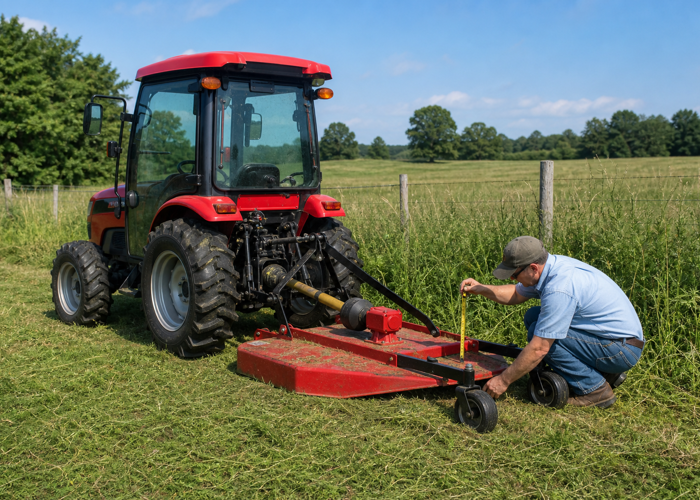
Կառուցեք ստուգաթերթը տրակտորի իրականում օգտագործման ձեւի շուրջ: Մեքենան՝ որն առավոտների մեծ մասն անցկացնում է հնձվորի հետ՝ ավելի շատ ուշադրություն է դարձնում բեկորներին՝ պահակներին՝ PTO- ի պաշտպանությանը եւ հովացման օդի հոսքին: Տրակտորը՝ որը կրում է ծղոտե ներքնակ կամ մանրախիճ՝ ավելի շատ անվադողերի եւ բալաստների ստուգումների կարիք ունի: Ճանապարհային ճանապարհորդության համար օգտագործվող տրակտորը կարիք ունի լույսերի՝ հայելիների՝ արգելակների՝ ռեֆլեկտորների եւ կցորդիչի անվտանգության ստուգված ավելի կարգապահությամբ: Մեկ տպագիր ձեւը կարող է ծառայել ամբողջ բակին, բայց օպերատորը պետք է շրջի այն համակարգերը, որոնք համապատասխանում են օրվան: աշխատանք:.
Սառեցման համակարգը լավ օրինակ է՝ թե ինչու է համատեքստը կարեւոր: Ռադիատորի էկրանը՝ որը ընդունելի է թվում մաքուր առավոտ՝ կարող է արագ միացնել սերմերի բմբուլը՝ chaff:չոր խոտ կամ փոշոտ այգու աշխատանքը: Գերտաքացումը կրճատում է աշխատանքային ժամանակը եւ կարող է վնասել այն մասերը՝ որոնք շատ ավելի թանկ արժեն քան մանրակրկիտ մաքրում: Ստուգեք էկրանը աշխատանքից առաջ՝ դիտեք ջերմաստիճանի չափիչը աշխատանքի ընթացքում եւ նորից մաքրեք առաջին փոշոտ անցումից հետո՝ եթե աշխատանքը նյութը նետում է դեպի տրակտորի առջեւը:.
Վառելիքի եւ հեղուկի ստուգումները պետք է լինեն հանգիստ՝ մաքուր եւ հետեւողական: Սրբել գլխարկների շուրջ նախքան դրանք բացելը՝ օգտագործել ճիշտ հեղուկ տեսակը եւ խուսափել խառնելով տարաները՝ որոնք պիտակավորված չեն: Ցածր հեղուկը միակ մտահոգությունը չէ: Ծիր Կաթին յուղը՝ այրված հոտը՝ փրփուրը՝ մետաղական փոշին՝ կամ հանկարծակի անկումը երեկվա: մակարդակը կարող է մատնանշել ավելի մեծ խնդիր: Ստուգաթերթիկը պետք է օպերատորին տեղ տա գրելու այն, ինչ փոխվել է, այլ ոչ թե պարզապես տկտկացնելու տուփ:.
Ձայնագրություններ, առաջին 50 ժամ եւ սեզոնային պայմաններ
Ճարպ կետերը հեշտ է հետաձգել՝ քանի որ տրակտորը կարող է դեռ շարժվել առանց անմիջական բողոք: Բեռնիչի կապումները՝ ղեկի բաղադրիչները՝ երեք կետանոց կցման կետերը՝ PTO լիսեռի խաչերը եւ իրականացման առանցքները բոլորն ավելի արագ են մաշվում՝ երբ դրանք չորանում են: Լավ առավոտյան առօրյան ցույց է տալիս՝ թե որ կետերն են ամենօրյա քսուքի կարիք եւ որոնք հետեւում են ավելի երկար ընդմիջումներով: Պահպանեք քսուք ատրճանակը՝ մաքրեք կցամասերը օգտագործելուց առաջ եւ փոխարինեք կոտրված զերկերը՝ ձեւացնելու փոխարեն՝ որ դրանք ընտրովի են:.
Էլեկտրական քայլարշավը պետք է ներառի ավելին, քան լուսարձակները: Արգելակի լույսերը, շրջադարձային ազդանշանները, աշխատանքային լույսերը, վահանակի նախազգուշացումները, փարոսի լույսերը, որտեղ օգտագործվում են, հակադարձ ազդանշանները, որտեղ տեղադրված են, եւ մարտկոցի մալուխի վիճակը ազդում են անվտանգ աշխատանքի վրա: Ֆերմերներում, որտեղ տրակտորները շարժվում են աշխատողների, անասունների, ճանապարհների կամ հանրային ճանապարհների մոտ, վատ լուսավորությունը կարող է սովորական ճանապարհորդությունը վերածել կապի խնդրի: Օպերատորը պետք է իմանա, թե արդյոք մարդիկ կարող են տեսնել տրակտորը նախքան աշխատանքը սկսելը:.
Ավարտեք անջատման նշումով՝ ինչպես նաեւ գործարկման նշումով: Աշխատանքից հետո՝ ցածր գործիքներ՝ սահմանեք արգելակը, պարապ եւ սառեցրեք՝ ինչպես հրահանգված է՝ փնտրեք նոր արտահոսքեր՝ մաքուր փաթեթավորված բերք եւ գրանցեք այն ամենը՝ ինչ պետք է վերանորոգվի մինչեւ հաջորդ հերթափոխը: Լավագույն ամենօրյա ստուգաթերթը կազմում է հանգույց՝ ստուգել, շահագործել, դիտարկել, գրանցել եւ պատրաստել տրակտորը հաջորդ օպերատորի համար:.
Դաշտային օգտագործման նշումներ
Նախքան ֆերմայում առօրյան ընդունելը, փորձարկեք այն մեկ շաբաթ այն օպերատորների հետ, ովքեր իրականում օգտագործում են մեքենան: Հարցրեք, թե որ ստուգումները օգտակար են եղել, որոնք անհասկանալի են, եւ որ գործիքները բացակայում են սպասարկման տարածքից: Ստուգաթերթը, որը բարելավվում է օպերատորի արձագանքից հետո, ավելի հավանական է, որ գոյատեւի բերքի ճնշումը, անձրեւոտ օրերը եւ անձնակազմի փոփոխությունները: Եթե ձեւը բազմիցս ցույց է տալիս նույն սխալը, վերաբերվեք այդ օրինակին որպես պահպանման ապացույց, այլ ոչ թե մեղադրեք օպերատորին չափազանց շատ գրելու համար:.
Կառավարիչների համար առավել օգտակար գրառումը ոչ թե կատարյալ արխիվ է՝ այլ օրինաչափություն՝ որը կարող է գործել: Եթե նույն անվադողը կորցնում է ճնշումը՝ նույն կցորդիչը արտահոսում է՝ նույն օպերատորը հայտնում է անկայուն բեռնաթափման՝ կամ նույն գործիքը դժվար է կցել՝ ֆերմա գտել է ուսուցման կամ պահպանման առաջնահերթություն: Վերանայել շաբաթական նշումները՝ լեզուն պարզ պահել եւ կրկնակի դիտարկումները վերածել վերանորոգման՝ պահպանման փոփոխությունների կամ օպերատորի հիշեցումների՝ նախքան զբաղված սեզոնը դժվարացնում է յուրաքանչյուր փոքր անսարքություն շտկելը:.
Ընթերցողների համար ավելի ամբողջական տրակտորների սեփականության ռեժիմ՝ զուգավորեք այս ամենօրյա ստուգաթերթը QiLu Machinery- ի հետ գյուղատնտեսական տրակտորային արտադրանքի կատեգորիա, որ տրակտորային կիրառման լուծումներ էջը եւ QL 904B տրակտոր էջ: Արտաքին հղման համար համեմատեք առօրյան OSHA տրակտորների շահագործման ուղեցույց, Penn State Extension տրակտորային անվտանգության նյութ, եւ Միսսուրիի համալսարանի մեքենաների սպասարկման ուղեցույց.
Գործնական ՀՏՀ
Որքա՞ն հաճախ պետք է օգտագործվի տրակտորային ստուգաթերթը: Օգտագործեք կարճ քայլք յուրաքանչյուր աշխատանքային ժամանակահատվածից առաջ եւ ավելի մանրամասն ստուգում՝ երբ աշխատանքը փոխվում է՝ երբ գործիքը կցվում է՝ փոխադրումից հետո՝ կամ տրակտորը մեկ ուրիշի կողմից շահագործելուց հետո: Բանն է հետեւողականությունը՝ ոչ թե թղթաբանության ծավալը:.
Դադարեցրեք պայմանները, որոնք չպետք է անտեսվեն
Ի՞նչը պետք է անհապաղ դադարեցնի աշխատանքը: Կանգ առեք ակտիվ հեղուկի արտահոսքի, արգելակի խնդիրների, ղեկի հետ կապված խնդիրների, վնասված պաշտպանիչների, բացակայող կցորդների, նախազգուշական լույսերի, անկայուն բեռների, անսովոր թրթռումների, գերտաքացած համակարգերի, վնասված անվադողերի կամ օպերատորին անվստահություն պատճառող որեւէ պայմանի համար: Հետաձգված վերանորոգումն ավելի էժան է, քան վնասված տրակտորը կամ վիրավոր աշխատողը:.
Արդյո՞ք նույն ստուգաթերթը պետք է օգտագործվի յուրաքանչյուր գործիքի համար: Պահպանեք տրակտորների ընդհանուր ստուգաթերթը, այնուհետեւ ավելացրեք կարճ իրականությանը հատուկ բաժին: Բեռնիչի աշխատանքը, PTO աշխատանքը, հնձումը, ճանապարհային ճանապարհորդությունը եւ հողագործությունը բացահայտում են տարբեր ռիսկեր: Մի քանի կենտրոնացված գծեր ավելի օգտակար են, քան մեկ ընդհանուր ձեւ, որը փորձում է ծածկել բոլոր հնարավոր իրավիճակները:.
Ո՞րն է լավ ստուգաթերթի ձախողման ամենատարածված պատճառը: Ստուգաթերթը ձախողվում է՝ երբ այն պահվում է մեքենայից հեռու՝ գրված լեզվով օպերատորները չեն օգտագործում կամ շատ երկար են առավոտյան առօրյայի համար: Պահեք այն տեսանելի՝ գործնական եւ միացված իրական կանգառի պայմաններին:.
Մեքենաների ավելի գործնական թեմաների համար վերանայեք QiLu մեքենաների բլոգ եվ ավելի լայն արտադրանքի կիրառման լուծումներ էջեր: Ֆերմայի տրակտորը վաստակում է իր պահվածքը, երբ այն ընտրվում է իրական աշխատանքի համար, ստուգվում է իրական աշխատանքից առաջ եւ գործում է բավականաչափ կարգապահությամբ՝ վաղվա համար պատրաստ տուն վերադառնալու համար:.