Welcome to Shandong Qilu Industrial Co., Ltd

 English
 Arabic
 Bulgarian
 Bengali
 Czech
Czech
 Danish
 German
 Greek
Greek
 Spanish
 Finnish
 French
 Hindi
Hindi
 Croatian
 Hungarian
 Indonesian
 Italian
 Japanese
 Korean
 Lithuanian
 Dutch
Dutch
 Norwegian
 Polish
 Portuguese
 Romanian
 Russian
 Slovak
 Slovenian
 Swedish
 Thai
Thai
 Turkish
 Ukrainian
 Vietnamese
 Tagalog
 Malay
Malay
 Estonian
 Catalan
 Latvian
 Urdu
Urdu
 Serbian
 Persian
 Swahili
 Albanian
 Armenian
 Icelandic
 Bosnian
 Luxembourgish
 Afrikaans
English Arabic
Bulgarian
Bengali
Czech
Danish
German
Greek
Spanish
Finnish
French
Hindi
Croatian
Hungarian
Indonesian
Italian
Japanese
Korean
Lithuanian
Dutch
Norwegian
Polish
Portuguese
Romanian
Russian
Slovak
Slovenian
Swedish
Thai
Turkish
Ukrainian
Vietnamese
Tagalog
Malay
Estonian
Catalan
Latvian
Urdu
Serbian
Persian
Swahili
Albanian
Armenian
Icelandic
Bosnian
Luxembourgish
Afrikaans
Afrikaans
English Arabic
Bulgarian
Bengali
Czech
Danish
German
Greek
Spanish
Finnish
French
Hindi
Croatian
Hungarian
Indonesian
Italian
Japanese
Korean
Lithuanian
Dutch
Norwegian
Polish
Portuguese
Romanian
Russian
Slovak
Slovenian
Swedish
Thai
Turkish
Ukrainian
Vietnamese
Tagalog
Malay
Estonian
Catalan
Latvian
Urdu
Serbian
Persian
Swahili
Albanian
Armenian
Icelandic
Bosnian
Luxembourgish
Afrikaans
Backhoe or Excavator: Choosing the Right Equipment
Table of Contents
Introduction
When it comes to heavy machinery, choosing between a backhoe or excavator is a crucial decision for construction, agriculture, and industrial projects. Both machines serve unique purposes and offer distinct advantages depending on the job requirements. A backhoe or excavator can significantly impact work efficiency, cost, and project timelines, so understanding their differences is essential.
A backhoe is a versatile machine equipped with a digging bucket on one end and a loader on the other, making it ideal for multitasking. It is commonly used in agriculture, landscaping, and smaller construction projects. An excavator, on the other hand, is a powerful digging machine with a rotating cab and a long arm, designed for heavy-duty excavation and large-scale earthmoving.
In this comprehensive guide, we will compare the backhoe or excavator, discuss their features, applications, advantages, and key factors to consider when selecting the right equipment for your project.
Understanding the Differences Between Backhoe or Excavator

Structure and Design
A backhoe consists of a tractor-like body with a digging arm (backhoe) on one end and a loader bucket on the other. This dual-functionality allows operators to dig trenches and move materials without switching equipment. The structure makes backhoes highly versatile, especially in urban settings where space is limited.
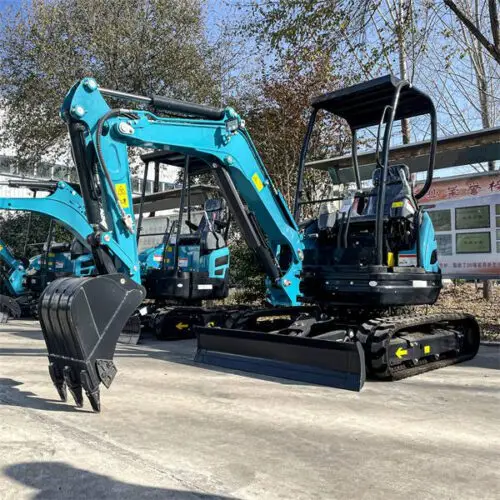
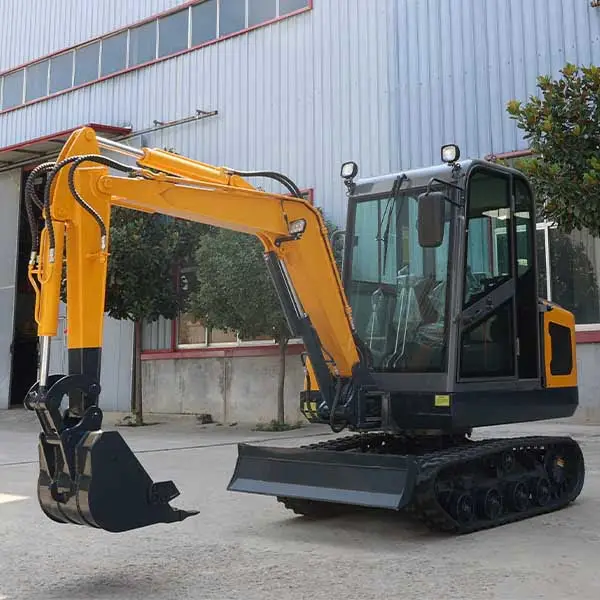
An excavator, in contrast, features a rotating cab, a long articulated arm, and a bucket. Unlike a backhoe, an excavator does not have a loader attachment. Instead, its 360-degree rotation provides greater maneuverability and efficiency in large-scale excavation projects.
Mobility and Terrain Adaptability
A backhoe typically has wheels, which make it ideal for paved roads and urban construction sites. Its mobility allows it to move quickly between job sites without requiring additional transport equipment. However, backhoes may struggle in rough terrains due to their wheeled design.
An excavator is available in both wheeled and tracked versions, with tracked excavators being more common. Tracks provide better stability and traction on uneven or muddy surfaces, making excavators the preferred choice for challenging terrains and large-scale earthmoving tasks.
Performance and Efficiency
A backhoe is best suited for light-to-medium excavation and material handling tasks. It can perform digging, lifting, and loading operations efficiently, making it a great choice for utility work, small construction projects, and landscaping.
An excavator, on the other hand, offers superior digging power and reach. It is designed for intensive excavation, demolition, and deep trenching. If your project requires heavy digging in challenging soil conditions, an excavator is the better choice.
Versatility and Attachments
A backhoe is known for its versatility. It can be equipped with attachments like hydraulic breakers, augers, and grapples to handle various tasks. Its ability to perform multiple functions without changing equipment makes it valuable for contractors and farmers alike.
An excavator also supports multiple attachments, but it is primarily designed for digging and demolition. Attachments like rippers, thumbs, and trenching buckets enhance its capability, but it lacks the multitasking ability of a backhoe.
Comparing Backhoe or Excavator for Different Applications
| Feature | Backhoe | Excavator |
|---|---|---|
| Mobility | Wheeled, good for paved roads | Tracked, ideal for rough terrain |
| Versatility | Dual-purpose (digging + loading) | Primarily used for excavation |
| Digging Power | Moderate | High |
| Attachments | Supports multiple tools | Designed for heavy-duty digging |
| Rotation | Limited (fixed cab) | 360-degree rotation |
| Common Uses | Utility work, landscaping, small construction | Large-scale excavation, mining, demolition |
Choosing Between a Backhoe or Excavator for Your Project
Consider the Job Requirements
Before deciding between a backhoe or excavator, consider the primary tasks your project requires. If your job involves trenching, digging, and loading materials in a confined space, a backhoe is an excellent choice. However, if your project involves large-scale earthmoving, deep excavation, or demolition, an excavator is more suitable.
Evaluate the Worksite Conditions
A backhoe performs well on hard surfaces, urban job sites, and areas where mobility is essential. Its ability to travel on roads without additional transport makes it convenient for city-based projects.
An excavator, particularly a tracked model, is better suited for off-road conditions, muddy terrains, and sites requiring stability during heavy digging operations. If your worksite is uneven or has loose soil, an excavator is the better option.
Budget and Maintenance Considerations
A backhoe generally has a lower upfront cost and requires less maintenance compared to an excavator. If your project has budget constraints and involves medium-duty tasks, a backhoe offers a cost-effective solution.
An excavator, while more expensive, provides higher efficiency for large-scale jobs. It also requires more maintenance due to its hydraulic system and track components. If your project demands intensive digging with long operational hours, investing in an excavator can offer long-term benefits.
Conclusion
The choice between a backhoe or excavator depends on the nature of your project, site conditions, and budget. A backhoe is ideal for smaller construction jobs, agricultural work, and multi-purpose tasks that require both digging and material handling. In contrast, an excavator is the best option for large-scale excavation, demolition, and working in tough terrains.
Understanding the differences in design, mobility, efficiency, and cost will help you make an informed decision. By evaluating your specific needs, you can choose the right equipment to enhance productivity and project success.
FAQ
What are the main differences between a backhoe or excavator?
A backhoe has a digging arm and a loader bucket, making it versatile for multiple tasks, while an excavator has a rotating cab and a long digging arm designed for heavy-duty excavation.
Is a backhoe or excavator better for small construction projects?
A backhoe is better suited for small construction projects due to its mobility, versatility, and ability to perform both digging and loading tasks.
Can an excavator be used for landscaping?
Yes, an excavator can be used for landscaping, especially for large-scale earthmoving and grading work. However, a backhoe may be more practical for smaller landscaping tasks.
Which equipment is more cost-effective, a backhoe or excavator?
A backhoe is generally more cost-effective for light-to-medium-duty work, while an excavator is a better long-term investment for intensive excavation and heavy-duty applications.
How do I choose the right backhoe or excavator for my project?
Consider the job type, worksite conditions, required attachments, budget, and long-term maintenance costs to determine whether a backhoe or excavator is the right choice for your needs.