Welcome to Shandong Qilu Industrial Co., Ltd

 English
 Arabic
 Bulgarian
 Bengali
 Czech
Czech
 Danish
 German
 Greek
Greek
 Spanish
 Finnish
 French
 Hindi
Hindi
 Croatian
 Hungarian
 Indonesian
 Italian
 Japanese
 Korean
 Lithuanian
 Dutch
Dutch
 Norwegian
 Polish
 Portuguese
 Romanian
 Russian
 Slovak
 Slovenian
 Swedish
 Thai
Thai
 Turkish
 Ukrainian
 Vietnamese
 Tagalog
 Malay
Malay
 Estonian
 Catalan
 Latvian
 Urdu
Urdu
 Serbian
 Persian
 Swahili
 Albanian
 Armenian
 Icelandic
 Bosnian
 Luxembourgish
 Afrikaans
English Arabic
Bulgarian
Bengali
Czech
Danish
German
Greek
Spanish
Finnish
French
Hindi
Croatian
Hungarian
Indonesian
Italian
Japanese
Korean
Lithuanian
Dutch
Norwegian
Polish
Portuguese
Romanian
Russian
Slovak
Slovenian
Swedish
Thai
Turkish
Ukrainian
Vietnamese
Tagalog
Malay
Estonian
Catalan
Latvian
Urdu
Serbian
Persian
Swahili
Albanian
Armenian
Icelandic
Bosnian
Luxembourgish
Afrikaans
Afrikaans
English Arabic
Bulgarian
Bengali
Czech
Danish
German
Greek
Spanish
Finnish
French
Hindi
Croatian
Hungarian
Indonesian
Italian
Japanese
Korean
Lithuanian
Dutch
Norwegian
Polish
Portuguese
Romanian
Russian
Slovak
Slovenian
Swedish
Thai
Turkish
Ukrainian
Vietnamese
Tagalog
Malay
Estonian
Catalan
Latvian
Urdu
Serbian
Persian
Swahili
Albanian
Armenian
Icelandic
Bosnian
Luxembourgish
Afrikaans
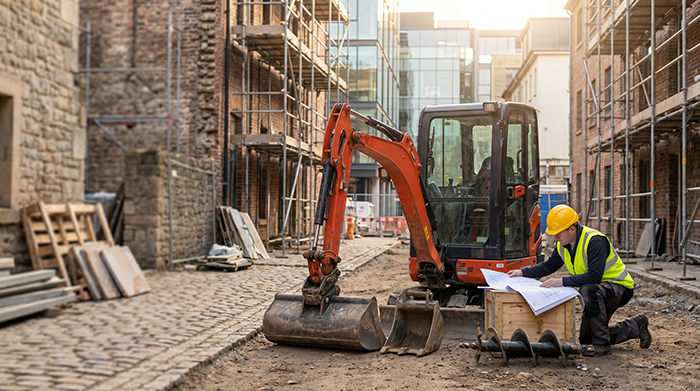
Crawler Excavator vs. Wheeled Excavator: Key Differences
A crawler excavator is equipped with tracks, which provide stability and traction on rough and uneven terrain.
Table of Contents
Introduction
Excavators are essential machines in the construction, mining, and infrastructure industries. They come in different types, with the most common being the crawler excavator and the wheeled excavator. Both machines serve similar purposes—digging, lifting, and moving heavy materials—but their structural differences impact their functionality, performance, and suitability for various job sites.
A crawler excavator is equipped with tracks, which provide stability and traction on rough and uneven terrain. On the other hand, a wheeled excavator operates on rubber tires, making it highly mobile and ideal for paved surfaces and urban environments. Understanding the differences between these two types of excavators is crucial for selecting the right equipment for specific projects.
This guide provides a comprehensive comparison between crawler excavators and wheeled excavators, covering their key features, advantages, disadvantages, applications, and maintenance considerations.
What is a Crawler Excavator?
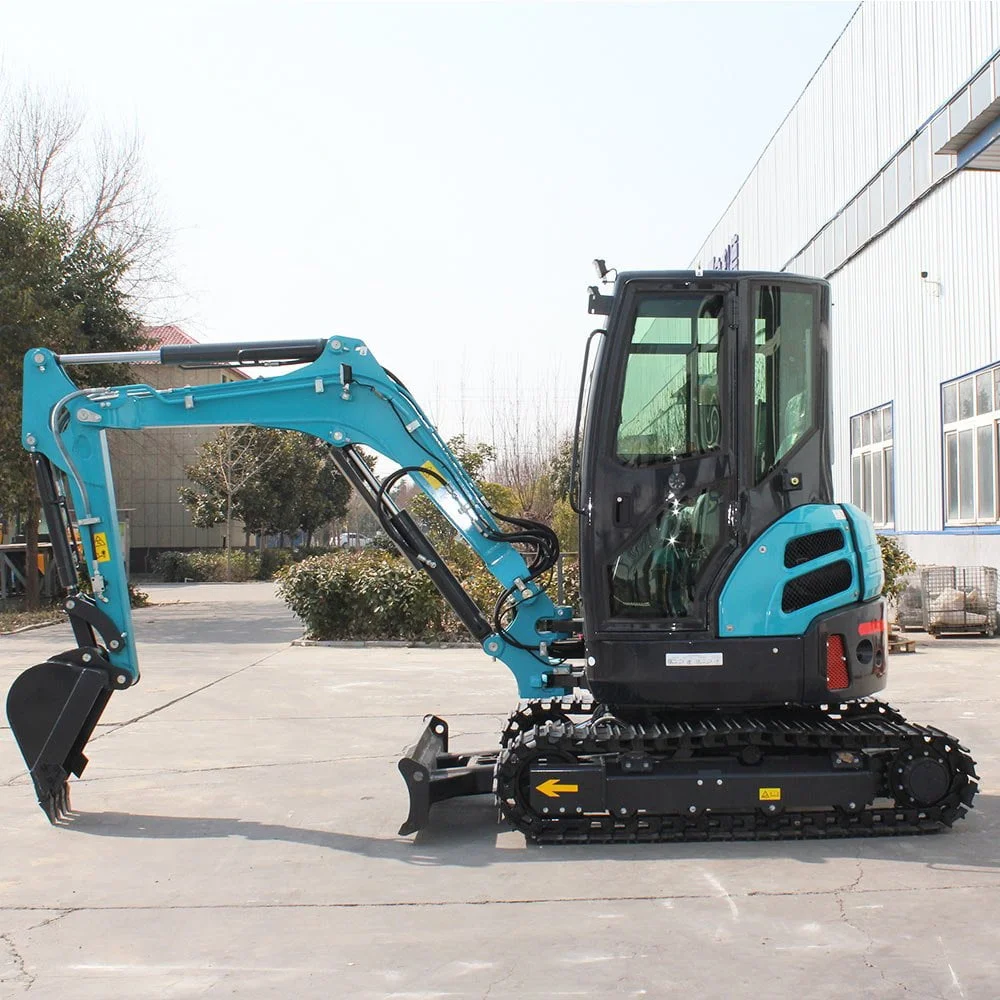
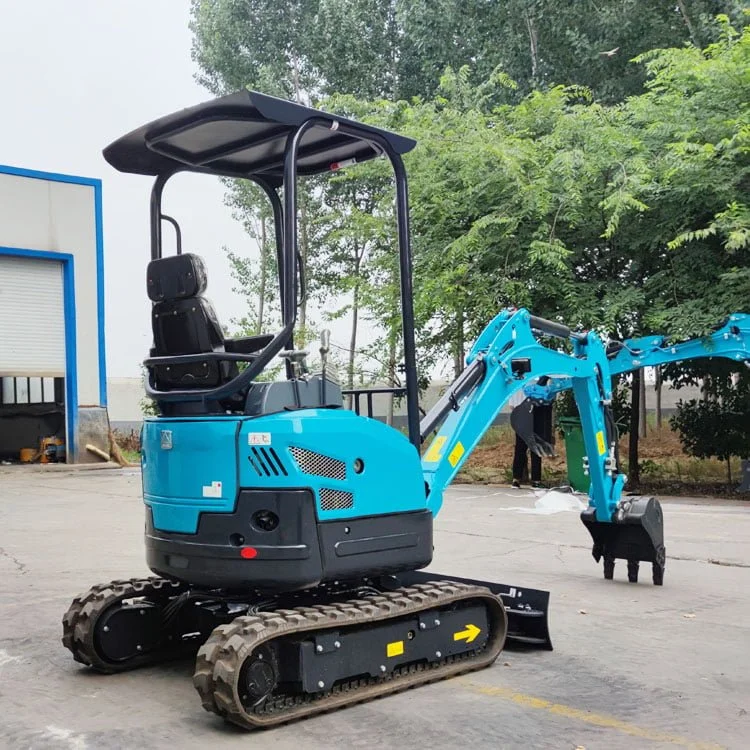
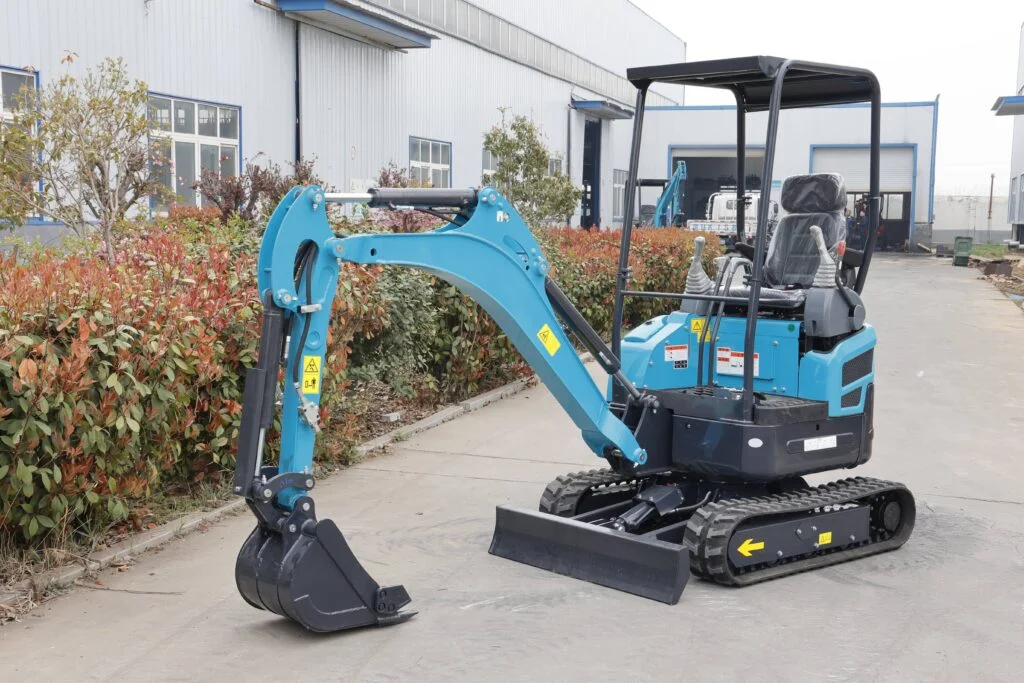
A crawler excavator, also known as a tracked excavator, is a heavy-duty machine equipped with continuous tracks instead of wheels. These tracks distribute the weight of the excavator more evenly, allowing it to operate efficiently on soft, muddy, or uneven ground.
Key Features of a Crawler Excavator
- Tracks for Stability: Provides excellent traction on rough terrain, slopes, and loose soil.
- Powerful Digging Force: Designed for heavy-duty excavation and mining applications.
- Better Weight Distribution: Reduces ground pressure, preventing the machine from sinking into soft soil.
- Heavy Build: Offers stability for lifting and digging but is slower in movement compared to wheeled excavators.
Advantages of a Crawler Excavator
- Suitable for challenging terrain, such as forests, hills, and wetlands.
- Provides a stable base for digging deep trenches and heavy lifting.
- More durable under harsh working conditions.
- Can handle heavier loads compared to wheeled excavators.
Disadvantages of a Crawler Excavator
- Slower movement speed compared to wheeled excavators.
- Requires more fuel due to increased resistance from the tracks.
- Can cause damage to paved roads due to the weight and track design.
- More challenging to transport between job sites without specialized trailers.
What is a Wheeled Excavator?
A wheeled excavator is a versatile construction machine that operates on four or more rubber tires instead of tracks. It offers greater speed and mobility, making it an excellent choice for projects in urban areas and road construction.
Key Features of a Wheeled Excavator
- Rubber Tires for Mobility: Moves quickly on paved roads without causing damage.
- Compact and Maneuverable: Ideal for working in tight urban spaces.
- Hydraulic Stabilizers: Helps maintain stability when digging or lifting heavy materials.
- Faster Travel Speed: Can relocate between job sites without needing transport trucks.
Advantages of a Wheeled Excavator
- Excellent mobility, reducing the need for additional transport.
- Less ground damage compared to crawler excavators.
- Suitable for multiple terrains, including asphalt, gravel, and compacted soil.
- More fuel-efficient in certain applications due to lower rolling resistance.
Disadvantages of a Wheeled Excavator
- Less stability on rough and uneven terrain.
- Lower traction compared to crawler excavators.
- Not ideal for heavy-duty excavation in muddy or soft ground conditions.
- May require stabilizers to maintain balance when lifting heavy loads.
Comparison Table: Crawler Excavator vs. Wheeled Excavator
The following table summarizes the key differences between crawler excavators and wheeled excavators based on various performance factors.
| Feature | Crawler Excavator | Wheeled Excavator |
|---|---|---|
| Mobility | Slow, requires transport for relocation | Fast, can travel on roads independently |
| Stability | High, due to tracks and weight distribution | Lower, requires stabilizers for balance |
| Terrain Suitability | Rough, uneven, muddy, and hilly surfaces | Hard, paved, compacted, and urban areas |
| Digging Power | Higher due to strong foundation and stability | Lower, but still capable of moderate excavation |
| Fuel Efficiency | Higher fuel consumption due to track resistance | More fuel-efficient on hard surfaces |
| Maintenance Needs | Track maintenance required, especially in rough terrain | Tires need regular replacement due to wear |
| Ground Impact | Can damage paved surfaces due to heavy tracks | Minimal damage, suitable for urban projects |
| Transport Requirements | Requires trailers or low-bed trucks for transport | Can move between job sites independently |
| Best Use Cases | Heavy-duty excavation, mining, forestry, slope work | Urban construction, roadwork, drainage projects |
Factors to Consider When Choosing Between a Crawler Excavator and a Wheeled Excavator
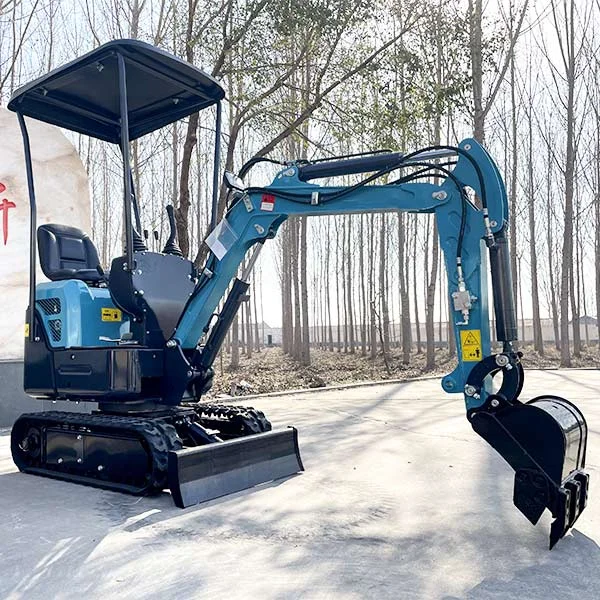
When deciding between a crawler excavator and a wheeled excavator, several factors should be considered to ensure optimal efficiency and cost-effectiveness.
Type of Project and Terrain
- If the project involves soft soil, slopes, or uneven ground, a crawler excavator is the better choice.
- If working in urban areas with paved roads, a wheeled excavator is more suitable.
Mobility Requirements
- A wheeled excavator offers better mobility and can travel between sites without additional transport.
- A crawler excavator requires special transportation but is more stable on challenging terrain.
Digging Depth and Stability
- Crawler excavators provide better stability for deep excavation work.
- Wheeled excavators may require stabilizers when working on soft or uneven surfaces.
Maintenance and Operating Costs
- Crawler excavators have higher maintenance costs due to track wear.
- Wheeled excavators require frequent tire replacements but are generally easier to maintain.
Fuel Consumption
- Wheeled excavators are more fuel-efficient on hard surfaces.
- Crawler excavators consume more fuel due to higher rolling resistance.
Conclusion
Both crawler excavators and wheeled excavators have distinct advantages and disadvantages, making them suitable for different applications. Crawler excavators are preferred for heavy-duty tasks on rough terrains, while wheeled excavators offer greater mobility for urban construction projects.
Choosing the right excavator depends on factors such as terrain, project requirements, transportation needs, and operational costs. By understanding the differences between these two machines, construction professionals can make informed decisions that enhance efficiency and productivity on the job site.
FAQ
What is the main difference between a crawler excavator and a wheeled excavator?
A crawler excavator moves on tracks, making it more stable on rough terrain, while a wheeled excavator moves on tires, offering better mobility on paved surfaces.
Which type of excavator is better for urban construction?
A wheeled excavator is better suited for urban construction because it can move easily on roads and does not damage paved surfaces.
Do wheeled excavators require stabilizers?
Yes, wheeled excavators often use hydraulic stabilizers to maintain balance when digging or lifting heavy materials.
Can a wheeled excavator work in muddy conditions?
Wheeled excavators can work in mildly muddy conditions but lack the traction and stability of crawler excavators in extreme environments.
Which excavator has lower operating costs?
Wheeled excavators typically have lower operating costs due to reduced fuel consumption and easier maintenance compared to crawler excavators.