Welcome to Shandong Qilu Industrial Co., Ltd

 English
 Arabic
 Bulgarian
 Bengali
 Czech
Czech
 Danish
 German
 Greek
Greek
 Spanish
 Finnish
 French
 Hindi
Hindi
 Croatian
 Hungarian
 Indonesian
 Italian
 Japanese
 Korean
 Lithuanian
 Dutch
Dutch
 Norwegian
 Polish
 Portuguese
 Romanian
 Russian
 Slovak
 Slovenian
 Swedish
 Thai
Thai
 Turkish
 Ukrainian
 Vietnamese
 Tagalog
 Malay
Malay
 Estonian
 Catalan
 Latvian
 Urdu
Urdu
 Serbian
 Persian
 Swahili
 Albanian
 Armenian
 Icelandic
 Bosnian
 Luxembourgish
 Afrikaans
English Arabic
Bulgarian
Bengali
Czech
Danish
German
Greek
Spanish
Finnish
French
Hindi
Croatian
Hungarian
Indonesian
Italian
Japanese
Korean
Lithuanian
Dutch
Norwegian
Polish
Portuguese
Romanian
Russian
Slovak
Slovenian
Swedish
Thai
Turkish
Ukrainian
Vietnamese
Tagalog
Malay
Estonian
Catalan
Latvian
Urdu
Serbian
Persian
Swahili
Albanian
Armenian
Icelandic
Bosnian
Luxembourgish
Afrikaans
Afrikaans
English Arabic
Bulgarian
Bengali
Czech
Danish
German
Greek
Spanish
Finnish
French
Hindi
Croatian
Hungarian
Indonesian
Italian
Japanese
Korean
Lithuanian
Dutch
Norwegian
Polish
Portuguese
Romanian
Russian
Slovak
Slovenian
Swedish
Thai
Turkish
Ukrainian
Vietnamese
Tagalog
Malay
Estonian
Catalan
Latvian
Urdu
Serbian
Persian
Swahili
Albanian
Armenian
Icelandic
Bosnian
Luxembourgish
Afrikaans

How to Choose the Best Mini Excavator Model for Your Needs
Selecting the right Mini Excavator for your project shapes your productivity and boosts your return on investment. You need to match the machine’s capabilities to your specific tasks, jobsite conditions, and financial plan. Consider these factors:
- Choosing an excavator tailored to your application prevents overspending and maximizes jobsite efficiency.
- Advanced features like telematics and fleet management software help you track fuel usage and predict maintenance needs, lowering costs.
- QILU Machinery offers a broad range of models and attachments, ensuring you find a solution that fits your requirements.
Key Takeaways
- Identify your project needs before selecting a Mini Excavator. Understand the tasks you will perform and the conditions of your job site.
- Choose a model that fits your budget. Consider both purchase and rental options based on how often you will use the machine.
- Evaluate the size and weight of the Mini Excavator. Compact models work well in tight spaces, while heavier machines provide stability on uneven terrain.
- Look for advanced features like hydraulic systems and operator comfort enhancements. These can improve efficiency and reduce fatigue during long work hours.
- Consider the attachments available for your Mini Excavator. Customizing with the right tools can expand your capabilities and increase productivity.
- Research leading brands and their reputations. Brands like QILU, Caterpillar, and Kubota offer different strengths that may suit your needs.
- Regular maintenance is crucial for longevity. Follow a routine schedule to keep your Mini Excavator in top condition and reduce downtime.
- Assess resale value when choosing a model. Well-maintained machines with good features retain value better, making them a smarter investment.
Project Needs
Choosing the right Mini Excavator starts with a clear understanding of your project requirements. You need to identify your main tasks, evaluate job site challenges, and consider your financial strategy. QILU Machinery offers a versatile range of models from 0.8 to 8 tons, allowing you to select the ideal machine for your specific needs.
Applications
Landscaping
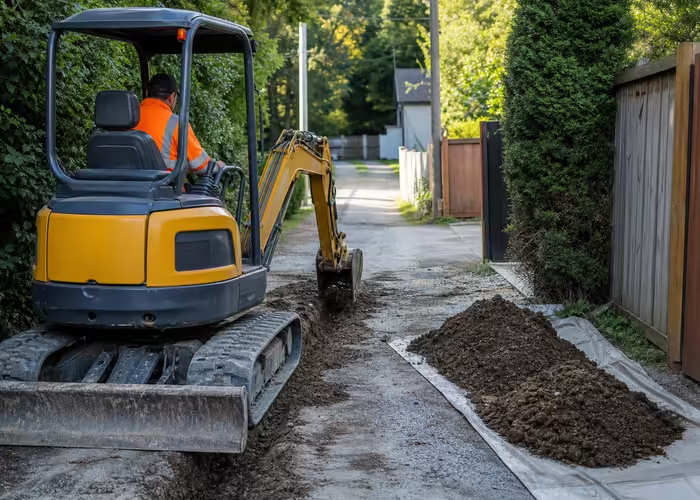
You often face tight spaces and delicate surfaces in landscaping projects. A Mini Excavator helps you dig trenches for irrigation, plant trees, and shape terrain with precision. For example, you might need to install a drainage system in a residential backyard. The compact design and advanced hydraulics of QILU models allow you to maneuver easily and complete tasks efficiently.
Tip: Use attachments like cleaning buckets or thumb clips to expand your capabilities for hardscaping and grading.
Construction
Construction sites demand versatility and power. You may need to dig foundations, backfill trenches, or perform interior demolition in confined areas. QILU’s tailless Mini Excavator models excel in urban environments where space is limited. Imagine working on a municipal sidewalk upgrade; the machine’s reinforced boom and sensitive controls enable you to operate safely near existing structures.
Note: The dozer blade feature speeds up surface grading and site preparation.
Agriculture
Agricultural tasks require robust equipment for digging, trenching, and material handling. You might need to install irrigation lines or clear land for planting. QILU’s larger Mini Excavator models provide the force and stability needed for heavy-duty farm work. Attachments like log grapples and augers make it easy to adapt the machine for multiple tasks, increasing your productivity throughout the season.
Site Conditions
Space Constraints
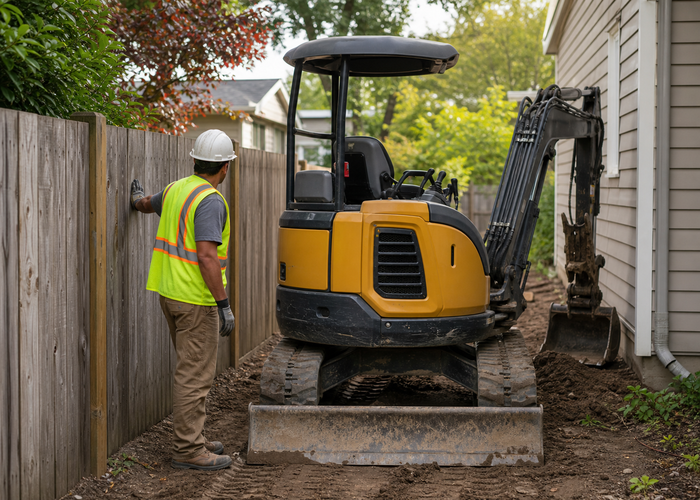
Evaluate the available working area before selecting a Mini Excavator. Narrow passages, fences, and buildings can restrict movement. QILU’s tailless design allows you to operate efficiently in confined spaces, reducing the risk of accidental damage and improving safety.
Terrain
Assess the ground conditions at your job site. Soft soil, uneven surfaces, or slopes require a stable and powerful machine. QILU’s reinforced construction and advanced hydraulics ensure reliable performance on challenging terrain, helping you maintain productivity regardless of site complexity.
Budget
Purchase vs. Rental
Decide whether to purchase or rent based on your project duration and frequency. Renting a Mini Excavator offers flexibility for short-term needs. Here is a quick overview of typical rental costs:
| Rental Duration | Cost Range |
|---|---|
| Daily | $300 to $650 |
| Weekly | $800 to $1,500 |
| Monthly | $2,000 to $3,000 |
If you plan to use the machine regularly, purchasing may provide better long-term value.
Ownership Costs
Consider the total cost of ownership, including purchase price, operational expenses, maintenance, and resale value. Reputable manufacturers often offer better after-sales support and warranties, which can enhance your investment. Evaluate these factors over the expected lifespan of the Mini Excavator to ensure you make a sound financial decision.
Pro Tip: Focus on lifecycle value rather than just initial cost. QILU’s dedicated sales team can help you assess the best model for your budget and application.
Mini Excavator Features
Digging Depth
Maximum Depth
When you select a Mini Excavator, digging depth stands out as a critical specification. You need to match the machine’s capabilities to your project’s requirements. For landscaping and residential construction, most models offer a digging depth between 8 and 10 feet. Larger commercial projects often demand a range from 10 to 13 feet.
- Typical digging depths for Mini Excavators:
- Residential construction: 8–10 feet
- Commercial projects: 10–13 feet
If you plan to install utility lines in a suburban neighborhood, a model with a 9-foot digging depth will handle most tasks efficiently. For deeper foundation work, you should consider a model with extended reach.
Boom/Stick Options
Boom and stick configurations influence both reach and versatility. You can choose standard or long-reach options depending on your site’s needs. A reinforced boom, like those found on QILU models, provides extra stability when you dig at maximum depth. If you work in areas with overhead obstacles, a compact boom design helps you maneuver safely. For example, when landscaping near mature trees, a shorter stick allows precise digging without damaging roots.
Size & Weight
Transportability
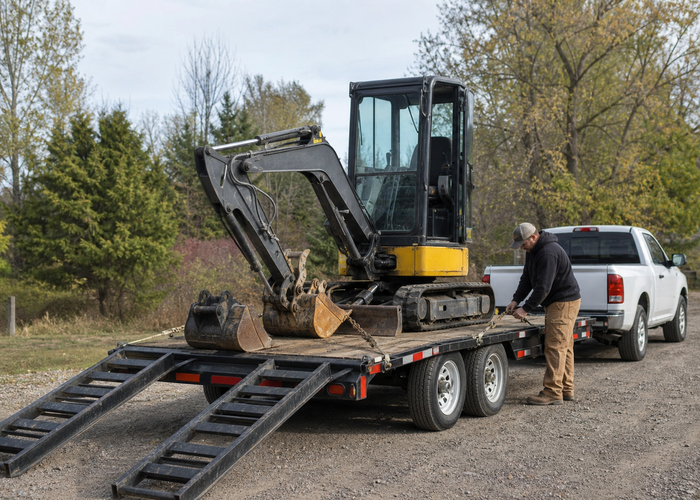
The weight of a Mini Excavator directly affects how you move it between job sites. Lighter models travel easily on standard trailers, saving you time and reducing transport costs. Heavier machines require specialized equipment, which can increase logistics expenses. You should always check local regulations for weight limits on public roads.
Site Access
Size and weight also determine how well you access confined spaces. Compact models fit through narrow gates and operate efficiently in urban environments. Heavier machines offer greater stability, which is essential for uneven terrain. If you need to work inside a fenced backyard, a lightweight, tailless Mini Excavator will help you avoid property damage and complete the job quickly.
Power & Hydraulics
Engine Output
Engine output defines the machine’s ability to handle tough materials and attachments. Higher horsepower means better performance in demanding conditions. You should compare engine ratings to ensure you select a model that matches your workload.
Hydraulic System
A responsive hydraulic system ensures smooth operation and precise control. Advanced hydraulics, such as those found in QILU models, use imported hydraulic oil pipes for sensitive movement and reliable force.
Here is a comparison of engine output and hydraulic performance for typical Mini Excavator models:
| Model | Engine Output (HP) | Maximum Digging Force (lbf) | Maximum Digging Depth (inches) | Price |
|---|---|---|---|---|
| AHM AX-12B | 13.5 | 2,585 | 69 | $5,899.99 |
| AHM NW-A1 | 13.5 | 2,585 | 69 | $7,399.99 |
If you regularly use hydraulic attachments, prioritize models with advanced systems for optimal efficiency.
For more details on Mini Excavator specifications and best practices, visit Equipment World.
You can also connect with industry professionals on LinkedIn to discuss real-world applications and share experiences.
Attachments
Attachments transform your Mini Excavator into a multi-purpose tool, allowing you to tackle a wide range of tasks with efficiency. You can select from several options to match your project requirements and maximize productivity.
Buckets
Buckets remain the most popular attachment for excavation and material handling. You can choose from different types, such as trenching buckets for precise digging or cleaning buckets for finishing work. These attachments help you excavate soil, move gravel, and load debris quickly. If you work on landscaping or utility installation, switching between bucket sizes lets you adapt to changing job demands.
Grapples
Grapples offer superior control when handling loose or bulky materials. You can use them to grab logs, rocks, or demolition debris. Grapple buckets are especially useful for site clearing, forestry, and recycling projects. Their design allows you to collect and move heavy objects with minimal effort, reducing manual labor and increasing safety.
Augers
Augers make drilling deep holes in various terrains straightforward. You can use them for fence post installation, tree planting, or foundation work. Auger attachments provide consistent results, even in challenging soil conditions. If your project involves repetitive drilling, this tool saves time and ensures uniform hole depth.
Tip: QILU Machinery offers a wide selection of attachments, including thumb clips, log grapples, and augers. Customizing your Mini Excavator with the right tools increases versatility and efficiency on every job site.
Comfort & Controls
Operator comfort and intuitive controls play a crucial role in maintaining productivity and safety. You should look for features that reduce fatigue and enhance your working environment.
Cab Design
Modern Mini Excavators feature ergonomic cab layouts that support long hours of operation. You benefit from adjustable wrist rests, molded footrests, and suspension seats, which minimize strain and absorb vibrations. Cab rotation improves visibility, allowing you to monitor your surroundings and work with confidence. Rollover protection structures add an extra layer of safety, especially in demanding conditions.
| Feature | Benefit |
|---|---|
| Adjustable wrist rests | Reduces arm fatigue |
| Suspension seats | Absorbs bumps and vibrations |
| Cab rotation | Enhances visibility and safety |
| Rollover protection | Increases operator safety |
| Air conditioning | Maintains comfort in hot weather |
| Interior lights | Improves visibility in low-light conditions |
Noise Reduction
Noise reduction technology helps create a quieter workspace. You experience less fatigue and can focus better on precision tasks. QILU’s sound insulation minimizes engine noise, making the cab environment more pleasant. Additional features, such as Bluetooth and radio systems, provide entertainment and communication options, further improving your overall experience.
Note: Hydraulic pilot controls deliver immediate response and precision, which is essential for work near structures or in confined spaces. Pedal controls allow for simultaneous movements, boosting efficiency and reducing operator fatigue.
Choosing a Mini Excavator with advanced attachments and comfort features ensures you stay productive and safe throughout your project.
Mini Excavator Model Comparison
Leading Brands
When you evaluate Mini Excavator options, you encounter several leading brands recognized for their strong sales and customer satisfaction. QILU Machinery stands out for its innovative design and adaptability across landscaping, construction, and agriculture. Caterpillar, Kubota, and Bobcat also maintain a solid reputation in the market, each offering unique strengths in reliability and operator comfort. These brands have earned trust through consistent performance and a commitment to quality, making them top choices for contractors and operators worldwide.
QILU Machinery
QILU Machinery delivers a versatile lineup, ranging from compact 0.8-ton models to robust 8-ton machines. You benefit from features like a tailless structure for tight spaces, advanced hydraulic systems, and customizable attachments. The reinforced boom and stick provide stability and durability, while sound insulation enhances operator comfort. QILU’s dedicated sales support ensures you receive guidance tailored to your project needs.
Discover how our Mini Excavators can enhance your productivity by visiting {QILU Machinery’s catalog}.
Caterpillar
Caterpillar models excel in heavy-duty applications. You find unmatched strength and power, especially for large-scale construction and mining. Their machines are known for advanced technology integration and a global support network, which appeals to operators handling demanding tasks.
Kubota
Kubota offers fuel-efficient Mini Excavators with solid frames, making them ideal for smaller tasks and tight job sites. You appreciate their cost-effectiveness and reliability, especially when working in urban environments or on landscaping projects.
Bobcat
Bobcat machines are popular for their maneuverability and ease of use. You benefit from compact designs and intuitive controls, which help you work efficiently in confined spaces. Their reputation for reliability and operator comfort makes them a frequent choice for rental fleets and small contractors.
Performance
Reliability
You need a Mini Excavator that performs consistently, even under tough conditions. QILU models feature robust construction and advanced hydraulics, ensuring smooth operation and minimal downtime. Kubota stands out for fuel efficiency and cost-effectiveness, while Caterpillar is known for strength in large-scale projects. Bobcat offers dependable performance in compact environments.
Durability
Durability determines how well your machine withstands daily wear and tear. QILU’s reinforced boom and stick deliver superior force-bearing capacity, supporting long-term use. Kubota’s solid frames and Caterpillar’s heavy-duty builds also contribute to extended machine life. You reduce maintenance costs and maximize uptime by choosing a model with proven durability.
Tip: Regular maintenance and proper operation extend the lifespan of any Mini Excavator, regardless of brand.
Value
Pricing
You encounter a wide range of prices when shopping for Mini Excavators. Standard models typically range from $30,000 to $50,000. Upgraded models, which include advanced features or attachments, can add $5,000 to $10,000 to the base price. New machines may cost up to $110,000, while used options start around $10,000. Premium brands often command higher prices, reflecting their reputation and technology.
| Model Type | Price Range |
|---|---|
| Standard Models | $30,000 – $50,000 |
| Upgraded Models | +$5,000 – $10,000 |
| New Mini Excavators | $30,000 – $110,000 |
| Used Mini Excavators | $10,000 – $75,000 |
Standard vs. Upgrades
When you compare standard models to upgraded versions, you notice several differences:
- Upgrades such as advanced hydraulic systems and operator comfort features increase costs.
- Attachments like compactors or augers can add $5,000 to $10,000.
- Technology integrations, including telematics or climate control, may add $15,000 to $30,000.
- Enhanced cab features, such as air conditioning or improved visibility, can add $3,000 to $8,000.
You should assess which upgrades align with your project needs and budget. Investing in the right features improves productivity and operator satisfaction.
For more insights on Mini Excavator performance and value, explore resources like Equipment World or connect with industry professionals on LinkedIn.
Comparison Table
Key Specs
When you compare Mini Excavator models, you should focus on the specifications that impact performance and suitability for your job site. The following specs help you make an informed decision:
- Maximum digging depth: Determines how deep you can excavate for foundations, trenches, or landscaping.
- Maximum digging reach: Influences how far you can extend the boom for material handling or site clearing.
- Weight: Affects transportability and stability, especially on uneven terrain.
- Hydraulic systems: Dictate the smoothness and power of operation, especially when using attachments.
- Operator comfort: Impacts productivity and safety during long work hours.
You can use these criteria to compare models side by side and identify which machine best fits your project requirements.
Pros & Cons
Evaluating the strengths and weaknesses of each Mini Excavator model helps you select the right equipment for your needs. The table below summarizes the main advantages and limitations of popular models:
| Model | Pros | Cons |
|---|---|---|
| Komatsu PC30MR-5 | Good fuel mileage and value | Less lifting capability |
| Kubota KX040-4 | Strong hydraulics, versatile attachments | Higher price point |
| Bobcat E165 | Good for heavy lifting and material movement | Higher initial cost |
| Caterpillar 302.7 CR | Maneuverable, better fuel mileage | Limited lifting capacity |
| Hitachi ZX26U-5 | Stable and easy to transport | May not be as powerful as others |
Tip: If you prioritize hydraulic strength and attachment versatility, Kubota KX040-4 stands out. For maneuverability and fuel efficiency, Caterpillar 302.7 CR offers a reliable choice. Bobcat E165 excels in heavy lifting, while Hitachi ZX26U-5 provides stability in tight spaces.
You should weigh these pros and cons against your specific project needs. Consider how each model’s strengths align with your daily tasks and job site conditions. This approach ensures you select a Mini Excavator that delivers optimal performance and value.
Ownership Factors
Maintenance
Service Intervals
You must keep your Mini Excavator in top condition to maximize uptime and extend its lifespan. Routine maintenance follows a clear schedule.
- Daily checks include inspecting for leaks, checking belts and hoses, and verifying fluid levels such as engine oil, hydraulic fluid, and coolant.
- Weekly checks involve cleaning air filters, lubricating grease fittings, and examining battery terminals and attachments.
- Monthly checks require changing engine oil, hydraulic filters, and fuel filters, along with inspecting systems for leaks or pressure issues.
Manufacturers recommend following the operator’s manual for service intervals based on hours of operation. After periods of inactivity, thorough inspections help ensure optimal performance. Some brands offer extended intervals, such as 1,000-hour engine oil changes, which can reduce maintenance time and costs.
Common Costs
Owning a Mini Excavator involves several recurring expenses. The table below outlines typical maintenance costs:
| Maintenance Cost Type | Description | Estimated Cost Range |
|---|---|---|
| Fuel Costs | Diesel consumption of 1.5 to 3 gallons per hour. | $12,000 to $24,000 annually |
| Regular Maintenance | Oil changes, filter replacements, greasing. | $200 for basic service; $1,000+ for major service |
| Repairs | Wear and tear on tracks, hydraulic cylinders, and other components. | 2% to 5% of the machine’s original value annually |
| Insurance and Storage | Protection and secure storage for your equipment. | Varies based on coverage and location |
You should budget for these costs to avoid unexpected expenses and maintain steady operations.
Parts & Support
Dealer Network
Access to a reliable dealer network ensures you receive prompt service and technical support. You benefit from dedicated sales teams that understand your needs and provide tailored solutions. Strong dealer relationships help you minimize downtime and keep your projects on schedule.
Parts Availability
Parts availability plays a critical role in your ownership experience. Customers often prioritize the cost and accessibility of replacement parts when choosing equipment. Machines with high parts compatibility reduce maintenance time and costs. Reliable service providers and accessible quality parts enhance productivity and business continuity. If you own older models, you may face higher repair costs due to limited parts availability.
Warranty
Coverage
Warranty coverage protects your investment and provides peace of mind. Manufacturers typically offer several levels of coverage:
| Coverage Type | Description |
|---|---|
| Powertrain | Covers major mechanical components related to the engine and powertrain. |
| Powertrain+ | Includes Powertrain coverage plus major hydraulic components. |
| Ultimate | Extends to emissions components, starter, alternator, air conditioning compressors, and more. |
| Terms | Options to extend coverage up to 3 years for new machines or add 1-3 years for used equipment. |
| Deductibles | Choices include $0, $500, and $1,000 to fit different operational needs. |
| Common Failures | Coverage includes engine, transmission, and hydraulic system failures. |
You should review warranty terms carefully to ensure they match your operational requirements.
Service Agreements
Service agreements differ among manufacturers. These contracts specify which parts are covered for routine service and repairs, outline maintenance schedules, and detail the level of customer support. Some dealers offer 24/7 support, while others guarantee response times based on your location. Reviewing these agreements helps you select the best support for your business.
Tip: Partnering with a manufacturer that offers robust construction and dedicated sales support, like QILU Machinery, can enhance your long-term ownership experience and deliver lasting value.
Resale Value
Depreciation
You want your investment in a Mini Excavator to deliver strong returns, even when you decide to sell or upgrade. Depreciation measures how much value your equipment loses over time. Several factors influence how quickly your machine depreciates. If you keep your excavator in excellent condition, you can slow the rate of depreciation and maximize resale value.
Consider these key factors that affect resale value:
- Age and Condition: Well-maintained older machines often retain more value than newer units with poor upkeep.
- Brand and Model Reliability: Models known for durability and efficiency tend to hold their value longer.
- History of Maintenance: A documented maintenance record reassures buyers about the machine’s condition.
- Operation Hours: Fewer hours on the meter usually mean less wear, which increases resale potential.
- Available Markets: Local supply and demand can shift resale prices, so timing and location matter.
- Technological Features: Modern features, such as advanced hydraulics or comfort upgrades, make your machine more attractive to buyers.
You should keep detailed service records and schedule regular maintenance. Clean your equipment after each use and store it properly to prevent unnecessary wear. If you invest in upgrades or attachments, document these improvements. Buyers often pay a premium for machines with proven reliability and enhanced features.
Tip: You can boost resale value by following the manufacturer’s recommended service intervals and using genuine replacement parts.
Popular Models
Certain models stand out for their ability to retain value over time. Industry data shows that excavators with robust construction and advanced features maintain higher resale prices. According to EquipmentWatch’s annual analysis, some models receive recognition for strong value retention over a five-year period. Machines with reinforced booms, efficient hydraulic systems, and comfort-focused cabs attract more buyers in the used equipment market.
When you select a Mini Excavator, prioritize models with a reputation for reliability and low operating hours. Look for options that offer customizable attachments and modern technology. These features not only improve your daily productivity but also make your equipment more desirable when you decide to sell.
If you plan to upgrade or expand your fleet, consider the long-term value of your current machine. A well-maintained excavator with documented service history and minimal wear will command a higher price. You protect your investment by choosing equipment designed for durability and supported by a dedicated sales team.
Note: QILU Machinery’s robust construction and advanced features help you achieve strong resale value, ensuring your equipment remains a valuable asset throughout its lifecycle.
Decision Checklist
Choosing the right Mini Excavator involves a structured approach. You can follow these steps to ensure you make an informed and confident decision.
Selection Steps
Needs Assessment
Start by auditing your actual needs. Review recent and upcoming projects. List the main tasks you expect to perform. Calculate the size and type of machine that will handle most of your work. Consider future growth and how your equipment needs might change.
Keith Kramlich, a national product and training manager, emphasizes the importance of matching the machine’s capabilities to your job requirements.
Feature Prioritization
Rank the features that matter most for your operations. Focus on digging depth, reach, attachment compatibility, and operator comfort. Decide which features are essential and which are nice to have. This step helps you narrow down your options quickly.
Model Shortlist
Create a shortlist of models that meet your requirements. Compare specifications, performance, and available attachments. Check which models fit your job site conditions and transport needs. Use a table or checklist to organize your findings.
Demo/Test
Test before you invest. Arrange demos for your top choices. Operate each machine on similar terrain to your job sites. Involve your operators in the process. Their feedback on controls, comfort, and performance will help you make the best choice.
Budget Review
Calculate the true total cost of ownership. Include purchase price, financing, maintenance, transport, and resale value. Review your budget and financing options. Consider leasing if you need flexibility or buying for long-term value.
Purchase Tips
Dealer Questions
When you speak with dealers, ask about:
- Financing packages and payment plans
- Warranty coverage and service agreements
- Parts availability and support response times
- Return on investment and resale value
You should also inquire about the cost differences between new and used machines, as well as depreciation rates.
Contract Review
Before finalizing your purchase, review the contract carefully. Confirm all terms, including warranty details, service intervals, and included attachments. Make sure you understand the responsibilities for maintenance and repairs.
Tip: Consulting with sales teams, such as QILU’s, gives you valuable insights, personalized solutions, and expert advice tailored to your project needs.
| Benefit of Consulting Sales Teams | Description |
|---|---|
| Valuable Insights | Sales teams provide details on features, specs, and applications. |
| Personalized Solutions | You receive recommendations based on your unique requirements. |
| Expert Advice | Get guidance to make informed decisions and maximize value. |
By following this checklist, you can select the right Mini Excavator for your business and achieve long-term success.
Choosing the right Mini Excavator means you match features and model to your unique project needs. Review lifting capacity, breakout force, control systems, and attachment versatility. Use the checklist to compare options and ensure operator comfort and safety. A quick-attach system lets you switch tools fast, boosting efficiency. Explore QILU’s catalog or request a quote to find the best solution for your next job.
FAQ
What size Mini Excavator should you choose for residential landscaping?
You should select a compact model between 0.8 and 2 tons. This size fits tight spaces and handles tasks like trenching, grading, and planting efficiently.
How do you transport a Mini Excavator safely?
You must use a trailer rated for the machine’s weight. Secure the excavator with chains and straps. Check local regulations for transport requirements before moving equipment.
Which attachments increase versatility for different projects?
You can add buckets, grapples, and augers. These attachments allow you to dig, lift, and drill. Customizing your Mini Excavator helps you tackle multiple tasks with one machine.
How often should you perform maintenance checks?
You should inspect fluid levels, hoses, and tracks daily. Schedule oil changes and filter replacements monthly. Follow the manufacturer’s maintenance guide for best results.
What features improve operator comfort during long shifts?
You benefit from ergonomic cab design, suspension seats, and sound insulation. These features reduce fatigue and create a safer, more comfortable working environment.
Can you use a Mini Excavator on uneven or soft terrain?
You can operate on challenging terrain with reinforced construction and advanced hydraulics. Choose a model with stable tracks and strong force-bearing capacity for best performance.
How do you maximize resale value for your Mini Excavator?
You should keep detailed maintenance records, use genuine parts, and store the machine properly. Regular cleaning and timely repairs help maintain condition and value.
Is it better to rent or buy a Mini Excavator for short-term projects?
You should rent for short-term or occasional use. Renting reduces upfront costs and eliminates long-term maintenance responsibilities. Buying suits frequent or ongoing projects.