Welcome to Shandong Qilu Industrial Co., Ltd

 English
 Arabic
 Bulgarian
 Bengali
 Czech
Czech
 Danish
 German
 Greek
Greek
 Spanish
 Finnish
 French
 Hindi
Hindi
 Croatian
 Hungarian
 Indonesian
 Italian
 Japanese
 Korean
 Lithuanian
 Dutch
Dutch
 Norwegian
 Polish
 Portuguese
 Romanian
 Russian
 Slovak
 Slovenian
 Swedish
 Thai
Thai
 Turkish
 Ukrainian
 Vietnamese
 Tagalog
 Malay
Malay
 Estonian
 Catalan
 Latvian
 Urdu
Urdu
 Serbian
 Persian
 Swahili
 Albanian
 Armenian
 Icelandic
 Bosnian
 Luxembourgish
 Afrikaans
English Arabic
Bulgarian
Bengali
Czech
Danish
German
Greek
Spanish
Finnish
French
Hindi
Croatian
Hungarian
Indonesian
Italian
Japanese
Korean
Lithuanian
Dutch
Norwegian
Polish
Portuguese
Romanian
Russian
Slovak
Slovenian
Swedish
Thai
Turkish
Ukrainian
Vietnamese
Tagalog
Malay
Estonian
Catalan
Latvian
Urdu
Serbian
Persian
Swahili
Albanian
Armenian
Icelandic
Bosnian
Luxembourgish
Afrikaans
Afrikaans
English Arabic
Bulgarian
Bengali
Czech
Danish
German
Greek
Spanish
Finnish
French
Hindi
Croatian
Hungarian
Indonesian
Italian
Japanese
Korean
Lithuanian
Dutch
Norwegian
Polish
Portuguese
Romanian
Russian
Slovak
Slovenian
Swedish
Thai
Turkish
Ukrainian
Vietnamese
Tagalog
Malay
Estonian
Catalan
Latvian
Urdu
Serbian
Persian
Swahili
Albanian
Armenian
Icelandic
Bosnian
Luxembourgish
Afrikaans
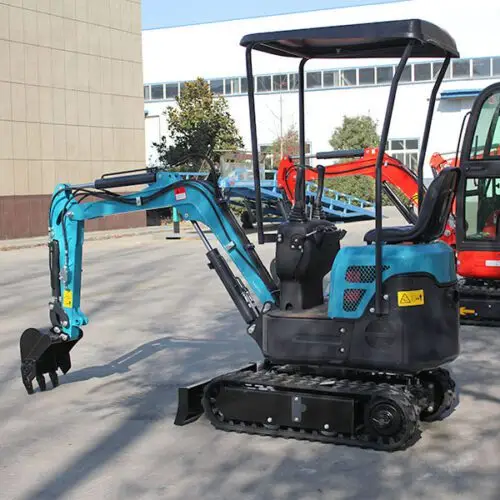
Micro Excavators: The Strongest Buying Guide in 2025
We will delve into the world of micro excavators in 2025, focusing on their features, advantages, and how to select the right one for your specific needs.
Welcome to My Blog!
Before we dive into the content, I’d love for you to join me on my social media platforms where I share more insights, engage with the community, and post updates. Here’s how you can connect with me:
YouTube:www.youtube.com/@tractormanufacturer-lc5qz,www.youtube.com/@excavatormanufacturers-sn9hk
TikTok: www.tiktok.com/@tractormanufacturer, www.tiktok.com/@excavatormanufacturers
Now, let’s get started on our journey together. I hope you find the content here insightful, engaging, and valuable.
Introduction

In the construction industry, efficiency, versatility, and space-saving solutions have become key priorities. As urban spaces and construction sites become increasingly cramped, micro excavators have risen to the occasion. These compact machines offer a perfect solution for handling small-scale excavation tasks, especially when working in narrow or confined areas. In 2025, micro excavators continue to dominate as essential machinery for various industries, from residential construction and landscaping to urban development.
Micro excavators are designed to provide powerful digging capabilities without taking up the space of larger machinery. Despite their smaller size, they still boast impressive hydraulic systems and strong digging force, making them ideal for those needing precision and efficiency in smaller spaces.
This comprehensive guide will delve into the world of micro excavators in 2025, focusing on their features, advantages, and how to select the right one for your specific needs.
What is a Micro Excavator?
A micro excavator is a small and lightweight piece of machinery designed for excavation tasks in confined spaces. Typically weighing between 800 kg and 2 tons, micro excavators can access areas where full-sized excavators cannot operate, such as tight alleyways, small backyards, and crowded construction sites. These compact machines are equipped with hydraulic systems that allow them to perform a variety of tasks, including digging, lifting, and trenching.
The main advantage of a micro excavator lies in its ability to combine the power of larger excavators with the compact design needed to navigate limited spaces. Whether you are working on a residential project, utility installation, or landscaping, micro excavators provide an excellent balance of maneuverability and digging power.
Micro excavators are versatile, offering various configurations and can be outfitted with multiple attachments like buckets, augers, or hydraulic breakers. These attachments allow operators to complete a wide range of tasks, from digging holes and trenches to demolition work and material handling.
Key Features
Micro excavators are built with features that prioritize compactness without sacrificing power. Here are some of the standout features to look for:
- Compact Size: Micro excavators are designed to be compact, allowing them to easily navigate through tight spaces and access areas with minimal maneuvering.
- Hydraulic System: A key feature of micro excavators is their hydraulic system, which provides excellent digging power, lifting capacity, and smooth operation. The hydraulic system is often one of the most significant factors when considering the performance of the machine.
- Attachments: One of the standout features of micro excavators is their adaptability. They can be equipped with a wide range of attachments such as digging buckets, hydraulic breakers, augers, and more, making them versatile for a range of tasks.
- Zero Tail Swing: Many micro excavators feature a zero tail swing design, which allows the machine to rotate 360 degrees without overhanging or affecting the space around it. This feature is especially useful in confined or urban environments where space is limited.
Advantages of Using a Micro Excavator
Micro excavators come with several advantages that make them highly sought after in the construction and landscaping industries. Some of the most notable benefits include:
- Space Efficiency: One of the most significant benefits of using a micro excavator is its ability to work in confined spaces. Its compact size allows it to operate in areas where larger equipment would be too bulky or unable to fit.
- Cost-Effective: Micro excavators are generally more affordable than their larger counterparts. In addition to the initial purchase cost, they are also more economical in terms of fuel consumption and maintenance.
- Portability: Due to their smaller size and lighter weight, micro excavators are much easier to transport. They can be loaded onto smaller trailers, making it simple to move them between different job sites.
- Low Maintenance: Micro excavators are designed with simplicity in mind, which often means fewer complex components to maintain. Routine servicing and maintenance are generally quicker and less costly compared to larger machines.
Choosing the Best Micro Excavator for Your Needs
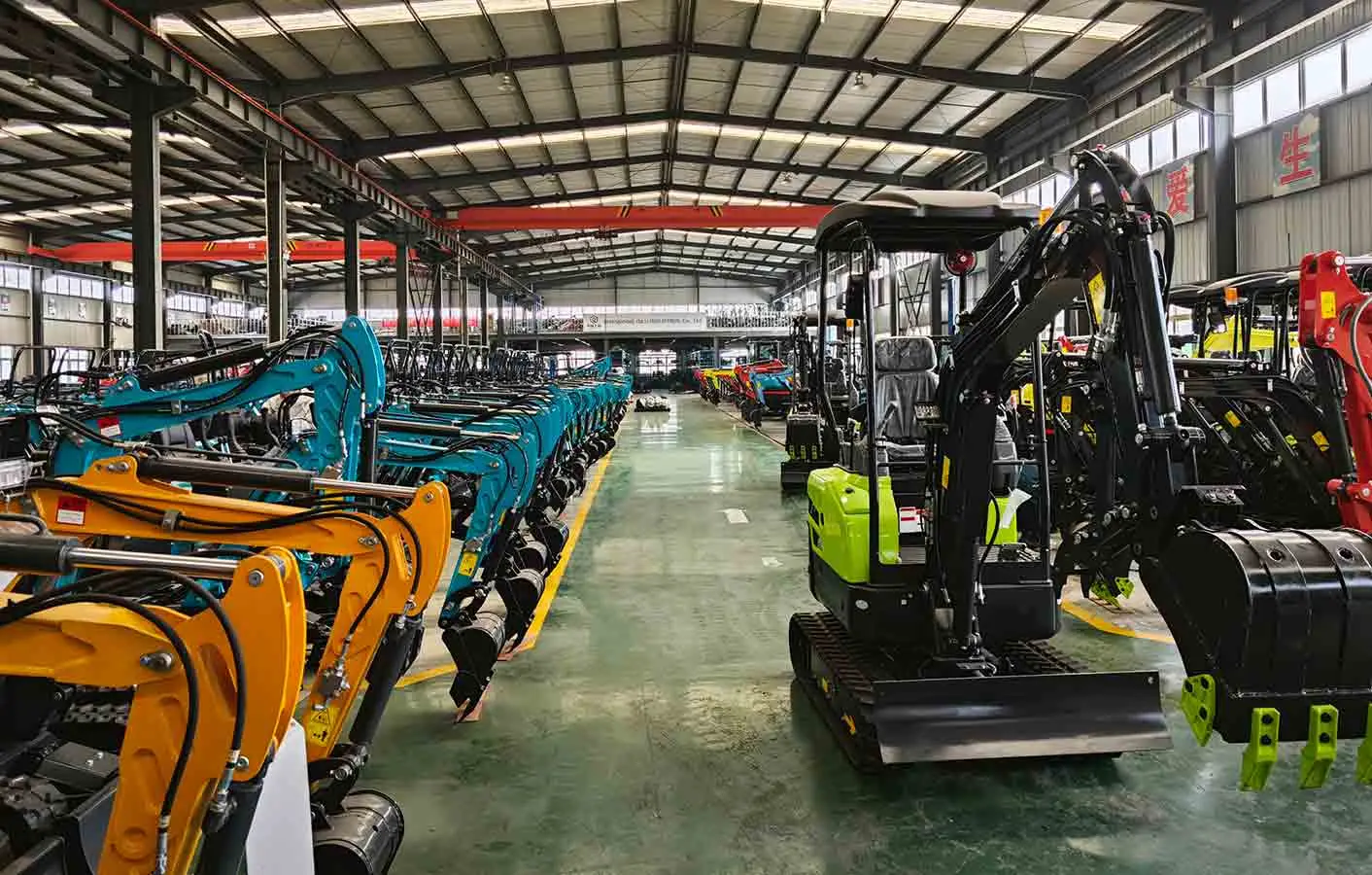
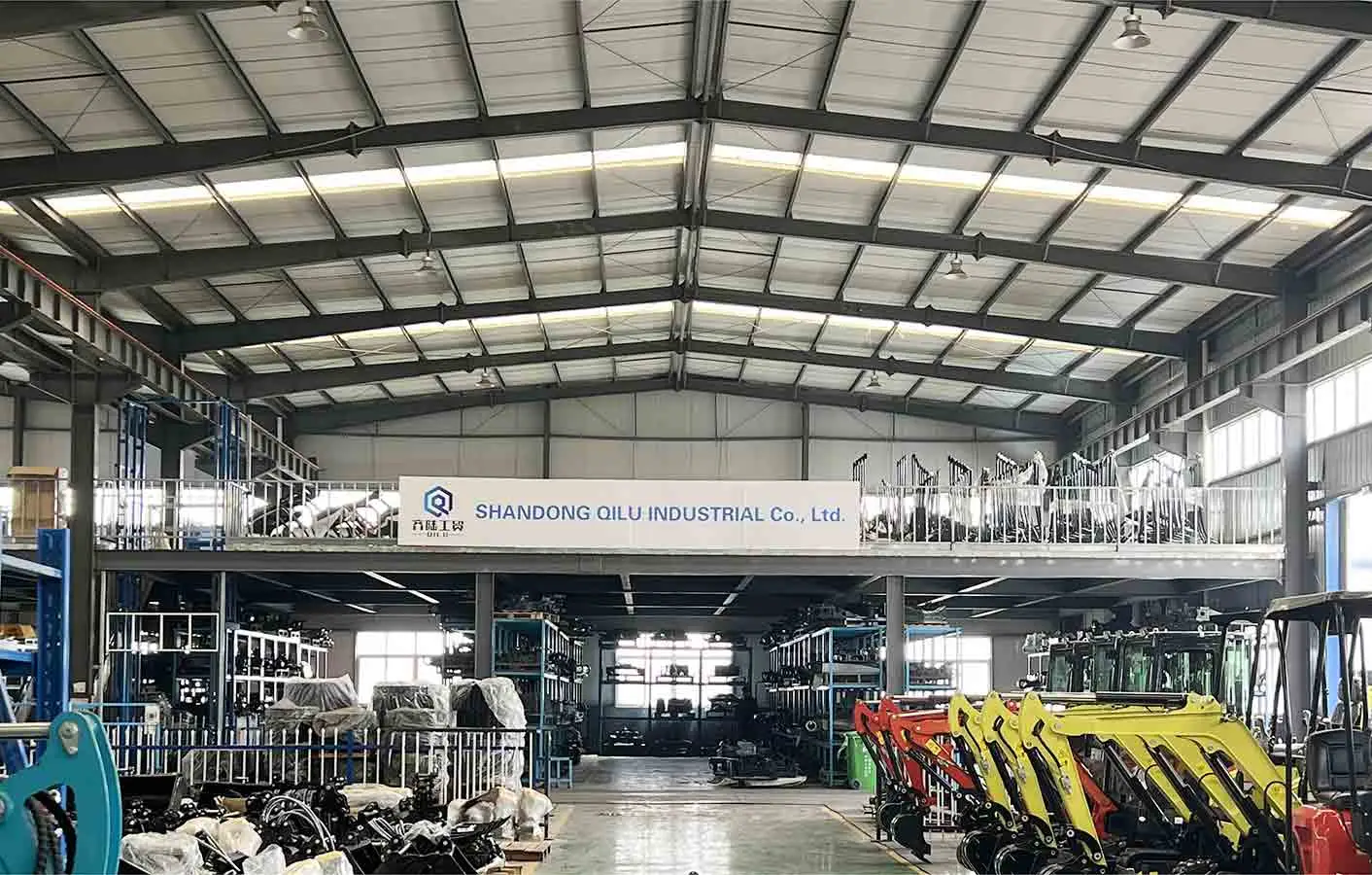
When looking to purchase a micro excavator, it’s important to carefully assess several factors to ensure you choose a model that meets your specific requirements. Here are some key points to consider when selecting the best machine for your needs:
Size and Weight Considerations
The size and weight of the micro excavator will directly impact its maneuverability and its ability to perform certain tasks. The smaller the machine, the more easily it can access narrow spaces; however, it may be less powerful in terms of digging force or lifting capacity. Conversely, a larger micro excavator can offer more power but might struggle in tight spaces.
It’s important to balance the size and weight with the tasks you intend to perform. For example, if your work involves digging small trenches in residential areas, a lighter, more compact machine may be ideal. However, if you’re dealing with tougher materials or need more lifting power, you may need a slightly larger model.
Hydraulic Power and Performance
The hydraulic system of a micro excavator is crucial to its overall performance. The hydraulic system determines the force with which the machine can dig and lift materials. A machine with a strong hydraulic system will provide more digging depth, lifting capacity, and faster operation.
When choosing a micro excavator, check the specifications related to its hydraulic system to ensure that it can handle the tasks you need to perform. While micro excavators are generally not as powerful as larger machines, the right hydraulic system can significantly boost their performance.
Attachments and Versatility
Micro excavators are known for their versatility, primarily due to the wide range of attachments they can support. Some models offer specialized attachments such as augers for drilling holes, grapple buckets for handling debris, and even hydraulic breakers for small demolition projects.
If your work requires frequent changes between tasks, having the ability to quickly swap attachments is essential. Look for micro excavators with easy-to-use attachment systems that can quickly adapt to the needs of your job site.
Fuel Efficiency
Fuel efficiency is an important consideration when purchasing a micro excavator. These machines are often used for long hours, and efficient fuel consumption can lead to significant savings in operational costs. Some micro excavators feature advanced engine designs or hybrid power systems that reduce fuel usage without compromising performance.
Be sure to review the machine’s fuel consumption data to ensure it aligns with your operational requirements and budget.
Micro Excavator Maintenance Tips
Micro excavators are known for their reliability and low maintenance requirements, but like any piece of machinery, they still need proper care to maximize their lifespan and performance. Regular maintenance will help prevent breakdowns and keep your machine running smoothly.
Regular Oil Changes
Just like any other heavy equipment, oil changes are vital for keeping the engine in top condition. Always follow the manufacturer’s recommended oil change intervals to ensure the engine runs smoothly and to prevent unnecessary wear.
Hydraulic System Maintenance
The hydraulic system is one of the most important parts of a micro excavator. Regularly check the hydraulic fluid levels and inspect hoses for any leaks or signs of damage. Additionally, clean the filters and ensure the system is running smoothly for maximum efficiency.
General Cleaning and Lubrication
Dirt and debris can accumulate on the machine over time. It’s important to clean the excavator regularly, particularly around moving parts, to avoid buildup that could affect performance. Ensure that all joints and moving parts are adequately lubricated to prevent friction and wear.
Tire and Track Inspections
If your micro excavator is equipped with tires or tracks, regular inspection and maintenance are essential. Check for signs of wear, cracks, or punctures, and replace any damaged tires or tracks promptly to avoid downtime on the job site.
Micro Excavator Comparison Table
Here’s a generic comparison table for micro excavators that you can use as a reference when making your selection:
| Feature | Micro Excavator A | Micro Excavator B | Micro Excavator C |
|---|---|---|---|
| Weight (kg) | 900 kg | 1000 kg | 1100 kg |
| Hydraulic Power (kW) | 20 kW | 22 kW | 25 kW |
| Maximum Digging Depth (m) | 2.0 m | 2.2 m | 2.5 m |
| Lift Capacity (kg) | 500 kg | 600 kg | 650 kg |
| Attachment Compatibility | Yes | Yes | Yes |
Note: This table is a generic example and can be customized based on the specific features of different models.
Conclusion
Micro excavators are the perfect solution for small-scale construction tasks in confined spaces. In 2025, these compact machines continue to offer exceptional value to contractors and operators who need a versatile, cost-effective, and efficient option for a variety of excavation tasks. Whether you’re digging trenches, landscaping, or tackling utility work, micro excavators are equipped to handle the job with ease.
When selecting the right micro excavator, carefully consider your project needs, including the size of the machine, its hydraulic capabilities, and the available attachments. With proper maintenance, your micro excavator will serve you well for years, making it a smart investment for any contractor or construction business.
FAQ
What is the primary difference between a micro excavator and a mini excavator?
Micro excavators are typically smaller and lighter than mini excavators, making them ideal for work in extremely tight spaces. While both machines offer great maneuverability, micro excavators are designed specifically for smaller tasks and compact environments.
Are micro excavators only for construction?
While micro excavators are commonly used in construction, they are also highly effective for landscaping, gardening, and small-scale demolition. Their small size makes them versatile for various industries.
How much maintenance do micro excavators require?
Micro excavators are generally low-maintenance machines. Routine tasks include oil changes, hydraulic system checks, and regular cleaning. With proper care, these machines can serve you for thousands of operating hours.
Can I use attachments with my micro excavator?
Yes, many micro excavators are designed to be compatible with a wide range of attachments such as buckets, augers, and hydraulic breakers, enhancing their versatility for different tasks.
How long can I expect a micro excavator to last?
A micro excavator can last for many years with proper maintenance. On average, these machines can operate for over 5,000 hours before requiring significant repairs or replacements.