Welcome to Shandong Qilu Industrial Co., Ltd

 English
 Arabic
 Bulgarian
 Bengali
 Czech
Czech
 Danish
 German
 Greek
Greek
 Spanish
 Finnish
 French
 Hindi
Hindi
 Croatian
 Hungarian
 Indonesian
 Italian
 Japanese
 Korean
 Lithuanian
 Dutch
Dutch
 Norwegian
 Polish
 Portuguese
 Romanian
 Russian
 Slovak
 Slovenian
 Swedish
 Thai
Thai
 Turkish
 Ukrainian
 Vietnamese
 Tagalog
 Malay
Malay
 Estonian
 Catalan
 Latvian
 Urdu
Urdu
 Serbian
 Persian
 Swahili
 Albanian
 Armenian
 Icelandic
 Bosnian
 Luxembourgish
 Afrikaans
English Arabic
Bulgarian
Bengali
Czech
Danish
German
Greek
Spanish
Finnish
French
Hindi
Croatian
Hungarian
Indonesian
Italian
Japanese
Korean
Lithuanian
Dutch
Norwegian
Polish
Portuguese
Romanian
Russian
Slovak
Slovenian
Swedish
Thai
Turkish
Ukrainian
Vietnamese
Tagalog
Malay
Estonian
Catalan
Latvian
Urdu
Serbian
Persian
Swahili
Albanian
Armenian
Icelandic
Bosnian
Luxembourgish
Afrikaans
Afrikaans
English Arabic
Bulgarian
Bengali
Czech
Danish
German
Greek
Spanish
Finnish
French
Hindi
Croatian
Hungarian
Indonesian
Italian
Japanese
Korean
Lithuanian
Dutch
Norwegian
Polish
Portuguese
Romanian
Russian
Slovak
Slovenian
Swedish
Thai
Turkish
Ukrainian
Vietnamese
Tagalog
Malay
Estonian
Catalan
Latvian
Urdu
Serbian
Persian
Swahili
Albanian
Armenian
Icelandic
Bosnian
Luxembourgish
Afrikaans
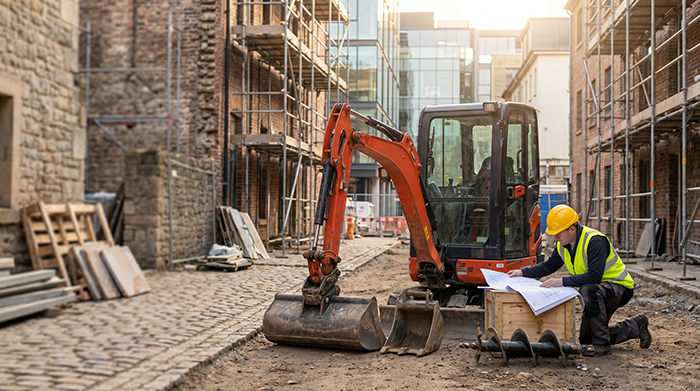
Mini Excavator Lifting Capacity: What You Need to Know
When choosing a mini excavator, one crucial factor to consider is its lifting capacity. The mini excavator lifting capacity directly impacts its versatility and suitability for various tasks, from moving heavy materials to assisting in construction projects. Understanding this feature can make a significant difference in selecting the right machine for your needs and ensuring optimal performance on job sites.
Introduction
When choosing a mini excavator, one crucial factor to consider is its lifting capacity. The mini excavator lifting capacity directly impacts its versatility and suitability for various tasks, from moving heavy materials to assisting in construction projects. Understanding this feature can make a significant difference in selecting the right machine for your needs and ensuring optimal performance on job sites.
In this blog, we’ll explore the details of mini excavator lifting capacity, including how it’s determined, factors influencing it, and tips for maximizing efficiency. Whether you’re a contractor, landscaper, or DIY enthusiast, this guide will help you make informed decisions.
What Defines Mini Excavator Lifting Capacity?
Key Factors Influencing Lifting Capacity
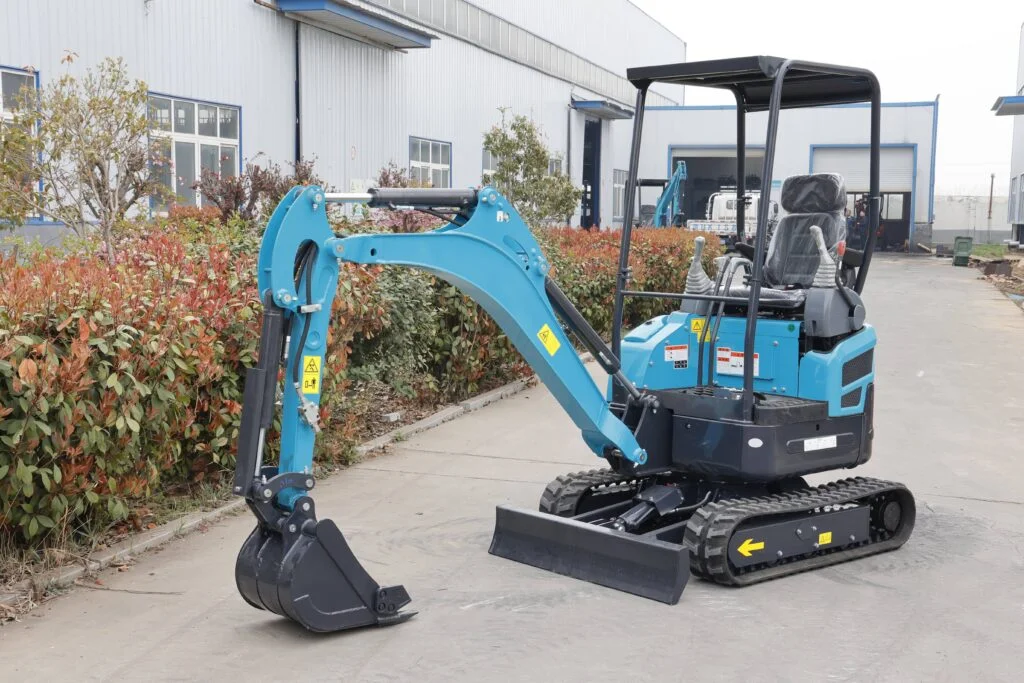
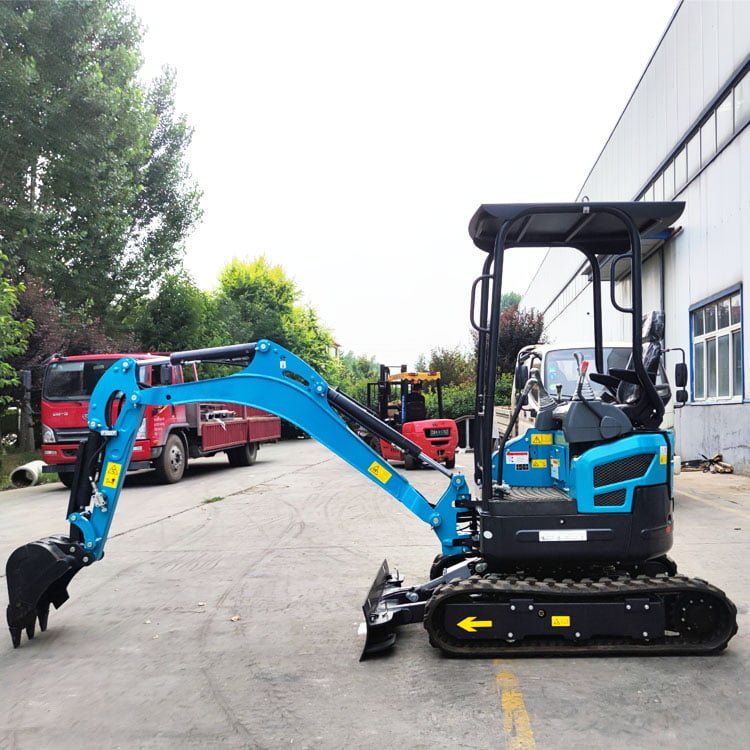
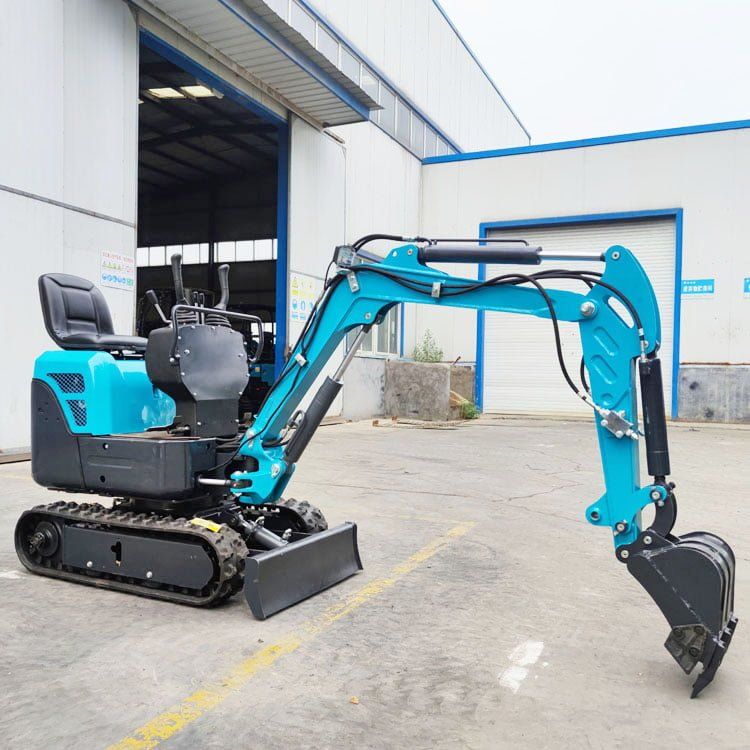
The lifting capacity of a mini excavator depends on several key factors:
- Machine Weight: The overall weight of the excavator affects its stability and capacity.
- Hydraulic Power: A robust hydraulic system enhances the machine’s lifting strength.
- Boom and Arm Design: The length and design of the boom and arm impact how much weight the excavator can handle.
- Counterweight Configuration: Proper counterweights improve balance and allow for heavier lifting.
Importance of Load Charts
Manufacturers provide load charts to help users understand the lifting capacity of their equipment. These charts outline the maximum weights the excavator can lift at different boom angles, arm extensions, and under various conditions.
Stability and Balance
The lifting capacity is also influenced by the excavator’s center of gravity and stability. Ensuring that the machine is positioned on firm ground and using outriggers when necessary can prevent tipping hazards.
How to Evaluate Mini Excavator Lifting Capacity
Understanding Load Charts
Load charts provide detailed information about the lifting capabilities of a mini excavator. These charts typically include:
- Vertical Reach: Maximum height the boom can achieve while lifting.
- Horizontal Reach: Distance at which the excavator can safely lift a load.
- Load Limits: Safe lifting weights at specific angles and extensions.
Manufacturer Recommendations
Always refer to the manufacturer’s guidelines and specifications for accurate information on lifting capacities. Adhering to these recommendations ensures safety and optimal performance.
Factors That Impact Mini Excavator Lifting Capacity
Operating Environment
The type of terrain where the excavator operates affects its lifting capacity. Soft or uneven ground reduces stability, while firm, level surfaces provide better support.
Attachments
Adding attachments such as buckets, grapples, or augers can influence the lifting capacity. Heavier attachments reduce the overall weight the excavator can lift.
Hydraulic System Maintenance
Regular maintenance of the hydraulic system ensures consistent lifting performance. Check for leaks, worn-out seals, or low hydraulic fluid levels that can reduce efficiency.
Operator Expertise
Experienced operators understand how to position the excavator and adjust boom angles for maximum lifting efficiency. Proper training enhances safety and productivity.
Maximizing the Use of Mini Excavator Lifting Capacity

Proper Weight Distribution
Ensure that the load is evenly distributed to prevent tipping. Use slings or chains to secure heavy items and maintain balance.
Utilize Counterweights
Adding or adjusting counterweights improves stability, allowing the machine to lift heavier loads safely.
Follow Manufacturer Guidelines
Always adhere to the load limits and usage instructions provided by the manufacturer. This not only ensures safety but also prolongs the life of the equipment.
Conduct Regular Inspections
Inspect the boom, arm, and hydraulic system for any signs of wear or damage. Regular maintenance ensures the machine operates at its peak capacity.
Conclusion
The mini excavator lifting capacity is a critical consideration for anyone looking to purchase or operate these versatile machines. By understanding the factors that influence lifting capacity and adhering to manufacturer recommendations, users can maximize the efficiency and safety of their equipment.
Selecting the right mini excavator with the appropriate lifting capacity ensures that it meets the specific demands of your projects, whether it’s for construction, landscaping, or other tasks.
FAQ
What is the average lifting capacity of a mini excavator?
The lifting capacity of mini excavators varies widely based on the model, but it typically ranges from 500 kg to 1,500 kg.
How do I determine the lifting capacity of my mini excavator?
Refer to the manufacturer’s load chart for detailed information on the lifting capacity at different boom angles and arm extensions.
Does adding attachments affect lifting capacity?
Yes, heavier attachments reduce the lifting capacity as they add to the overall weight of the excavator.
Can I increase the lifting capacity of my mini excavator?
You can improve stability and increase capacity by adding counterweights and ensuring proper weight distribution. However, never exceed the manufacturer’s recommended limits.
Why is hydraulic maintenance important for lifting capacity?
A well-maintained hydraulic system ensures consistent pressure and performance, which is crucial for lifting heavy loads. Regular checks and servicing help maintain efficiency.