Welcome to Shandong Qilu Industrial Co., Ltd

 English
 Arabic
 Bulgarian
 Bengali
 Czech
Czech
 Danish
 German
 Greek
Greek
 Spanish
 Finnish
 French
 Hindi
Hindi
 Croatian
 Hungarian
 Indonesian
 Italian
 Japanese
 Korean
 Lithuanian
 Dutch
Dutch
 Norwegian
 Polish
 Portuguese
 Romanian
 Russian
 Slovak
 Slovenian
 Swedish
 Thai
Thai
 Turkish
 Ukrainian
 Vietnamese
 Tagalog
 Malay
Malay
 Estonian
 Catalan
 Latvian
 Urdu
Urdu
 Serbian
 Persian
 Swahili
 Albanian
 Armenian
 Icelandic
 Bosnian
 Luxembourgish
 Afrikaans
English Arabic
Bulgarian
Bengali
Czech
Danish
German
Greek
Spanish
Finnish
French
Hindi
Croatian
Hungarian
Indonesian
Italian
Japanese
Korean
Lithuanian
Dutch
Norwegian
Polish
Portuguese
Romanian
Russian
Slovak
Slovenian
Swedish
Thai
Turkish
Ukrainian
Vietnamese
Tagalog
Malay
Estonian
Catalan
Latvian
Urdu
Serbian
Persian
Swahili
Albanian
Armenian
Icelandic
Bosnian
Luxembourgish
Afrikaans
Afrikaans
English Arabic
Bulgarian
Bengali
Czech
Danish
German
Greek
Spanish
Finnish
French
Hindi
Croatian
Hungarian
Indonesian
Italian
Japanese
Korean
Lithuanian
Dutch
Norwegian
Polish
Portuguese
Romanian
Russian
Slovak
Slovenian
Swedish
Thai
Turkish
Ukrainian
Vietnamese
Tagalog
Malay
Estonian
Catalan
Latvian
Urdu
Serbian
Persian
Swahili
Albanian
Armenian
Icelandic
Bosnian
Luxembourgish
Afrikaans

A Side-by-Side Look at Leading Compact Tractor Models for 2026
You see models like Kubota L2501, John Deere 2025R, and John Deere 3025E leading the way in 2026. Compact tractors stand out for their ability to handle rugged terrain, haul heavy loads, and tackle jobs like mowing, landscaping, and snow clearing. These machines offer more horsepower and higher ground clearance than smaller sub-compact tractors, making them efficient for intensive tasks. When you compare features, performance, price, and suitability, you make smarter decisions. A Side-by-Side Look at Leading Compact Tractor Models for 2026 gives you clear insights for practical choices.
Key Takeaways
- Compact tractors like Kubota L2501 and John Deere 2025R excel in handling tough jobs, making them ideal for farming, landscaping, and snow clearing.
- When choosing a tractor, prioritize horsepower, lift capacity, and transmission type to match your specific tasks and improve productivity.
- Consider the versatility of attachments; they allow you to adapt your tractor for various seasonal tasks, enhancing its value and functionality.
- Comfort features, such as adjustable seats and ergonomic controls, are crucial for long hours of operation, helping to reduce fatigue.
- Evaluate dealer support and warranty options; strong service networks ensure quick repairs and peace of mind for your investment.
- Research the operating costs, including fuel and maintenance, to understand the long-term financial commitment of owning a compact tractor.
- Test drive multiple models to experience comfort and handling differences, ensuring you select the best fit for your needs.
- Stay informed about new technologies and features in compact tractors, as advancements can significantly enhance efficiency and ease of use.
Leading Compact Tractor Models for 2026
Model Overview
You see a wide range of compact tractor models available for 2026. The most popular choices include Kubota L2501, John Deere 2025R, and John Deere 3025E. These models stand out for their reliability, versatility, and strong dealer support. You also find competitive options from LS, Kioti, TYM, and Mahindra. Each brand brings unique strengths to the table, whether you need advanced technology, higher lift capacity, or better value for your investment.
A Side-by-Side Look at Leading Compact Tractor Models for 2026 helps you compare these models based on features that matter most. You want to know which tractor fits your needs, whether you manage a small acreage, run a landscaping business, or operate a hobby farm. The 2026 lineup offers improved engines, smarter controls, and more attachment options than ever before.
Tip: When you evaluate compact tractors, focus on horsepower, transmission type, lift capacity, and comfort features. These factors influence your productivity and satisfaction.
Industry forecasts show that manufacturers continue to innovate. You see electric and hybrid models gaining traction, especially as sustainability becomes a priority. Precision farming features and smart interfaces make these tractors easier to use and more efficient. The table below highlights recent developments shaping the compact tractor market for 2026:
| Date | Region | Development Description |
|---|---|---|
| November 2025 | United States | OEMs expanded compact tractor lines with enhanced precision farming features for small and mid-sized farms. |
| October 2025 | United States | Electric and hybrid compact tractors gained momentum as sustainability becomes a priority. |
| November 2025 | Japan | Japanese manufacturers introduced ultra-compact, multi-function tractors for smallholdings and mountainous terrain. |
| October 2025 | Japan | Smart farming interfaces in compact tractors strengthened productivity and ease of use. |
| November 2025 | Europe | EU incentives encouraged adoption of low-emission compact tractors in horticulture and specialty crops. |
| October 2025 | Europe | Modular attachments launched for vineyards, orchards, and urban landscaping. |
| September 2025 | All Regions | Interest in compact tractors with telematics and precision ag tech drove dealer training programs. |
Compact vs. Sub-Compact Tractors
You may wonder how compact tractors differ from sub-compact models. Compact tractors offer more horsepower, greater lift capacity, and higher ground clearance. You use them for heavier tasks like tilling, hauling, and loader work. Sub-compact tractors suit lighter jobs such as mowing and light landscaping. If you need a machine for demanding work, compact tractors provide the durability and power you require.
The competitive landscape in North America features eleven major brands. You can choose from:
- Kubota Corporation
- Deere & Company
- Mahindra & Mahindra Ltd.
- Daedong Corporation (Kioti)
- TYM Corporation
- YANMAR HOLDINGS CO., LTD.
- AGCO Corporation
- CLAAS KGaA mbH
- CNH Industrial N.V.
- International Tractors Limited
A Side-by-Side Look at Leading Compact Tractor Models for 2026 gives you the information you need to make an informed decision. You benefit from understanding the strengths of each model and how they fit your specific requirements.
Key Features in 2026
Engine Power & Efficiency
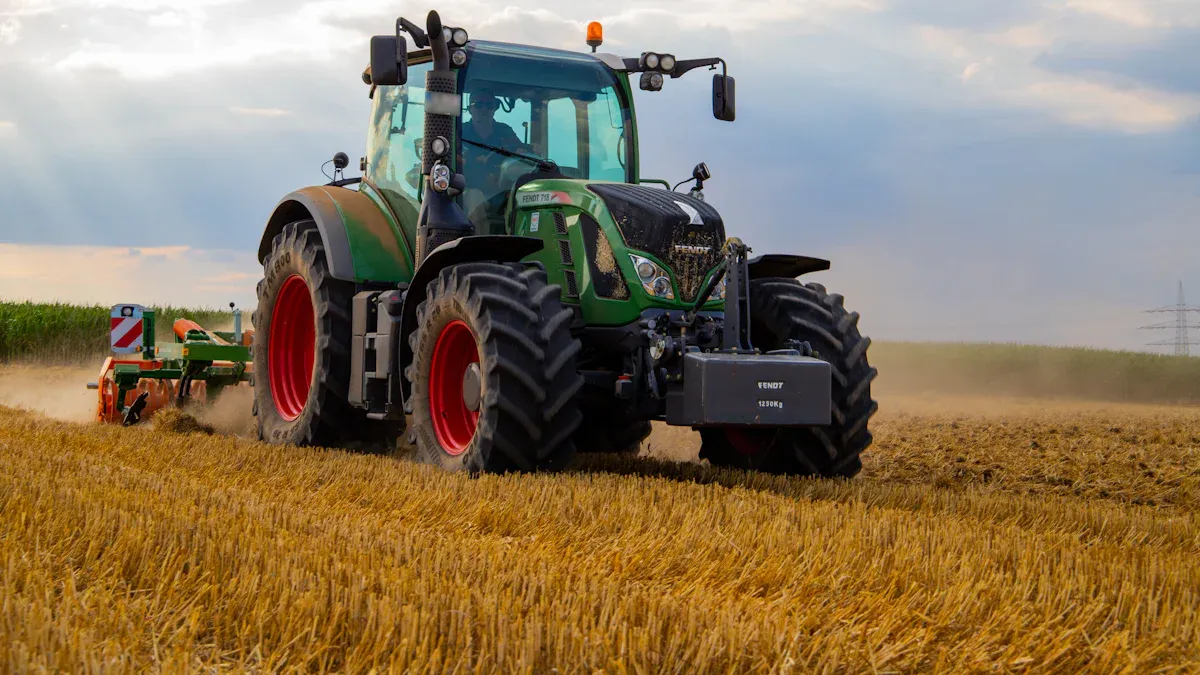
You want a compact tractor that matches your workload. Engine power stands out as a top priority for buyers in 2026. You see models ranging from 20 horsepower for light-duty tasks to 40 horsepower for heavier jobs. Understanding the difference between engine horsepower and PTO (Power Take-Off) horsepower helps you make a smart choice. Engine horsepower shows the total output, but PTO horsepower tells you how much working power you actually get for implements like mowers or tillers. Diesel engines remain the preferred choice for efficiency and durability. You benefit from lower fuel consumption and longer engine life, especially when you work long hours.
Tip: Always check both engine and PTO horsepower before you decide. PTO horsepower affects how well your tractor runs attachments.
When you compare models, you notice that buyers also look for:
- Horsepower and Engine Type
- Transmission Options
- Implement Compatibility
- Operator Comfort
Transmission Types
You need a transmission that fits your experience level and the type of work you do. In 2026, compact tractors offer several transmission options. Each type impacts how you operate the tractor and how efficiently you complete tasks.
| Transmission Type | Description | Impact on Performance |
|---|---|---|
| Gear-drive Transmission | Locks the tractor into one speed, suitable for rough terrain. | Affordable, maximum PTO performance, but requires experienced operators. |
| Power Shuttle Transmission | Combines electronic controls with hydraulic clutch packs for easy shifting. | Ideal for repetitive forward and reverse maneuvers, enhancing operational efficiency. |
| Hydrostatic Transmission | Operates like an automatic transmission, easy to use. | Provides smooth operation, precise speed control, and is great for novice operators. |
| CVT Transmission | Mixes hydrostatic and mechanical features for seamless shifting. | Offers longer life, ease of use, and better fuel efficiency, though less common in smaller tractors. |
You find hydrostatic transmissions popular for landscaping and loader work because they allow you to change speed easily. Gear-drive transmissions suit rough terrain and heavy-duty tasks. Power shuttle transmissions help when you need to switch directions often, such as during loader operations.
Lift Capacity & Hydraulics
Lift capacity and hydraulic performance determine how much you can move and what implements you can use. You want a tractor that handles your heaviest loads without strain. For example, the Kubota L2501 offers a lift capacity of 1,918 pounds, while the John Deere 3025E provides 1,356 pounds. Higher lift capacity lets you use larger implements and move heavier materials. Hydraulic systems power attachments like loaders, backhoes, and mowers. You benefit from smooth operation and reliable performance when you choose a model with strong hydraulics.
Note: Always match your tractor’s lift capacity to the weight of the implements and materials you plan to handle. This ensures safety and efficiency.
You see that buyers in 2026 prioritize these features to maximize productivity and versatility. When you understand engine power, transmission types, and lift capacity, you make informed decisions that fit your needs.
Attachments & Versatility
You want your compact tractor to handle a wide range of tasks throughout the year. Attachments make this possible. You can switch between implements quickly, which helps you stay productive and adapt to changing needs. Here are some ways attachments boost versatility:
- Adapt to seasonal tasks, such as snow plowing in winter and mowing in summer.
- Use landscaping tools like landscape rakes and box blades to shape and maintain your property.
- Add a backhoe for digging foundations or trenches during construction projects.
- Improve efficiency in the field with agricultural attachments for tilling, planting, and crop management.
- Change attachments quickly to move from one job to the next without losing time.
You see that leading compact tractor models for 2026 support a wide variety of attachments. This flexibility lets you tackle everything from heavy lifting to fine landscaping. When you choose a tractor, check the compatibility and ease of switching attachments. This ensures you get the most value and productivity from your investment.
Comfort & Ergonomics
You spend long hours on your tractor, so comfort matters. Manufacturers have improved operator experience in 2026 models. You find features that reduce fatigue and make operation easier. The following tables show comfort and ergonomic features in top compact tractors:
| Feature | John Deere Compact Tractors |
|---|---|
| Pedals | TwinTouch pedals |
| Seat | Adjustable seats |
| Controls | Ergonomic controls |
| Suspension | Shock-proof suspension |
| Feature | Yanmar SA Series |
|---|---|
| Seat | High-back seat with armrests on springs |
| Floorboard | Flat design for more foot-room |
| Controls | Intuitive, easy-to-reach arrangement |
| Additional Features | 12-volt outlet, cup holder, storage |
You benefit from adjustable seats and ergonomic controls. These features help you stay comfortable and focused. Flat floorboards give you more space for your feet. Suspension systems absorb bumps, so you enjoy a smoother ride. Small details like cup holders and storage compartments add convenience. When you compare models, look for these features to ensure a better workday.
Price & Value
You want to know what you will pay for a compact tractor in 2026. Prices depend on horsepower and features. The table below shows the typical price range for leading models:
| Horsepower Range | Price Range |
|---|---|
| 20-25 HP | $15,000 – $25,000 |
| 25-40 HP | $20,000 – $40,000 |
| 40+ HP | $35,000+ |
You see that higher horsepower means a higher price. You also pay more for advanced features and comfort options. When you compare prices, consider what attachments and upgrades you need. A model with more standard features may offer better value, even if the price is higher. You should also think about long-term costs, such as maintenance and resale value. This helps you make a smart investment for your property or business.
Dealer Support & Warranty
You want your compact tractor to last for years. Dealer support and warranty coverage play a big role in your ownership experience. When you buy a tractor, you invest in more than just the machine. You also invest in the service network and the peace of mind that comes with strong warranty protection.
You should look for a dealer network that offers easy access to parts, skilled technicians, and fast repairs. A good dealer helps you keep your tractor running smoothly. You save time and money when you can get repairs done quickly and correctly. Many leading brands offer factory-trained technicians who know your machine inside and out. This means you get expert service every time.
Warranty coverage protects you from unexpected repair costs. In 2026, you see manufacturers offering longer and more comprehensive warranties. Some powertrain warranties last up to 10 years or 3,000 hours. These warranties often include both parts and labor at no extra cost. You can find plans that cover more than just the basics, giving you confidence in your investment.
Here is a quick look at warranty terms for top compact tractor brands:
| Manufacturer | Warranty Type | Duration | Coverage Details |
|---|---|---|---|
| Yanmar | Powertrain | 10 years or 3,000 hours | Includes parts and labor, no additional cost |
| John Deere | PowerGard Protection Plans | Multiple years beyond normal warranty | $0 deductible, free transportation for covered repairs |
You also want to consider support options that go beyond standard warranties. Some manufacturers offer extended protection plans. These plans cover repairs for several years after the normal warranty ends. You get benefits like $0 deductible and free transportation for covered repairs. This means you do not have to worry about extra costs if something goes wrong.
| Support Plan | Coverage | Deductible | Additional Benefits |
|---|---|---|---|
| PowerGard Residential | Multiple years beyond normal warranty | $0 | Free transportation for covered repairs |
Dealer support matters just as much as warranty coverage. You should choose a dealer with a strong reputation for customer service. Ask about parts availability, technician training, and response times for service calls. A reliable dealer helps you avoid downtime and keeps your tractor working hard.
Tip: Always review the warranty terms and dealer support options before you buy. A strong warranty and a trusted dealer network protect your investment and give you peace of mind.
When you compare compact tractors for 2026, remember that dealer support and warranty coverage can make a big difference in your ownership experience. Choose a model backed by a network that stands behind its products and supports you every step of the way.
Side-by-Side Comparison: Leading Compact Tractor Models 2026
Specifications Table
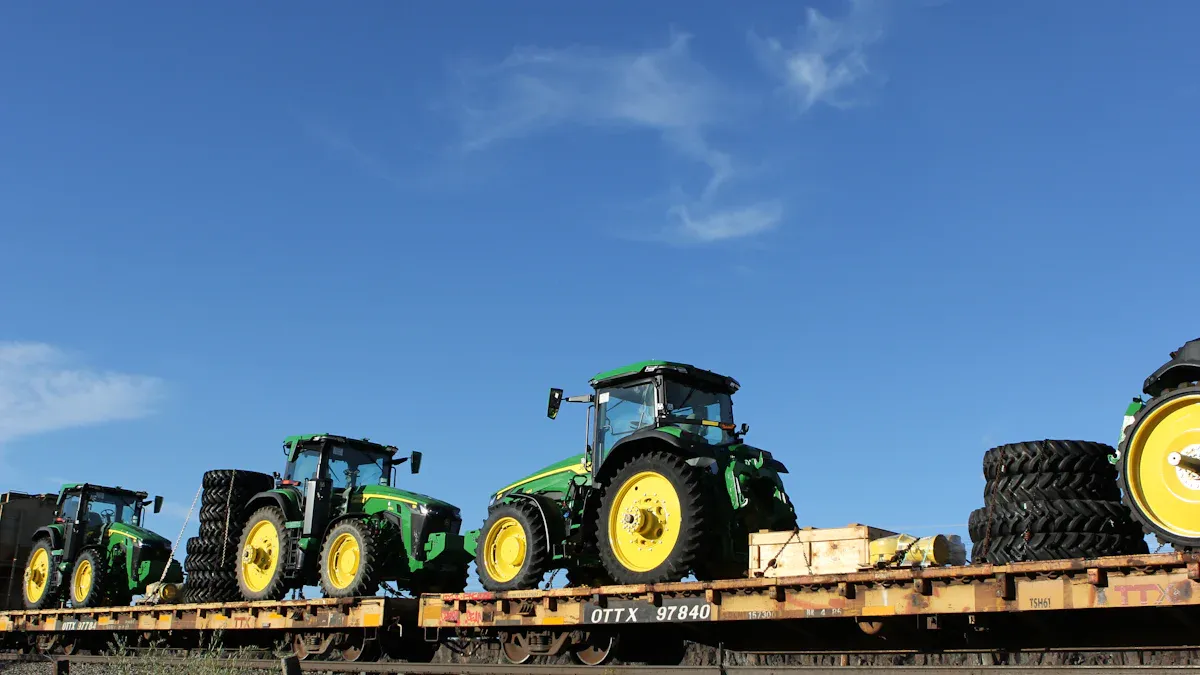
You want to see how the top compact tractors stack up side by side. This table gives you a clear view of the most important specifications for 2026. You can use it to compare horsepower, transmission type, lift capacity, and price. These details help you decide which model fits your needs best.
| Model | Horsepower | Transmission Type | Lift Capacity (lbs) | Attachments Supported | Comfort Features | Price | Dealer Support |
|---|---|---|---|---|---|---|---|
| Kubota L2501 | 24.8 HP | Hydrostatic (8F/4R) | 1,918 | Rear, Front Loader | Adjustable seat, Flat floor | $13,652 | Strong network |
| John Deere 3025E | 24.7 HP | Hydrostatic | 1,356 | Rear, Front Loader | Basic seat, TwinTouch pedals | $18,879 | Extensive network |
| John Deere 2025R | 23.9 HP | Hydrostatic | 1,200 | Rear, Mid, Front | Premium seat, Suspension | $19,950 | Extensive network |
| LS MT225E | 24.6 HP | Hydrostatic | 1,600 | Rear, Front Loader | Adjustable seat, Flat floor | $16,500 | Growing network |
| Kioti CK2610 | 24.5 HP | Hydrostatic | 1,631 | Rear, Front Loader | Deluxe seat, Flat floor | $17,200 | Expanding network |
Note: Prices reflect base models and may vary by dealer location and included features.
You see that each model offers a different balance of power, comfort, and price. Kubota L2501 gives you the highest lift capacity at a lower price. John Deere 2025R stands out for premium comfort features and attachment versatility. LS and Kioti models provide strong value and competitive specs.
Feature Highlights
You want more than just numbers. You need to know what sets each tractor apart in real-world use. Here are the key highlights for each model:
- Kubota L2501: You get a reliable diesel engine and a simple, rugged design. The hydrostatic transmission makes operation smooth. You benefit from a high lift capacity, which helps with heavy loader work. The adjustable seat and flat floor keep you comfortable during long hours.
- John Deere 3025E: You enjoy easy-to-use controls with the TwinTouch pedal system. The basic seat suits shorter jobs, but you can upgrade for more comfort. The loader attaches quickly, so you switch tasks fast. Dealer support is strong, which means less downtime.
- John Deere 2025R: You experience premium comfort with a suspension seat and ergonomic controls. You can use rear, mid, and front attachments, which adds versatility. The quick-attach loader saves you time. This model costs more, but you get advanced features.
- LS MT225E: You find a balance of price and performance. The hydrostatic transmission is user-friendly. The adjustable seat and flat floor help you stay comfortable. Dealer support is growing, so you have more service options each year.
- Kioti CK2610: You get a deluxe seat and ergonomic layout. The lift capacity is strong for this class. The hydrostatic transmission makes it easy for new operators. The dealer network is expanding, which improves parts and service access.
Tip: When you compare compact tractors, look at both specs and comfort features. A Side-by-Side Look at Leading Compact Tractor Models for 2026 helps you see which model matches your work style and budget.
You can find more detailed specs and owner reviews on industry platforms like TractorData and social media groups dedicated to compact tractors. These resources give you real-world feedback from other owners.
If you want to dig deeper, visit your local dealer. Ask for a demonstration and try out the controls. You will feel the difference in comfort and handling. This hands-on approach helps you make a confident decision.
A Side-by-Side Look at Leading Compact Tractor Models for 2026 gives you the facts you need. Use this comparison to narrow your choices and find the best fit for your property or business.
Model Analysis
Kubota L2501
Strengths
You get a compact tractor that delivers reliability and flexibility. The Kubota L2501 features a robust diesel engine that provides consistent power for demanding tasks. You benefit from an ergonomic operator deck, which keeps you comfortable during long hours in the field. The hydrostatic transmission allows you to adjust speed smoothly, making loader work and maneuvering easy. You can attach implements like the LA525 Front Loader and BH77 Backhoe, which expand your capabilities for digging, lifting, and hauling. The high lift capacity lets you move heavy materials efficiently. You also enjoy straightforward maintenance, which reduces downtime and keeps your tractor running strong.
Note: The Kubota L2501 stands out for its simple controls and rugged build, making it a favorite among owners who value durability and ease of use.
Weaknesses
You may notice that the Kubota L2501 lacks some advanced comfort features found in higher-priced models. The basic seat and limited suspension can lead to fatigue during extended use. You do not get mid-mount PTO options, which restricts the range of compatible attachments for mowing. The base model does not include premium upgrades, so you may need to invest in additional accessories for specialized tasks. Dealer support varies by region, which can affect parts availability and service response times.
Best Use Cases
You can rely on the Kubota L2501 for a wide range of applications. Industry experts recommend this model for:
- Farming
- Landscaping
- Snow removal
The tractor’s versatility shines when you switch between loader work, tilling, and clearing snow. You can use it on small farms, large gardens, and rural properties. The ergonomic design and compatible implements make it a practical choice for owners who need a dependable machine for multiple tasks.
Case Study:
You manage a five-acre property with mixed terrain. You use the Kubota L2501 to haul compost, grade driveways, and clear snow in winter. The LA525 Front Loader helps you move gravel and mulch, while the BH77 Backhoe lets you dig trenches for irrigation. You appreciate the straightforward controls and reliable performance, which save you time and effort.
For more user experiences and reviews, visit TractorByNet Kubota Forum or check out Kubota Owners Group on Facebook.
John Deere 2025R
Strengths
You experience advanced comfort and versatility with the John Deere 2025R. The premium suspension seat and ergonomic controls reduce fatigue, even during long workdays. You can use rear, mid, and front attachments, which gives you flexibility for mowing, loader work, and landscaping. The hydrostatic transmission provides smooth speed control, making it easy for new operators to learn. You benefit from a strong dealer network, which ensures fast access to parts and expert service. The quick-attach loader system saves you time when switching implements.
Tip: The John Deere 2025R excels in environments where comfort and attachment versatility matter most.
Weaknesses
You pay a higher price for the advanced features and comfort options. The lift capacity is lower than some competitors, which may limit your ability to handle heavier loads. You may find that the base model lacks certain upgrades, requiring additional investment for specialized tasks. Some users report that the mid-mount PTO can be challenging to maintain, especially if you use multiple attachments frequently.
Best Use Cases
You find the John Deere 2025R ideal for properties where comfort and versatility are top priorities. Common applications include:
- Residential landscaping
- Mowing large lawns
- Light loader work
You can use this model for hobby farms, estate maintenance, and landscaping businesses. The premium seat and ergonomic controls make it suitable for operators who spend long hours on the tractor.
Case Study:
You operate a landscaping business that maintains residential properties. You use the John Deere 2025R to mow lawns, move mulch, and install garden beds. The quick-attach loader lets you switch from mowing to loader work in minutes. You value the comfort features, which keep you productive throughout the day.
Explore more user stories and technical discussions at Green Tractor Talk Forum or join the John Deere Compact Tractor Owners Facebook Group.
John Deere 3025E
Strengths
You get a compact tractor that balances power and simplicity. The John Deere 3025E offers a reliable diesel engine and hydrostatic transmission, which make operation straightforward. You benefit from the TwinTouch pedal system, allowing precise speed adjustments with minimal effort. The loader attaches quickly, so you can switch tasks without delay. You enjoy strong dealer support, which ensures timely maintenance and access to genuine parts. The basic design keeps maintenance simple and reduces the risk of mechanical issues.
Note: The John Deere 3025E appeals to owners who want a no-nonsense tractor for everyday tasks.
Weaknesses
You may find the comfort features less advanced than those on premium models. The basic seat suits short jobs, but extended use can lead to discomfort. The lift capacity is lower than some competitors, which may limit your ability to move heavier materials. You do not get mid-mount PTO options, restricting the range of compatible attachments. The price is higher than similar models with comparable specs, which may affect your budget.
Best Use Cases
You can use the John Deere 3025E for a variety of tasks on small farms and rural properties. Typical applications include:
- Loader work
- Tilling and soil preparation
- Light hauling
You find this model suitable for owners who need a dependable tractor for routine chores. The simple controls and quick-attach loader make it easy to switch between jobs.
Case Study:
You maintain a small farm with livestock and gardens. You use the John Deere 3025E to move feed, prepare soil for planting, and haul supplies. The TwinTouch pedal system helps you adjust speed quickly, which improves efficiency during loader work. You appreciate the straightforward design and reliable performance.
For more insights and user feedback, visit TractorData John Deere 3025E Page or connect with other owners on John Deere Forums.
LS, Kioti, TYM, Mahindra (Grouped)
Strengths
You find that LS, Kioti, TYM, and Mahindra compact tractors offer a strong mix of value, durability, and user-friendly features. These brands have built reputations for delivering reliable machines that meet the needs of property owners, hobby farmers, and professionals alike.
- Mahindra stands out for ruggedness and affordability. You get a tractor that handles tough jobs and rough terrain without breaking your budget. Many users appreciate the heavy-duty frames and simple mechanical systems. These features help you work longer hours with fewer breakdowns.
- Kioti earns praise for reliability and comfort. You notice smooth operation and well-designed cabins. The controls feel intuitive, and the seats provide good support. If you value a pleasant working experience, Kioti models often deliver.
- LS tractors give you a balance of modern features and competitive pricing. You benefit from standard options like hydrostatic transmissions and ergonomic layouts. LS models often include features that cost extra on other brands.
- TYM offers compact tractors with advanced technology and strong lift capacities. You see digital displays, easy-to-use controls, and efficient engines. TYM models appeal to users who want a blend of innovation and practicality.
Tip: When you choose from these brands, you often get more standard features for your money compared to premium brands. This can make a big difference if you want value without sacrificing performance.
Weaknesses
You may encounter some trade-offs with these brands. While Mahindra tractors excel in durability, you might find the ride less refined than higher-priced competitors. The basic comfort features may not suit you if you spend long hours in the seat. Kioti models, while reliable, sometimes have limited dealer networks in certain regions. This can affect how quickly you get parts or service.
LS and TYM tractors offer great value, but you may notice that resale values are sometimes lower than those of more established brands. Some users report that dealer support varies by location, which can impact your ownership experience. You should also check the availability of attachments and compatibility with third-party implements, as options may differ from brand to brand.
| Brand | Common Weaknesses |
|---|---|
| Mahindra | Basic comfort, less refined ride |
| Kioti | Limited dealer network in some areas |
| LS | Lower resale value, variable dealer support |
| TYM | Attachment compatibility, resale value |
Note: Always research your local dealer network before you buy. Strong support can make ownership much easier.
Best Use Cases
You can match these tractors to a wide range of jobs. Mahindra models work well for heavy-duty chores on small farms or rural properties. If you need a machine that can handle rough ground and big loads, Mahindra gives you confidence.
Kioti tractors shine when you want reliability and comfort for daily tasks. You might use them for mowing, landscaping, or light loader work. The comfortable seats and smooth controls help you stay productive.
LS and TYM tractors fit well for users who want advanced features at a reasonable price. You can use them for property maintenance, gardening, or small-scale farming. Their modern controls and efficient engines make them easy to operate, even if you are new to tractors.
If you want a dependable tractor for a variety of tasks and you value affordability, these brands offer practical solutions. Always test drive models and talk to local owners to see which tractor feels right for your needs.
Best Fit by User Type
Small Acreage Owners
You manage a few acres and need a tractor that balances power, maneuverability, and value. Compact tractors like the John Deere 1025R, 2025R, and 3025E stand out for reliability and advanced features. The 1025R offers 23.9 horsepower, LED headlights, and a premium operator station, making your work comfortable and efficient. The 2 Series models provide impressive loader lift capacities, which help you move soil, mulch, or gravel with ease.
Kubota’s L2501 gives you robust performance and affordability. You benefit from a simple design and strong engine, which makes it a great choice for routine chores. Yanmar’s SA-425 and SA-325 deliver engineering quality and ergonomic comfort. These models feature a powerful 23.9 horsepower engine and a maximum lift capacity of 1,209 pounds, so you can tackle mowing, hauling, and light landscaping without strain.
New Holland Workmaster tractors offer innovative engineering for tight spaces. Mahindra’s eMax 20S HST is affordable, while the 3650 4WD provides best-in-class loader lift capacity. You find these models balance performance and value, making them ideal for small acreage owners who want efficiency and reliability.
Tip: Look for tractors with ergonomic operator stations and easy-to-use controls. These features reduce fatigue and help you get more done in less time.
Hobby Farmers
You run a hobby farm and need a tractor that adapts to many tasks. Compact tractors revolutionize small-scale farming and urban agriculture. You use them for plowing, tilling, mowing, and even snow removal. These machines give you versatility and cost-effective functionality, so you avoid the expense of larger tractors.
- Compact tractors handle plowing, tilling, and mowing with ease.
- You benefit from affordable models that offer durability and simple operation.
- Attachments let you switch between landscaping, hauling, and seasonal chores.
Kubota BX Series tractors, with 18-25 horsepower, fit small fields and gardens. You appreciate their compact size and easy maneuverability. These tractors support multiple attachments, so you can landscape, clear snow, or maintain pastures. You find them durable and user-friendly, which makes them perfect for hobby farmers who want reliable performance without complexity.
Note: Choose a tractor that supports a wide range of attachments. This flexibility lets you adapt to changing needs throughout the year.
Landscaping Pros
You work as a landscaping professional and need a tractor that delivers precision, comfort, and versatility. Compact tractors help you shape terrain, move materials, and maintain properties efficiently. You look for models with hydrostatic transmissions, ergonomic controls, and high lift capacities.
A premium operator station keeps you comfortable during long hours. Loader attachments and quick-connect systems save you time when switching between tasks. You benefit from tractors that offer smooth speed control and easy maneuvering in tight spaces. Models with advanced technology and strong dealer support help you minimize downtime and maximize productivity.
| Feature | Benefit for Landscaping Pros |
|---|---|
| Hydrostatic Transmission | Smooth speed changes |
| Ergonomic Controls | Reduced operator fatigue |
| High Lift Capacity | Efficient material handling |
| Quick-Attach Loader | Fast implement changes |
You find that investing in a tractor with these features improves your workflow and helps you deliver professional results on every project.
Tip: Test drive models with advanced comfort features and quick-attach systems. These upgrades make a noticeable difference in daily operations.
Commercial Use
You need a compact tractor that can handle the demands of commercial work. Commercial operators rely on machines that deliver consistent performance, durability, and efficiency. You often face long hours, tough terrain, and a variety of tasks, so choosing the right model is essential for your business.
When you evaluate tractors for commercial use, focus on horsepower, loader lift capacity, and comfort features. You want a machine that can move heavy materials, operate attachments smoothly, and keep you comfortable throughout the day. The following table shows how leading models compare for commercial applications:
| Model | Horsepower Range | Loader Lift Capacity | Key Features |
|---|---|---|---|
| John Deere 1 Series | 21.5 – 23.9 HP | 680 lbs | Versatile, compact, ideal for small tasks |
| John Deere 2 Series | 24.2 – 36.7 HP | 1,356 lbs | Mid-sized, suitable for moderate landscaping |
| John Deere 3 Series | 24.7 – 45.3 HP | 1,356 lbs | Powerful, comfortable, for larger properties |
| John Deere 4 Series | 43.1 – 65.9 HP | 2,500 lbs | Heavy-duty, designed for demanding commercial tasks |
You see that the John Deere 4 Series stands out for heavy-duty work. You get up to 65.9 horsepower and a loader lift capacity of 2,500 pounds. This model suits large landscaping projects, construction sites, and municipal maintenance. You benefit from advanced hydraulics, spacious operator stations, and robust frames that withstand daily use.
If you manage moderate landscaping or property maintenance, the John Deere 2 and 3 Series offer a balance of power and versatility. You get enough horsepower for loader work, mowing, and grading. The comfortable cabins and ergonomic controls help you stay productive during long shifts. You can attach a wide range of implements, from backhoes to snow blowers, which increases your efficiency.
For smaller commercial jobs, such as groundskeeping or light hauling, the John Deere 1 Series provides a compact solution. You maneuver easily in tight spaces and complete tasks quickly. The lower lift capacity fits lighter materials, and the simple controls make training new operators straightforward.
Tip: Always match your tractor’s horsepower and lift capacity to the heaviest tasks you expect to perform. This ensures safety and prevents unnecessary wear.
You should also consider operator comfort and technology. Commercial operators spend many hours on their tractors, so features like adjustable seats, climate control, and intuitive dashboards reduce fatigue and improve focus. You find that models with advanced telematics and maintenance alerts help you track usage and schedule service, minimizing downtime.
You need reliable dealer support for commercial operations. Fast access to parts and skilled technicians keeps your fleet running. You should ask about extended warranty options and service plans that cover high-hour usage.
You maximize your investment by choosing a tractor that fits your workload and business goals. You increase productivity, reduce operating costs, and deliver better results for your clients.
Cost-Benefit & Resale
Purchase Price
You face a significant upfront investment when you buy a compact tractor. The price depends on horsepower, features, and attachments. Most models in this class range from $15,000 to $40,000. You may pay more for advanced comfort options or technology upgrades. Before you decide, compare base prices and factor in the cost of essential implements. You should also ask dealers about financing plans and seasonal promotions. These options can help you manage your budget and spread payments over time.
Tip: Always review what comes standard with your tractor. Some models include loaders or backhoes, while others require you to purchase these separately.
Operating Costs
Owning a compact tractor involves more than just the purchase price. You need to budget for fuel, maintenance, and repairs. These costs add up over time and affect your total investment. You should estimate your annual usage and calculate expenses based on hours of operation.
On average, you spend about $55.80 per hour on repair, fuel, lubrication, and labor combined.
You see that fuel efficiency varies by model. Diesel engines usually offer better mileage and lower fuel costs. Regular maintenance keeps your tractor running smoothly and prevents costly breakdowns. You need to schedule oil changes, filter replacements, and hydraulic checks. Repairs may arise as your tractor ages, so set aside funds for unexpected issues.
Here is a breakdown of typical operating costs:
| Cost Component | Estimated Cost |
|---|---|
| Fuel Efficiency | Varies by model |
| Regular Maintenance | Budgeted amount |
| Potential Repairs | Considered costs |
| Depreciation | Affects resale |
- Initial purchase price is significant.
- Additional expenses include fuel, maintenance, and repairs.
- Important to consider these costs before purchasing.
You should keep records of your expenses. Tracking costs helps you plan for future upgrades and compare the value of different models.
Resale Value
You want your investment to hold value over time. Compact tractors often retain strong resale value, especially if you maintain them well and keep service records. Popular models with reliable performance and wide dealer support tend to sell faster and at higher prices. You should clean your tractor regularly and address minor repairs promptly. These steps improve your chances of getting a good return when you decide to sell or trade in.
Depreciation affects every machine, but you can minimize its impact. Choose models with proven durability and high demand in your region. You may find that tractors with advanced features or low hours command premium prices in the used market. Dealer trade-in programs and online marketplaces give you options for selling your tractor when you upgrade.
Note: Protect your investment by following the manufacturer’s maintenance schedule and storing your tractor in a sheltered location.
You make smarter decisions when you consider purchase price, operating costs, and resale value together. This approach helps you maximize your return and enjoy reliable performance for years.
Dealer Support & Service
Parts Availability
You want your compact tractor to stay productive throughout the year. Parts availability plays a key role in minimizing downtime. When you need a replacement filter, hydraulic hose, or engine component, quick access matters. Leading dealers stock common parts for popular models. You can often find filters, belts, and fluids on the shelf. For specialized components, dealers may order directly from the manufacturer. You benefit from online parts catalogs, which help you identify the exact part number before visiting the store.
Tip: Keep a list of essential parts for your tractor. Order replacements before you run out to avoid delays during busy seasons.
A strong dealer network ensures you get genuine parts. You reduce the risk of compatibility issues and maintain your tractor’s performance. Some dealers offer same-day shipping for urgent needs. You can also use service centers for installation, which saves you time and effort.
Warranty Coverage
Warranty coverage protects your investment and gives you peace of mind. You should review warranty terms before making a purchase. Most compact tractors come with a basic warranty that covers the engine, transmission, and hydraulics. Some manufacturers offer extended coverage for powertrain components. You may see warranties lasting up to ten years or 3,000 operating hours.
| Warranty Type | Typical Duration | Coverage Scope |
|---|---|---|
| Basic Warranty | 2-6 years | Engine, transmission, hydraulics |
| Powertrain Warranty | Up to 10 years/3,000 hours | Major mechanical components |
| Extended Plans | Additional years | Parts, labor, transportation |
You should ask your dealer about what is included. Some plans cover both parts and labor. Others may offer free transportation for covered repairs. You avoid unexpected costs when you understand your warranty details. Always keep your service records. These documents help you claim warranty benefits if needed.
Note: Register your tractor with the manufacturer after purchase. This step activates your warranty and ensures you receive updates about recalls or service campaigns.
Dealer Network
A reliable dealer network supports you throughout your ownership. You want easy access to service centers, skilled technicians, and customer support. Dealers with factory-trained staff can diagnose issues quickly and perform repairs to manufacturer standards. You benefit from regular training programs, which keep technicians updated on new models and technology.
You should choose a dealer with a strong reputation for customer service. Ask about response times for service calls and availability of loaner equipment. Some dealers offer mobile service units that come to your property for repairs. You save time and avoid transporting your tractor for minor fixes.
- Local dealers provide fast support and parts.
- Regional networks offer broader coverage and expertise.
- Online portals let you schedule service and order parts from home.
Callout: Visit your local dealer and ask about technician training, service guarantees, and emergency support options. A strong dealer network keeps your tractor running and your projects on track.
Buyer Concerns
Reliability
You want a compact tractor that works every time you need it. Reliability stands out as one of the top concerns for buyers in 2026. You should look for models with proven track records and strong owner reviews. Tractors with simple mechanical systems often last longer and require fewer repairs. You benefit from diesel engines that run efficiently and resist wear. You can check online forums and owner groups for real-world feedback on reliability. If you see consistent praise for a model’s durability, you know it will likely serve you well.
Tip: Always ask your dealer about common issues and how often they occur. Reliable tractors save you money and time over the years.
You can also review maintenance records and service bulletins. These resources help you spot patterns in breakdowns or repairs. If a tractor has few reported problems, you can trust it for your daily tasks.
Maintenance
You need to keep your tractor in top shape to get the most value from your investment. Maintenance involves regular checks and timely service. You should follow the manufacturer’s schedule for oil changes, filter replacements, and hydraulic inspections. Many modern tractors include digital reminders for service intervals. You can use these features to avoid missing important tasks.
Here is a simple maintenance checklist:
- Check engine oil and coolant levels weekly.
- Inspect tires for wear and proper inflation.
- Clean air filters every month.
- Grease moving parts before heavy use.
- Replace hydraulic fluid as recommended.
| Task | Frequency | Benefit |
|---|---|---|
| Oil Change | Every 100 hrs | Prevents engine wear |
| Air Filter Cleaning | Monthly | Improves performance |
| Tire Inspection | Weekly | Ensures safety |
| Hydraulic Check | Quarterly | Maintains lift power |
You can keep a logbook to track service dates and repairs. This habit helps you maintain warranty coverage and boosts resale value. If you notice unusual noises or leaks, you should address them quickly. Early action prevents bigger problems and keeps your tractor running smoothly.
Upgrade Options
You may want to upgrade your tractor as your needs change. Many compact tractors support a wide range of attachments and technology upgrades. You can add loaders, backhoes, snow blowers, or mowers to expand your capabilities. Some models offer plug-and-play compatibility, which makes installation easy.
You can also upgrade comfort features. Adjustable seats, LED lighting, and climate control systems improve your experience. If you work long hours, these upgrades reduce fatigue and increase productivity.
Note: Before you buy upgrades, check compatibility with your tractor’s model and year. Dealers can help you choose the right options and install them correctly.
You can explore software updates for tractors with smart interfaces. These updates may improve fuel efficiency or add new functions. You should ask your dealer about available upgrades and future-proofing options. Investing in upgrades keeps your tractor relevant and ready for new tasks.
Compact Tractor Models for 2026: A Side-by-Side Look
Top Picks by User Type
You want a compact tractor that matches your needs. A Side-by-Side Look at Leading Compact Tractor Models for 2026 helps you see which models fit different users. If you own a small acreage, you benefit from a model with easy controls and strong lift capacity. Hobby farmers often choose tractors with versatile attachments and simple maintenance. Landscaping professionals look for comfort, quick-attach systems, and smooth transmissions. Commercial users need high horsepower, advanced hydraulics, and reliable dealer support. You should match your choice to your daily tasks and the size of your property.
| User Type | Best Features to Prioritize |
|---|---|
| Small Acreage Owners | Maneuverability, value, lift capacity |
| Hobby Farmers | Versatility, attachment options |
| Landscaping Pros | Comfort, quick-attach, ergonomics |
| Commercial Use | Power, durability, dealer support |
Tip: List your top three tasks before you visit a dealer. This helps you focus on the features that matter most for your work.
Choosing Your Tractor
You face many choices when selecting a compact tractor. Start by setting your budget and identifying the main jobs you want to complete. Compare horsepower, lift capacity, and transmission type. Test drive several models to feel the difference in comfort and handling. Ask your dealer about available attachments and how quickly you can switch between them. You should also check the warranty and service options in your area.
You can find more information and owner reviews on trusted platforms like TractorData, TractorByNet, and Green Tractor Talk. Social media groups, such as Facebook Compact Tractor Groups, give you real-world feedback from other owners. These resources help you compare models and learn from others’ experiences.
Note: Bring a list of your property’s needs and any must-have features when you visit a dealer. This makes your search more efficient.
Next Steps
You can take several steps to make a confident decision. Visit local dealers and schedule test drives. Ask questions about maintenance, parts availability, and upgrade options. Review owner manuals and product brochures for detailed specifications. Make a shortlist of models that fit your needs and budget. Use online forums and social media to connect with current owners and ask about long-term reliability.
If you want to dig deeper, explore manufacturer websites for the latest updates and technical guides. Many brands offer virtual tours and video demonstrations. You can also sign up for newsletters from industry platforms to stay informed about new features and promotions.
Callout: Take your time with the decision. A compact tractor is a long-term investment. Careful research and hands-on testing help you choose the right model for your property or business.
A Side-by-Side Look at Leading Compact Tractor Models for 2026 gives you the knowledge to compare, evaluate, and select the best tractor for your needs.
You now have a clear understanding of how compact tractor models compare for 2026. Consider your property size, daily tasks, and comfort needs before making a decision. Visit local dealers to test drive different models and ask questions about features and service. Make a shortlist based on your priorities. Consult manufacturer websites for the latest specifications and owner reviews.
Tip: Take notes during your research to help you choose the best tractor for your needs.
FAQ
What size compact tractor do you need for a small property?
You should choose a compact tractor with 20–25 horsepower for properties under five acres. This size handles mowing, light hauling, and basic landscaping. For larger properties, consider models with more horsepower and higher lift capacity.
How often should you service your compact tractor?
You should follow the manufacturer’s maintenance schedule. Most compact tractors need oil changes and filter replacements every 100 hours of use. Regular checks help prevent breakdowns and extend your tractor’s life.
Can you use the same attachments on different tractor brands?
Not always. Attachment compatibility depends on the tractor’s hitch type and hydraulic system. Check your tractor’s specifications before buying new implements. Universal quick-attach systems increase your options.
What is the difference between hydrostatic and gear-drive transmissions?
Hydrostatic transmissions use pedals for smooth speed control and easy operation. Gear-drive transmissions require manual shifting and suit heavy-duty tasks. You should pick the type that matches your experience and job needs.
How do you store your compact tractor in winter?
Store your tractor in a dry, sheltered place. Disconnect the battery, check fluid levels, and cover the machine. This protects it from moisture and freezing temperatures.
Are compact tractors fuel efficient?
Yes. Most compact tractors use diesel engines, which offer good fuel efficiency. You save money on fuel, especially during long workdays. Regular maintenance also helps improve efficiency.
What safety features should you look for?
Look for rollover protection structures (ROPS), seat belts, and clear operator controls. Good lighting and non-slip steps also improve safety. Always read the operator’s manual before use.
How long does a compact tractor usually last?
With proper care, you can expect a compact tractor to last 2,000–4,000 hours or more. Regular maintenance and gentle operation help extend its lifespan.