Welcome to Shandong Qilu Industrial Co., Ltd

 English
 Arabic
 Bulgarian
 Bengali
 Czech
Czech
 Danish
 German
 Greek
Greek
 Spanish
 Finnish
 French
 Hindi
Hindi
 Croatian
 Hungarian
 Indonesian
 Italian
 Japanese
 Korean
 Lithuanian
 Dutch
Dutch
 Norwegian
 Polish
 Portuguese
 Romanian
 Russian
 Slovak
 Slovenian
 Swedish
 Thai
Thai
 Turkish
 Ukrainian
 Vietnamese
 Tagalog
 Malay
Malay
 Estonian
 Catalan
 Latvian
 Urdu
Urdu
 Serbian
 Persian
 Swahili
 Albanian
 Armenian
 Icelandic
 Bosnian
 Luxembourgish
 Afrikaans
English Arabic
Bulgarian
Bengali
Czech
Danish
German
Greek
Spanish
Finnish
French
Hindi
Croatian
Hungarian
Indonesian
Italian
Japanese
Korean
Lithuanian
Dutch
Norwegian
Polish
Portuguese
Romanian
Russian
Slovak
Slovenian
Swedish
Thai
Turkish
Ukrainian
Vietnamese
Tagalog
Malay
Estonian
Catalan
Latvian
Urdu
Serbian
Persian
Swahili
Albanian
Armenian
Icelandic
Bosnian
Luxembourgish
Afrikaans
Afrikaans
English Arabic
Bulgarian
Bengali
Czech
Danish
German
Greek
Spanish
Finnish
French
Hindi
Croatian
Hungarian
Indonesian
Italian
Japanese
Korean
Lithuanian
Dutch
Norwegian
Polish
Portuguese
Romanian
Russian
Slovak
Slovenian
Swedish
Thai
Turkish
Ukrainian
Vietnamese
Tagalog
Malay
Estonian
Catalan
Latvian
Urdu
Serbian
Persian
Swahili
Albanian
Armenian
Icelandic
Bosnian
Luxembourgish
Afrikaans

Expert Advice for Seasonal Lawn Mowing with QL-R1000
To achieve the best results, you should adjust your mowing approach with the QL-R1000 as the seasons change. Spring calls for raising the cutting height to protect new growth, while summer demands regular mowing to manage fast-growing grass. The advanced floating adjustment system and reverse-rotation blade shaft on this Lawn Mower ensure even cuts and efficient performance year-round. Use these features to match your lawn’s needs each season. Follow this expert guidance for a healthier, greener yard.
Key Takeaways
- Adjust your mowing height seasonally. Raise it in spring to protect new growth and lower it in fall to prepare for winter.
- Use the QL-R1000‘s floating adjustment system for consistent cuts on uneven terrain. This feature adapts to bumps and slopes effortlessly.
- Mow regularly during peak growth seasons. In spring, aim for weekly mowing to keep grass healthy and prevent weeds.
- Keep your mower blades sharp. Dull blades tear grass, leading to brown tips and increased disease risk.
- Monitor your lawn’s condition and adjust your mowing frequency. Mow more often during rapid growth and less during dry spells.
- In summer, set your mower to a higher cutting height. Taller grass shades the soil and helps retain moisture.
- Remove leaves and debris promptly in fall. This practice prevents mold and allows sunlight to reach the grass.
- Perform regular maintenance on your QL-R1000. Clean the mower after each use and check for wear to ensure optimal performance.
QL-R1000 Lawn Mower Overview
Key Features
Floating Adjustment System
You can rely on the QL-R1000’s automatic floating adjustment system to handle uneven or sloped terrain. This system keeps the cutting deck level, so you achieve a consistent cut even when the ground is bumpy or irregular. For example, when you mow in early spring and the soil is soft, the floating adjustment system prevents scalping and protects new grass shoots. You simply set your desired cutting height, and the Lawn Mower adapts in real time as you move across the yard.
Reverse-Rotation Blade Shaft
The reverse-rotation blade shaft gives you superior cutting and shredding power. This feature allows the blades to spin in the opposite direction of traditional mowers, which improves the efficiency of grass and weed cutting. When you face thick patches or overgrown areas in late summer, this design ensures the Lawn Mower shreds debris quickly and leaves a clean finish. You will notice fewer clumps and a more even distribution of clippings, which helps your lawn stay healthy.
Engine Options
You can choose from several engine options, including the KOOP and Loncin series, to match your power needs. Whether you maintain a small residential yard or a larger property, you select the engine that fits your workload. For example, if you mow frequently during peak growing seasons, a higher-powered engine provides the endurance and reliability you need. The QL-R1000’s engines meet international emission standards, so you support both performance and environmental responsibility.
| Feature | Benefit for Seasonal Mowing | Example Use Case |
|---|---|---|
| Floating Adjustment System | Consistent cut on uneven terrain | Early spring, soft ground |
| Reverse-Rotation Blade Shaft | Enhanced shredding and clean finish | Late summer, thick grass |
| Multiple Engine Options | Customizable power for any property size | Large yard, frequent mowing |
Customization and Versatility
You can customize the QL-R1000 to fit your specific needs. Choose your preferred engine, color, and model configuration. This flexibility means you can adapt the Lawn Mower for different property types, from residential lawns to orchards. For example, if you need to switch between mowing and grass shredding, the QL-R1000’s multiple working modes let you adjust settings quickly. You stay productive and efficient, no matter the season.
Power and Efficiency
The QL-R1000 delivers strong performance with its clutch-type power transmission system. This design reduces power loss and supports self-generated power, so you get longer operation times. The brushless motor ensures durability and low maintenance. When you mow large areas in the summer, you benefit from the mower’s energy-saving engine and advanced hydraulic system, which boosts work efficiency by up to 30%. You spend less time on each job and achieve professional results every time.
Tip: Use the intelligent monitoring system to track equipment status and optimize your mowing schedule for each season.
Safety and Ergonomics
When you operate the QL-R1000, you benefit from a design that prioritizes both your safety and comfort. The ergonomic cab layout reduces fatigue during long mowing sessions. The seat offers ample support, and the controls sit within easy reach. For example, if you spend several hours mowing a large property in the summer, you will notice less strain on your back and arms. The cab’s thoughtful design allows you to maintain focus and precision, even as you cover uneven or sloped terrain.
The QL-R1000 includes a comprehensive safety system to protect you during operation. The intelligent monitoring system provides real-time updates on equipment status. If the mower detects an issue, such as overheating or abnormal vibrations, you receive an immediate alert. This feature helps you address problems before they escalate, reducing the risk of accidents or equipment damage. For instance, if you encounter a hidden rock or debris, the system can prompt you to stop and inspect the area, preventing potential blade damage or personal injury.
You also gain peace of mind from the mower’s built-in safety mechanisms. The clutch-type power transmission system allows you to disengage the blades quickly. If you need to stop suddenly—perhaps a child or pet enters the mowing area—you can halt blade movement instantly. This rapid response capability ensures you maintain control in unexpected situations.
Tip: Always check the safety interlock features before starting your Lawn Mower. These interlocks prevent the engine from starting unless all safety conditions are met, such as the operator being seated and the parking brake engaged.
The QL-R1000’s design supports safe operation in various weather and terrain conditions. The anti-slip floor and sturdy handrails help you maintain stability when entering or exiting the cab. If you mow early in the morning when dew makes surfaces slick, these features reduce the risk of slips and falls. The clear visibility from the cab, combined with well-placed mirrors, ensures you can monitor your surroundings and avoid obstacles.
For added comfort, the mower’s vibration-dampening technology minimizes hand and arm fatigue. You can mow for extended periods without discomfort, which is especially valuable during peak growing seasons. The intuitive control panel allows you to adjust settings without taking your eyes off the mowing path, enhancing both safety and efficiency.
By following these safety and ergonomic guidelines, you protect yourself and maximize your productivity throughout the year. The QL-R1000 empowers you to tackle seasonal mowing tasks with confidence and comfort.
Spring Mowing Guide

Spring Goals
You want your lawn to wake up strong after winter. In spring, your main goals include encouraging healthy new growth, preventing weed invasion, and setting a solid foundation for the growing season. You should focus on removing winter debris, protecting tender grass shoots, and promoting even coverage. For example, you can walk your property and clear away sticks, leaves, and any leftover snow mold. This step helps your grass breathe and absorb sunlight. You also want to avoid cutting the grass too short, which can stress new growth and allow weeds to take over.
Tip: Early spring mowing shapes the lawn’s appearance for the rest of the year. Set clear goals for each mowing session, such as removing dead grass or evening out the surface.
Spring Prep
Preparation sets you up for success. Start by inspecting your QL-R1000 for any signs of wear or damage from winter storage. Check the blade sharpness, tire pressure, and fluid levels. For example, you can use a flashlight to examine the blade edges for nicks or dull spots. Replace or sharpen the blades if needed. Next, clean the mower deck to remove any caked-on debris. This step prevents clogs and ensures a smooth cut.
You should also review your property for obstacles. Walk the mowing area and pick up rocks, branches, or toys. This action protects both your Lawn Mower and your lawn. Adjust the seat and controls for comfort before you start. If you plan to mow after a rain, wait until the grass dries to avoid clumping and soil compaction.
Note: Always check the safety interlock system before starting. This feature keeps you safe and prevents accidental starts.
Height Settings
Proper cutting height matters most in spring. Set your QL-R1000 to a higher setting for the first few mows. This adjustment protects new shoots and encourages deep root growth. For cool-season grasses, aim for a cutting height of 2.5 to 3 inches. For warm-season varieties, set the height closer to 2 inches. You can use the floating adjustment system to fine-tune the deck height as you move across uneven ground.
Here is a quick reference table for spring mowing heights:
| Grass Type | Recommended Height (inches) | QL-R1000 Setting |
|---|---|---|
| Cool-Season Grass | 2.5 – 3.0 | High |
| Warm-Season Grass | 2.0 – 2.5 | Medium-High |
For example, if you notice your lawn looks thin or patchy after winter, raise the deck to the highest setting for the first mow. Lower the height gradually with each subsequent mowing. This approach helps the grass thicken and reduces weed competition.
For more spring mowing tips and best practices, visit The Lawn Institute or follow @LawnCarePros on Twitter for seasonal advice.
Mowing Frequency
You should adjust your mowing schedule in spring to match the rapid growth of your grass. As temperatures rise and daylight increases, grass enters its most active growth phase. For most lawns, mowing once a week delivers excellent results. If you notice your grass growing faster after rainfall or fertilization, increase the frequency to every five days. This approach prevents the grass from becoming too tall, which can lead to uneven cuts and stress on your Lawn Mower.
During periods of especially vigorous growth, such as after a warm spell, consider mowing every three to four days. This routine helps maintain a uniform height and encourages denser turf. If you use a robotic mower, daily mowing can keep your lawn looking pristine and minimize weed growth. In hot or dry weather, reduce mowing frequency to every other day or as needed to avoid stressing the grass. Always observe your lawn’s condition and adjust your schedule accordingly.
Tip: Never remove more than one-third of the grass blade in a single mowing session. Cutting too much at once can weaken the grass and make it more susceptible to disease.
Maintenance Tips
Regular maintenance keeps your QL-R1000 performing at its best throughout the spring. Start each week by inspecting the blades for sharpness. Dull blades tear grass instead of cutting it cleanly, which can cause brown tips and increase the risk of disease. Sharpen or replace blades as needed. Check the tire pressure before each mowing session to ensure even cutting and smooth operation.
Clean the mower deck after every use. Grass clippings and debris can build up quickly in spring, especially when the grass is damp. Use a brush or compressed air to clear the underside of the deck. This step prevents clogs and maintains optimal airflow for efficient cutting. Inspect the hydraulic system and fluid levels regularly. Top off fluids if necessary and look for any leaks or loose connections.
Lubricate moving parts, such as wheel bearings and pivot points, at least once a month. This practice reduces wear and extends the life of your equipment. Test the safety interlock system before each use. Make sure all controls respond correctly and that the emergency stop functions as intended. If you notice unusual vibrations or noises, stop the mower and investigate immediately.
Note: Schedule a comprehensive inspection at the start and end of the spring season. Address any issues promptly to avoid downtime during peak mowing periods.

Spring Checklist
Use this checklist to stay organized and ensure your lawn and mower are ready for the season:
- Inspect and sharpen mower blades.
- Check tire pressure and adjust as needed.
- Clean the mower deck after each use.
- Test the safety interlock and emergency stop systems.
- Lubricate all moving parts monthly.
- Monitor hydraulic fluid levels and inspect for leaks.
- Remove debris from the lawn before mowing.
- Adjust mowing frequency based on grass growth.
- Set the cutting height according to grass type.
- Schedule a full maintenance check at the start and end of spring.
✅ Following this checklist helps you maintain a healthy lawn and ensures your equipment operates safely and efficiently all season long.
Summer Mowing Tips
Summer Goals
You want your lawn to stay green, resilient, and healthy during the hottest months. In summer, your main objectives include protecting grass from heat stress, encouraging deep root growth, and maintaining an even, attractive appearance. You also need to prevent weeds from taking over and keep the soil moist. For example, if you notice your lawn turning brown in patches, you should focus on adjusting your mowing and watering practices to help the grass recover quickly.
Tip: Set a clear goal for each mowing session, such as reducing weed seed heads or keeping the grass tall enough to shade the soil.
Height Adjustment
Proper cutting height is crucial in summer. You should set your mower to the second-highest or highest setting, aiming for a cutting height of 3 to 4 inches. Taller grass shades the soil, reduces evaporation, and helps roots grow deeper. For instance, if you mow your lawn too short during a heatwave, you risk exposing the soil to direct sunlight, which can dry it out and weaken the grass. By keeping the grass longer, you create a natural barrier against heat and drought.
Here is a quick reference table for optimal summer mowing heights:
| Grass Type | Recommended Height (inches) | QL-R1000 Setting |
|---|---|---|
| Cool-Season Grass | 3.0 – 4.0 | Second-Highest/Highest |
| Warm-Season Grass | 2.5 – 3.5 | High |
You can use the floating adjustment system on your Lawn Mower to maintain a consistent height, even on uneven ground. For example, if your yard has slopes or dips, this feature ensures you do not scalp the grass in low spots. Always check the height setting before each mow, especially after heavy rain or rapid growth.
Note: Never cut more than the top third of each grass blade. This practice keeps your lawn healthy and reduces stress during hot weather.
Mowing Schedule
You should adjust your mowing frequency based on grass growth and weather conditions. In most cases, mowing every 4 to 7 days works well for summer. However, during extreme heat or drought, you may need to mow less often to avoid stressing the grass. For example, if your area experiences a heatwave, let the grass grow taller between mowings to help it retain moisture.
Here are some best practices for your summer mowing schedule:
- Mow in the morning when temperatures are cooler and grass is less stressed.
- Avoid mowing during the hottest part of the day to prevent heat damage.
- Sharpen your mower blades 2-3 times during the season for a clean cut.
- Mulch clippings instead of bagging them to return nutrients to the soil.
- Allow grass to grow taller between mowings if rainfall is scarce.
A sample summer mowing schedule might look like this:
| Week | Mowing Frequency | Recommended Time of Day | Notes |
|---|---|---|---|
| 1 | Every 4 days | Morning | After rainfall, rapid growth |
| 2 | Every 5 days | Morning | Normal summer conditions |
| 3 | Every 7 days | Morning | During heatwave/drought |
For example, if you notice your grass growing quickly after a summer thunderstorm, plan to mow every four days to keep it neat. If the weather turns hot and dry, extend the interval to seven days and raise the cutting height. This approach helps your lawn stay healthy and reduces the risk of brown patches.
For more summer lawn care tips, visit University of California Agriculture & Natural Resources or follow @LawnCareNetwork on Twitter for seasonal advice.
Watering Coordination
You need to coordinate your watering schedule with your mowing routine to keep your lawn healthy during the summer. Deep, infrequent watering encourages roots to grow deeper into the soil. This practice helps your grass withstand heat and drought. For example, water your lawn once or twice a week, applying enough water to moisten the soil to a depth of six inches. You can check the soil moisture by pushing a screwdriver into the ground. If it slides in easily, your lawn has enough water.
Water early in the morning. This timing reduces evaporation and allows the grass blades to dry before the heat of the day. Wet grass in the evening can promote disease. If you use the QL-R1000, mow after the grass has dried from morning watering. This approach prevents clumping and ensures a clean cut.
Adjust your watering based on rainfall. If your area receives heavy rain, skip the next scheduled watering. During dry spells, increase the amount of water but not the frequency. For cool-season grasses, weekly watering is essential to prevent dormancy. Warm-season grasses tolerate drought better but still benefit from deep watering.
Tip: Leave grass clippings on the lawn after mowing. Clippings return moisture and nutrients to the soil, reducing the need for extra watering.
Stress Prevention
Summer heat can stress your lawn, but you can take steps to minimize damage. Mow your grass taller to shade the soil and reduce evaporation. Taller grass also helps prevent weed seeds from germinating. For example, set your QL-R1000 to the highest recommended setting for your grass type. This adjustment keeps the lawn cooler and more resilient.
Keep your mower blades sharp. Dull blades tear the grass, causing brown tips and making the lawn more vulnerable to disease. Inspect the blades weekly and sharpen them as needed. If you notice uneven cuts or frayed grass, replace or sharpen the blades immediately.
Avoid mowing during the hottest part of the day. Early morning or late afternoon are the best times. This practice reduces stress on both the grass and the operator. If your lawn shows signs of stress, such as wilting or discoloration, delay mowing until conditions improve.
Monitor your lawn for pests and diseases. Look for brown patches, chewed blades, or unusual spots. Use integrated pest management techniques to address problems early. For example, remove thatch buildup and aerate compacted soil to improve air and water flow.
Note: Apply a light, slow-release fertilizer in early summer. This step provides steady nutrients without overstimulating growth, which can increase stress during hot weather.
Summer Checklist
Stay organized with a summer lawn care checklist tailored for QL-R1000 users. Regular attention to these tasks helps you maintain a lush, healthy lawn all season.
- Follow proper mowing practices to avoid bald patches.
- Keep mower blades sharp for clean, healthy cuts.
- Water the lawn deeply and infrequently to encourage deep root growth.
- Mow grass taller to reduce evaporation and stress.
- Leave grass clippings on the lawn for natural nutrient return.
- Apply a light, slow-release fertilizer in early summer.
- Monitor for pests and use integrated pest management as needed.
- Fix bare spots with grass seed to maintain even coverage.
- Spot treat for weed control when necessary.
- Water weekly, especially for cool-season grasses.
✅ Consistent care and attention to these details will help your lawn thrive, even during the most challenging summer conditions.
Fall Mowing Strategy

Fall Goals
You prepare your lawn for winter during the fall. Your main objectives include strengthening grass roots, reducing weed competition, and clearing debris. You want your lawn to enter dormancy healthy and resilient. For example, you can focus on removing fallen leaves and branches after each storm. This step prevents mold and disease from developing under wet debris. You also want to encourage thicker turf by mowing at the right height and frequency. When you follow these goals, your lawn will green up faster in spring.
Tip: Set a reminder to inspect your yard weekly for debris and signs of disease. Early action helps you avoid bigger problems later.
Cutting Height
Proper cutting height in fall supports root growth and prepares your lawn for colder weather. You should adjust your Lawn Mower to match the type of grass you have. For cool-season grasses such as bluegrass, rye, or fescue, set the cutting height between 2 and 2 ½ inches. This range protects the crown of the grass while allowing sunlight to reach the soil. For warm-season grasses like Bermuda, zoysia, or bahiagrass, use a height between 1 and 2 inches. This setting helps prevent matting and reduces the risk of fungal diseases.
- Cool-season grasses (bluegrass, rye, fescue): 2″ to 2 ½”
- Warm-season grasses (Bermuda, zoysia, bahiagrass): 1″ to 2″
For example, if you notice your cool-season lawn looking thin, raise the deck to 2 ½ inches for the last few mows. If you manage a warm-season lawn, lower the deck to 1 ½ inches before the first frost. Always check your mower’s floating adjustment system to maintain a consistent cut, especially on uneven ground.
Note: Gradually lower the cutting height over several weeks. Sudden changes can stress the grass and reduce winter hardiness.
Leaf Management
Effective leaf management keeps your lawn healthy and prevents suffocation. You should remove leaves regularly, especially after windy days. Thick layers of leaves block sunlight and trap moisture, which can lead to disease. Use your mower’s mulching mode to shred leaves into fine pieces. These small particles decompose quickly and return nutrients to the soil. For example, after a heavy leaf fall, mow over the leaves twice in different directions. This method ensures even distribution and faster breakdown.
If you have large piles of leaves, collect and compost them. Avoid leaving wet, matted leaves on the grass for more than a few days. You can use a rake or leaf blower to clear tight corners and flower beds. When you keep your lawn clear, you reduce the risk of snow mold and other winter diseases.
Tip: Mulch leaves when they cover less than one-third of the lawn. If coverage is heavier, remove the excess before mowing.
Mowing Frequency
You need to adjust your mowing frequency in the fall to match the slowing growth of your grass. As temperatures drop and daylight hours decrease, your lawn grows more slowly. You should observe your lawn closely and adapt your schedule based on actual growth rather than sticking to a rigid calendar. For example, if you notice your grass growing less than half an inch per week, you can reduce mowing to every 10 to 14 days.
Early in the fall, you may still see vigorous growth, especially after rainfall or fertilization. In this period, plan to mow every 7 to 10 days. Use the QL-R1000’s floating adjustment system to maintain a consistent cut, even if your yard has uneven patches. If you see clumps of grass after mowing, raise the deck slightly and mow again in a few days. This practice helps prevent thatch buildup and keeps your lawn looking neat.
As the season progresses and temperatures continue to fall, you will notice the grass entering a slower growth phase. At this stage, extend the interval between mowing sessions. For example, if you mowed weekly in September, you might switch to every two weeks by late October. Always check the weather forecast before mowing. If heavy rain is expected, wait until the lawn dries to avoid ruts and soil compaction.
Tip: Never let your grass grow so tall that it bends over. Tall, matted grass can smother itself and create ideal conditions for disease. If you miss a scheduled mow, raise the cutting height for the next session, then gradually lower it back to your target height over the following mows.
You should also consider the type of grass you have. Cool-season grasses often require more frequent mowing in early fall, while warm-season varieties slow down sooner. If you manage a mixed lawn, monitor each area and adjust your approach as needed. For example, you might mow the sunny front yard more often than the shaded backyard.
Here is a quick reference table for fall mowing intervals:
| Lawn Condition | Recommended Frequency | QL-R1000 Setting Suggestion |
|---|---|---|
| Early Fall, rapid growth | Every 7–10 days | Standard height |
| Mid-Fall, moderate growth | Every 10–14 days | Lower gradually |
| Late Fall, slow growth | Every 2 weeks | Final mow at lowest safe |
You should always remove no more than one-third of the grass blade in a single mowing. This rule protects the plant and encourages healthy regrowth. If you return from vacation and find your lawn overgrown, raise the deck and mow in two passes a few days apart.
Note: Consistent mowing in the fall helps your lawn store energy in its roots, which leads to a stronger, greener lawn in spring.
Winter Lawn Mower Care

Winter Goals
You want to protect both your equipment and your lawn during the winter months. Your main goals include preparing your Lawn Mower for storage, preventing damage from freezing temperatures, and ensuring your lawn enters dormancy in the best possible condition. When you take these steps, you set yourself up for a smooth start in spring. For example, you can avoid costly repairs by addressing maintenance now, rather than waiting until the next mowing season. You also help your grass recover faster after winter by following proper end-of-season practices.
Tip: Set a reminder on your phone or calendar to complete winterization tasks before the first hard frost.
Final Mow
Your last mow of the season plays a critical role in winter lawn health. You should plan your final mowing session just before the first expected freeze. Set the cutting height slightly lower than your usual fall setting, but avoid scalping the grass. For cool-season grasses, aim for a height of about 2 inches. For warm-season varieties, keep it between 1 and 1.5 inches. This height helps prevent matting under snow and reduces the risk of fungal diseases.
For example, if you usually mow at 2.5 inches in the fall, lower the deck to 2 inches for your final cut. Make sure the grass is dry before mowing to avoid clumping and soil compaction. After mowing, inspect the lawn for any remaining debris, such as sticks or leaves, and remove them to prevent mold growth over winter.
Note: Always check the weather forecast before your final mow. If a sudden cold snap is predicted, complete your mowing a few days earlier to avoid working on frozen or wet grass.
Cleaning & Storage
Proper cleaning and storage protect your Lawn Mower from rust, corrosion, and mechanical issues during the off-season. Start by thoroughly cleaning the mower deck, blades, and undercarriage. Use a stiff brush or compressed air to remove all grass clippings, dirt, and debris. Pay special attention to the blade shaft and moving parts, as leftover moisture can cause rust.
Next, drain the fuel tank or add a fuel stabilizer if your mower uses gasoline. Old fuel can gum up the engine and make spring startup difficult. For electric models, disconnect the battery and store it in a cool, dry place. Wipe down all exterior surfaces with a damp cloth to remove dust and grime.
Store your mower in a dry, sheltered location, such as a garage or shed. Place it on a level surface and cover it with a breathable tarp to protect it from dust and moisture. If possible, elevate the mower slightly using blocks or a stand to prevent flat spots on the tires. For example, you can use wooden planks or bricks under each wheel.
Tip: Lubricate all moving parts, including wheel bearings and pivot points, before storage. This step prevents rust and ensures smooth operation when you bring your mower out in spring.
By following these cleaning and storage steps, you extend the life of your equipment and avoid unnecessary repairs. You also ensure your mower is ready for action when the new season arrives.
Off-Season Maintenance
You need to give your QL-R1000 a thorough check-up during the off-season. This step ensures your mower stays in top condition and is ready for spring. Start by inspecting all visible parts for signs of wear or damage. Look at the belts, cables, and hydraulic hoses. If you see cracks or fraying, replace those parts immediately. For example, if you notice a hydraulic hose with a soft spot or bulge, swap it out before it fails.
Next, focus on the engine. Change the oil and replace the oil filter if your mower uses a gasoline or diesel engine. Clean or replace the air filter to keep the engine running smoothly. If you use your QL-R1000 with a KOOP or Loncin engine, check the spark plug for carbon buildup. Remove the spark plug, clean it with a wire brush, and reinstall it. If the tip looks worn or damaged, install a new spark plug. This routine keeps your engine firing reliably when you start mowing again.
You should also inspect the blade shaft and cutting blades. Remove the blades and check for nicks, bends, or dull edges. Sharpen the blades with a file or grinder, or replace them if they show excessive wear. For example, if you see a blade with a large chip or crack, install a new one to avoid vibration and uneven cuts. Lubricate the blade shaft and all moving joints with a high-quality grease. This step prevents rust and ensures smooth operation.
Check the battery if your QL-R1000 uses electric start or has electronic controls. Remove the battery, clean the terminals with a wire brush, and store it in a cool, dry place. Charge the battery every few weeks to maintain its health. For example, set a reminder on your phone to recharge the battery at the start of each month.
Inspect the tires for proper inflation and signs of dry rot. Inflate the tires to the recommended pressure listed in your owner’s manual. If you see cracks or flat spots, consider replacing the tires before spring. Clean the wheels and axles to remove any dirt or debris that could cause corrosion.
Tip: Keep a maintenance log. Record every inspection, repair, and replacement. This habit helps you track wear patterns and plan for future maintenance.
By following these off-season maintenance steps, you protect your investment and ensure your QL-R1000 delivers reliable performance year after year.
Troubleshooting & Pro Tips

Common Issues
You may encounter a few common issues when using your QL-R1000, especially as you adapt to different seasons. If you notice uneven cutting, check for debris stuck under the deck or dull blades. For example, after mowing a damp lawn in spring, grass clippings can build up and cause the mower to leave patches. Remove the deck cover and clear out any clumps before your next session.
If the engine struggles to start, inspect the fuel level and battery connections. Cold weather can drain batteries faster, so always check the charge before winter mowing or storage. If you hear unusual noises, such as rattling or grinding, stop the mower immediately. Examine the blade shaft and fasteners. Tighten any loose bolts and replace damaged parts to prevent further issues.
When the mower pulls to one side, check the tire pressure. Uneven tires can affect steering and cutting quality. Use a tire gauge to ensure all tires match the recommended PSI. If you see streaks or missed strips, adjust your mowing pattern and overlap each pass slightly. This technique ensures complete coverage and a professional finish.
Tip: Keep a troubleshooting log. Record each issue and the steps you took to resolve it. This habit helps you spot patterns and address recurring problems quickly.
Blade & Setting Adjustments
You need to adjust your blade and settings regularly for optimal performance. Start by inspecting the blades before each mowing session. If you see nicks, bends, or dull edges, sharpen or replace the blades. For example, after mowing over small branches in the fall, check for blade damage. Sharp blades produce a clean cut and reduce stress on your grass.
Use the floating adjustment system to set the correct cutting height for your grass type and season. In spring, raise the deck to protect new shoots. In summer, set it higher to shade the soil. For fall, gradually lower the height to prepare for dormancy. Always adjust the height on a flat surface and double-check both sides for evenness.
If you switch between mowing and shredding, use the QL-R1000’s working modes. For instance, select the shredding mode when tackling thick weeds or leaf piles in autumn. Switch back to standard mowing for regular grass maintenance. Refer to your user manual for step-by-step instructions on changing modes.
Note: Always turn off the engine and disconnect the spark plug or battery before making adjustments. This practice ensures your safety during maintenance.
Maximizing Efficiency
You can maximize your mowing efficiency by following a few key strategies. Plan your mowing route before you start. For example, mow around the perimeter first, then work in straight lines across the yard. This method reduces overlap and saves time.
Keep your mower well-maintained. Clean the deck after each use to prevent buildup that can slow down the blades. Lubricate moving parts monthly to reduce friction and wear. For large properties, schedule mowing during cooler parts of the day to avoid overheating the engine and yourself.
Use the intelligent monitoring system to track equipment status. If you see a warning light or receive an alert, address the issue right away. For example, if the system detects low hydraulic fluid, refill it before continuing. This proactive approach prevents breakdowns and extends the life of your mower.
✅ Efficient mowing not only saves time but also improves lawn health. Consistent maintenance and smart planning help you achieve the best results with your QL-R1000.
Safety Reminders
Your safety should always come first when operating the QL-R1000. You need to follow essential precautions before, during, and after each mowing session. Start by reviewing the operator’s manual. Familiarize yourself with all controls and safety features. For example, check that the safety interlock system works by ensuring the mower does not start unless you are seated and the parking brake is engaged. This simple step prevents accidental starts and protects you from injury.
Before you begin mowing, inspect your work area. Walk the lawn and remove rocks, sticks, toys, or any debris that could become dangerous projectiles. If you notice a hidden object while mowing, stop the blades immediately using the clutch-type power transmission system. Clear the obstruction before continuing. This habit keeps both you and your equipment safe.
Wear appropriate personal protective equipment (PPE) every time you mow. Choose sturdy, closed-toe shoes with non-slip soles, long pants, and safety glasses. For example, if you mow early in the morning when grass is wet, non-slip footwear helps prevent falls. Safety glasses protect your eyes from flying debris, especially when using the reverse-rotation blade shaft for shredding thick grass or weeds.
Stay alert to your surroundings. Always keep children and pets away from the mowing area. If someone enters your path, disengage the blades and stop the mower immediately. Use the QL-R1000’s rapid blade stop feature to halt cutting action in seconds. For instance, if a pet runs into your yard unexpectedly, you can stop the blades instantly and avoid accidents.
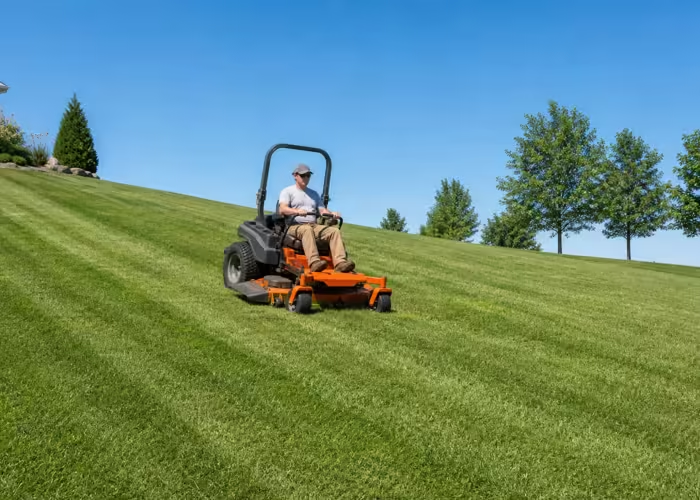
Operate the mower only in good weather and daylight. Wet, icy, or poorly lit conditions increase the risk of slips and loss of control. If you must mow on a slope, move up and down rather than across to reduce the chance of tipping. For example, when mowing a hillside, drive straight up and down, not side to side. This approach uses the mower’s stability features to your advantage.
After each session, perform a quick safety check. Turn off the engine, remove the key, and wait for all moving parts to stop before inspecting or cleaning the mower. Use gloves when handling blades or clearing the deck. For example, if you need to remove tangled grass from the blade shaft, always disconnect the spark plug or battery first. This step eliminates the risk of accidental starts.
Tip: Keep a first aid kit and fire extinguisher nearby in your garage or shed. Quick access to emergency supplies adds an extra layer of protection.
By following these safety reminders, you protect yourself, your family, and your equipment. Consistent attention to safety ensures every mowing session with the QL-R1000 is productive and incident-free.
You achieve the best results when you adapt your mowing routine to each season with the QL-R1000. Use the Lawn Mower’s advanced features to match your lawn’s needs, whether you adjust cutting height in spring or manage leaf debris in fall. Follow the seasonal checklists to keep your equipment in top shape. Stay proactive with maintenance and make adjustments as conditions change.
Start your seasonal lawn care routine today for a greener, healthier yard all year.
FAQ
How often should you mow your lawn with the QL-R1000 during each season?
You should mow weekly in spring and early fall. In summer, mow every 4–7 days, adjusting for heat and rainfall. In late fall, reduce to every two weeks. For example, after heavy rain, increase mowing frequency to prevent overgrowth.
What is the best cutting height for different grass types?
Set the deck to 2.5–3 inches for cool-season grass in spring and summer. Use 2–2.5 inches for warm-season grass. In fall, lower the height by half an inch. For example, raise the deck for thin lawns and lower it for dense, established turf.
How do you switch between mowing and shredding modes on the QL-R1000?
Use the control panel to select the desired mode. For example, choose shredding mode when mulching leaves in fall. Switch back to mowing mode for regular grass cutting. Always stop the mower and check the manual before changing modes.
What maintenance steps should you perform before winter storage?
Clean the mower deck, sharpen or replace blades, and lubricate moving parts. Drain fuel or add stabilizer. Store the mower in a dry place. For example, wipe down the exterior and elevate the tires to prevent flat spots.
How do you handle uneven terrain with the QL-R1000?
Activate the floating adjustment system. This feature keeps the deck level on slopes or bumpy ground. For example, when mowing a hilly yard, the system prevents scalping and ensures an even cut across all areas.
What should you do if the mower leaves uncut patches?
Check for dull blades or debris under the deck. Sharpen or replace blades as needed. Clear any clogs. For example, after mowing wet grass, inspect the deck and remove stuck clippings to restore cutting performance.
How can you maximize mowing efficiency with the QL-R1000?
Plan your mowing route before starting. Mow the perimeter first, then work in straight lines. Use the intelligent monitoring system to track mower status. For example, mow in the morning to avoid heat and reduce engine strain.
What safety steps should you follow before each mowing session?
Inspect the area for rocks, sticks, or toys. Wear closed-toe shoes and safety glasses. Test the safety interlock system. For example, walk the lawn and remove obstacles before starting the engine to prevent accidents.