Welcome to Shandong Qilu Industrial Co., Ltd

 English
 Arabic
 Bulgarian
 Bengali
 Czech
 Danish
 German
 Greek
 Spanish
 Finnish
 French
 Hindi
 Croatian
 Hungarian
 Indonesian
 Italian
 Japanese
 Korean
 Lithuanian
 Dutch
 Norwegian
 Polish
 Portuguese
 Romanian
 Russian
 Slovak
 Slovenian
 Swedish
 Thai
 Turkish
 Ukrainian
 Vietnamese
 Tagalog
 Malay
 Estonian
 Catalan
 Latvian
 Urdu
 Serbian
 Persian
 Swahili
 Albanian
 Armenian
 Icelandic
 Bosnian
 Luxembourgish
 Afrikaans
English Arabic
Bulgarian
Bengali
Czech
Danish
German
Greek
Spanish
Finnish
French
Hindi
Croatian
Hungarian
Indonesian
Italian
Japanese
Korean
Lithuanian
Dutch
Norwegian
Polish
Portuguese
Romanian
Russian
Slovak
Slovenian
Swedish
Thai
Turkish
Ukrainian
Vietnamese
Tagalog
Malay
Estonian
Catalan
Latvian
Urdu
Serbian
Persian
Swahili
Albanian
Armenian
Icelandic
Bosnian
Luxembourgish
Afrikaans

How to Choose the Right Excavation Company for Your Project
When you start searching for the right excavation company, you want to feel confident in your choice. You should look for several important factors that industry experts recommend, such as strong experience, advanced equipment, reliable safety protocols, clear project timelines, cost transparency, environmental awareness, and open communication. Careful preparation and asking the right questions help you avoid costly mistakes and ensure your project runs smoothly. Use these factors as your checklist when you begin your selection process.
- Experience and expertise
- Equipment and technology
- Safety protocols
- Project timeline
- Cost and budget transparency
- Environmental considerations
- Communication and collaboration
Key Takeaways
- Identify your project type and goals before contacting an excavation company. This clarity helps in effective communication.
- Assess site conditions, including soil type and terrain, to determine the best excavation approach and avoid unexpected challenges.
- Verify the excavation company’s credentials, including licenses and insurance, to ensure compliance with legal and safety standards.
- Inspect the company’s equipment and technology. Modern machinery can enhance efficiency and safety during your project.
- Research the company’s reputation through reviews and past client testimonials. A strong reputation indicates reliability and quality service.
- Request detailed estimates and understand payment terms. Clear contracts protect your investment and help avoid surprises.
- Prioritize communication and transparency throughout the project. Regular updates and open dialogue reduce misunderstandings and keep the project on track.
- Choose a local excavation company for their knowledge of regional conditions. Local expertise can lead to better project outcomes and faster response times.
Define Your Project Scope
Identify Project Type and Goals
Before you contact an excavation company, you need to clarify your project type and main objectives. Excavation projects vary widely, and each type comes with specific requirements. The table below highlights common excavation types and what you should consider for each:
| Excavation Type | Description | Specific Requirements |
|---|---|---|
| Foundation excavation | Creates depressions for building foundations and structures. | Exact dimensions, proper drainage to prevent water flow issues. |
| Utility excavation | Trenches for utility lines like water and electricity. | Coordination with existing lines, multiple contractors. |
| Roadway excavation | Removes soil for highway construction, ensures proper grading. | Compaction and material specs for drainage support. |
| Rock excavation | Removes bedrock using heavy machinery or blasting. | Specialized equipment, strict safety protocols. |
| Dredging operations | Removes sediments from waterways. | Environmental permits, handling contaminated soil. |
| Environmental excavation | Removes contaminated soil from industrial sites. | Specialized handling, testing, disposal methods. |
| Landscaping projects | Prepares garden beds, installs irrigation systems. | Soil preparation, not structural support. |
Tip: Clearly define your goals. Are you preparing a site for a new home, installing utilities, or improving drainage? Your objectives will guide your planning and help you communicate effectively with the excavation company.
Assess Site Conditions and Challenges
Site conditions play a major role in excavation planning. Soil type, terrain, and existing structures all affect the strategies and equipment needed. Sandy soil is easy to dig but can collapse without proper shoring. Clay is dense and sticky, making excavation slow and sometimes unstable. Silty soil retains moisture, which can complicate digging and require drainage solutions. Gravelly and loamy soils each present unique challenges. You should request soil testing before work begins to identify risks and select the right approach.
Note: Terrain features such as slopes, trees, and underground utilities can create obstacles. Address these early to avoid delays and extra costs.
Determine Timeline and Budget
Set a realistic timeline and budget for your project. Consider factors like weather, permit approvals, and the complexity of the site. For example, a foundation excavation for a residential home might take two weeks and cost $10,000, while a utility trench in a busy urban area could require coordination with multiple contractors and cost much more.
Case Study Example:
A homeowner planned a foundation excavation for a new garage. The site had clay soil, which required extra drainage solutions. The project scope included a 20×30-foot foundation, soil testing, and coordination with local authorities for permits. The timeline was three weeks, with a budget of $12,000. The homeowner used a checklist to confirm soil type, drainage needs, and permit status before hiring an excavation company. This preparation helped avoid delays and ensured the project stayed within budget.
For more guidance on project planning, you can review resources from the American Society of Civil Engineers or follow @ConstructionDive on Twitter for industry updates.
Checklist:
- Define project type and goals
- Assess soil and terrain
- Identify obstacles
- Set timeline and budget
- Gather permits and approvals
Careful preparation at this stage sets the foundation for a successful excavation project.
Check Excavation Company Credentials
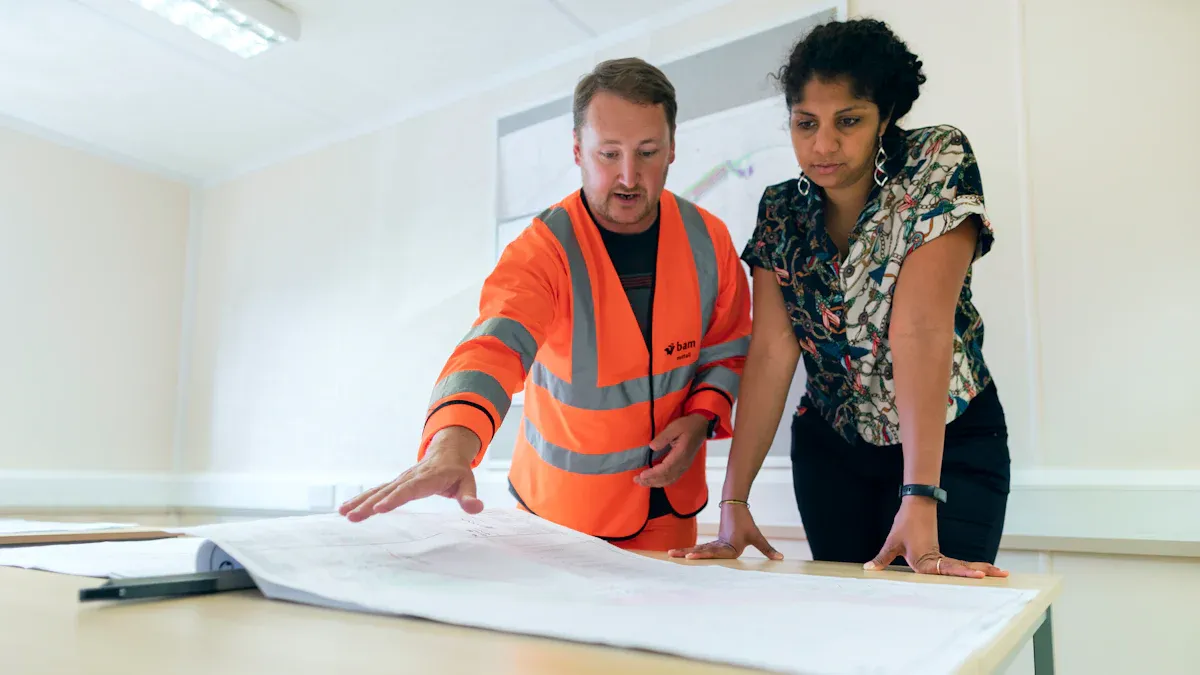
Choosing an excavation company with the right credentials protects your investment and ensures your project meets legal and safety standards. You should always confirm that the company holds valid licenses, carries proper insurance, and has proven experience in the industry.
Verify Licensing and Certifications
Licensing and certifications show that an excavation company follows the law and meets industry standards. When you review a company’s credentials, look for the following:
- Commercial Driver’s License (CDL) for transporting heavy equipment
- Heavy Equipment Operator Certification to prove skill with machinery
- Safety Certifications for compliance with OSHA regulations
You can check these credentials by visiting your state’s contractor licensing board or local government website. For example, Contractor License Lookup provides a searchable database for many regions. Always ask for copies of licenses and certifications before signing a contract.
Tip: A company with up-to-date certifications shows commitment to safety and professionalism.
Review Insurance Coverage
Insurance protects you from unexpected costs and accidents. Reputable excavation companies carry several types of insurance. The table below outlines common insurance policies and their coverage amounts:
| Insurance Type | Purpose | Coverage Amounts |
|---|---|---|
| Workers’ Compensation Insurance | Covers medical bills and lost wages for injured workers. | $100,000 to $500,000 per accident |
| General Liability Insurance | Covers property damage and bodily injury claims. | $1 million per occurrence, $2 million aggregate |
| Commercial Auto Insurance | Covers liability and repairs for business vehicles. | $1 million combined single limit |
| Inland Marine/Equipment Insurance | Covers theft and damage to equipment. | $250,000 to $2 million |
| Commercial Umbrella Insurance | Provides additional coverage above primary policies. | At least $2 million |
| Builder’s Risk Insurance | Covers work in progress against weather and theft. | $500,000 to $5 million |
| Professional Liability Insurance | Covers claims from site preparation errors. | $1 million per claim |
You should request proof of insurance and verify coverage with the provider. Many states offer online insurance verification tools, such as State Insurance Department Resources.
Note: Without proper insurance, you may be responsible for damages or injuries that occur on your property.
Assess Industry Experience
Experience matters when selecting an excavation company. Companies with a long history in the field understand local regulations, soil conditions, and common challenges. You should look for companies that have completed projects similar to yours.
Follow these steps to verify a company’s experience and credentials:
- Research the contractor’s name, license number, and business name.
- Check for valid licenses and insurance coverage.
- Review compliance documents to ensure adherence to standards.
- Verify the contractor’s professional history through customer reviews and references.
- Confirm the contractor’s financial stability to ensure project completion.
Case Study:
A property owner needed excavation for a new commercial building. The owner checked the company’s licensing and insurance using state databases. The owner also reviewed past project portfolios and contacted previous clients. During construction, an equipment accident occurred. Because the company had proper insurance, the owner avoided costly legal issues and delays. The project finished on time and within budget.
Tip: Always ask for references and review completed projects. Experienced companies often provide detailed portfolios and client testimonials.
Credential verification helps you avoid risks and ensures your project runs smoothly. Use online resources and checklists to confirm that your chosen excavation company meets all legal and industry standards.
Evaluate Equipment and Capabilities
Inspect Machinery and Technology
When you evaluate an excavation company, you should start by inspecting the machinery and technology they use. Modern excavation equipment offers several advantages that can improve your project’s efficiency and safety. Machines with telematics systems provide real-time data, which helps operators make informed decisions and minimize downtime. Hydraulic systems with variable flow pumps deliver more power and precision, allowing for better control during digging and lifting tasks. Smart technologies, such as precision digging systems, reduce waste and help keep your project on schedule.
- Telematics systems give you access to performance data and maintenance alerts.
- Variable flow pumps in hydraulics maximize power for different tasks.
- Smart construction equipment increases productivity and accuracy.
- Versatile machines can dig, lift, and move earth, adapting to changing project needs.
- Built-in safety features protect operators and workers.
Tip: Ask the company if their equipment includes telematics or smart technology. These features can save you time and money.
Confirm Project Capacity
You should confirm that the excavation company has the capacity to handle your project size and complexity. Companies that work on major infrastructure projects often use midsize excavators, which can manage foundation work and earthmoving for bridges, dams, and tunnels. The right equipment ensures that your project stays on track and meets deadlines.
| Project Type | Equipment Type | Description |
|---|---|---|
| Major Infrastructure Projects | Midsize Excavators | Assist with excavation, foundation work, and earthmoving for large projects. |
| Residential Foundations | Mini Excavators | Ideal for tight spaces and smaller-scale digging tasks. |
| Utility Trenching | Trenchers | Create narrow, deep trenches for utility lines. |
| Landscaping | Skid Steer Loaders | Move soil, gravel, and debris efficiently in confined areas. |
Real-World Example:
A contractor selected a company with advanced telematics-equipped excavators for a city park renovation. The real-time data allowed the team to monitor fuel usage and machine hours, reducing idle time by 15%. The project finished ahead of schedule, saving the city $8,000 in labor costs.
Review Safety Standards
Safety should be a top priority when you choose an excavation company. Regulatory agencies require strict safety standards to protect workers and the public. You should look for companies that enforce the use of personal protective equipment (PPE), such as hard hats, eye and ear protection, and high-visibility clothing. Regular equipment maintenance and inspection prevent accidents. Clear communication channels and a buddy system keep workers safe in trenches and excavations.
- Use PPE at all times.
- Maintain and inspect equipment regularly.
- Establish clear communication on site.
- Implement a buddy system for trench safety.
- Apply sloping, shoring, and shielding to prevent cave-ins.
- Conduct safety audits and inspections.
- Foster responsibility and accountability among workers.
- Report and investigate incidents promptly.
- Use advanced technology to reduce exposure to hazards.
- Review OSHA’s excavation safety resources for updates.
| Equipment Type | Safety Record (Incidents per 1000 hours) |
|---|---|
| Midsize Excavators | 0.8 |
| Mini Excavators | 0.5 |
| Trenchers | 1.2 |
| Skid Steer Loaders | 0.6 |
Note: Companies with lower incident rates and strong safety protocols demonstrate a commitment to worker safety and project reliability.
For more details on equipment standards and safety regulations, visit OSHA’s Excavation Safety page or review guidelines from the National Institute for Occupational Safety and Health.
Research Reputation and References
Choosing an excavation company with a strong reputation gives you confidence in your project’s outcome. You can use several strategies to evaluate a company’s reliability and professionalism.
Read Reviews and Testimonials
Online reviews and testimonials help you understand how an excavation company performs in real-world situations. Reliable sources for unbiased reviews include:
- Articles or videos that compare local companies and discuss their strengths.
- Review platforms such as Google Reviews, Yelp, and Better Business Bureau.
- Social media groups or forums where homeowners share experiences.
Look for honest feedback that highlights both positive and negative aspects. Transparent reviews build trust and help you spot patterns in customer satisfaction. You should focus on factual information, such as location, project type, and main services.
| Platform | Average Score | Number of Reviews | Common Feedback |
|---|---|---|---|
| Google Reviews | 4.6/5 | 120 | Timely completion |
| Yelp | 4.3/5 | 85 | Good communication |
| BBB | A | 15 | Reliable service |
Tip: Read several reviews to get a balanced view. One negative comment does not always mean poor service.
Request Project Portfolio
A project portfolio shows you the excavation company’s expertise and reliability. You should ask for a portfolio that includes photos, project descriptions, and outcomes. A well-organized portfolio acts as a sales tool, demonstrating the company’s capabilities and range of completed work. The hero section of a portfolio establishes authority and credibility, while the project grid narrates the company’s experience.
- Visual proof of successful projects builds trust.
- Portfolios highlight the company’s ability to handle different types of excavation.
- You can see how the company solved challenges and delivered results.
Note: Reviewing a portfolio before you meet with the company helps you prepare questions and compare their work to your needs.
Contact Past Clients
Speaking with past clients gives you direct insight into the company’s performance. When you contact references, ask questions such as:
- What was the scope and size of your project?
- Were you satisfied with the work and quality?
- Did the company finish on time?
- Did they communicate regularly?
- Was management present on site?
- Were there any problems, and how were they handled?
- Was the site kept tidy and safe?
- Did you experience extra costs?
- Did neighbors have complaints?
- What advice would you give someone hiring this company?
| Reference Feedback | Positive (%) | Neutral (%) | Negative (%) |
|---|---|---|---|
| Timely Completion | 90 | 7 | 3 |
| Communication | 85 | 10 | 5 |
| Site Safety | 92 | 5 | 3 |
| Cost Transparency | 88 | 8 | 4 |
Case Study:
A homeowner needed excavation for a basement addition. They read reviews on multiple platforms and requested a portfolio from each company. After contacting three past clients, they learned that one company consistently finished projects on time and communicated well. The homeowner chose this company, and the project finished ahead of schedule with no unexpected costs.
You can use review platforms and social media to gather feedback and make an informed decision.
Compare Costs and Contracts
When you compare excavation companies, you need to look beyond the initial price. A detailed estimate and a clear contract protect your investment and help you avoid surprises. Understanding how companies structure their costs and agreements gives you the confidence to make the right choice.
Get Detailed Estimates
A thorough estimate breaks down every part of the job. You should expect the company to:
- Assess your site, including any existing structures or underground utilities.
- Review your project plans and define the scope of work.
- Calculate the amount of earth to move, based on depth and soil type.
- Estimate costs for materials, labor, and equipment.
- Consider factors like soil composition and how easy it is to access your site.
Excavation costs can vary widely. Here is a quick overview:
- Residential excavation projects usually cost between $1,500 and $10,000, depending on size and complexity.
- Commercial excavation can exceed $50,000, especially for large or regulated projects.
- The cost per cubic yard often ranges from $50 to $200, depending on your region and project needs.
Tip: Always ask for a written estimate that lists each service and cost. This helps you compare companies fairly.
Review Payment Terms
Payment terms can differ based on project size. You should know how much you need to pay upfront and when the rest is due. Here is a summary of standard payment schedules:
| Project Size | Upfront Payment Percentage | Payment Schedule |
|---|---|---|
| Small Projects | 10% – 50% | Final payment upon project completion |
| Medium Projects | 20% upfront, then staged | Payments at intervals based on progress |
| Large Projects | 10% upfront | Progress payments at project milestones |
Note: Never pay the full amount before work begins. Staged payments protect you and motivate the company to stay on schedule.
Understand Contract Details
A strong contract spells out your rights and responsibilities. Before you sign, review these key clauses:
| Clause Type | Description |
|---|---|
| Indemnification | Explains who is responsible for damages or legal claims. |
| Scope of Work | Lists exactly what the company will do. |
| Warranty | Describes the guarantee on workmanship, often for one year. |
| Payment Terms | Details when and how you pay, and what paperwork is required. |
| Schedule of Values | Breaks down costs for each phase of the project. |
| Liquidated Damages | Sets penalties if the project runs late. |
| Damages Waiver(s) | States if you can claim extra costs for delays or other issues. |
| Pay If Paid/Pay When Paid | Explains when the company gets paid, especially if you use a general contractor. |
| Financial Wherewithal of Owner | Allows the company to check your ability to pay. |
| Schedule | Outlines the project timeline and what happens if there are delays. |
| RFI Process | Explains how questions and changes are handled. |
| Construction Change Directives | Describes how changes to the project are priced and approved. |
| Differing Site Conditions | Covers what happens if the company finds unexpected problems underground. |
Alert: If you do not understand a contract clause, ask for clarification or consult a construction law resource such as NOLO’s Construction Contracts Guide.
Example: Comparing Estimates and Contracts
Suppose you request estimates from three companies for a residential excavation. Here is how their offers might compare:
| Company | Total Estimate | Upfront Payment | Payment Schedule | Notable Contract Clauses |
|---|---|---|---|---|
| Company A | $7,500 | 20% | 40% at midpoint, rest at completion | One-year warranty, clear scope, liquidated damages |
| Company B | $8,200 | 10% | Progress payments at milestones | Indemnification, schedule of values, change directives |
| Company C | $6,900 | 50% | Final payment at completion | Limited warranty, vague scope, no damages waiver |
You should look for clear payment schedules, detailed scopes of work, and strong warranties. A lower price may come with higher risk if the contract is unclear or lacks protections.
Tip: Use resources like the National Association of Home Builders Cost Estimator to check if your estimates are reasonable for your area.
Careful comparison of costs and contracts helps you choose a company that offers both value and security.
Prioritize Communication and Transparency
Clear communication and transparency shape the success of every excavation project. You need to know how your excavation company will keep you informed, address challenges, and maintain trust throughout the process. When you prioritize these qualities, you reduce misunderstandings, avoid costly delays, and ensure your project stays on track.
Assess Responsiveness
Responsiveness measures how quickly and effectively a company answers your questions and addresses your concerns. You should expect prompt replies to emails, calls, and messages. Responsive companies schedule regular meetings before excavation begins and hold jobsite briefings to clarify daily goals. They use both verbal and written communication to keep everyone informed. Electronic updates, such as locate requests through regional One Call centers, help coordinate utility marking and safety.
Common communication challenges can disrupt your project. The table below highlights issues clients often report:
| Communication Challenge | Description |
|---|---|
| Poor Internal-Committee Communications | Misunderstandings and delays occur when responsibilities are unclear. |
| Not Having Clear Paths for Delivering Information | Confusion arises when no one knows who should share updates. |
| Failure to Establish a Committee Structure | Strategies and roles remain undefined, leading to project setbacks. |
| Lack of Communication With Field Workers | Missed updates cause confusion and inefficiencies on the jobsite. |
| Not Keeping Documentation | Progress tracking and accountability suffer without proper records. |
Tip: Ask the company how they handle urgent questions and who your main contact will be. Quick, clear responses show respect for your time and investment.
Ensure Transparent Updates
Transparency means you receive honest, regular updates about your project’s progress, budget, and any risks. You should expect the excavation company to provide information in several ways:
- Executive summaries that outline progress, achievements, and key metrics.
- Visual progress reports with photos, annotated drawings, or time-lapse videos.
- Schedule and milestone status using tables or charts to show tasks on track or at risk.
- Budget and cost tracking with clear explanations of any variances.
- Risk and issue logs listing current challenges and solutions.
- Next steps and action items with assigned owners and deadlines.
You can request written reports, attend scheduled meetings, or review digital dashboards. Non-verbal communication, such as site markings with white paint, also keeps you informed about dig locations and safety zones.
Checklist: Communication Best Practices
- Schedule regular progress meetings.
- Share executive summaries and visual updates.
- Track milestones and budget status.
- Document risks and solutions.
- Assign clear action items.
- Maintain open lines for urgent questions.
- Keep all documentation organized and accessible.
Note: Consistent updates help you spot problems early and make informed decisions.
Discuss Problem-Solving Approach
Unexpected issues can arise during excavation, such as hidden utilities, soil instability, or weather delays. You need to know how your excavation company will respond. Effective companies use their expertise and teamwork to solve problems quickly. They coordinate with contractors, adjust plans, and manage budgets to maintain quality and deadlines.
A strong problem-solving approach includes:
- Conducting thorough pre-installation assessments to identify obstacles.
- Creating contingency plans for different scenarios.
- Equipping teams with clear courses of action to minimize downtime.
Proper planning and a proactive mindset help companies manage surprises and keep your project moving forward.
Case Study: The Impact of Communication on Project Outcomes
A homeowner hired an excavation company for a basement addition. The company scheduled weekly progress meetings and sent visual updates with annotated photos. When the team discovered unexpected underground pipes, they immediately informed the homeowner and presented alternative solutions. The company documented each step and assigned clear action items. Because of transparent communication and a proactive problem-solving approach, the project finished on time and within budget.
Open communication and transparency build trust and lead to better project results.
For more guidance on project management communication, you can explore resources such as Project Management Institute’s Communication Guidelines or review Construction Project Communication Best Practices.
Consider Local Knowledge and Service Quality
Evaluate Local Experience
When you choose an excavation company, local experience can make a big difference in your project’s success. Companies with deep roots in your area understand the unique soil, weather, and regulatory conditions. This knowledge helps them handle challenges that outsiders might miss.
- Local companies know the region’s geography and environment, so they can manage complex site conditions.
- They offer solutions tailored to your area’s needs, which leads to better project outcomes.
- Proximity means faster response times and easier communication, especially when you face tight deadlines.
- Local contractors often have strong community ties, so they care about their reputation and your satisfaction.
- Supporting local businesses helps your community by creating jobs and keeping money in the local economy.
- You often receive more personalized service, which increases your satisfaction.
Local expertise also improves efficiency and safety. Contractors source materials nearby, which saves time and reduces costs. They understand local regulations, so they can manage permits and inspections smoothly. Their knowledge of local logistics helps them plan safer routes for equipment and materials.
Tip: Ask if the company belongs to local industry groups, such as your state’s construction association or community business council. These memberships show commitment to quality and local standards. You can find local resources through platforms like your regional Home Builders Association.

Example:
A homeowner needed excavation for a new driveway on a steep hillside. The local contractor recognized the risk of soil erosion during heavy rain, a common issue in the area. They recommended a drainage system and used erosion-control mats, preventing washouts. The project finished on time, and the homeowner avoided costly repairs.
Local vs. Non-Local Service Outcomes
| Factor | Local Company Advantage | Non-Local Company Limitation |
|---|---|---|
| Response Time | Fast, on-site within hours | Delays due to travel |
| Regulation Compliance | Knows local codes and permits | May overlook local requirements |
| Material Sourcing | Uses nearby suppliers | Higher transport costs |
| Community Accountability | Strong, reputation matters | Less invested in local outcomes |
| Problem-Solving | Anticipates regional issues | May lack local insight |
Focus on Quality Over Price
You might feel tempted to choose the lowest bid, but quality should guide your decision. High-quality service reduces the risk of errors, delays, and extra costs. Skilled local contractors bring advanced equipment and trained operators, which ensures safe and precise work. They also protect your property and follow safety standards, reducing your liability.
Service quality in excavation projects often relies on these metrics:
| Metric | Description |
|---|---|
| Rework Rate | Percentage of work that needs correction due to mistakes |
| Defect Frequency | Number of quality issues found during inspections |
| Inspection Pass Rate | Ratio of passed inspections to total inspections |
| Client Satisfaction Score | How well the project met your expectations |
To balance quality and price, define your project scope clearly. Use modern technology to improve accuracy and reduce waste. Choose cost-effective materials, such as recycled fill, when possible. Keep communication open with your contractor to avoid misunderstandings. Schedule work during good weather to prevent delays. Most importantly, work with experienced professionals who know how to avoid costly pitfalls.
Note: Quality work may cost more upfront, but it saves you money and stress in the long run.
For more tips on finding reputable local contractors, visit your state construction licensing board or join discussions on community forums like Houzz.
You can choose the right excavation company by preparing carefully and researching each option. Thorough research helps you define your project scope, plan for challenges, and comply with regulations. Use this checklist to guide your decision:
- Experience and expertise
- Licensing and certifications
- Equipment and technology
- Project portfolio and past work
- Client reviews and reputation
Transparent communication builds trust and helps you solve problems quickly. Open updates keep everyone informed and allow for better decisions. When you prioritize quality and transparency, your project runs smoothly and meets your goals.
FAQ
What licenses should an excavation company have?
You should check for a contractor’s license, heavy equipment operator certification, and local permits. These credentials prove the company meets legal and safety standards. Ask for copies before work begins.
How can I verify an excavation company’s insurance?
Request a certificate of insurance directly from the company. Contact the insurance provider to confirm coverage. Look for general liability, workers’ compensation, and equipment insurance.
What factors affect excavation costs?
Project size, soil type, site access, and equipment needs all impact cost. The table below shows typical price ranges:
| Project Type | Average Cost Range |
|---|---|
| Residential | $1,500 – $10,000 |
| Commercial | $10,000 – $50,000+ |
| Utility Trenching | $2,000 – $20,000 |
How do I know if a company follows safety standards?
Ask about safety certifications, PPE use, and recent safety audits. Companies with low incident rates and regular training show strong safety commitment.
Tip: Request the company’s safety record and OSHA compliance documents.
Why is local experience important?
Local companies understand regional soil, weather, and regulations. They respond quickly to issues and often have better relationships with local suppliers and inspectors.
What should I look for in a contract?
Check for a clear scope of work, payment schedule, warranty, and clauses for delays or unexpected site conditions. Review each section and ask questions if anything is unclear.
How can I compare excavation companies fairly?
Gather written estimates from several companies. Compare experience, equipment, safety records, and contract details. Use a checklist to track each factor.
How long does a typical excavation project take?
Most residential projects take one to three weeks. Commercial jobs may last several months. Timeline depends on weather, permits, and site complexity.