Email: [email protected] Whatsapp: +8618266768780

Email: [email protected] Whatsapp: +8618266768780


You can boost your business quickly by leveraging mini Excavator wholesale. You gain immediate cost savings and bulk discounts, giving you an edge in a competitive market.
You can transform your business by tapping into mini Excavator wholesale. This approach involves purchasing compact excavators in bulk directly from manufacturers or authorized distributors. You gain access to a wide selection of models designed for digging, trenching, grading, and material handling. Mini Excavator wholesale allows you to secure equipment that meets industry standards and compliance certifications, ensuring your fleet is ready for immediate deployment. By choosing wholesale, you streamline procurement, reduce costs, and position your business for rapid growth.
Mini Excavator wholesale offers several advantages that set your business apart. You benefit from lower unit costs, bulk discounts, and flexible inventory management. This purchasing strategy enables you to respond quickly to market demands and project requirements. You can select machines tailored to construction, landscaping, or utility projects, giving you a competitive edge. Wholesale deals often include after-sales support and access to spare parts, which help you maintain operational efficiency. You also enhance your profit margins by leveraging wholesale pricing and reducing overhead expenses.
Tip: When you buy mini excavators wholesale, you can negotiate better terms and secure priority shipping, which keeps your projects on schedule.
The demand for mini excavators continues to rise across global markets. Urbanization and infrastructure development drive the need for compact and versatile equipment. Construction companies increasingly prefer renting mini excavators to minimize capital expenditure and maintenance costs. The agriculture sector also sees growing adoption due to population growth and the need for efficient land management.
| Trend | Description |
|---|---|
| Urbanization | The expansion of urban areas increases the demand for construction and infrastructure development. |
| Infrastructure Development | Government initiatives to enhance infrastructure lead to a surge in demand for construction equipment. |
| Shift to Rental Services | Construction companies prefer renting equipment to reduce capital expenditure and maintenance costs. |
You see mini excavators dominating the compact equipment market. In 2023, mini excavators held over 35% of the market share, reflecting their unmatched versatility and efficiency. The <3T segment is expected to account for 60% of the mini excavator rental market by 2025, showing strong demand for compact models. Construction applications are projected to represent 55% of rental demand, while short-term projects will make up 70% of the market. The rental market is forecasted to grow from $5.1 billion in 2025 to $7.5 billion by 2035, at a CAGR of 3.9%.
Mini Excavator wholesale positions your business to capitalize on these trends, helping you meet rising demand and expand your market reach.
You can achieve significant cost reductions when you choose mini Excavator wholesale over traditional purchasing. Bulk buying gives you access to volume discounts and reduces administrative overhead. This approach streamlines your procurement process and lowers your upfront investment. You also benefit from bundled services, such as free shipping and operator training, which further reduce your total cost of ownership.
Here is a comparison of bulk purchasing and traditional methods:
| Aspect | Bulk Purchasing Benefits | Traditional Purchasing Drawbacks |
|---|---|---|
| Cost Savings | Volume discounts and reduced administrative overhead | Higher upfront costs |
| Operational Efficiency | Streamlined logistics and centralized maintenance planning | Increased complexity in procurement |
| Total Cost of Ownership (TCO) | Emphasis on maintenance, fuel efficiency, and resale value | Often focuses solely on upfront costs |
| Additional Services | Potential for bundled services like free shipping and training | Limited negotiation on services |
You can see these savings in real-world scenarios. For example:
Tip: Bulk purchasing not only lowers your costs but also gives you leverage to negotiate better terms with suppliers.
You gain flexibility in managing your equipment inventory when you source through mini Excavator wholesale. Immediate access to a variety of new and used excavators reduces lead times and helps you keep projects on schedule. You can select from a broad range of models, ensuring you always have the right machine for each job.
Key advantages include:
This flexibility keeps your business agile and responsive to changing market demands.
You can offer more competitive pricing to your customers when you purchase mini excavators at wholesale rates. Lower equipment costs allow you to adjust your pricing strategies and attract new business clients. Many retailers increase their market share by responding quickly to wholesale club entry and adopting dynamic pricing models.
| Findings | Implications |
|---|---|
| Retailers adjust pricing strategies in response to wholesale club entry | Increased market share for incumbents through competitive pricing |
| Adoption of Hi-Lo pricing strategy | Enhanced market positioning and customer retention |
Competitive pricing helps you:
Note: Consistent, competitive pricing can help you retain customers and grow your business over time.
You can maximize your profit margins by leveraging mini excavator wholesale. Lower acquisition costs and bulk discounts allow you to set competitive prices while maintaining healthy margins. You also gain the flexibility to adjust your pricing strategy based on market demand and project requirements.
Tip: Regularly review your cost structure and market rates. This practice helps you identify opportunities to increase your margins without sacrificing customer satisfaction.
Consider a mid-sized construction company that shifted from traditional equipment purchasing to wholesale procurement. The company acquired ten mini excavators at a wholesale rate, reducing the unit cost by 18%. The management then offered rental services to local contractors, increasing equipment utilization and revenue.
| Metric | Before Wholesale | After Wholesale | Improvement (%) |
|---|---|---|---|
| Unit Cost (per excavator) | $32,000 | $26,200 | -18% |
| Average Monthly Rental Income | $3,500 | $4,200 | +20% |
| Maintenance Cost (annual) | $2,800 | $2,100 | -25% |
| Net Profit Margin | 12% | 19% | +58% |
You see that wholesale purchasing not only lowers your initial investment but also boosts your recurring income. The company improved its net profit margin by 58% within the first year. This result demonstrates the direct impact of wholesale strategies on business profitability.
Note: You can find more industry insights on Construction Equipment Guide and follow updates on LinkedIn for market trends.
By adopting these strategies, you position your business for sustainable growth and higher profitability. Wholesale purchasing gives you the leverage to outperform competitors and respond quickly to new opportunities.
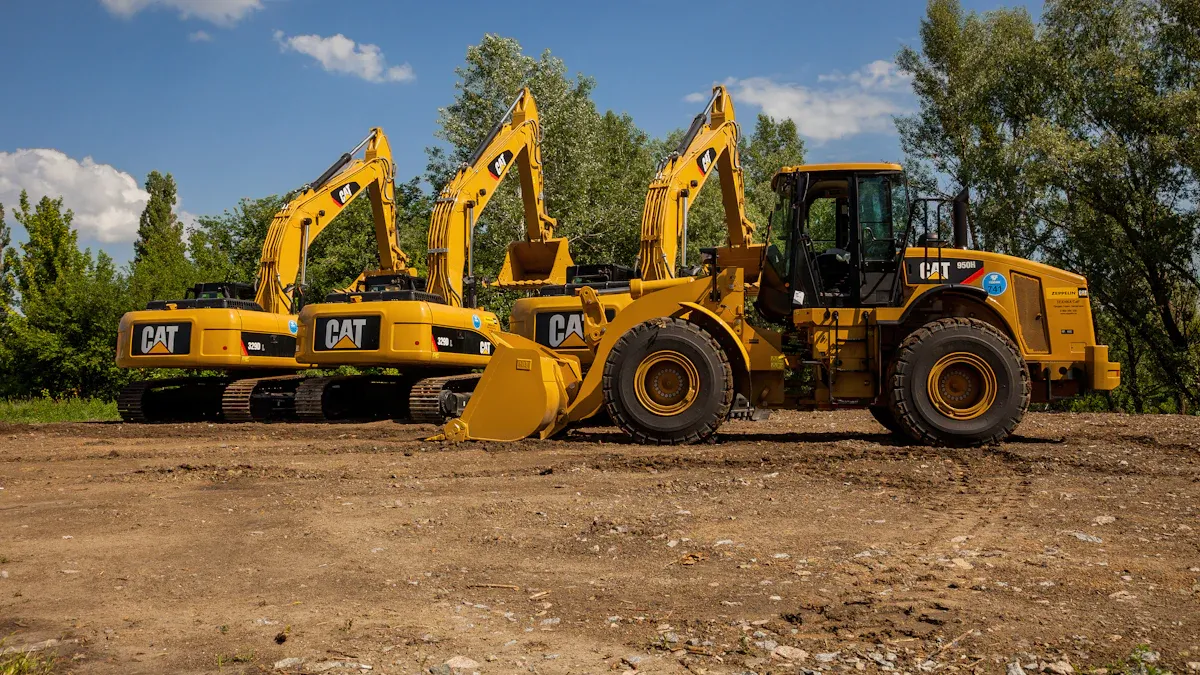
You need to identify trustworthy suppliers to succeed with mini Excavator wholesale. Reliable partners help you maintain quality, meet deadlines, and protect your investment. Consider these criteria when evaluating suppliers:
Tip: Use platforms like Alibaba and Made-in-China to compare suppliers and read verified reviews. You can also check industry forums on LinkedIn for supplier recommendations.
China and India dominate the global mini excavator market. You gain access to cost-effective options and a wide range of models when sourcing from these countries. However, you must weigh the advantages against potential challenges.
| Advantages | Challenges |
|---|---|
| Cost efficiency | Supply chain volatility |
| Wide range of options | Trade policy uncertainty |
| Potential for bulk purchase discounts | After-sales support issues |
You benefit from lower prices and bulk discounts, which improve your profit margins. The variety of models allows you to match equipment to specific project needs. However, you may face supply chain disruptions and changing trade policies. After-sales support can be inconsistent, so you should clarify warranty and service terms before finalizing deals.
A regional rental company sourced 20 mini excavators from India and China. The company reduced its average unit cost by 22% compared to domestic purchases. Delivery times averaged 35 days, and the company negotiated a two-year warranty with local service partners. The company increased its rental fleet utilization by 18% and expanded into new markets.
Note: You can find market data and sourcing tips on Construction Equipment Guide and join discussions on LinkedIn.
Certifications play a critical role in mini Excavator wholesale. You must ensure every machine meets regulatory standards for safety, emissions, and performance.
You should request certification documents and verify them with regulatory bodies. Non-compliant equipment can lead to fines, project delays, and reputational damage.
Alert: Always confirm certifications before shipping. You can check EPA compliance at EPA.gov and verify CE marking through the European Commission.
By following these sourcing strategies, you position your business for growth and minimize risks. You gain access to quality equipment, competitive pricing, and reliable support through careful supplier selection and certification verification.
You need to plan your shipping and assembly process carefully when sourcing mini excavators wholesale. Efficient logistics protect your investment and keep your projects on schedule. You can choose from several shipping methods, each with its own advantages and considerations.
Tip: Always confirm the Incoterms (such as FOB, CIF, or DDP) with your supplier. These terms define who pays for shipping, insurance, and customs clearance.
You can receive mini excavators either fully assembled or in a semi-knocked-down (SKD) state. Each option impacts your costs and lead times.
| Assembly Option | Description | Pros | Cons |
|---|---|---|---|
| Fully Assembled | Machines arrive ready to use | Minimal setup, faster deployment | Higher shipping cost, larger volume |
| Semi-Knocked-Down | Parts shipped for local assembly | Lower shipping cost, easier customs | Requires skilled labor, longer setup |
You may prefer SKD shipments if you want to save on shipping fees or navigate import regulations more easily. Local assembly can also help you comply with regional content requirements.
You must prepare for customs clearance and import duties. Each country sets its own regulations and tariffs for construction equipment. Delays at customs can disrupt your project timelines.
Alert: In 2023, global shipping delays increased average transit times by 12%. You can minimize risks by choosing reliable freight forwarders and tracking your shipments in real time. For updates on global shipping trends, follow FreightWaves or join discussions on LinkedIn.
A construction rental company in North America ordered 15 mini excavators from overseas suppliers. The company chose SKD shipping to reduce freight costs by 18%. Local technicians assembled the machines within five days of arrival. By coordinating with a customs broker and scheduling assembly in advance, the company deployed the new fleet two weeks ahead of schedule. This approach helped the business secure a major contract and increase its rental revenue by 22% in the first quarter.
Note: Efficient shipping and assembly give you a competitive edge. You can deliver projects faster and reduce your total cost of ownership.
By mastering shipping and assembly options, you ensure your mini excavator wholesale strategy delivers maximum value and keeps your business moving forward.
You must ensure every mini excavator meets your standards before finalizing a wholesale deal. A structured approach helps you avoid costly mistakes and guarantees reliable performance on the job site. Follow these steps to assess product quality:
Tip: A thorough quality assessment reduces the risk of equipment failure and ensures long-term value for your investment.
You can secure better deals by using effective negotiation strategies. Focus on the total value of your order, not just the unit price. Consider these approaches:
Note: Building a strong relationship with your supplier often leads to more favorable terms and ongoing support.
Efficient inventory management is essential when dealing with bulk mini Excavator wholesale purchases. You need to balance quick delivery, customization, and support to maximize your investment. The table below highlights key advantages:
| Advantage | Description |
|---|---|
| Factory store | You can visit the manufacturing facility for free. |
| Support bulk ordering | Offers favorable prices for bulk purchases. |
| Quick delivery | Manufacturing facility has inventory for fast delivery. |
| 24-hour customer service | Customer carrier is available online 24/7. |
| ODM/OEM support | Customization options available. |
| Online quote | Get a quote easily through the website. |
Trust in your seller is crucial. Buying from a reputable dealer provides detailed service and maintenance records, which gives you peace of mind. Reliable partners help you eliminate risks associated with unknown equipment history.
Callout: Effective inventory management ensures you always have the right equipment available for your projects and reduces downtime.
By following these steps, you set a strong foundation for success in the mini Excavator wholesale market.
You need a clear strategy when preparing mini excavators for resale or service after wholesale acquisition. A well-organized setup process helps you maximize equipment value, build customer trust, and streamline your operations.
Start by sourcing machines from dealers with established physical locations. This approach gives you access to in-person support and reliable after-sales service. You should avoid relying solely on online sellers, as physical dealers often provide better transparency and accountability.
Before listing excavators for resale, request serial numbers for each unit. Cross-check these numbers with international equipment databases. This step verifies authenticity and ensures you offer genuine products to your customers. You can also ask for references from existing clients who have operated the machines for at least six months. Positive feedback from experienced users boosts your credibility and reassures potential buyers.
For bulk purchases, arrange a pre-shipment inspection by a third-party engineer. An independent assessment confirms the condition of each excavator and identifies any issues before delivery. This inspection protects your investment and reduces the risk of future disputes.
Enhance your resale offering by negotiating the inclusion of spare filters, common hoses, and basic tools with your supplier. These extras add value for your customers and simplify routine maintenance. You can present these items as part of a service package, making your equipment more attractive in a competitive market.
Regular maintenance keeps your fleet in top condition. Change engine oil and hydraulic fluid every 250 to 500 operating hours. Inspect track tension weekly and adjust as needed to prevent premature wear. Lubricate boom and arm pins daily during active use. These practices extend equipment lifespan and reduce downtime for your clients.
Tip: Document all maintenance activities and inspections. A detailed service record increases buyer confidence and supports higher resale prices.
Consider the following checklist to streamline your setup process:
| Step | Benefit |
|---|---|
| Dealer with physical site | Reliable support and service |
| Serial number verification | Authenticity and trust |
| Customer references | Proven machine performance |
| Pre-shipment inspection | Reduced risk and higher quality |
| Spare parts/tools included | Added value for buyers |
| Maintenance documentation | Increased resale price |
By following these steps, you set up your mini excavators for successful resale or service. You build a reputation for quality and reliability, which helps you grow your business and attract repeat customers.
You can accelerate your business growth by implementing proven marketing strategies for mini excavator wholesale. Successful operators focus on product innovation and customization, developing specialized models for niche markets. Strategic partnerships with rental companies and construction firms expand your distribution network and increase visibility. Enhanced market penetration through flexible rental options attracts small contractors, boosting your market share.
The following table summarizes effective marketing approaches:
| Strategy | Description |
|---|---|
| Product Innovation and Customization | Specialized models for niche markets attract diverse customer segments. |
| Strategic Partnerships and Alliances | Collaborations with rental companies and construction firms facilitate wider distribution. |
| Enhanced Market Penetration through Rentals | Flexible leasing options increase accessibility for small contractors, boosting market share. |
| Digital Marketing and Customer Engagement | Online platforms enhance brand visibility and customer loyalty. |
| Regulatory Compliance and Sustainability | Eco-friendly features appeal to environmentally conscious clients. |
You can leverage digital marketing by sharing project success stories and equipment demonstrations on platforms like LinkedIn and industry forums. Highlighting regulatory compliance and sustainability features appeals to clients focused on environmental responsibility.
Identifying and targeting profitable customer segments is essential for maximizing returns. You should analyze local and regional service areas to uncover specific opportunities. Understanding competition and customer needs helps you position your services effectively. Evaluate pricing structures to attract the right clients.
Consider these steps to refine your targeting:
Operators who specialize in niche applications often achieve higher utilization rates and customer loyalty. For example, a contractor focusing on utility installation increased repeat business by 30% after refining their service positioning.
You can maximize profit and growth by leveraging bulk purchasing strategies. Optimizing order quantity balances cost savings with demand, preventing overstocking. Take advantage of discounts and promotions to lower per-unit costs and enhance profit margins. Efficient inventory management ensures real-time visibility of stock, reducing financial losses.
Key methods include:
A regional equipment rental company improved its profit margin by 15% after implementing real-time inventory tracking and diversifying suppliers. Staying informed about price changes and supply-demand dynamics helps you make timely purchasing decisions.
Tip: Use industry news sources and social media platforms to monitor market trends and connect with potential partners.
By combining targeted marketing, customer segmentation, and bulk purchasing strategies, you position your business for sustained growth in the mini Excavator wholesale market.
You can unlock new revenue streams and strengthen your market position by expanding your mini excavator product lines. Diversifying your offerings allows you to meet a wider range of customer needs and adapt to changing industry trends. When you introduce new models or specialized attachments, you attract clients from different sectors, such as residential construction, landscaping, and infrastructure development.
Start by analyzing your current inventory and identifying gaps in your product range. Look for opportunities to add compact models for tight urban spaces or heavy-duty machines for larger projects. You can also consider offering electric or hybrid mini excavators to appeal to environmentally conscious customers. By staying ahead of market trends, you ensure your business remains relevant and competitive.
The mini excavator market continues to grow rapidly. The following table highlights the projected increase in market revenue and growth rate:
| Year | Market Revenue (USD) | Projected Growth Rate (CAGR) |
|---|---|---|
| 2023 | 9.34 billion | 5.65% |
| 2032 | 15.31 billion |
This steady growth shows the potential for increased sales when you expand your product lines. You can capture a larger share of the market by offering a variety of models and features.
Several factors drive this expansion:
To successfully expand your product lines, follow these steps:
Tip: Regularly update your inventory based on customer feedback and market analysis. This approach helps you stay ahead of competitors and maintain strong customer loyalty.
By broadening your mini excavator product lines, you position your business for long-term growth. You meet diverse customer needs, respond quickly to market changes, and build a reputation as a one-stop solution provider in the equipment industry.
Choosing the right supplier for mini excavator wholesale shapes your business success. Many businesses make costly mistakes during this process. You can avoid these pitfalls by following a structured approach.
Common mistakes include:
Tip: Always request detailed information about the supplier’s manufacturing process and capacity. Ask for material specifications and quality control reports. Reliable suppliers provide transparent answers and documentation.
You should also evaluate the supplier’s track record. Look for consistent delivery times, positive customer feedback, and strong after-sales support. These factors help you build a dependable supply chain and protect your investment.
By avoiding these common mistakes, you set your business up for long-term growth and operational efficiency.
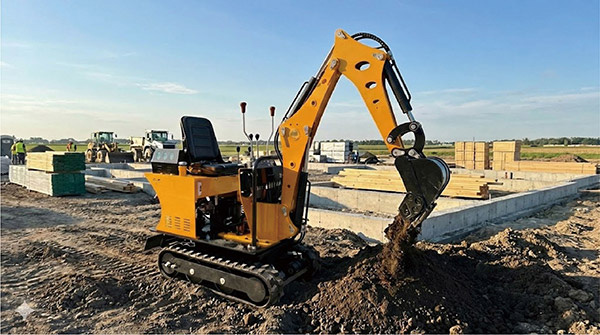
You can drive sustainable growth in your mini excavator wholesale business by following proven best practices. Strategic planning, operational efficiency, and continuous improvement form the foundation of long-term success. You should focus on these key areas to maximize your potential:
1. Set Clear Business Goals
2. Build Strong Supplier Relationships
3. Optimize Inventory Management
4. Invest in Staff Training
5. Leverage Data and Analytics
6. Enhance Customer Experience
7. Diversify Revenue Streams
Tip: Regularly review your business processes and seek ways to improve efficiency. Small changes can lead to significant gains over time.
| Practice | Benefit |
|---|---|
| Clear Goals | Focused growth |
| Supplier Collaboration | Better pricing, reliability |
| Inventory Optimization | Reduced costs, faster delivery |
| Staff Training | Higher productivity |
| Data Analytics | Smarter decisions |
| Customer Experience | Increased loyalty |
| Revenue Diversification | Greater stability |
You can achieve consistent growth by applying these best practices. Stay proactive, adapt to market changes, and invest in your team and technology. Your commitment to improvement will set your business apart in the competitive mini excavator wholesale market.
You can boost your business by following a clear plan for mini Excavator wholesale. Start by sourcing reliable suppliers and assessing product quality. Use marketing strategies like sharing equipment guides, safety content, and project tutorials to reach new customers. Stay consistent with your visual content and engage on social media. Recent innovations in mini excavators and rising construction demand show strong growth potential. Take action now to secure your place in this expanding market.
You usually need to order at least one unit, but many suppliers set a minimum of five to ten machines. Check with your supplier for specific requirements. Bulk orders often unlock better pricing and faster delivery.
Request factory audits, product samples, and certification documents. You should inspect machines before shipment and review maintenance records. Reliable suppliers provide transparent quality assurance and support.
Look for EPA certification for the United States and CE marking for Europe. These certifications confirm compliance with safety and environmental standards. Always verify documents with official regulatory agencies.
Most suppliers offer customization options, including attachments, paint colors, and operator features. Discuss your requirements during negotiations. Custom orders may require longer lead times and additional costs.
You can choose container shipping, roll-on/roll-off, or air freight. Container shipping is cost-effective for bulk orders. Air freight suits urgent deliveries. Confirm shipping terms and insurance with your supplier.
Select suppliers who offer warranty coverage, spare parts, and technical support. You should clarify service terms before finalizing your order. Reliable after-sales support reduces downtime and protects your investment.
Suppliers often accept wire transfers, letters of credit, or escrow services. You may negotiate payment schedules, such as deposits and balance on delivery. Clear payment terms help you manage cash flow and reduce risk.
Yes, you can resell used machines if you maintain proper service records and verify authenticity. Request serial numbers and inspection reports. Well-maintained equipment attracts buyers and supports higher resale prices.







-1.png)