Email: [email protected] Whatsapp: +8618266768780

Email: [email protected] Whatsapp: +8618266768780

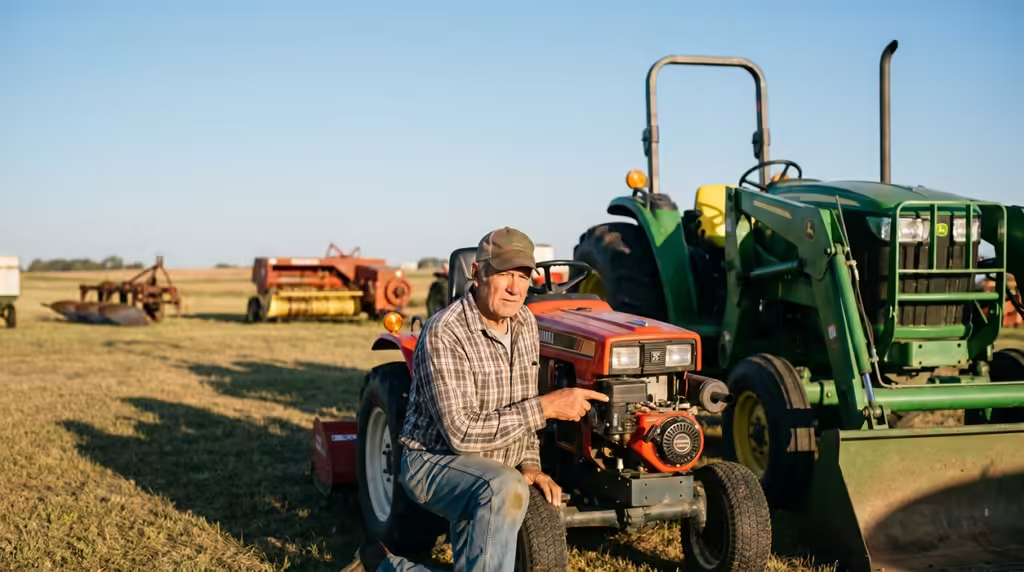
Choosing between a compact tractor and a utility model by comparing horsepower numbers alone is like buying shoes based only on color — the number might look right, but the fit tells a different story.
The real differentiator between tractor categories isn’t the engine output — it’s the physical frame that determines what the machine can actually do.
The horsepower overlap between these two categories creates genuine confusion for buyers. Compact tractors typically range from 20 to 60 horsepower, while utility tractors span 40 to 100+ horsepower — which means a high-spec compact and an entry-level utility model can sit at virtually the same HP rating. A buyer comparing a 50 HP compact against a 50 HP utility tractor on a spec sheet sees identical numbers, yet these machines behave very differently in the field. That overlap masks the structural realities that actually drive performance.
Power-to-weight ratio explains part of that gap. A utility tractor carrying 7,000–9,000 lbs of frame puts far more traction and ballast behind that horsepower than a compact frame at 2,500–4,500 lbs. The heavier chassis doesn’t just add stability — it multiplies what the engine can effectively pull, push, and lift under load. Higher horsepower in a lighter compact frame can actually produce wheel spin and stress on drivetrain components rather than useful work output.
The physical footprint differences extend well beyond weight. Utility frames carry wider rear axles, higher ground clearance, and larger three-point hitch receivers — typically Category 2 hitches versus the Category 1 connections standard on most compacts. Those structural dimensions directly dictate which implements will mount, align, and operate correctly. That implement compatibility question is precisely where frame size stops being an abstract spec and starts costing — or saving — real money, which makes understanding each category’s physical design the logical next step.
The compact tractor is the most popular machine in American agriculture today — and that dominance is backed by hard numbers. According to HR Agri Power, compact tractors under 40 HP accounted for 62.2% of all U.S. tractor sales in 2023. That figure isn’t a coincidence. It reflects how well this category matches the real-world needs of hobby farmers, homesteaders, and small-acreage operators across the country.
What drives that popularity is a combination of purposeful design choices — not raw power. Compact tractors are engineered specifically for:
Sub-compact vs. compact is a distinction worth understanding clearly. Sub-compacts (typically under 25 HP) target residential lots and light-duty chores — think snow blowing a driveway or maintaining a half-acre lawn. True compact models in the 25–40 HP range step up to more demanding tasks: grading, post-hole digging, and small hay operations. For buyers weighing what implements will actually fit their setup, that horsepower and frame distinction shapes every attachment decision downstream.
In practice, the compact category excels precisely because it doesn’t try to do everything. It’s optimized for properties where agility and soil sensitivity outrank sheer pulling muscle — which is exactly where the utility tractor begins to take over.
Utility tractors earn their reputation not through horsepower ratings, but through raw mechanical authority — the kind that comes from a heavier chassis, deeper hydraulics, and a frame engineered to absorb serious stress.
The heavier chassis is the foundation of everything. As Cropilots notes, the mass of a utility tractor provides the essential traction needed for heavy pulling and plowing. A compact tractor can spin its wheels when pushing against hard soil; a utility machine plants itself and pulls through. That difference isn’t about engine output — it’s about how much weight is pressing those rear tires into the ground.
Ground-engaging tools — subsoilers, moldboard plows, box blades running at depth — demand a chassis that won’t flex or skip under load. Utility frames are welded and reinforced to handle sustained downward and rearward force. In practice, running a heavy box blade on a compact tractor often means the front wheels lift instead of the blade cutting deeper. A utility machine holds its geometry under load, which translates directly into more consistent, productive field work.
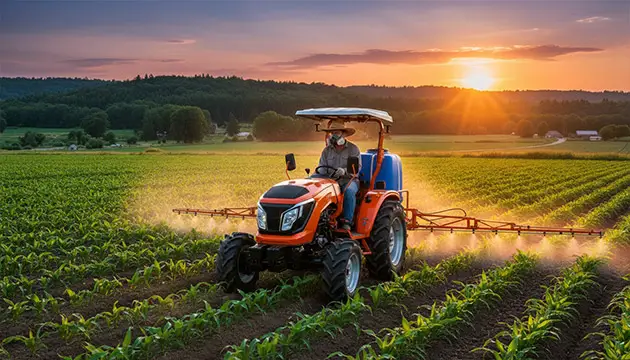
Hydraulic capacity is another area where the distinction becomes clear. Utility tractors typically deliver significantly higher hydraulic flow rates, which means commercial-grade attachments — grapple buckets, hydraulic post drivers, larger front loaders — operate at their rated speed and force rather than sluggishly. If you’re comparing options like a deere compact tractors lineup against a full utility series, the hydraulic specs alone often tell the story. For a deeper look at how these systems compare, this breakdown of hydraulic performance is worth reading before you spec out any attachment.
Where compact tractors excel at versatility — mowing one hour, moving mulch the next — utility models are unapologetic workhorses. They’re optimized for repetitive, heavy-duty tasks rather than quick task-switching. That single-minded design comes with real tradeoffs in weight and maneuverability, which leads directly to a factor most buyers overlook entirely.
Weight is the silent variable that determines whether a tractor finishes a job or spins in place — and the gap between compact and utility machines is substantial.
According to Cropilots, compact tractors typically weigh between 1,500 and 4,000 lbs, while utility tractors range from 4,000 to 9,000 lbs. That difference isn’t just a spec sheet curiosity — it shapes what each machine can realistically accomplish.
| Category | Weight Range | Primary Impact |
|---|---|---|
| Compact Utility Tractor | 1,500 – 4,000 lbs | Lighter footprint, limited draft pull |
| Utility Tractor | 4,000 – 9,000 lbs | Strong traction, higher compaction risk |
Traction is directly proportional to weight. When pushing snow with a front blade or pulling a moldboard plow through heavy clay, the machine’s mass is what keeps the rear wheels biting rather than spinning. A utility tractor’s heavier frame transfers far more force to the ground, which is why it dominates in draft-intensive work. Popular JD compact tractors, for example, perform excellently in light-to-medium tasks but can reach their traction ceiling quickly when conditions turn demanding.
On the other hand, that extra weight carries a real cost: soil compaction. Heavy utility tractors passing repeatedly over wet ground can compress soil structure, reduce water infiltration, and ultimately harm crop yields. This is a well-documented concern in row-crop farming, where track spacing and axle load management matter as much as horsepower.
Ballasting offers compact tractor owners a practical middle ground. Adding rear wheel weights or fluid-filled tires increases effective ground contact and reduces wheel slip without purchasing a larger machine. For operators running a diesel tractor on a small farm, ballasting is often the smartest first upgrade before considering a category step-up.
Of course, weight isn’t the only physical constraint separating these two machine classes — the hitch system connecting your implements is equally critical, and that’s where compatibility gets complicated.
The hitch category on your tractor is a hard technical boundary — not a suggestion — and choosing the wrong machine for your implements can compromise both productivity and safety.
Category 1 and Category 2 hitches differ in pin diameter, load capacity, and the scale of implements they’re designed to support. Category 1 hitches use a 7/8-inch pin diameter and are standard on compact and tractor sub compact models, typically handling implements suited to machines under 50 horsepower. Category 2 hitches step up to a 1 1/8-inch pin diameter with significantly higher load ratings, and according to Bobcat, utility tractors utilize Category 2 three-point hitches as the standard, while compact tractors are generally limited to Category 1.
This distinction matters more than most buyers realize before they start pricing out implements. A rear blade, finish mower, or box scraper sized for a utility tractor carries structural weight and operational forces that a Category 1 hitch frame simply wasn’t engineered to absorb. Adapter bushings exist to physically connect mismatched implements, but they do nothing to change the underlying stress ratings of the hitch arms, top link, or the tractor’s lift capacity. What typically happens is that the hitch deflects under load — and over time, that deflection causes fatigue cracking in the lift arms or mounting brackets.
⚠️ Warning: Never exceed the rated lift capacity of your hitch category. Overloading a Category 1 hitch with heavy Category 2 implements risks structural hitch failure, loss of rear implement control, and potential tip-over — especially on slopes or during sudden stops.
Common implements that require Category 2 include heavy rear blades (6 feet and wider), large rotary tillers, three-bottom plows, subsoilers, and heavy box scrapers. For context, a root rake or similar land-clearing tool can span both categories, but heavier configurations demand Category 2 stability. Understanding these specs upfront also shapes decisions around terrain handling — which brings the conversation naturally to how tractor dimensions affect real-world maneuverability.
Frame size doesn’t just determine what a tractor can pull — it fundamentally shapes how the machine behaves across every type of ground you ask it to cross.
Wheelbase length is the quiet architect of ride quality and control. Compact tractors run shorter wheelbases, typically in the 60–75 inch range, which lets them pivot quickly and absorb uneven terrain with less rocking. Utility tractors carry longer wheelbases that smooth out rough field travel at speed but make tight repositioning genuinely awkward. In practice, that extra length is a non-issue across open acres yet becomes a liability the moment you’re threading between mature trees or working alongside a fence line.
Turning radius tells the clearest story when comparing compact tractors vs utility tractors for site-specific work. A compact machine can often cut a full turn in under 8 feet, which makes it capable in landscaping beds, around outbuildings, and along property edges where ruts matter. Utility tractors — especially those with wide rear axles and large implements mounted — may need 14 feet or more to complete a clean turn, which is fine in a hay field but expensive in a garden. As Gengjia Agri notes, compact models prioritize agility for landscaping while utility tractors deliver the torque for large-scale operations, and those priorities extend directly to how each machine moves through space.
Center of gravity becomes a safety-critical variable on slopes. Utility tractors sit higher and carry more mass, which raises rollover risk on grades above 15 degrees without a properly ballasted configuration. Compact tractors have a lower center of gravity that improves lateral stability — an advantage on hillside orchards or uneven residential lots. Width matters too: many compact models fit through a standard 48-inch gate, while utility machines frequently exceed 60 inches of overall width. If your property includes gated pastures or narrow woodland trails, a tractor sized around 25HP may be the largest machine that practically fits the work environment.
All of these physical trade-offs feed directly into a broader financial decision — because the machine that handles your terrain correctly also tends to be the one that costs less to keep running over time.
The true financial gap between a utility tractor vs compact tractor becomes clear only when you look beyond the sticker price and factor in the full cost of ownership over five to ten years.
Compact tractors typically enter the market in the $15,000–$35,000 range, while full utility models can run $40,000–$80,000 or more depending on configuration. That initial spread looks compelling, but it doesn’t tell the whole story.
Maintenance costs scale with machine size — but not always proportionally. Compact tractors use smaller tires, less hydraulic fluid, and lighter-duty filters, which reduces routine service costs. However, utility machines are often engineered for commercial workloads, meaning their components are built to tolerate harder use cycles before failure becomes a concern. In practice, a compact tractor pushed beyond its design limits can accumulate repair bills that rival — or exceed — the savings made at purchase. You can explore key features to weigh before you buy to better understand which specs correlate with long-term durability.

Resale value is another area where brand and category matter. Popular utility brands hold strong residual value, particularly in agricultural regions where demand stays consistent. Compact utility models from well-established manufacturers also retain value well — sometimes better percentage-wise than their larger counterparts — because the buyer pool is wider.
The most overlooked expense is under-buying. A compact tractor used repeatedly for tasks above its rating — heavy tillage, large bale handling, sustained loader work — degrades faster, voids warranties earlier, and creates unplanned downtime. As Bobcat notes, the hitch category determines the size and weight of implements a tractor can carry, which directly affects total system cost when mismatches force equipment upgrades.
Hidden Costs to Watch:
Choosing the right size from day one is rarely the more expensive decision in the long run — and that’s a point worth keeping in mind as you move toward making your final call.
Choosing between a compact and utility tractor comes down to one honest question: what work will this machine actually do, day after day, on your specific acreage?
Compact tractors are the right call for property maintenance — mowing, light grading, landscaping, and general chores on lots under 50 acres. They’re maneuverable, affordable, and easier to operate for owners who aren’t running a full commercial operation. If your task list stays in that lane, there’s no practical reason to pay for a utility machine.
Utility tractors become necessary the moment your work shifts toward haying, heavy tillage, or any commercial-scale application. One key differentiator worth internalizing: Category 2 hitches allow for larger, heavier attachments like hay balers that compact tractors simply cannot support. That mechanical reality isn’t a marketing distinction — it’s a hard engineering limit that affects every implement decision you’ll make.
Always verify your implement’s required hitch category before you buy a tractor. This single step prevents costly mismatches. A compact tractor spec sheet that looks adequate on paper can still be incompatible with the Category 2 implements your operation depends on. Cross-referencing hitch and implement compatibility before purchase is a non-negotiable part of the evaluation process.
Finally, revisit a point made earlier in this article: weight drives traction more reliably than horsepower. A utility tractor’s heavier frame keeps wheels planted under load, while an underpowered compact may spin out on slopes or wet ground. Don’t let an impressive HP figure override the ballast math.
These four takeaways — task scope, hitch category, implement compatibility, and weight over horsepower — form the practical framework that separates a smart purchase from an expensive regret. From here, the question becomes which specific machines align with your acreage, budget, and long-term goals.
Choosing the right tractor frame size isn’t a one-time decision — it’s a strategic investment that shapes your operation’s productivity, safety, and bottom line for years ahead.
Selecting the correct machine size prevents premature component wear and directly reduces the risk of operational safety failures, a fact reinforced by equipment specialists at Qilu Machinery. An undersized tractor pushed beyond its design limits strains hydraulics, burns through drivetrain components, and puts operators at risk. An oversized machine wastes fuel, struggles with maneuverability, and ties up capital that could fund other improvements. Neither outcome is acceptable when you’re running a tight operation on real acreage.
That’s where expert consultation makes a measurable difference. Rather than sizing a tractor by gut feeling or sticker price alone, working with knowledgeable equipment partners helps you map your specific task load — acreage, terrain, implement requirements, and seasonal demands — directly to machine specifications. Whether you need a nimble compact tractor built for versatility on properties under 50 acres, or a heavy-frame utility model capable of sustained field work across larger operations, matching specs to real-world conditions is what separates a smart purchase from an expensive mistake.
Qilu Machinery’s lineup spans both ends of the spectrum, offering compact and utility solutions engineered with the features — from Category 1 and 2 three-point hitches to dependable PTO output — that working farms and homesteads actually depend on. If you’re evaluating horsepower ranges in the 50 HP class, exploring what separates capable machines at that tier is a practical next step.
In practice, the best equipment decision starts with a conversation, not a spec sheet. Reach out to Qilu Machinery today for a personalized equipment assessment — and match your acreage, workload, and budget to the machine that’s genuinely built for it.






-1.png)