Email: [email protected] Whatsapp: +8618266768780
Email: [email protected] Whatsapp: +8618266768780


When you compare Trencher vs Mini Excavator for standard trenching, you often see faster results and lower costs with a trencher. You can finish most straight, shallow trenches in less time and with less labor. For example, you might spend $130 to $156 per day to rent a trencher, while a mini excavator typically costs $242 to $312. The savings quickly add up, especially for multi-day projects.
| Equipment Type | Rental Cost (1 Day) | Cost Savings |
|---|---|---|
| Trencher | $130 – $156 | $86 – $182 savings |
| Mini Excavator | $242 – $312 | N/A |
| Multiple Equipment (3 Days) | $900 – $1,200 | $174 – $264 savings |
You should always match your equipment to the job. Consider soil conditions, the complexity of your site, and whether you need extra capabilities for future work.
Choosing between a trencher and a mini excavator can impact your project’s timeline and budget. You need to understand how each machine performs in terms of speed, cost, and versatility. The following table summarizes the main differences:
| Feature | Trencher | Mini Excavator |
|---|---|---|
| Trenching Speed | 300-600+ ft/day (good soil) | 75-200 ft/day (good soil) |
| Precision | Best for straight trenches | Superior depth and control |
| Daily Rental Cost | $130 – $156 (walk-behind) | $197 – $416 (various sizes) |
| Purchase Cost | $35,000 – $90,000 | $35,000 – $600,000 |
| Maintenance | High wear item replacement | $8,000 – $15,000/year |
| Fuel Consumption | Moderate | 3-4 gallons diesel/hour |
| Versatility | Specialized for trenching | Multi-tasking capabilities |
| Adaptability | Best in ideal soil | Handles poor soil, obstacles |
Tip: You can find more detailed rental rates and operational statistics from EquipmentWatch and industry discussions on Reddit Construction.
You want to finish your trenching project quickly. In good soil, trenchers outperform mini excavators. Utility contractors report that trenchers can complete jobs in one day that would take two or three days with mini excavators. Chain trenchers reach 40-60 feet per hour, while wheel trenchers can exceed 100 feet per hour. Mini excavators typically manage 75-200 feet per day, depending on soil and operator skill.
If you need straight, shallow trenches in open ground, a trencher saves you time. For complex sites or deep, narrow trenches, mini excavators offer better control and adaptability.
You need to consider both upfront and ongoing costs. Trenchers usually cost less to rent for a day, but ride-on models and larger trenchers can approach mini excavator rates. Mini excavators have higher purchase prices, especially for larger models. Maintenance costs differ as well. Trenchers require frequent replacement of teeth, chains, and sprockets. Mini excavators incur annual maintenance costs between $8,000 and $15,000, plus fuel expenses.
Note: For a deeper breakdown of ownership costs, check out ForConstructionPros and user experiences on LinkedIn Construction Groups.
You may need more than just trenching. Mini excavators excel in versatility. You can use them for soil excavation, leveling, digging drainage pits, removing tree stumps, and clearing land. Trenchers focus on trenching and struggle with tasks outside their specialty.
If your project involves more than trenching, mini excavators help you save time by reducing equipment changes and handling diverse tasks.
Pro Insight: Many contractors on YouTube Construction Channels recommend mini excavators for sites with roots, rocks, or tight spaces.
You want to finish your trenching project quickly and efficiently. Trenchers deliver impressive speed, especially in straightforward conditions. Many contractors report that trenchers can complete a 100-foot trench in less than an hour when the soil is favorable.
“A Wisconsin contractor shares: ‘We installed 425 feet of water line in 5.5 hours with a trencher. The same job took 15 hours with an excavator.'”
This real-world example highlights how a trencher can save you significant time on repetitive, straight runs. In ideal soil, you can expect a trencher to work three to four times faster than a mini excavator. For more contractor experiences, you can browse discussions on Reddit Construction.
Mini excavators move at a slower pace for trenching tasks. You may find that a mini excavator takes several hours to complete what a trencher can do in one. However, mini excavators excel in challenging environments. When you face rocky or compacted soil, a mini excavator can outperform a trencher by maintaining steady progress where trenchers might stall or require frequent adjustments.
| Soil Type | Trencher Performance | Mini Excavator Performance |
|---|---|---|
| Sand/Loam | 40-60 feet per hour | Slower in ideal conditions |
| Rocky Soil | N/A | Outperforms trenchers |
| Difficult Soil | N/A | Matches or exceeds trencher productivity |
You should consider the soil type and site complexity before choosing between Trencher vs Mini Excavator for your project.
Trenchers require minimal setup. You can unload, position, and start trenching within minutes. Mini excavators need more preparation. You must check hydraulic systems, attach the correct bucket, and sometimes clear the work area before starting. This extra time can add up, especially on smaller jobs.
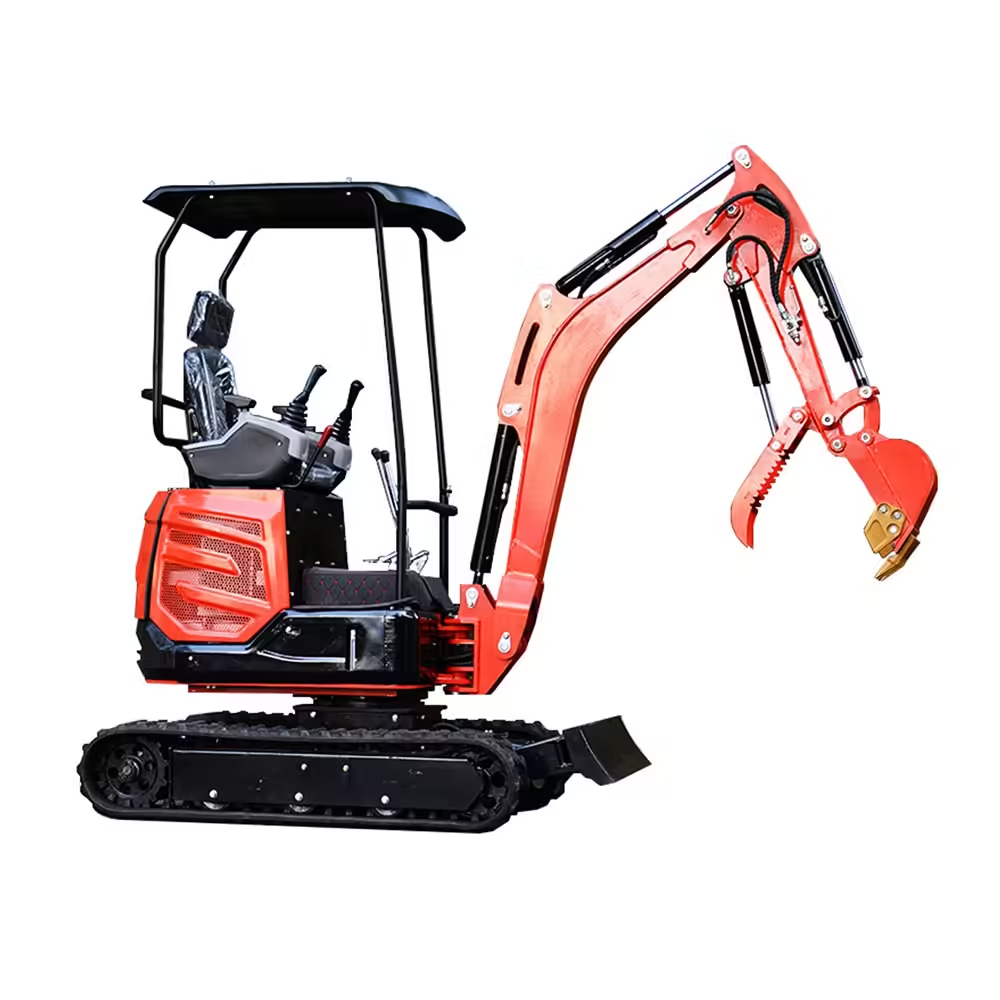
Trenchers create a narrow, clean trench with less spoil to manage. You spend less time backfilling and restoring the site. Mini excavators, on the other hand, generate wider trenches and larger spoil piles. You may need additional time and labor to clean up and return the site to its original condition. This difference becomes more noticeable on projects with strict landscaping requirements.
Regular maintenance keeps your equipment running efficiently. You should follow a routine that includes inspections, lubrication, and timely repairs. This approach enhances both operational efficiency and machine longevity.
Common maintenance issues include hydraulic system malfunctions, undercarriage damage, improper greasing, and track tension problems. These issues can lead to downtime if not addressed promptly. You can reduce downtime by:
You can find more maintenance tips and troubleshooting guides on platforms like ForConstructionPros and LinkedIn Construction Groups.
When you compare rental costs, you see a clear difference between trenchers and mini excavators. You might pay $130 to $156 per day for a walk-behind trencher. Mini excavators often cost $197 to $416 per day, depending on size and region. For a week-long project, these differences add up quickly. For example, a five-day rental of a trencher could total $650 to $780, while a mini excavator might cost $985 to $2,080. You can verify these rates on EquipmentWatch and Reddit Construction.
If you plan to purchase, you should expect to pay $35,000 to $90,000 for a new trencher. Mini excavators range from $35,000 for compact models to $600,000 for larger machines. Financing options for mini excavators allow you to spread payments over time, gain immediate ownership, and possibly benefit from tax deductions. When you consider financing, you should evaluate your cash flow, equipment lifespan, and growth plans. Trenchers do not have as many documented financing programs, so you may need to rely on traditional loans or cash purchases.
Tip: Always review your financial situation and risk tolerance before committing to a purchase. Consider how equipment fits into your long-term business strategy.
You need to factor in fuel and labor when you estimate operating costs. Mini excavators consume 3 to 4 gallons of diesel per hour. Trenchers use less fuel, especially for shallow, straight trenches. Labor costs also differ. Trenchers often require only one operator, while mini excavators may need additional help for spoil management and site cleanup.
You can find more details on operating expenses from ForConstructionPros.
Maintenance impacts your bottom line. Mini excavators need regular servicing, including hydraulic checks, track tension adjustments, and filter replacements. You might spend $8,000 to $15,000 per year on maintenance alone. Trenchers require frequent replacement of chains, teeth, and sprockets, especially in rocky soil. You should schedule routine inspections to prevent costly breakdowns and downtime.
Note: Proactive maintenance reduces unexpected expenses and keeps your equipment running efficiently.
Cost overruns can derail your budget. You face higher risks if you underestimate soil conditions or project complexity. Mini excavators may incur extra costs for fuel, labor, and repairs when you encounter tough terrain. Trenchers can require expensive part replacements if you hit rocks or roots. You should always build a contingency fund into your project budget.
| Risk Factor | Mini Excavator Impact | Trencher Impact |
|---|---|---|
| Rocky Soil | Higher fuel, slower pace | Chain/teeth damage |
| Tight Spaces | More labor, longer time | Limited maneuverability |
| Unexpected Delays | Rental extensions | Wear part replacement |
You can minimize overruns by assessing your site thoroughly and choosing the right equipment for each job. For more real-world cost discussions, check out LinkedIn Construction Groups and contractor forums.
Choosing between a trencher and a mini excavator depends on your project’s specific requirements. You need to assess the type of trench, soil conditions, and site complexity before making a decision. Below, you will find practical scenarios that highlight when each machine excels.
You achieve maximum efficiency with a trencher when your project involves long, straight runs in favorable soil. For example, walk-behind trenchers can complete projects under 500 feet in friendly soil conditions in just 4 to 8 hours. Mini excavators often require 15 hours or more for the same task. Trenchers deliver precise trench dimensions and minimize soil disruption, which is crucial for landscaping or areas with strict restoration requirements.
Tip: For straight trenching tasks, you can expect rental savings of $86 to $182 per day compared to mini excavators. Explore more contractor experiences on Reddit Construction and ForConstructionPros.
Trenchers excel at installing utilities, irrigation lines, and electrical cables. You benefit from their ability to create uniform trenches with minimal soil disturbance. Utility contractors often choose trenchers for projects that require consistent depth and width. You avoid unnecessary cleanup and backfilling, which streamlines the installation process.
| Project Type | Recommended Machine | Reason |
|---|---|---|
| Water Line Install | Trencher | Fast, clean trench |
| Irrigation System | Trencher | Precise, minimal disruption |
| Electrical Cables | Trencher | Uniform depth, quick setup |
You can find more utility installation tips on LinkedIn Construction Groups and YouTube Construction Channels.
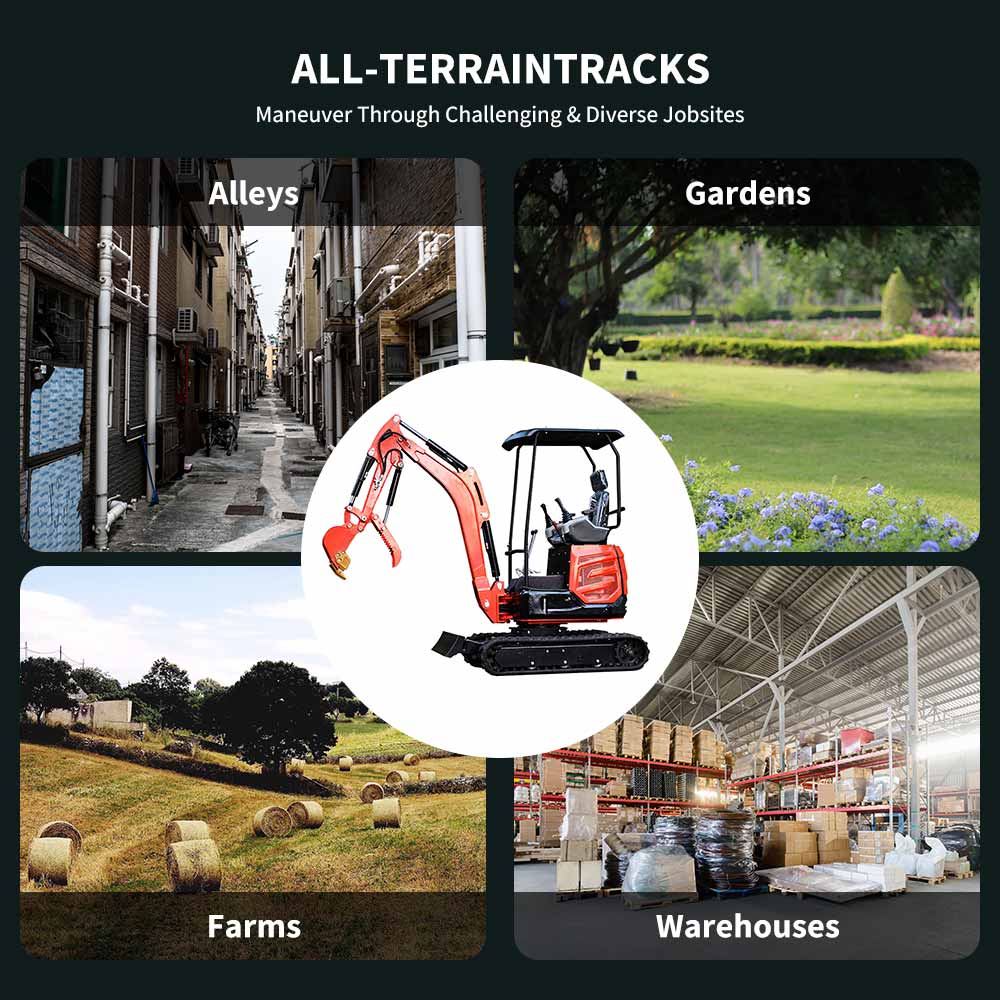
Mini excavators outperform trenchers in environments with obstacles, tight spaces, or unpredictable soil. You can maneuver a mini excavator between buildings, around landscaping features, or in backyards where space is limited. Adjusting your approach becomes easier when you encounter rocks, utility crossings, or unexpected conditions. You reduce the need for additional equipment and minimize delays.
Note: Mini excavators offer versatility for projects that require more than trenching. You can read more about multi-tasking equipment on EquipmentWatch and Reddit Construction.
You face challenges when trenching in root-heavy or rocky areas. Mini excavators allow you to dig through tough soil and remove tree stumps without switching machines. You maintain steady progress and avoid frequent part replacements, which can occur with trenchers in these conditions.
For more advice on working in root-heavy environments, check out discussions on YouTube Construction Channels and LinkedIn Construction Groups.
You need equipment that adapts to changing project demands. Mini excavators offer unmatched versatility on job sites. You can dig trenches, grade surfaces, remove stumps, and handle debris—all with one machine. This flexibility means you do not need to rent or transport multiple pieces of equipment. You save money and reduce logistical headaches.
Mini excavators help you manage unexpected challenges. If you encounter a buried pipe or need to widen a trench, you can switch attachments and continue working. You avoid delays and keep your project on schedule. This ability to perform multiple tasks without swapping machines leads to significant reductions in rental costs and the number of machines required. You accelerate project timelines and control your budget more effectively.
Tip: If your project scope may change or you expect to encounter surprises, choose a mini excavator. You gain efficiency and avoid costly downtime.
| Task Type | Mini Excavator | Trencher |
|---|---|---|
| Trenching | ✔️ | ✔️ |
| Grading | ✔️ | ❌ |
| Stump Removal | ✔️ | ❌ |
| Debris Handling | ✔️ | ❌ |
| Utility Installation | ✔️ | ✔️ |
You can find more contractor experiences and advice on versatility at Reddit Construction and YouTube Construction Channels.
Site conditions play a critical role in equipment selection. You must evaluate soil type, underground obstacles, and available space before making a decision.
You should walk the site and identify potential hazards. If you see tree roots, rocks, or buried utilities, you need equipment that can adapt. Mini excavators handle these challenges with ease. Trenchers work best in open areas with soft soil and few obstacles.
| Site Condition | Recommended Equipment | Reason |
|---|---|---|
| Soft, open soil | Trencher | Fast, clean trenching |
| Rocky or root-heavy | Mini Excavator | Adaptable, fewer breakdowns |
| Tight spaces | Mini Excavator | Maneuverable, compact design |
| Underground obstacles | Mini Excavator | Precise digging, safe removal |
You can explore more site assessment strategies and real-world examples on ForConstructionPros and LinkedIn Construction Groups.
You improve project outcomes when you match your equipment to the site’s unique challenges. You avoid delays, reduce costs, and ensure safety for your crew.
You must evaluate your project requirements before selecting equipment. Start by considering the type of trench, soil conditions, and site complexity. If you need precise, consistent trench dimensions or want to minimize soil disruption, a trencher fits best. For jobs that require digging deeper than five feet or handling multiple tasks on the same site, a mini excavator offers greater flexibility.
| Factor | Trencher | Mini Excavator |
|---|---|---|
| Versatility | Limited functionality, primarily for trenching. | Highly versatile, supports various attachments. |
| Price | Generally priced at $35,000 and above. | Often considered a smarter investment due to versatility. |
| Soil Conditions | Excels in sand, loam, or clay without large rocks. | Better for rocky or debris-filled environments. |
| Project Needs | Ideal for long, straight utility installations. | Suitable for multiple jobs on the same site. |
| Depth Capability | Max depth of 36-48 inches. | Can dig deeper than 5 feet for sewer lines. |
Tip: Walk your site and note any underground utilities, roots, or rocks. This step helps you avoid costly delays and equipment damage.
You need to maximize cost savings while meeting project deadlines. Select the smallest machine that meets your needs to avoid unnecessary expenses. Longer rental terms often provide better daily rates, making them more economical for extended projects. Compare lease prices from different companies and consider renting during off-peak times for lower costs. Bundling equipment rentals can result in discounts, and negotiating lease terms may secure additional savings.
Note: For detailed rental strategies and cost comparisons, visit EquipmentWatch and join discussions on Reddit Construction.
Industry professionals recommend weighing speed, cost, and versatility when choosing between trenchers and mini excavators. Trenchers deliver quick and precise digging in optimal soil conditions. Mini excavators handle various tasks, especially when you encounter rocks or roots. Adaptability matters when unexpected conditions arise, such as deeper digs or maneuvering around obstacles.
🛠️ Actionable Advice: Always match your equipment to your project’s specific needs. Consult experts, compare costs, and consider long-term versatility before making your final decision.
You save the most time and money with a trencher for long, straight utility trenches in favorable soil. Mini excavators offer greater versatility for complex sites and deeper digs. Review the table below to compare key advantages:
| Condition | Trencher Advantages | Mini Excavator Advantages |
|---|---|---|
| Straight Utilities | Fast completion, minimal disruption | N/A |
| Poor Soil/Obstacles | Slows down | Handles tough conditions |
| Precision | Exact width, flat bottoms | Depth control |
Always weigh speed, cost, and versatility before choosing. Consult experts if you feel unsure about the best fit for your project.
You achieve the best results with a trencher on long, straight runs in soft soil. Utility installations, irrigation lines, and cable trenches benefit from the speed and precision of trenchers.
You can use a mini excavator for grading, digging pits, removing stumps, and handling debris. This versatility reduces the need for multiple machines on your job site.
Soil type determines your equipment’s efficiency. Trenchers excel in sand or loam. Mini excavators handle rocky, root-heavy, or compacted soil better.
Tip: Walk your site before renting equipment.
Renting suits short-term or occasional projects. Buying makes sense for frequent use.
| Project Frequency | Recommended Option |
|---|---|
| Occasional | Rent |
| Regular | Buy |
Trenchers typically reach depths of 36 to 48 inches. Mini excavators dig deeper, often exceeding 5 feet, which suits sewer or drainage projects.
You should inspect hydraulic systems, lubricate moving parts, and replace worn components regularly.
Trenchers offer simple controls and quick setup. Mini excavators require more training due to multiple functions and attachments.
Note: Always review safety guidelines before operating any machine.
You can combine both for complex jobs. Use a trencher for straight sections and a mini excavator for corners or obstacles. This approach maximizes efficiency and reduces downtime.





-1.png)