Email: [email protected] Whatsapp: +8618266768780

Email: [email protected] Whatsapp: +8618266768780


You want to know where to buy an excavator and feel confident about your choice. Many first-time buyers make costly mistakes, such as skipping proper inspections, forgetting to check maintenance records, or trusting the wrong seller.
When you want to know where to buy an excavator, you need a clear, step-by-step approach. This section guides you through the essential actions that industry experts recommend, ensuring you make a confident, informed purchase.
Before you start searching for where to buy an excavator, you must define your requirements. This step helps you avoid costly mistakes and ensures you select the right machine for your projects.
Start by identifying the type and size of excavator that matches your job requirements. Consider the following table, which outlines the most common types and their applications:
| Type | Size Range (metric tons) | Applications |
|---|---|---|
| Mini/Compact | <7 | Tight spaces, utility work, landscaping |
| Midi | 6–10 | Building construction, utilities, landscaping |
| Standard | 7–45 | Commercial construction projects |
| Large | >45 | Heavy-duty construction, mining |
| Crawler | 90+ | Specialized heavy-duty applications |
Selecting the right size ensures you get the performance and maneuverability you need. Mini and midi excavators work well in urban or residential settings, while standard and large models suit commercial and industrial projects.
Establish your budget early. New and used excavators have different price ranges, as shown below:
| Excavator Size Class | Weight Range (Tons) | Price Range (USD, New) | Price Range (USD, Used) |
|---|---|---|---|
| Mini | 1-6 | $80,000 – $110,000 | $20,000 – $60,000 |
| Medium | 11-25 | $190,000 – $300,000 | $80,000 – $180,000 |
| Large | 26-45+ | $300,000 – $500,000+ | $150,000 – $350,000 |
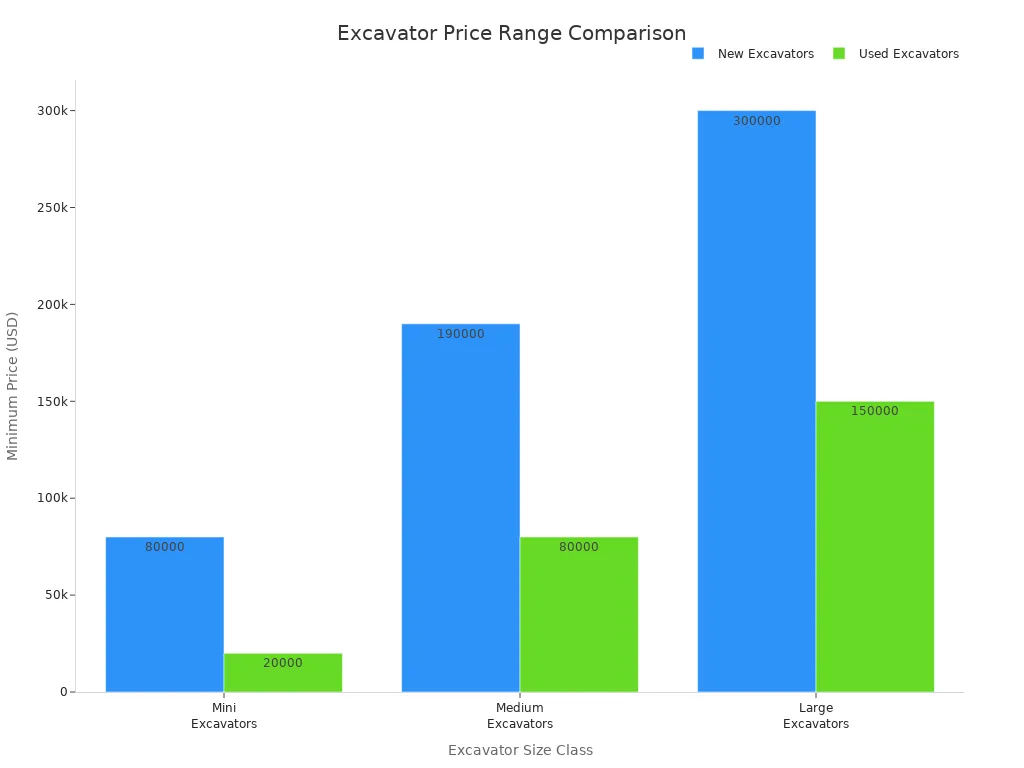
Factor in financing options and long-term operating costs. Consider parts availability and warranty support when narrowing down your choices.
Tip: Define your job requirements, machine size, engine power, hydraulic system, transportation needs, fuel efficiency, and budget. Assess warranty and dealer support, especially if you consider used equipment.
Knowing where to buy an excavator means finding reliable, authorized dealers. This step protects you from scams and ensures you receive quality service.
Use trusted sources to locate authorized dealers:
Authorized sellers give you access to genuine equipment, service agreements, and warranty coverage.
Customer feedback plays a crucial role in dealer selection. Positive reviews highlight excellent service and reliability, while negative reviews warn you about potential issues.
Note: Always read multiple reviews across different platforms to get a balanced view of each dealer’s reputation.
Comparing several dealers is essential when deciding where to buy an excavator. This step helps you secure the best value and after-sales support.
Request itemized quotes from at least three dealers. Compare not just the price, but also the included services, financing options, and warranty terms.
| Criteria | Description |
|---|---|
| Dealer Reliability | Assess reputation and performance |
| Customer Feedback | Evaluate professionalism and service through reviews |
| Financing Options | Look for flexible programs that fit your budget |
| After-Sales Services | Strong warranties and service agreements protect your investment |
| Equipment Knowledge | Ensure the dealer can provide technical advice and operator training |
Inspect the equipment’s build quality and condition. High-quality excavators feature durable materials, advanced engineering, and robust safety features. Look for:
Pro Tip: Ask for inspection reports and maintenance records. Test drive the machine to check its handling and performance.
By following these steps, you can confidently determine where to buy an excavator that meets your needs, fits your budget, and comes from a reputable dealer. Comparing multiple options and reading reviews ensures you avoid common pitfalls and make a professional, informed decision.
When you decide where to buy an excavator, you need to verify the dealer’s credentials and reputation. This step protects your investment and ensures you receive reliable service throughout the ownership experience.
Start by checking if the dealer holds all required business licenses. A legitimate dealer will provide proof of registration and compliance with local regulations. You can request to see their business license or look up their registration on official government websites. This simple check helps you avoid fraudulent sellers.
Dealers who belong to respected industry organizations often follow higher standards of professionalism and ethics. Membership in these groups signals a commitment to quality and customer service. Here are two of the most reputable affiliations:
| Organization | Description |
|---|---|
| IEDA | A non-profit trade association promoting professionalism and ethical standards in heavy equipment distribution. |
| AED Foundation | An organization focused on research, education, and certification for machinery dealers. |
If you see these affiliations displayed at a dealership, you can feel more confident in their credibility.
A dealer with many years in business usually has a proven track record. Ask how long the company has operated in the industry. Dealers with a long history often have established relationships with manufacturers and a deeper understanding of customer needs.
You should also review the dealer’s customer satisfaction history. Look for reviews on trusted platforms and ask for references from past clients. The following table highlights key factors to consider:
| Key Factor | Description |
|---|---|
| Responsiveness | How quickly the dealer answers questions and resolves issues. |
| Technical Expertise | The dealer’s knowledge in solving equipment-related problems. |
| Parts Availability | Access to parts that minimize downtime. |
| Dealer Reputation | Consistent positive feedback from customers. |
Tip: Reach out to previous buyers or check social media groups for real-world feedback about the dealer’s service.
After-sales support can make a big difference in your ownership experience. Ask if the dealer offers service agreements that include regular maintenance. These agreements help prevent unexpected breakdowns and keep your excavator running smoothly.
Warranty coverage varies by dealer. Always review the terms and coverage before making a decision. Leading dealers often provide:
You may find warranty terms such as:
| Dealer | Warranty Duration | Coverage Details |
|---|---|---|
| SANY America | 5 Years / 5,000 Hours | Covers parts and labor, with select coverage for travel time and mileage within 300 miles. |
| CASE Construction | 12 Months / Unlimited Hrs | Limited warranty with an option for 24 months / 2,000 hours extended coverage. |
| Link-Belt | 5 Years / 5,000 Hours | Full machine warranty plus a 5-year / 10,000 hours structural warranty. |
Note: Strong after-sales support and clear warranty policies show that a dealer stands behind their equipment and values long-term customer relationships.
By following these steps, you can confidently determine where to buy an excavator from a dealer who meets high standards for legitimacy, experience, and support.
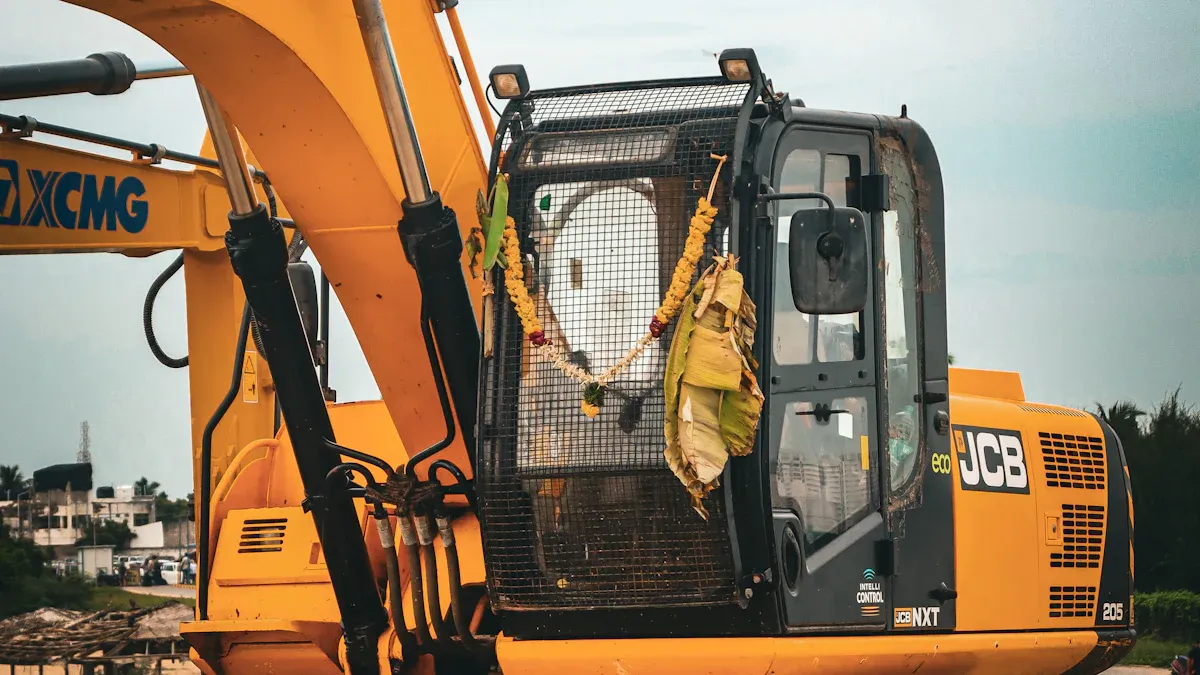
You gain the most insight by visiting dealerships in person. This approach allows you to:
Tip: Local dealers often diagnose issues quickly, reducing downtime and ensuring your equipment stays operational.
Consider a scenario where a contractor visits a local dealership to inspect a used excavator. The dealer demonstrates the machine’s hydraulic system, answers technical questions, and provides immediate access to maintenance records. This hands-on process helps the buyer make an informed decision and builds a foundation for ongoing support.
If you cannot visit in person, virtual tours offer a flexible alternative. Many reputable dealers provide:
Virtual inspections enhance efficiency and customer satisfaction, especially when time or distance is a factor.
You must weigh the pros and cons of new and used excavators. The table below summarizes key differences:
| Condition | Average Lifespan (hours) | Factors Affecting Lifespan |
|---|---|---|
| New Excavator | 18,000 – 20,000 | Brand quality, maintenance, usage |
| Used Excavator | 5,000 – 15,000 | Past maintenance, usage intensity |
New machines offer longer service life and reliability. Used options can save money but require careful inspection of maintenance history and wear.
A comprehensive inspection report should cover the following:
| Element | Description |
|---|---|
| Hydraulic Systems | Check for leaks and proper function. |
| Engine Oil/Coolant | Ensure levels are adequate for performance. |
| Track Wear | Inspect for signs of wear to maintain efficiency. |
| Safety Features | Test lights and brakes for operational safety. |
You should also examine the exterior for damage or rust, check compliance labels, and evaluate the efficiency of movable components. Daily checks include fluid levels, visible damage, and the operation of all safety features.
Note: Always request detailed inspection reports and maintenance records before making a decision.
Request itemized quotes from multiple dealers. This approach allows you to compare:
Comparing detailed quotes helps you identify the best value and avoid hidden costs.
Dealers typically offer several financing options. The table below outlines common choices:
| Financing Option | Advantages | Disadvantages |
|---|---|---|
| Loan | Own equipment outright, add asset to balance sheet, possible tax benefits | Higher monthly payments |
| Lease | Lower monthly payments, flexible end-of-term options | Potential balloon payment, liability on balance sheet |
You should also confirm delivery timelines and logistics. Reliable dealers coordinate safe transport and provide clear delivery schedules.
Pro Tip: Use reputable industry platforms and social media groups to compare dealer offers and read real-world feedback from other buyers.
By following these steps, you ensure that you inspect and compare excavator offers like a professional, making a confident and informed purchase.
You have reached the final stage in your journey to buy an excavator like a pro. This step brings together all your research, inspections, and dealer comparisons. Now, you must weigh the pros and cons of each offer and ensure every detail aligns with your long-term goals.
Carefully evaluate each dealer and offer before making your choice. Consider the following criteria to help you make a balanced decision:
Tip: Create a comparison table to visualize differences between dealers. For example:
| Criteria | Dealer A | Dealer B | Dealer C |
|---|---|---|---|
| Durability | High | Medium | High |
| Cost | $$ | $$$ | $ |
| Parts Availability | Yes | Yes | Limited |
| Tech Features | Advanced | Basic | Advanced |
| Reliability | 5/5 | 4/5 | 3/5 |
Look beyond the initial price. Value comes from strong after-sales support and reliable service. Long-term dealer support reduces unexpected downtime and repair costs. Preventive maintenance agreements help keep your excavator in optimal condition, minimizing breakdown risks. Access to technology solutions enhances operational efficiency and lowers overall expenses.
Choose a dealer who prioritizes customer relationships. A supportive dealer provides ongoing training, technical advice, and quick access to parts. You benefit from consistent communication and a partnership that grows with your business needs.
Case Study: A construction manager selected a dealer with a proven track record for after-sales service. Over five years, the manager experienced fewer breakdowns and lower maintenance costs, thanks to regular check-ins and prompt support.
Once you have identified the best offer, review all documentation thoroughly. Essential documents include:
Note: Missing or incomplete paperwork can lead to legal issues or unexpected costs. Always request copies and store them securely.
Read every contract and agreement before signing. Confirm that all terms match your expectations, including payment schedules, delivery timelines, and included services. If you have questions, consult with an industry expert or join professional forums such as Heavy Equipment Forums or LinkedIn groups for construction professionals.
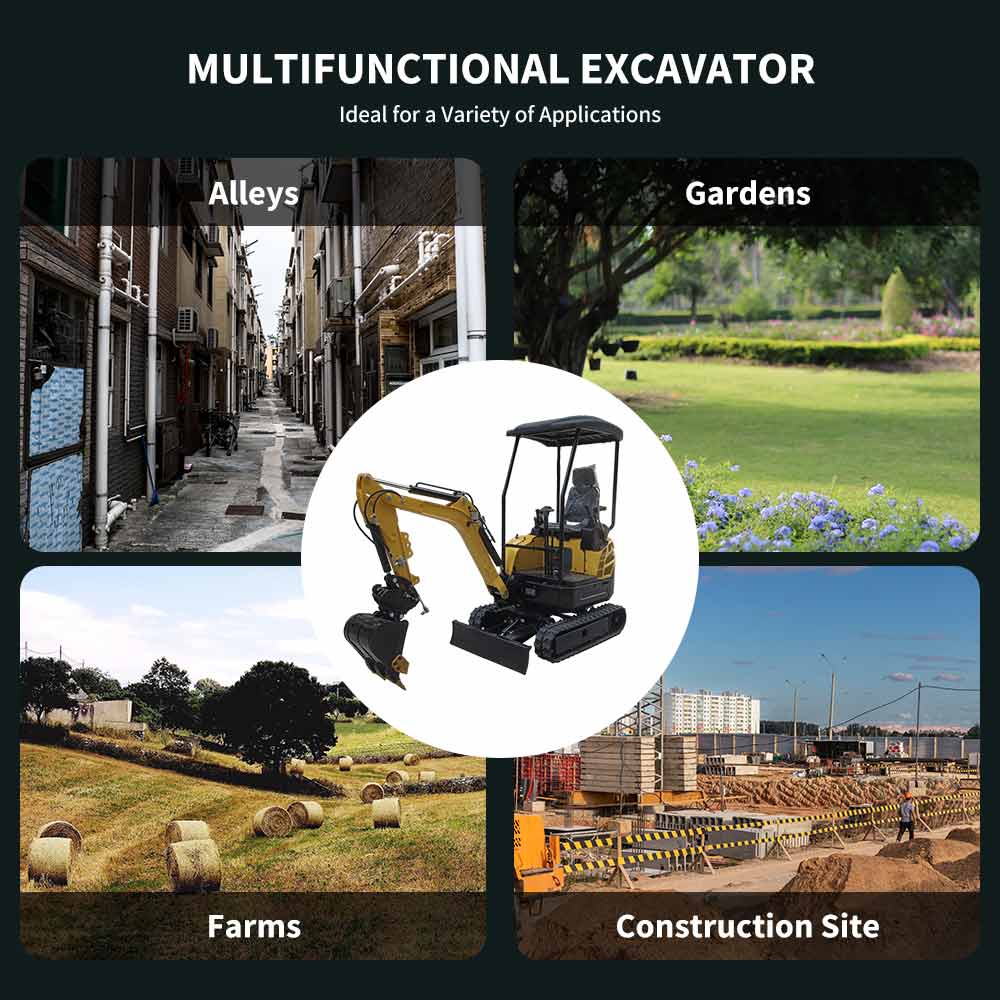
Follow these steps to ensure you receive strong warranty and after-sales support:
🛠️ Pro Tip: Reliable support and clear documentation protect your investment and give you peace of mind.
By following these steps, you make a confident, professional decision and secure an excavator that delivers lasting value.
You now know where to buy an excavator with confidence. Start by defining your equipment needs and choosing a licensed, experienced dealer. Take time to research models, compare prices, and inspect machines in person. Reliable dealers offer strong after-sales service, quick support, and clear warranty options. Regular maintenance and thorough inspections help prevent costly breakdowns. By following these steps, you set yourself up for a smart, professional purchase. You are ready to make your next excavator investment like a pro.
Inspect the machine for visible damage, leaks, and excessive wear. Review maintenance records and request a recent inspection report. Test all controls and safety features. Confirm the hours of operation and ask about previous repairs.
Look for valid business licenses and industry affiliations. Read customer reviews on multiple platforms. Ask for references from past buyers. Reliable dealers provide clear documentation and answer your questions directly.
New excavators offer longer warranties and advanced features. Used machines cost less but may require more maintenance. Consider your budget, project needs, and expected usage hours to decide which option fits best.
You need a bill of sale, equipment title, warranty information, maintenance records, and inspection reports. Review all documents carefully before finalizing the purchase. Keep copies for your records.
Most dealers offer financing options, including loans and leases. Compare interest rates, payment terms, and end-of-term options. Choose a plan that matches your budget and cash flow needs.
After-sales support ensures your excavator stays operational. Good dealers offer maintenance agreements, quick access to parts, and technical assistance. Strong support reduces downtime and protects your investment.
Check for details on hydraulic systems, engine condition, track wear, and safety features. The report should list any repairs or issues found. Use this information to negotiate price or request repairs before buying.
Request itemized quotes from several dealers. Ask about delivery fees, warranty coverage, and service agreements. Read all terms and conditions. This approach helps you spot extra charges and make an informed decision.







-1.png)