Email: [email protected] Whatsapp: +8618266768780

Email: [email protected] Whatsapp: +8618266768780


You only need five essential tools to keep your tractor running smoothly. These include an adjustable wrench, screwdriver set, pliers, tire pressure gauge, and a heavy-duty flashlight. With these, you can handle routine maintenance and tackle unexpected repairs. Agricultural experts often recommend similar basics—like wrenches, pliers, and screwdrivers—demonstrating that expensive or excessive gear is not necessary. Focusing on these essentials helps you work efficiently, avoid clutter, and maintain peace of mind.
You need an adjustable wrench because tractors use a wide range of bolt and nut sizes. This tool adapts to different fasteners, so you do not have to carry a full set of fixed-size wrenches. The adaptability of an adjustable wrench makes it invaluable for tractor repairs. You can use it on both metric and SAE bolts, which are common on most tractors.
Tip: Keep an adjustable wrench in your tractor toolbox to handle unexpected repairs in the field.
Here is a quick comparison between adjustable and fixed-size wrenches:
| Feature | Adjustable Wrench | Fixed-Size Wrench |
|---|---|---|
| Versatility | Can adapt to various fastener sizes | Limited to specific sizes |
| Precision | Less precise due to adjustable nature | High precision for specific sizes |
| Use in Repair Scenarios | Ideal for uncertain or irregular sizes | Best for known, specific sizes |
You often face urgent repairs when working with tractors. An adjustable wrench allows you to make quick adjustments without searching for the exact tool size. This saves time and keeps you productive. The tool’s design, such as a tapered jaw and laser-printed scale, helps you grip fasteners securely and make accurate adjustments. The ergonomic handle ensures comfort during long repair sessions.
You will encounter loose bolts and nuts on your tractor, especially after heavy use. An adjustable wrench lets you tighten these parts quickly. The tool works well on rear blade nuts, wheel bolts, and other general fasteners. Here are some common bolt and nut sizes you may find:
| Type of Bolt/Nut | Size |
|---|---|
| Rear Blade Nut | 1 1/2″ |
| Wheel Bolt | 22mm |
| General Sizes | Metric/SAE |
You can rely on an adjustable wrench for emergency fixes. For example, you may need to straighten bent brackets or adjust large fasteners on the spot. The tool’s heat-treated carbon steel construction and corrosion-resistant coating ensure durability, even in tough conditions. You can also use it to fix sheet metal issues by bending components back into place.
Note: Regularly check your adjustable wrench for wear and keep it clean to maintain its effectiveness.
By keeping an adjustable wrench in your toolkit, you prepare yourself for a wide range of tractor repairs, from routine maintenance to unexpected emergencies.
A screwdriver set stands as one of the most versatile tools in your maintenance arsenal. You encounter a wide range of screws on your tractor, and having the right screwdriver ensures you avoid common mistakes and keep your equipment in top condition.
You should always include both flathead and Phillips screwdrivers in your set. Flathead screwdrivers fit single-slot screws, which you often find on older tractor models and basic panels. Phillips screwdrivers work with cross-shaped screws, providing better grip and torque for most modern applications.
Tip: Use a flathead for simple panel screws and a Phillips for electrical connections. This approach helps you avoid stripping screw heads and ensures a secure fit.
Multi-bit screwdrivers offer flexibility. You can switch out bits to match different screw types and sizes. This reduces the number of tools you need to carry and helps you tackle unexpected repairs. Multi-bit sets often include specialty bits, such as Torx or square, which you may encounter on newer tractor components.
| Screwdriver Type | Common Use Case | Benefit |
|---|---|---|
| Flathead | Panel screws, brackets | Simple, universal |
| Phillips | Electrical, engine covers | Better torque, less slip |
| Multi-bit | Mixed repairs | Adaptable, space-saving |
You frequently perform electrical maintenance on your tractor. Phillips screwdrivers allow you to remove battery terminals and access fuse boxes. Using the correct screwdriver prevents damage to screw heads and ensures effective torque transfer. You avoid stripped screws, which can complicate repairs and increase downtime.
Panel removal is a routine part of tractor maintenance. Flathead screwdrivers help you pry open access panels and remove simple screws. Multi-bit screwdrivers let you adapt to different fastener types, making the process faster and safer.
Note: Using the wrong screwdriver can damage screws and strip heads. Always match the screwdriver to the screw type for efficient repairs.
You encounter several screw types during maintenance. Here is a quick reference table:
| Screw Type | Location on Tractor | Recommended Screwdriver |
|---|---|---|
| Flathead | Side panels, brackets | Flathead |
| Phillips | Electrical covers | Phillips |
| Torx | Engine components | Multi-bit (Torx bit) |
| Square | Frame mounts | Multi-bit (Square bit) |
You can find more tips on tractor maintenance from industry experts and join discussions with other owners on social media platforms.
A proper screwdriver set helps you avoid maintenance errors such as damaged screws and stripped heads. You ensure a proper fit between the screwdriver and screw head, which leads to efficient repairs and longer-lasting equipment.
Pliers serve as a cornerstone in your tractor repair toolkit. You rely on them for gripping, bending, and cutting tasks that other tools cannot handle. Their versatility makes them indispensable for both routine maintenance and emergency fixes.
You often need to hold small nuts, washers, or wires in place during repairs. Pliers give you a secure grip, especially when your fingers cannot reach tight spaces. For example, when you replace a cotter pin on a linkage or retrieve a dropped washer from an engine compartment, needle-nose pliers excel. Their tapered jaws reach into confined areas, allowing you to maneuver parts with precision.
Tip: Always use pliers with textured jaws for a better grip on oily or slippery parts.
You frequently encounter situations where you must cut wires or zip ties. Pliers with integrated cutting edges make this task straightforward. When you install new lighting or repair a broken wire harness, you can snip wires cleanly without switching tools. Slip-joint pliers, with their adjustable jaws, handle thicker wires and even small bolts.
| Task | Recommended Pliers Type | Benefit |
|---|---|---|
| Cutting electrical wires | Needle-nose or slip-joint | Clean, precise cuts |
| Trimming zip ties | Slip-joint | Handles thicker materials |
| Removing old fencing wire | Slip-joint | Strong cutting capability |
Selecting the right pliers depends on your repair needs. Needle-nose pliers feature long, tapered jaws, making them ideal for delicate tasks and tight spaces. Slip-joint pliers offer an adjustable pivot, allowing you to grip objects of various sizes and shapes. The following table highlights the main differences:
| Feature | Needle-Nose Pliers | Slip-Joint Pliers |
|---|---|---|
| Design | Tapered, long, and conical jaws | Adjustable pivot point for varying jaw sizes |
| Use Case | Ideal for tight spaces and delicate tasks | Versatile for gripping various thicknesses and sizes |
| Grip Type | Can hold, place, bend, and cut | Flat textured mouth with serrated jaw for gripping |
| Variations | Straight nose and bent nose types | N/A |
You can find more tips on choosing pliers for tractor repairs from agricultural equipment forums and connect with other owners on social media groups.
You should always prioritize safety when using pliers. Wear gloves to protect your hands from sharp edges and slipping tools. Inspect your pliers for damage before each use. Replace any tool with worn jaws or loose pivots. Store pliers in a dry place to prevent rust and ensure longevity.
Note: Never use pliers as a hammer or pry bar. This misuse can damage the tool and cause injury.
Pliers help you complete a wide range of tractor repairs efficiently. By choosing the right type and following safety practices, you keep your equipment in top condition and reduce downtime.
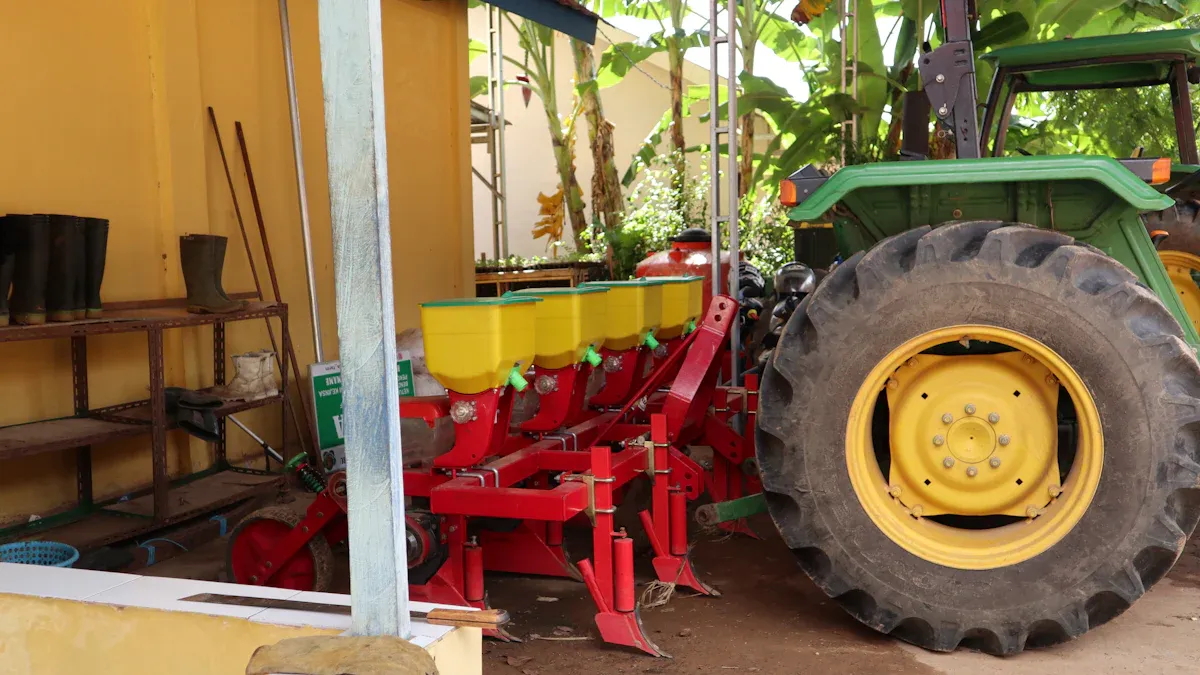
A tire pressure gauge is a simple yet powerful tool that directly impacts your tractor’s safety, performance, and operating costs. You rely on it to check and maintain the correct air pressure in your tires, which supports every aspect of fieldwork.
You extend the lifespan of your tires by maintaining the correct pressure. Proper inflation management prevents excessive sidewall flexing and heat buildup, which are leading causes of premature tire failure. Overinflation can create flat spots and reduce the contact patch, causing uneven wear. When you keep your tires at the recommended pressure, you avoid costly replacements and downtime.
| Tire Type | Average Lifespan |
|---|---|
| High-Horsepower Tractors | Typically replaced at 5 years |
| Harvesting Equipment | Average 10-year service life |
| Application Equipment | 1-2 year replacement cycles |
Keeping your tires properly inflated helps you reach or even exceed these average lifespans.
You notice improved performance and efficiency when your tires are at the right pressure. Proper inflation reduces rolling resistance, so your tractor’s engine works less and saves fuel. You also protect soil health by minimizing compaction, which promotes better water infiltration and root growth. This practice leads to higher crop yields and more productive operations.
Maintaining proper tire pressure maximizes your tractor’s ability to perform in the field and reduces operating costs.
You should check tire pressure before every major job or at least once a week during peak seasons. Use a dedicated tractor tire pressure gauge for accurate readings and calibrate it annually. When checking liquid-filled tires, lift the tire off the ground and position the valve stem at 12 o’clock to prevent liquid from interfering with the reading.
| Maintenance Task | Recommended Interval |
|---|---|
| Tire Pressure Check | Weekly or before each job |
| Gauge Calibration | Annually |
| Visual Tire Inspection | Every use |
Always refer to your tractor’s manual for specific pressure recommendations. Do not rely solely on the maximum pressure listed on the tire sidewall.
Store your tire pressure gauge in a dry, dust-free compartment within your tractor’s toolbox. This practice prevents rust and ensures the gauge remains accurate. Avoid exposing the gauge to extreme temperatures, which can affect calibration. Regularly inspect the gauge for damage or wear.
Common mistakes to avoid:
You can find more maintenance tips from industry authorities and join discussions with other owners on social media platforms.
A tire pressure gauge is a small investment that delivers big returns in safety, efficiency, and cost savings. By following these best practices, you keep your tractor running at its best and protect your equipment for years to come.
A heavy-duty flashlight stands as a vital tool in your emergency kit. You depend on it for visibility during repairs, signaling for help, and ensuring safety in low-light conditions. Unlike standard flashlights, heavy-duty models deliver superior performance and durability, making them indispensable for Tractor owners.
You often find yourself working after sunset or before dawn. A heavy-duty flashlight allows you to inspect engine components, check hydraulic lines, and replace fuses when natural light is unavailable. The powerful beam illuminates distant objects and dark corners, reducing the risk of missing critical issues. Users report that high-lumen flashlights make nighttime repairs safer and more efficient, as you can spot hazards and tools with ease.
Emergencies can happen at any hour. You may need to signal for assistance if your Tractor breaks down far from help. Tactical flashlights offer strobe and SOS modes, which attract attention and communicate distress. These features increase your chances of receiving timely aid, especially in remote areas.
Tip: Use the strobe mode to alert passing vehicles or farm workers during emergencies.
Battery life determines how reliable your flashlight remains during extended use. You should choose models with rechargeable batteries or long-lasting alkaline options. Regularly check and replace batteries to avoid unexpected failures. The following table compares battery life between heavy-duty and regular flashlights:
| Flashlight Type | Average Battery Life (High Mode) | Battery Type |
|---|---|---|
| Heavy-Duty | 8-12 hours | Rechargeable/Lithium |
| Regular | 2-4 hours | Alkaline |
Store spare batteries in your toolbox. Test your flashlight monthly to ensure it works when you need it most.
Heavy-duty flashlights withstand harsh environments. You benefit from rugged construction, waterproof seals, and shockproof bodies. These features protect your flashlight from drops, rain, and dust. The table below highlights key differences between tactical and regular flashlights:
| Feature | Tactical Flashlights | Regular Flashlights |
|---|---|---|
| Lumens Output | 500 to 1,500 lumens or more | 50 to 300 lumens |
| Durable Construction | Aircraft-grade aluminum, waterproof, shockproof | Simpler design, less durable materials |
| Lighting Modes | Multiple modes including strobe and SOS | Often single mode or basic high/low |
| Size and Portability | Compact and easy to carry | Variety of sizes, generally larger |
| Special Features | Can be weapon-mounted | Basic functionality only |
You should select a flashlight with multiple lighting modes and robust materials. This ensures reliable performance during emergencies and routine repairs.
Note: Store your flashlight in a dry compartment and avoid exposing it to extreme temperatures. Regular maintenance extends its lifespan and keeps you prepared for any situation.
You can find more tips on emergency preparedness from industry experts and connect with other Tractor owners on social media platforms.
A heavy-duty flashlight provides peace of mind. You stay safe, work efficiently, and respond quickly to emergencies, no matter the time or conditions.
You can handle nearly every routine maintenance and emergency scenario with just five tools. These essentials—adjustable wrench, screwdriver set, pliers, tire pressure gauge, and heavy-duty flashlight—cover the most frequent tasks you face. For example, you can tighten bolts, check tire pressure, repair wiring, and illuminate dark work areas. You do not need to carry a heavy toolbox filled with specialized equipment.
The following table shows how these five tools address the most common maintenance techniques:
| Maintenance Technique | Description |
|---|---|
| Check the Tires | Regularly inspect tire pressure, sidewalls, and treadwear to ensure safety and fuel efficiency. |
| Check the Brake Lights | Ensure brake lights are functioning to avoid safety hazards and legal issues. |
| Inspect Security Gear | Regularly check chains, straps, and winches for damage to secure loads effectively. |
| Check the Suspension | Inspect suspension components for wear and tear to maintain vehicle stability and safety. |
| Lubricate the Undercarriage | Regular lubrication of critical parts reduces wear and prevents costly repairs. |
You can perform these tasks with the five recommended tools, making your maintenance routine efficient and straightforward.
You save time by using tools that adapt to multiple tasks. An adjustable wrench fits various bolt sizes, while a multi-bit screwdriver set handles different screw types. Pliers help you grip, bend, or cut as needed. A tire pressure gauge ensures your tires stay at optimal pressure, and a heavy-duty flashlight keeps you working safely in low-light conditions. You avoid searching for the right tool, which means you complete repairs faster and with less frustration.
You keep your workspace organized by limiting your toolkit to five essentials. Fewer tools mean less clutter in your tractor cab or workshop. You find what you need quickly, reducing downtime during urgent repairs. You also avoid buying tools that rarely get used, which helps you focus on quality rather than quantity.
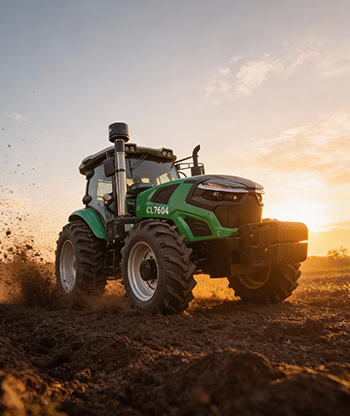
You invest in durable, high-quality tools instead of spreading your budget across many items. This approach ensures each tool lasts longer and performs reliably. You also reduce the risk of losing or misplacing tools, which often happens with larger, cluttered toolkits.
Tip: Focus on maintaining your five essential tools. Clean and inspect them regularly to ensure they are always ready for use.
You can find more maintenance strategies and connect with other owners on agriculture forums and social media groups.
By relying on these five tools, you simplify your maintenance routine, save money, and keep your Tractor in top condition for years to come.
You only need five essential tools to keep your tractor in top shape. Agricultural experts highlight that selecting versatile, high-quality tools boosts efficiency and productivity. Focusing on the basics helps you avoid unnecessary expenses and clutter. Consider using a simple checklist to organize your toolkit:
Regular maintenance with these essentials can reduce repair costs by up to 25%.
Simplicity leads to greater efficiency and peace of mind in every season.
You need an adjustable wrench, screwdriver set, pliers, tire pressure gauge, and a heavy-duty flashlight. These tools cover most routine maintenance and emergency repairs. You can handle bolts, screws, wires, tires, and low-light situations with this set.
You should check tire pressure before every major job or at least once a week during busy seasons. Consistent checks help you prevent uneven wear and improve safety. Always use a gauge designed for tractor tires.
You can use some household tools, but specialized tractor tools offer better durability and fit. Tractor repairs often require stronger, more precise tools. You reduce the risk of damage and injury by using equipment designed for heavy-duty tasks.
You need a heavy-duty flashlight for reliability in harsh conditions. Tractor work often happens outdoors and in low light. Heavy-duty models resist water, dust, and impacts. You get brighter light and longer battery life, which improves safety.
You should clean your tools after each use. Store them in a dry, organized toolbox. Inspect for rust or damage regularly. Lubricate moving parts on pliers and wrenches. Proper care extends tool life and ensures readiness.
You should choose a set with both flathead and Phillips screwdrivers. Multi-bit options add flexibility for different screw types. You cover most fasteners found on tractors with these choices.
You can handle most emergencies with these five tools. For specialized repairs, you may need additional equipment. However, these essentials address the majority of issues you will face in the field.
You should use a compact, sturdy toolbox. Arrange tools by function. Keep frequently used items within easy reach. A checklist helps you track your essentials and prevents loss.




-1.png)