Welcome to Shandong Qilu Industrial Co., Ltd

 English
 Arabic
 Bulgarian
 Bengali
 Czech
Czech
 Danish
 German
 Greek
Greek
 Spanish
 Finnish
 French
 Hindi
Hindi
 Croatian
 Hungarian
 Indonesian
 Italian
 Japanese
 Korean
 Lithuanian
 Dutch
Dutch
 Norwegian
 Polish
 Portuguese
 Romanian
 Russian
 Slovak
 Slovenian
 Swedish
 Thai
Thai
 Turkish
 Ukrainian
 Vietnamese
 Tagalog
 Malay
Malay
 Estonian
 Catalan
 Latvian
 Urdu
Urdu
 Serbian
 Persian
 Swahili
 Albanian
 Armenian
 Icelandic
 Bosnian
 Luxembourgish
 Afrikaans
English Arabic
Bulgarian
Bengali
Czech
Danish
German
Greek
Spanish
Finnish
French
Hindi
Croatian
Hungarian
Indonesian
Italian
Japanese
Korean
Lithuanian
Dutch
Norwegian
Polish
Portuguese
Romanian
Russian
Slovak
Slovenian
Swedish
Thai
Turkish
Ukrainian
Vietnamese
Tagalog
Malay
Estonian
Catalan
Latvian
Urdu
Serbian
Persian
Swahili
Albanian
Armenian
Icelandic
Bosnian
Luxembourgish
Afrikaans
Afrikaans
English Arabic
Bulgarian
Bengali
Czech
Danish
German
Greek
Spanish
Finnish
French
Hindi
Croatian
Hungarian
Indonesian
Italian
Japanese
Korean
Lithuanian
Dutch
Norwegian
Polish
Portuguese
Romanian
Russian
Slovak
Slovenian
Swedish
Thai
Turkish
Ukrainian
Vietnamese
Tagalog
Malay
Estonian
Catalan
Latvian
Urdu
Serbian
Persian
Swahili
Albanian
Armenian
Icelandic
Bosnian
Luxembourgish
Afrikaans
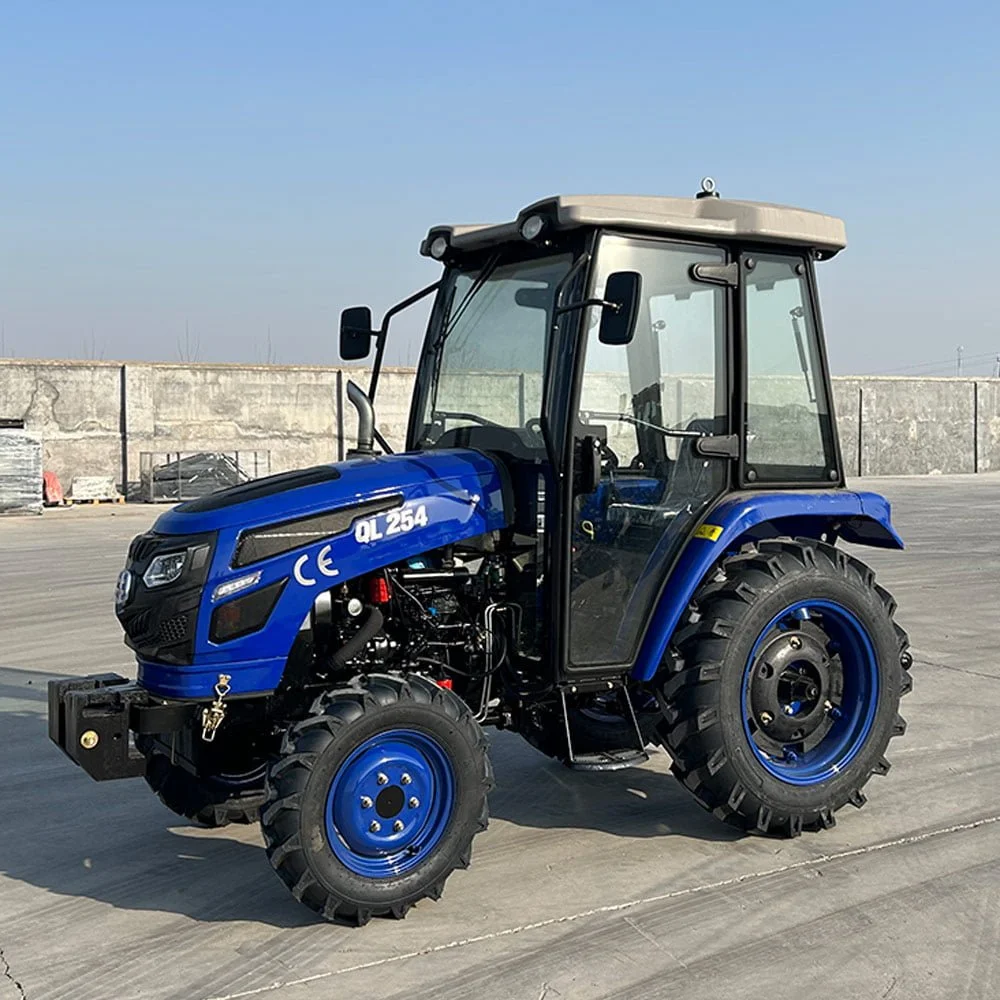
Big Tractor vs. Small Tractor: Which One Do You Need?
In this comprehensive guide, we will explore the key differences between big tractors and small tractors, their advantages and disadvantages.
Introduction
Tractors play a pivotal role in modern farming and construction, and choosing the right one is essential for maximizing efficiency and productivity. The decision between a big tractor and a small tractor is influenced by various factors, including the size of your operation, terrain type, tasks to be performed, and budget.
In this comprehensive guide, we will explore the key differences between big tractors and small tractors, their advantages and disadvantages, and factors to consider when deciding which one is best suited for your needs. Whether you’re a small-scale farmer, a landscaper, or managing a large agricultural operation, understanding these distinctions is critical to making an informed decision.
What is a Big Tractor?
Defining Big Tractors
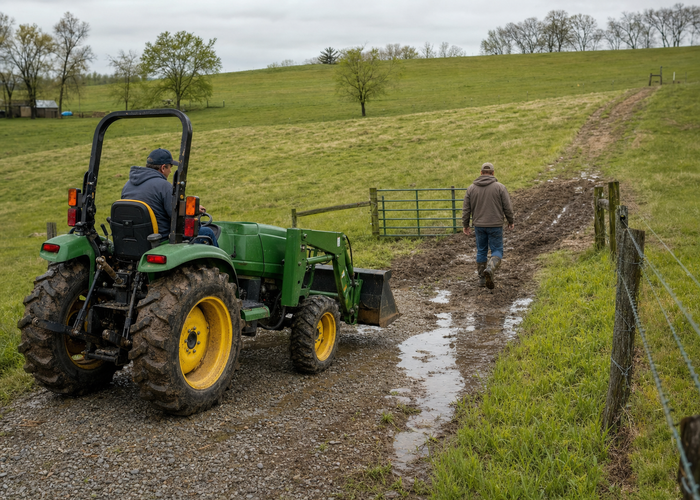
A big tractor is typically characterized by its size, horsepower, and ability to handle large, heavy-duty tasks. These tractors are designed for large-scale farming, construction projects, and industrial tasks. With higher horsepower, big tractors are capable of pulling heavy equipment, plowing vast fields, and performing a wide range of challenging tasks.
Big tractors usually come equipped with advanced features such as four-wheel drive, large tires, and hydraulic systems to facilitate demanding tasks such as lifting, towing, and hauling. They are ideal for large farms, construction sites, and operations that require frequent use of heavy implements.
Advantages of Big Tractors
- Powerful Performance: Can handle demanding tasks with ease, such as plowing, tilling, and harvesting on large scales.
- Versatility: Capable of operating with a variety of heavy-duty implements, from seeders to cultivators to mowers.
- Efficiency: Faster operation due to their larger engines and ability to cover more ground.
- Durability: Designed to withstand harsh working conditions and high operational hours.
Disadvantages of Big Tractors
- Higher Initial Cost: Big tractors tend to be more expensive than smaller models, both in terms of purchase price and maintenance.
- Fuel Consumption: With their powerful engines, big tractors can consume a significant amount of fuel.
- Maneuverability: They can be difficult to maneuver in smaller spaces or on smaller properties.
What is a Small Tractor?
Defining Small Tractors
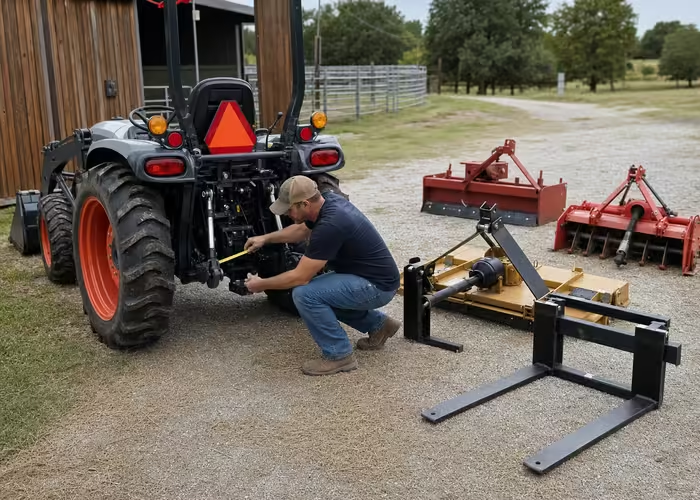
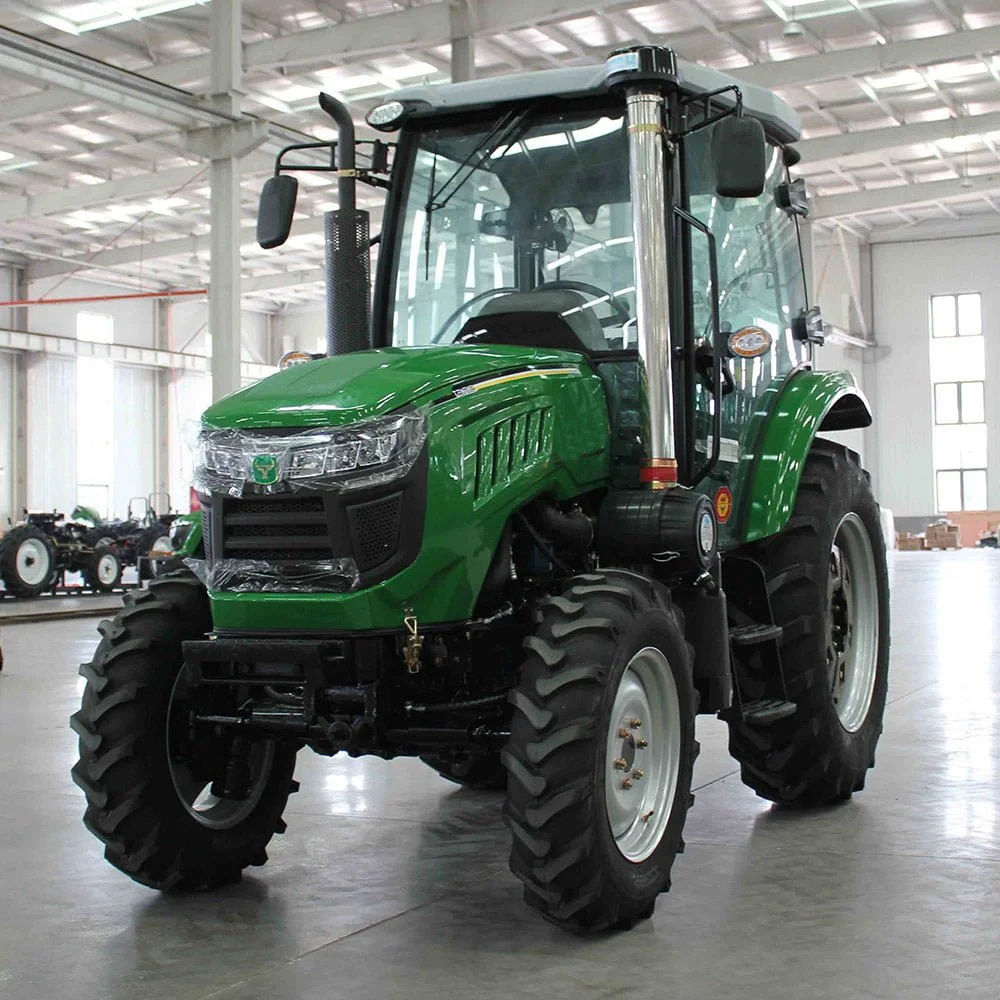
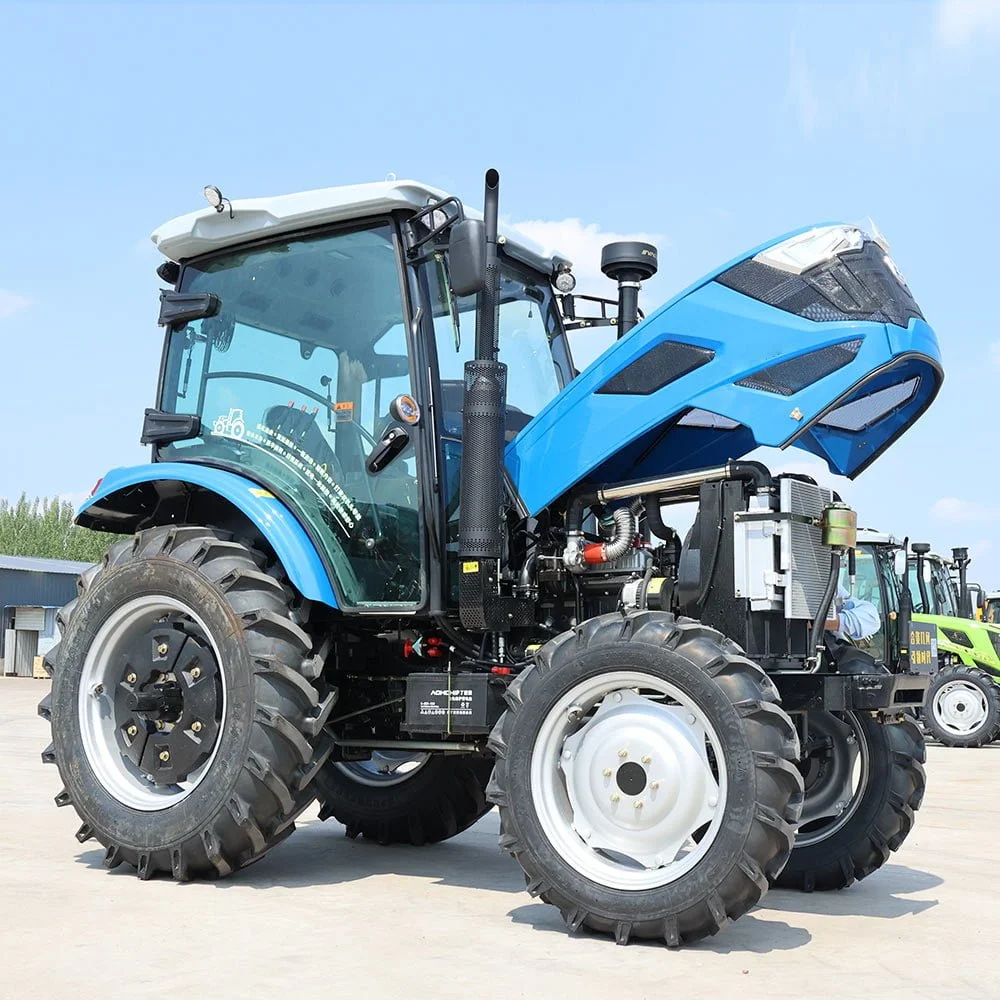
A small tractor, often referred to as a compact tractor, is designed for lighter-duty tasks. It typically has a smaller engine, lower horsepower, and is easier to maneuver than larger models. Small tractors are perfect for residential properties, small farms, and landscaping tasks that require less power but still need a dependable and efficient machine.
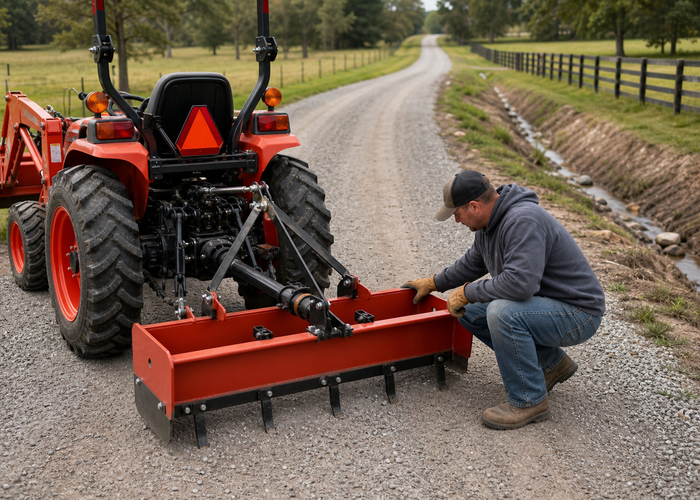
Despite their smaller size, small tractors can still perform a wide range of tasks with the right attachments, including mowing, digging, hauling, and even tilling. They are popular among hobby farmers, homeowners, and smaller-scale agricultural operations.
Advantages of Small Tractors
- Cost-Effective: Smaller tractors come at a more affordable price point compared to big tractors.
- Fuel Efficiency: They consume less fuel due to their smaller engines.
- Maneuverability: Ideal for navigating tight spaces, smaller fields, and residential areas.
- Ease of Use: Small tractors are generally easier to operate, making them suitable for first-time users and smaller tasks.
Disadvantages of Small Tractors
- Limited Power: Small tractors may struggle with heavy-duty tasks, such as pulling large implements or working on rough terrain.
- Smaller Working Capacity: They are better suited for lighter tasks, so they might not be efficient for large-scale farming operations.
- Lower Durability: Small tractors may not be built for the same harsh conditions as larger tractors.
Key Differences Between Big Tractors and Small Tractors
Power and Performance
Big tractors offer significantly more horsepower, allowing them to handle larger, more demanding tasks such as deep plowing, cultivating large fields, and transporting heavy loads. In contrast, small tractors are better suited for lighter tasks like lawn mowing, tilling small plots of land, or hauling light materials.
Versatility and Attachment Compatibility
Big tractors can handle a broader range of implements and heavy-duty attachments like large plows, seeders, and spreaders. Small tractors, while versatile in their own right, may struggle with the weight and demands of larger attachments.
Maneuverability
One of the key advantages of small tractors is their ability to navigate tighter spaces. They are ideal for small farms, orchards, and residential properties where space is limited. Big tractors, on the other hand, are better suited for larger open fields but can be difficult to use in confined or challenging spaces.
Fuel Efficiency and Maintenance
Small tractors are more fuel-efficient and cost-effective, making them ideal for everyday, lighter tasks. Big tractors consume more fuel and have higher maintenance costs, but they are built to endure tough conditions over extended periods.
Initial Investment and Operating Costs
Big tractors require a higher initial investment, and their operating costs, including fuel and maintenance, are typically higher. Small tractors, while less expensive to purchase and maintain, may not be able to handle the workload required for larger agricultural or construction tasks.
Comparison Table: Big Tractor vs. Small Tractor
The table below outlines the key differences between a big tractor and a small tractor:
| Feature | Big Tractor | Small Tractor |
|---|---|---|
| Horsepower | 100 HP or more | 20-70 HP |
| Suitable Tasks | Large-scale farming, heavy-duty construction, large land cultivation | Lawn care, small farming, landscaping, light hauling |
| Cost | High initial cost and maintenance | Lower initial cost and maintenance |
| Fuel Efficiency | Lower fuel efficiency due to larger engine | Higher fuel efficiency due to smaller engine |
| Maneuverability | Less maneuverable in tight spaces | Easier to maneuver in tight or small spaces |
| Durability | Built for long hours and tough conditions | Less durable for heavy-duty tasks |
| Versatility | Can handle a wide range of heavy-duty attachments | Limited compatibility with heavy-duty attachments |
When to Choose a Big Tractor
- Large-scale farming: Big tractors are essential for covering vast areas and performing heavy tasks such as plowing, tilling, and hauling large loads.
- Construction and industrial projects: If you need to move heavy materials, operate large equipment, or handle tough working conditions, a big tractor will meet your needs.
- Landowners with expansive properties: For those with large agricultural plots or industrial sites, big tractors provide the power needed to get the job done quickly and efficiently.
When to Choose a Small Tractor
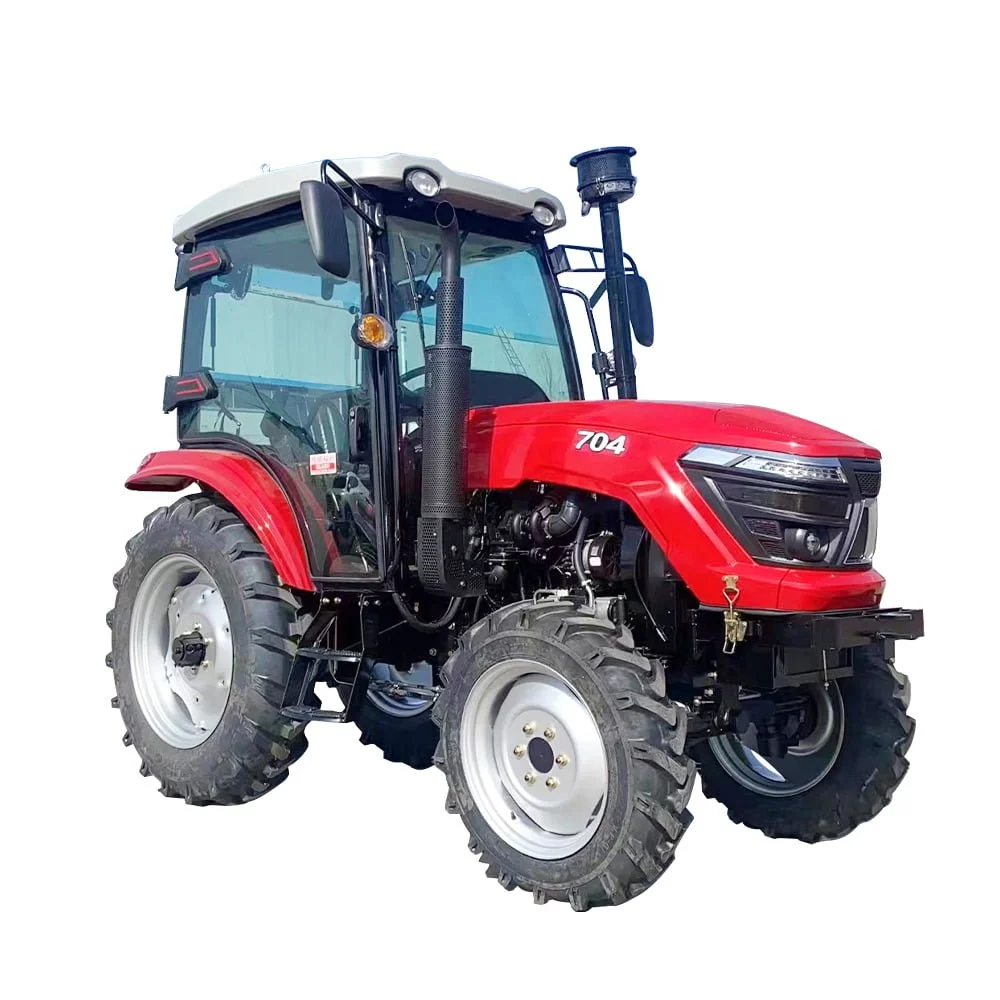
- Residential or small-scale farming: A small tractor is perfect for tasks like mowing, tilling small gardens, or hauling light materials around residential properties or small farms.
- Landscaping businesses: Small tractors can navigate narrow spaces and work in residential areas, making them ideal for landscaping tasks.
- Budget-conscious buyers: If you’re looking for a cost-effective solution without sacrificing essential functionality, a small tractor may be the right choice.
Conclusion
Choosing between a big tractor and a small tractor depends largely on your needs, the scale of your operation, and your budget. Big tractors are perfect for large-scale, heavy-duty tasks, while small tractors offer cost-effective solutions for lighter, everyday work.
By considering the tasks you need to perform, the terrain, and your long-term goals, you can select the tractor that will help you optimize your productivity and efficiency.
FAQ
Which tractor is better for large farms?
A big tractor is better suited for large farms because of its power, speed, and ability to handle heavy-duty tasks over large areas.
Can a small tractor handle heavy-duty work?
While small tractors are versatile, they may not be able to handle heavy-duty tasks such as deep plowing or pulling large implements.
What is the price difference between a big and small tractor?
Big tractors generally cost more upfront, both in terms of the purchase price and ongoing maintenance. Small tractors are more affordable for those on a budget.
How long do tractors last?
The lifespan of a tractor depends on maintenance and usage, but both big and small tractors can last for decades with proper care.
Can a small tractor be used for heavy-duty tasks?
Small tractors can handle light-to-medium tasks but may not be as effective for heavy-duty agricultural or industrial tasks.