Welcome to Shandong Qilu Industrial Co., Ltd

 English
 Arabic
 Bulgarian
 Bengali
 Czech
Czech
 Danish
 German
 Greek
Greek
 Spanish
 Finnish
 French
 Hindi
Hindi
 Croatian
 Hungarian
 Indonesian
 Italian
 Japanese
 Korean
 Lithuanian
 Dutch
Dutch
 Norwegian
 Polish
 Portuguese
 Romanian
 Russian
 Slovak
 Slovenian
 Swedish
 Thai
Thai
 Turkish
 Ukrainian
 Vietnamese
 Tagalog
 Malay
Malay
 Estonian
 Catalan
 Latvian
 Urdu
Urdu
 Serbian
 Persian
 Swahili
 Albanian
 Armenian
 Icelandic
 Bosnian
 Luxembourgish
 Afrikaans
English Arabic
Bulgarian
Bengali
Czech
Danish
German
Greek
Spanish
Finnish
French
Hindi
Croatian
Hungarian
Indonesian
Italian
Japanese
Korean
Lithuanian
Dutch
Norwegian
Polish
Portuguese
Romanian
Russian
Slovak
Slovenian
Swedish
Thai
Turkish
Ukrainian
Vietnamese
Tagalog
Malay
Estonian
Catalan
Latvian
Urdu
Serbian
Persian
Swahili
Albanian
Armenian
Icelandic
Bosnian
Luxembourgish
Afrikaans
Afrikaans
English Arabic
Bulgarian
Bengali
Czech
Danish
German
Greek
Spanish
Finnish
French
Hindi
Croatian
Hungarian
Indonesian
Italian
Japanese
Korean
Lithuanian
Dutch
Norwegian
Polish
Portuguese
Romanian
Russian
Slovak
Slovenian
Swedish
Thai
Turkish
Ukrainian
Vietnamese
Tagalog
Malay
Estonian
Catalan
Latvian
Urdu
Serbian
Persian
Swahili
Albanian
Armenian
Icelandic
Bosnian
Luxembourgish
Afrikaans
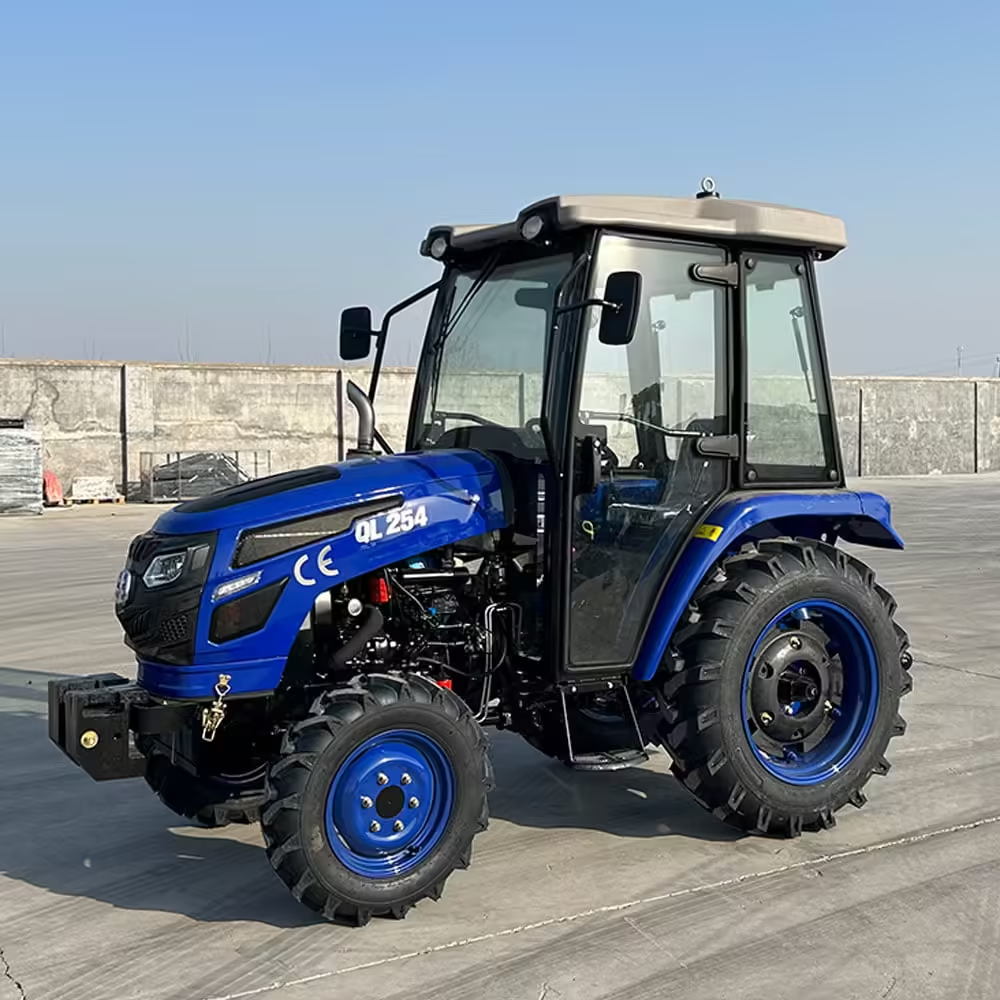
The Environmental Impact of Modern Farm Tractors

Farm tractors, the workhorses of agriculture, have evolved significantly over the years, becoming powerful and efficient machines that are indispensable in modern farming. While these tractors have undoubtedly revolutionized agriculture, their increased power and mechanization have raised concerns about their environmental impact. In this comprehensive exploration, we will delve deep into the environmental consequences of modern farm tractors, analyzing their contributions to issues such as greenhouse gas emissions, soil degradation, and biodiversity loss. We will also discuss innovative solutions and practices aimed at mitigating these impacts for a more sustainable agricultural future.
The Evolution of Farm Tractors: A Brief Overview
Before we dive into the environmental impact, let’s take a brief look at the evolution of farm tractors.Early Tractors: A Revolution in Agriculture
The introduction of gasoline-powered tractors in the late 19th century marked a significant turning point in agriculture. These early tractors replaced animal-drawn plows and provided greater power and efficiency for farmers.The Diesel Era: Power and Productivity
The 20th century saw the widespread adoption of diesel-powered tractors. These machines offered even more power and productivity, allowing farmers to cultivate larger areas of land.Modern Tractors: Technology and Precision
Today’s farm tractors are equipped with advanced technology, including GPS guidance systems, data analytics, and automated steering. This has ushered in the era of precision agriculture, where every action in the field is optimized for efficiency.The Environmental Impact of Modern Farm Tractors
Greenhouse Gas Emissions
Modern farm tractors, particularly those with diesel engines, are significant contributors to greenhouse gas emissions. The combustion of diesel fuel releases carbon dioxide (CO2), a major greenhouse gas that contributes to global warming. Nitrous oxide (N2O), another potent greenhouse gas, can also be emitted from tractors due to the use of nitrogen-based fertilizers.Mitigation Strategies
- Alternative Fuels: Research into alternative fuels such as biodiesel and electric tractors aims to reduce emissions.
- Improved Fuel Efficiency: Advancements in engine design and hybrid technology are increasing fuel efficiency, lowering emissions.
Soil Compaction
The weight and size of modern tractors can lead to soil compaction, a phenomenon where the soil becomes densely packed and less permeable. This can harm soil structure, reduce water infiltration, and impede root growth, ultimately affecting crop yields.Mitigation Strategies
- Precision Agriculture: GPS-guided tractors can help minimize overlap and reduce the number of tractor passes, reducing soil compaction.
- Tire Technology: Innovative tire designs and materials can distribute weight more evenly and minimize compaction.
Biodiversity Loss
The conversion of natural habitats for agricultural purposes, often facilitated by the use of tractors, can lead to biodiversity loss. This loss of biodiversity can have cascading effects on ecosystems and disrupt natural processes.Mitigation Strategies
- Conservation Farming: Practices such as no-till farming and cover cropping can help protect natural habitats and promote biodiversity.
- Buffer Zones: Creating buffer zones around fields can provide habitat for wildlife.
Pesticide and Fertilizer Runoff
Tractors are used for the application of pesticides and fertilizers, which can lead to runoff into water bodies. This runoff can pollute water sources, harm aquatic ecosystems, and pose risks to human health.Mitigation Strategies
- Precision Application: GPS-guided tractors can apply pesticides and fertilizers with greater precision, reducing runoff.
- Integrated Pest Management: Implementing integrated pest management practices can minimize the need for excessive pesticide use.