Welcome to Shandong Qilu Industrial Co., Ltd

 English
 Arabic
 Bulgarian
 Bengali
 Czech
Czech
 Danish
 German
 Greek
Greek
 Spanish
 Finnish
 French
 Hindi
Hindi
 Croatian
 Hungarian
 Indonesian
 Italian
 Japanese
 Korean
 Lithuanian
 Dutch
Dutch
 Norwegian
 Polish
 Portuguese
 Romanian
 Russian
 Slovak
 Slovenian
 Swedish
 Thai
Thai
 Turkish
 Ukrainian
 Vietnamese
 Tagalog
 Malay
Malay
 Estonian
 Catalan
 Latvian
 Urdu
Urdu
 Serbian
 Persian
 Swahili
 Albanian
 Armenian
 Icelandic
 Bosnian
 Luxembourgish
 Afrikaans
English Arabic
Bulgarian
Bengali
Czech
Danish
German
Greek
Spanish
Finnish
French
Hindi
Croatian
Hungarian
Indonesian
Italian
Japanese
Korean
Lithuanian
Dutch
Norwegian
Polish
Portuguese
Romanian
Russian
Slovak
Slovenian
Swedish
Thai
Turkish
Ukrainian
Vietnamese
Tagalog
Malay
Estonian
Catalan
Latvian
Urdu
Serbian
Persian
Swahili
Albanian
Armenian
Icelandic
Bosnian
Luxembourgish
Afrikaans
Afrikaans
English Arabic
Bulgarian
Bengali
Czech
Danish
German
Greek
Spanish
Finnish
French
Hindi
Croatian
Hungarian
Indonesian
Italian
Japanese
Korean
Lithuanian
Dutch
Norwegian
Polish
Portuguese
Romanian
Russian
Slovak
Slovenian
Swedish
Thai
Turkish
Ukrainian
Vietnamese
Tagalog
Malay
Estonian
Catalan
Latvian
Urdu
Serbian
Persian
Swahili
Albanian
Armenian
Icelandic
Bosnian
Luxembourgish
Afrikaans
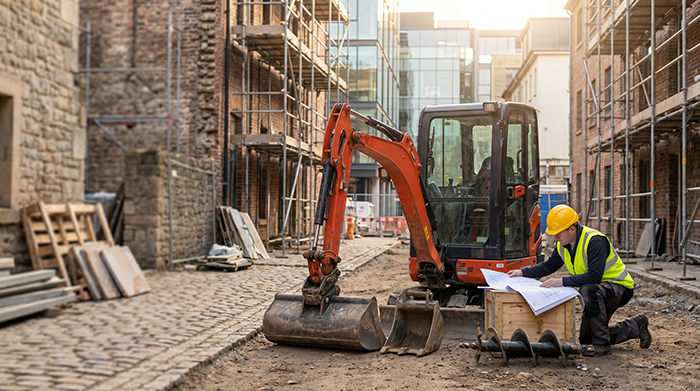
Digging Depths and Forces: Matching Excavator Power to Your Projects
You can maximize your project’s success by matching excavator power and digging depth to your specific site needs. Understanding these factors helps you avoid over-excavation, reduce fuel use, and limit machine wear. When you select the right machine, you prevent extra material hauling and cut down on maintenance costs. Modern systems now deliver precise measurements, so you can dig accurately and avoid costly rework. Always consider both technical specs and the real challenges your project presents.
Key Takeaways
- Match excavator power to your project needs to avoid delays and extra costs.
- Understand digging depth and force to select the right machine for your site conditions.
- Check soil type before choosing an excavator to prevent equipment damage and inefficiency.
- Use technology for precise measurements to enhance accuracy and reduce rework.
- Inspect machines thoroughly before renting to ensure they meet your project requirements.
- Consider both digging depth and reach to maximize efficiency and minimize repositioning.
- Consult with experts or dealers for tailored advice on equipment selection.
- Plan for the toughest conditions to ensure safety and project success.
Why Digging Depth and Force Matter
Project Impact
When you start an excavation project, you need to consider both how deep you must dig and how much force your machine can deliver. These two factors shape your entire workflow. If you choose a machine with the right digging depth, you meet project specifications and avoid delays. The force your excavator applies determines how easily you break through tough soil or rock.
- Digging depth sets the limit for how far you can reach underground.
- Digging force measures the hydraulic power your machine uses to cut through different materials.
- Soil composition changes everything. Soft soil lets you dig deeper with less effort, while dense clay or rocky ground can stop your progress.
- Terrain stability matters. Flat ground supports deeper digging, but slopes can make your machine less effective.
- Machine size plays a role. Larger excavators reach deeper and handle tougher jobs, but they may not fit every site.
Imagine you need to install a sewer line six feet below ground. If your excavator cannot reach that depth, you risk extra labor and rental costs. If the soil is rocky and your machine lacks force, you may face delays or even damage equipment. Matching excavator power to your project helps you avoid these problems.
Common Issues
Many projects run into trouble when the chosen excavator cannot handle the site conditions. You might see these issues:
- The machine stalls or struggles in compacted soil.
- The bucket cannot reach the required depth, forcing you to dig by hand.
- The excavator becomes unstable on uneven terrain.
- You spend more time and money fixing mistakes or renting extra equipment.
You can prevent these problems by checking your site’s soil type, measuring the required depth, and reviewing your machine’s specs before work begins. Always plan for the toughest conditions you might face.
Safety and Efficiency
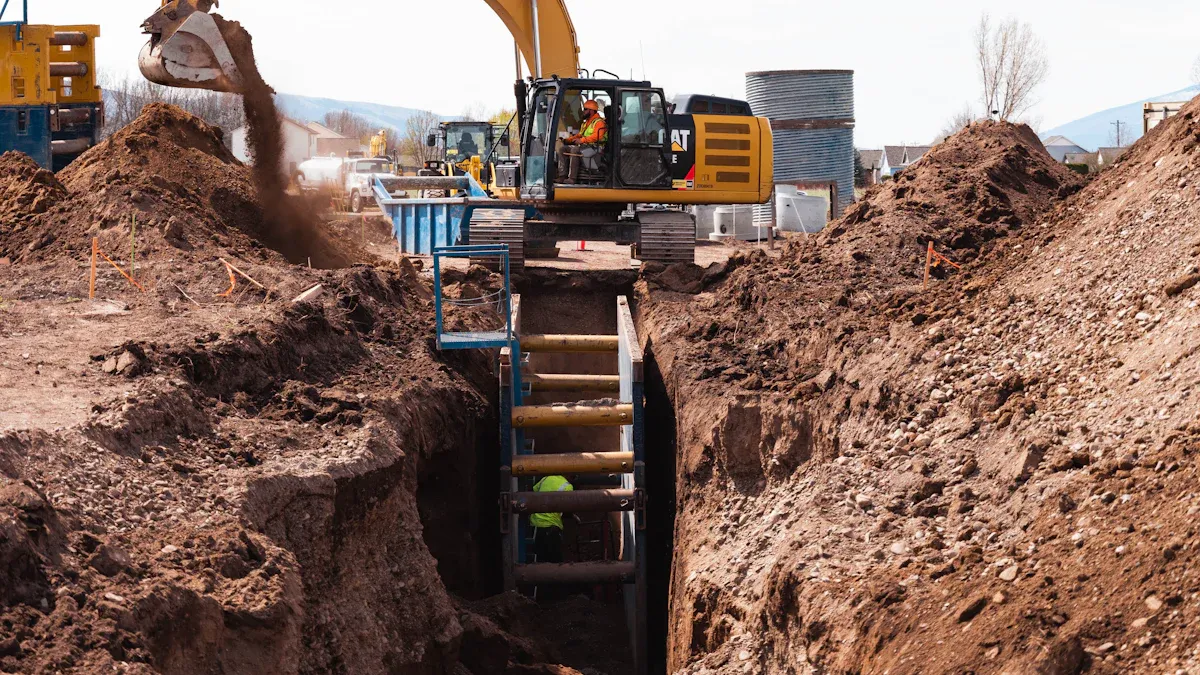
Proper digging depth and force do more than keep your project on track—they keep your crew safe. The right machine reduces the risk of soil collapse and other accidents. You should always follow safety protocols and use protective systems, especially for trenches deeper than five feet.
| Aspect | Explanation |
|---|---|
| Proper Digging Depth | Ensures that the excavation is safe and reduces the risk of soil collapse, which can lead to accidents. |
| Protective Systems | Required for trenches deeper than five feet, but recommended for all depths to enhance safety. |
| Daily Inspections | Ongoing checks are necessary to adapt to changing soil conditions, ensuring continuous safety. |
| Access and Egress Points | Should be within 25 feet of workers to facilitate quick escape in case of emergencies. |
You can boost efficiency by using technology that measures depth and force in real time. This helps you dig accurately and avoid rework. Matching excavator power to your needs also means less fuel use and lower maintenance costs. When you plan ahead, you protect your team and your budget.
Key Specs for Matching Excavator Power
Engine Power and Hydraulic Flow
You need to understand how engine power and hydraulic flow affect your excavator’s performance. Engine power, measured in horsepower or kilowatts, determines how much work your machine can handle. Hydraulic flow, measured in gallons or liters per minute, controls how quickly the boom, arm, and bucket move. High engine power lets you tackle heavy workloads, while strong hydraulic flow means faster cycles and more efficient digging.
Tip: Check both the engine’s horsepower and the hydraulic system’s flow rate before you choose a machine. More power and higher flow rates help you break through tough materials and complete tasks faster.
- Engine power affects workload capacity.
- Hydraulic flow rate is crucial for performance.
- Operating pressure impacts hydraulic efficiency.
- Lifting capacity at different reach distances matters for safety and productivity.
- Bucket capacity influences how much material you move per cycle.
Pressure in the hydraulic system controls the force your excavator can exert. Higher pressure means more digging force, which is essential for breaking hard ground or lifting heavy loads. Flow controls speed, so higher flow rates let you finish jobs more quickly.
| Specification | What It Means for You |
|---|---|
| Engine Power | Handles heavy workloads and tough materials |
| Hydraulic Flow Rate | Delivers faster boom, arm, and bucket movements |
| Operating Pressure | Increases digging force and lifting ability |
| Bucket Capacity | Moves more material per cycle, boosting efficiency |
| Lifting Capacity | Ensures safe handling of heavy objects |
Arm and Boom Configuration
The arm and boom configuration shapes how your excavator performs on the job. Short arms give you more breakout force and better control, which helps when you dig in compacted soil or rock. Long arms extend your reach and digging depth, making them useful for wide trenches or deep pits. However, longer arms can reduce lifting capacity and stability, especially in challenging conditions.
You should match the arm and boom setup to your project’s needs. If you work in tight spaces or need to lift heavy objects, choose a shorter arm. For projects that require extended reach, such as cleaning ditches or working over obstacles, a longer arm works better.
- Longer booms and arms provide greater reach and digging depth.
- Shorter arms enhance breakout force and lifting capacity.
- The right configuration improves efficiency and safety.
Note: More reach can mean less strength. Always balance reach and force based on your site’s demands.
Digging Depth and Reach
Digging depth and reach are two of the most important specs when matching excavator power to your project. Digging depth tells you how far below ground you can work. Reach measures how far the bucket can extend from the machine. These specs determine if you can complete tasks like trenching, foundation work, or utility installation without repositioning your excavator.
You should always check the required depth and reach for your project before selecting a machine. For example, standard 20-tonne excavators usually dig 6–7 meters deep. Long-reach models can exceed 10 meters, which is helpful for large-scale or specialized jobs.
| Excavator Class | Typical Digging Depth | Typical Reach |
|---|---|---|
| Mini | 2–4 meters | 4–6 meters |
| Standard (20-tonne) | 6–7 meters | 8–10 meters |
| Long-reach | 10+ meters | 12+ meters |
Actionable Tip: Measure your site’s deepest point and farthest reach before you rent or buy. This ensures you pick the right machine and avoid costly delays.
Matching Excavator Power to your project means looking at all these specs together. You need to balance engine power, hydraulic flow, arm configuration, and digging depth to get the best results. When you understand these factors, you make smarter choices and keep your project on track.
Breakout Force
You need to understand breakout force when you select an excavator for your project. Breakout force is the maximum force your machine can apply to break through tough materials like compacted soil, clay, or rock. This measurement tells you how well your excavator can dig, lift, and move material in challenging conditions. Machines with higher breakout force finish jobs faster and handle difficult tasks with less effort.
Several factors influence breakout force:
- Size and weight of the excavator
- Type of bucket or attachment you use
- Design of the arm and boom
- Power of the hydraulic system
You measure breakout force by calculating the maximum force at the bucket’s tip as the hydraulic system pushes against resistance. Manufacturers usually provide this number in the machine’s specifications. You should always check this value before you rent or buy an excavator.
Tip: If you expect to dig in rocky or compacted ground, choose a machine with higher breakout force. This choice helps you avoid delays and reduces the risk of equipment damage.
Why Breakout Force Matters
Breakout force directly impacts the efficiency and productivity of your excavation work. When you use a machine with enough force, you break through tough materials quickly. This means you spend less time on each task and lower your operational costs. If your excavator lacks breakout force, you may struggle to dig, which leads to longer project times and higher expenses.
Case Study: Trenching in Hard Clay
Imagine you need to dig a trench for a water line in an area with hard clay. You select an excavator with high breakout force after reviewing the specs. The machine cuts through the clay without stalling or slowing down. You finish the trench on schedule and avoid extra labor costs. If you had chosen a machine with lower breakout force, you might have needed to switch to hand tools or rent a larger excavator, both of which increase costs and delay the project.
How to Use Breakout Force in Matching Excavator Power
- Assess your site’s soil and material type.
- Review the breakout force listed in the excavator’s specifications.
- Compare the force to the toughest material you expect to encounter.
- Choose a machine that exceeds your minimum requirements for force.
- Test the machine on-site if possible, especially for critical jobs.
You should always include breakout force in your checklist when Matching Excavator Power to your project. This step ensures you select a machine that can handle the toughest parts of your job, keeping your project on track and within budget.
Evaluating Project Needs
Soil and Material Type
You need to start every excavation project by understanding the soil and material type at your site. Soil conditions can change how your excavator performs. Sandy soil allows for easier digging, while compacted clay or rocky ground demands more power and specialized equipment. If you work with wet soils, you may need machines with tailored specifications to prevent bogging down.
- Rocky or compacted clay soils require excavators in the 20-35 ton class with high engine power and heavy-duty features.
- Wet soils and deep excavations call for specialized machines with enhanced stability and drainage capabilities.
- Project scale, attachment compatibility, and weather conditions also influence your choice.
Before you begin, conduct soil testing to learn about ground strength, stability, and drainage. This step helps you avoid surprises and ensures your machine matches the job. For example, a contractor working in a new subdivision discovered a layer of hard clay beneath the topsoil. By switching to a larger excavator with higher breakout force, the team finished the trenching work on schedule and avoided extra costs.
Tip: Always check the soil type before selecting your excavator. This step saves time and prevents equipment damage.
Required Depth and Reach
You must determine the exact depth and reach your project requires. These measurements guide your equipment selection and help you avoid delays. Start by conducting a geotechnical investigation to evaluate soil stability. Next, perform a topographical survey to map land features. Draft a structural design that meets safety standards and building codes.
- Conduct a geotechnical investigation for soil stability.
- Perform a topographical survey to map the area.
- Draft a structural design that meets safety standards.
Consider frost depth in colder climates. Foundations must go below the frost line to prevent damage from freeze-thaw cycles. Heavier structures need deeper foundations to transfer loads to stable soil layers. Soil conditions dictate the necessary depth for a secure foundation.
A case study from a school construction site highlights this process. The project required foundation trenches below the frost line. The team used soil testing to confirm the depth and chose an excavator with enough reach to complete the work in one setup. This approach reduced repositioning and kept the project on schedule.
Note: Accurate measurements of depth and reach help you select the right excavator and avoid costly rework.
Space and Access
Space and access play a crucial role in your equipment choice. If you work in a confined area, maneuverability becomes essential. Urban projects or sites near existing structures often require compact excavators that can navigate tight spaces without damaging nearby infrastructure.
- Maneuverability and ease of access are vital for confined spaces.
- Smaller excavators work best near structures or in delicate environments.
- The layout and physical constraints of your site determine the right excavator size.
Imagine a landscaping project in a city park. The crew needed to dig trenches for irrigation lines between mature trees and playground equipment. They selected a mini excavator with a short tail swing for maximum maneuverability. This choice allowed them to work efficiently without disturbing the park’s features.
Actionable Advice: Survey your site for obstacles and measure available space before choosing your excavator. This step ensures safe operation and prevents delays.
Matching Excavator Power to your project means evaluating soil type, required depth and reach, and space constraints. When you assess these factors, you make informed decisions and set your project up for success.
Excavation Design
Excavation design forms the blueprint for your entire project. You need to understand the design before you select an excavator. The design outlines the shape, size, and depth of the area you plan to dig. It also describes the slope of the sides, the type of material you will remove, and any special requirements for the site.
You should always review the excavation design with your team. This step helps you match the right machine to the job. When you know the details, you can choose an excavator that fits the project’s needs. Here are some ways excavation design affects your equipment choice:
- The design lists the exact digging depth you need to reach.
- It shows the width and length of the area, which affects bucket size and reach.
- It identifies the type of soil or rock, which influences the power and hydraulic flow you require.
- It highlights any obstacles or tight spaces, which may require a compact or specialized excavator.
Tip: Always align your excavator’s specifications with the excavation design. This approach saves time and prevents costly mistakes.
You should pay close attention to three key specifications:
| Specification | Why It Matters in Design |
|---|---|
| Bucket Capacity | Matches the volume of material to move |
| Hydraulic Flow | Ensures smooth and efficient operation |
| Digging Depth | Reaches the required project depth |
Suppose you need to dig a foundation for a small building. The design calls for a trench that is 1.5 meters wide and 3 meters deep. You check the specs and select an excavator with a bucket that fits the trench width and a boom that reaches the required depth. You also confirm the hydraulic flow supports steady digging in the local soil. This careful match keeps your project on schedule and avoids extra work.
If your design includes sloped sides or benches for safety, you may need an excavator with a tilting bucket or adjustable boom. For projects near existing structures, you might choose a machine with a short tail swing for better maneuverability.
You should always consult with an experienced operator or project manager when reviewing the design. They can help you understand how each specification relates to the tasks ahead. This teamwork ensures you select the right machine for every part of the job.
Actionable Advice: Before you rent or buy, compare the excavation design with the machine’s specs. Make a checklist of depth, width, soil type, and any special features. This step helps you avoid delays and keeps your project running smoothly.
By focusing on excavation design, you set the foundation for a successful project. You ensure your equipment matches the real demands of the job, which leads to safer, faster, and more cost-effective work.
Excavator Classes Overview
Mini Excavators
Depths and Forces
Mini excavators weigh under 6 tons and deliver between 10 and 70 horsepower. You can expect a typical digging depth of 2 to 4 meters. These machines offer limited breakout force, which means they work best in soft or moderately compacted soils. You may notice stability issues if you operate them on uneven terrain or try to lift heavy loads.
Mini excavators have a smaller fuel tank, so you need to refuel more often during long shifts.
Best Uses
You should choose a mini excavator for projects in tight spaces or areas with restricted access. These machines excel at tasks like digging foundations for small structures, excavating utility trenches, and landscaping. You can also use them for light demolition or roadwork, such as laying pipelines or repairing sidewalks.
- Digging pits for drainage in residential yards
- Creating garden beds and terraces in landscaping projects
- Installing irrigation lines in parks with limited space
A landscaping crew once used a mini excavator to install a new garden in a city courtyard. The machine fit through a narrow gate and completed the work without damaging nearby structures. You should avoid using mini excavators for deep trenching or heavy lifting, as their power and reach are limited.
Midsize Excavators
Depths and Forces
Midsize excavators range from 8 to 45 tons and provide 70 to 300 horsepower. You can dig deeper and handle tougher materials compared to mini models. Typical digging depths reach 6 to 7 meters, with enough breakout force for compacted soil and light rock.
Midsize excavators balance power and maneuverability, making them suitable for most construction sites.
Best Uses
You should select a midsize excavator for medium-scale construction, utility installation, or roadwork. These machines handle foundation excavation for commercial buildings, trenching for water mains, and grading for roadbeds.
- Digging foundations for schools or office buildings
- Excavating long utility trenches in new subdivisions
- Clearing debris and grading land for new roads
A contractor used a midsize excavator to dig foundation trenches for a school. The machine reached the required depth in one setup, reducing repositioning and keeping the project on schedule.
Full-Size Excavators
Depths and Forces
Full-size excavators weigh over 50 tons and deliver more than 300 horsepower. You can achieve maximum digging depths of 10 meters or more. These machines provide the highest breakout force, which lets you tackle hard rock, dense clay, and large-scale earthmoving.
Full-size excavators require skilled operators and wide, stable work areas.
Best Uses
You should use a full-size excavator for major infrastructure projects, mining, or large-scale demolition. These machines move bulk material efficiently and handle the toughest site conditions.
- Excavating deep foundations for bridges or high-rise buildings
- Removing large volumes of earth in mining operations
- Demolishing concrete structures on industrial sites
A mining team relied on a full-size excavator to remove overburden and expose mineral seams. The machine’s power and reach made the process efficient and safe.
| Excavator Type | Description | Power & Capabilities |
|---|---|---|
| Mini | Compact, agile, for tight spaces | 10–70 hp, 2–4 m depth, limited force |
| Midsize | Balanced size and power | 70–300 hp, 6–7 m depth, moderate force |
| Full-Size | Maximum power for large projects | 300+ hp, 10+ m depth, highest force |
You can use this overview to guide your Matching Excavator Power decisions for any project.
Digging Depths and Forces Comparison
Summary Table by Class
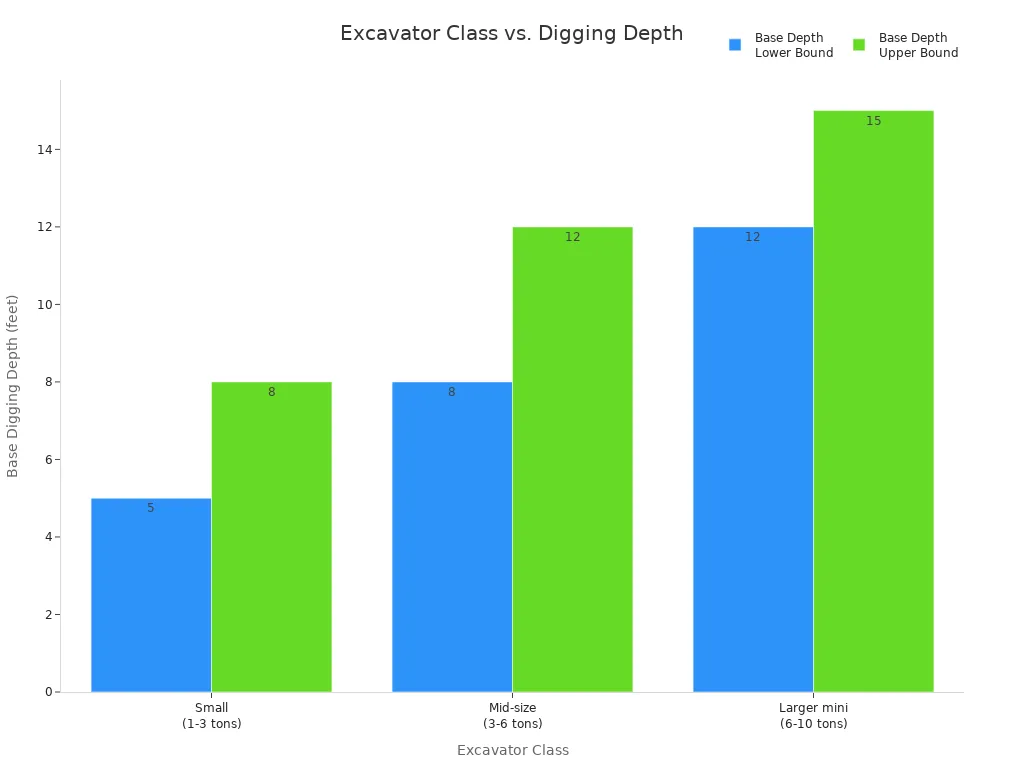
You can compare excavator classes quickly by reviewing their typical digging depths and breakout forces. This table helps you see how each class performs and what you can expect on your jobsite.
| Excavator Class | Operating Weight | Typical Digging Depth | Breakout Force | Notes on Attachments and Reach |
|---|---|---|---|---|
| Small Mini (1–3 tons) | 2,200–6,600 lbs | 5–8 feet | Low | Extended arm adds 1–2 ft; narrow buckets add 6–12 in. |
| Mid-size Mini (3–6 tons) | 6,600–13,200 lbs | 8–12 feet | Moderate | Long reach adds 2–3 ft; specialized buckets optimize depth |
| Larger Mini (6–10 tons) | 13,200–22,000 lbs | 12–15 feet | Higher | Super long reach adds 3–4 ft; heavy attachments may reduce depth by 3–6 in. |
| Midsize (10–45 tons) | 22,000–99,000 lbs | 15–23 feet | High | Standard and long-reach options available |
| Full-Size (50+ tons) | 100,000+ lbs | 23+ feet | Maximum | Designed for deep, heavy-duty excavation |
Tip: Attachments and boom configurations can change your machine’s reach and force. Always check the specs for your exact setup.
Using the Chart
You can use this chart to match the right excavator to your project. Start by identifying the deepest point you need to dig. Next, check the soil type and any obstacles on your site. If you work in a tight space, a mini excavator with a narrow bucket may fit best. For deeper or tougher jobs, you need a midsize or full-size machine.
Consider these steps:
- Measure your required digging depth and reach.
- Check the table for the class that meets or exceeds your needs.
- Factor in attachments. For example, a long-reach arm can add several feet, but heavy buckets may reduce depth.
- Review breakout force. If you expect hard clay or rock, choose a class with higher force.
- Think about efficiency and accuracy. Machines with advanced hydraulics and control systems help you dig faster and more precisely.
- Consider environmental impact. Newer models offer better fuel efficiency and lower emissions, which can help you meet project requirements.
Case Study: A contractor needed to install water lines under a city street. The trench required a 10-foot depth in compacted soil. The team chose a mid-size mini excavator with a long-reach arm and a narrow bucket. This setup provided enough depth and force without damaging nearby pavement.
You can also consult with equipment dealers or industry forums for advice. Many professionals share their experiences on platforms like Construction Equipment Guide or LinkedIn Construction Groups.
Actionable Advice: Always compare your project specs with the chart before renting or buying. This step helps you avoid delays, extra costs, and safety risks.
By using the summary table and following these steps, you can select an excavator that matches your project’s demands and ensures efficient, safe, and cost-effective work.
Practical Tips for Matching Excavator Power
Inspecting Machines
You should always inspect an excavator before you commit to a project. Start by checking the machine’s age and hours of operation. Ask about the year, make, model, and serial number. Review the condition of the excavator and compare it to the listing or rental description. Look for signs of wear on the boom, arm, and bucket. Examine the hydraulic lines for leaks or damage.
- Inspect safety features and confirm they meet current regulations.
- Check if service access points are at ground level for safer maintenance.
- Make sure all access points are easy to reach and located in safe areas.
- Ask about warranty coverage for the powertrain, frame, and structure.
Tip: Pick your bucket first. Identify the material density and choose the right bucket size before selecting the excavator model. This step ensures you get the best performance for your job.
A contractor once inspected a used excavator for a trenching project. By checking the maintenance records and inspecting the hydraulic system, the team avoided a costly breakdown during the job.
Digging Depth vs. Reach
You need to balance digging depth and reach when you select an excavator. Digging depth tells you how far below ground you can work. Reach measures how far the bucket can extend from the machine. Both specs are important for efficient work.
Some compact excavators offer a long-arm option. This feature gives you greater reach and digging depth, which means you can finish tasks without moving the machine as often. A longer boom helps with specialized jobs, but a shorter boom improves maneuverability in tight spaces.
Note: Size the stick for the work. Consider the trade-off between stick length and digging power. Choose a model that balances reach and force for your project.
A landscaping crew needed to dig a long, shallow trench for irrigation. They chose a compact excavator with a long-arm option. This setup allowed them to complete the trench in one pass, saving time and reducing labor.
Questions for Dealers
You should ask the right questions when you talk to equipment dealers. This helps you verify the excavator’s capabilities and avoid surprises.
- What is the history of the machine, including age and hours of operation?
- What safety features are included, and do they meet regulations?
- How does the condition of the excavator compare to the listing?
- What warranty and support options are available?
- Are service access points at ground level or elevated?
- How accessible are components for routine maintenance?
- What is covered under the powertrain warranty, and how long does it last?
- How long is the warranty for the frame and structure?
Actionable Advice: Match the excavator to your site by evaluating hazards and future requirements. Review the type and size of excavators to determine the best fit for your project.
By following these practical tips, you improve your chances of Matching Excavator Power to your project needs. Careful inspection, balancing depth and reach, and asking the right questions help you avoid costly mistakes and keep your work on track.
You can succeed by following a clear process for Matching Excavator Power to your project. Start by assessing your project scope, then determine the digging depth and reach you need. Evaluate the materials and consider site constraints. Review both technical specifications and site conditions, since these factors affect equipment performance and safety. If you feel unsure, consult with experts or trusted dealers for tailored advice. Take these steps to avoid costly mistakes and ensure your excavation project runs smoothly.
FAQ
What happens if you choose an excavator with too little digging depth?
You may need extra manual labor or a larger machine. This can delay your project and increase costs. Always measure your required depth before selecting equipment.
How do you estimate the breakout force you need?
Check your soil type and the hardest material you expect. Review the machine’s breakout force in the specs. Choose a model that exceeds your toughest digging requirement.
Can you use a mini excavator for rocky soil?
Mini excavators work best in soft or loose soil. For rocky or compacted ground, you need a midsize or full-size machine with higher breakout force.
How does arm length affect your project?
A longer arm increases reach and digging depth. It may reduce lifting power and stability. Use a short arm for heavy lifting or tough soil. Choose a long arm for wide trenches or deep pits.
What should you inspect before renting an excavator?
Inspect the boom, arm, and bucket for wear. Check hydraulic lines for leaks. Review maintenance records. Test all controls. Ask about warranty and support.
How do attachments change excavator performance?
Attachments like long-reach arms or narrow buckets can increase depth or reach. Heavy attachments may reduce digging power. Always check the specs for your setup.
When should you consult an expert before choosing an excavator?
Consult an expert if you face unusual soil, deep excavation, or tight access. An expert can help you match specs to your site and avoid costly mistakes.
What is the most common mistake when matching excavator power?
Many people underestimate soil hardness or required depth. This leads to delays and extra costs. Always test soil and measure your site before making a decision.