Welcome to Shandong Qilu Industrial Co., Ltd

 English
 Arabic
 Bulgarian
 Bengali
 Czech
Czech
 Danish
 German
 Greek
Greek
 Spanish
 Finnish
 French
 Hindi
Hindi
 Croatian
 Hungarian
 Indonesian
 Italian
 Japanese
 Korean
 Lithuanian
 Dutch
Dutch
 Norwegian
 Polish
 Portuguese
 Romanian
 Russian
 Slovak
 Slovenian
 Swedish
 Thai
Thai
 Turkish
 Ukrainian
 Vietnamese
 Tagalog
 Malay
Malay
 Estonian
 Catalan
 Latvian
 Urdu
Urdu
 Serbian
 Persian
 Swahili
 Albanian
 Armenian
 Icelandic
 Bosnian
 Luxembourgish
 Afrikaans
English Arabic
Bulgarian
Bengali
Czech
Danish
German
Greek
Spanish
Finnish
French
Hindi
Croatian
Hungarian
Indonesian
Italian
Japanese
Korean
Lithuanian
Dutch
Norwegian
Polish
Portuguese
Romanian
Russian
Slovak
Slovenian
Swedish
Thai
Turkish
Ukrainian
Vietnamese
Tagalog
Malay
Estonian
Catalan
Latvian
Urdu
Serbian
Persian
Swahili
Albanian
Armenian
Icelandic
Bosnian
Luxembourgish
Afrikaans
Afrikaans
English Arabic
Bulgarian
Bengali
Czech
Danish
German
Greek
Spanish
Finnish
French
Hindi
Croatian
Hungarian
Indonesian
Italian
Japanese
Korean
Lithuanian
Dutch
Norwegian
Polish
Portuguese
Romanian
Russian
Slovak
Slovenian
Swedish
Thai
Turkish
Ukrainian
Vietnamese
Tagalog
Malay
Estonian
Catalan
Latvian
Urdu
Serbian
Persian
Swahili
Albanian
Armenian
Icelandic
Bosnian
Luxembourgish
Afrikaans
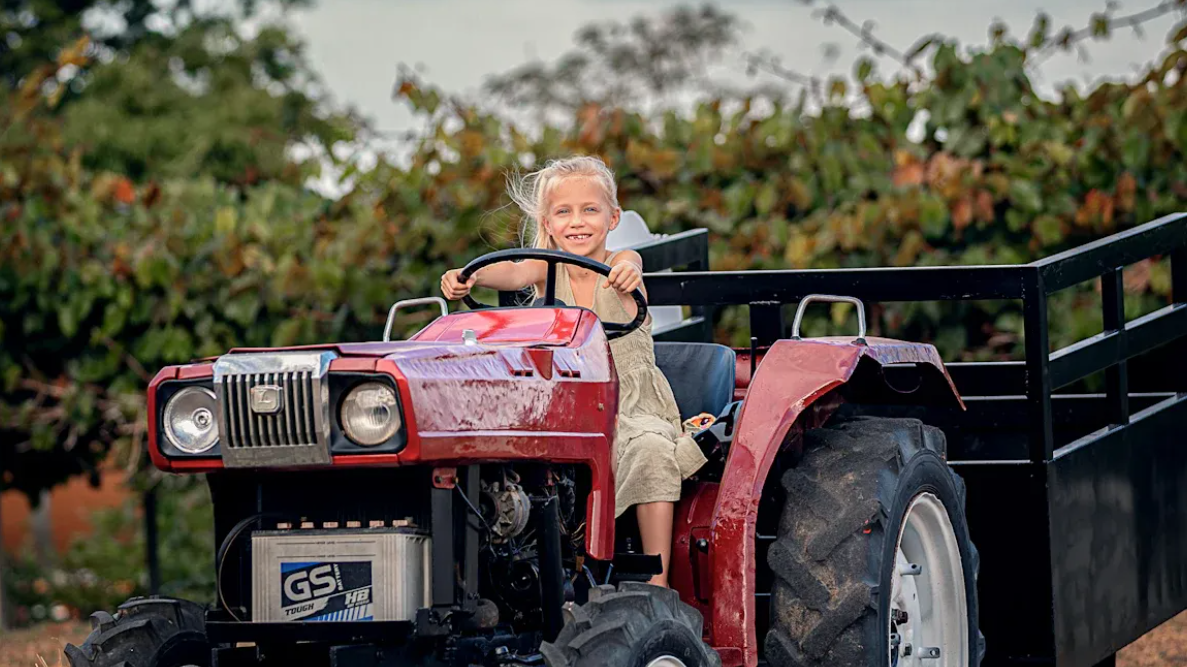
How to Choose the Right Tractor for a Small to Medium Farm
To choose the right tractor for your small to medium farm, begin by measuring your acreage and making a list of the main jobs you plan to tackle. Tractors help you work more land in less time, reduce labor, and increase productivity, which means better harvests and higher profits. Pay close attention to tractor size, type, and features that match your property. Avoid common mistakes such as buying a tractor that is too small or overlooking important safety features.
Key Takeaways
- Measure your farm’s acreage to determine the right tractor size and type for your needs.
- List the main tasks you plan to perform with your tractor to identify necessary features and attachments.
- Choose a tractor that matches your acreage size: sub-compact for under 5 acres, compact for 5-15 acres, and utility for 15+ acres.
- Consider horsepower requirements based on your tasks; ensure your tractor has enough power for heavy jobs.
- Evaluate attachments and implements that enhance your tractor’s capabilities for specific tasks.
- Prioritize comfort and ergonomics to reduce fatigue during long hours of operation.
- Plan for both upfront and long-term costs, including maintenance, fuel, and repairs.
- Consult with local dealers or agricultural experts to make an informed decision tailored to your farm’s future needs.
How to Choose the Right Tractor
Assess Your Acreage
Start your search by measuring your total farm acreage. The size of your property directly affects the type and size of tractor you need. For example, a small property with just a few acres requires a different machine than a larger farm. You should also consider the number of crop acres, available labor, tillage practices, crop mix, and local weather patterns. These factors help you determine how much work you need to complete each day and what kind of machinery will help you stay on schedule.
Here is a table to help you evaluate the main factors when assessing your acreage:
| Factor | Description |
|---|---|
| Number of Crop Acres | Larger-scale machinery is necessary as more crop acres are farmed to ensure timely planting and harvesting. |
| Labor Supply | The daily acreage completion is critical; increasing labor can stretch machinery capacity without the long-term commitment of larger machinery. |
| Tillage Practices | Fewer tillage operations or combining practices can reduce machinery capacity needs, balancing cost savings with potential yield impacts. |
| Crop Mix | Diversifying crops can spread out critical field operation periods, potentially reducing machinery capacity needs while requiring different machinery types for harvesting. |
| Weather | Historical weather patterns inform suitable fieldwork days, guiding machinery selection despite variability in actual conditions. |
You should also match tractor type to acreage size. Use the table below to see how acreage size influences tractor selection:
| Acreage Size | Tractor Type | Key Features |
|---|---|---|
| 1–5 acres | Sub-Compact Tractors | 15–25 horsepower, ideal for light tasks |
| 5–15 acres | Compact Tractors | 25–50 horsepower, versatile for general tasks |
| 15+ acres | Utility Tractors | 50–150 horsepower, designed for heavy-duty work |
Tip: If your land has hills or rocky areas, look for tractors with features that improve stability and traction.
List Your Main Tasks
Next, make a list of the main jobs you plan to complete with your tractor. This step helps you focus on the features and attachments you will need. On small to medium farms, common tasks include:
- Ploughing and soil preparation
- Sowing and planting
- Row cultivation and soil care
- Fertilizer and chemical application
- Harvest support
- Transport and logistics
- Hay and silage production
- Site cleaning and farm maintenance
You should also consider the terrain and any obstacles on your property. For example, mowing large grassy areas requires a different setup than hauling heavy loads or working in tight spaces. Write down your top priorities so you can compare them with the capabilities of different tractor models.
Match Tractor to Farm Needs
Now, use your acreage and task list to match tractor models to your farm’s needs. Focus on horsepower, attachments, and special features. For example, plowing and heavy tillage require tractors with at least 50 horsepower. If you plan to use loaders or backhoes for hauling, make sure the tractor has a strong hydraulic system.
Here is a table to help you match tractor size and features to your farm:
| Farm Size | Recommended Horsepower | Advantages |
|---|---|---|
| Small Farms | 25-50 hp | Compact size, suitable for narrow spaces, lower fuel consumption, multi-functional attachments. |
| Medium Farms | 50-100 hp | Ample power for heavier tasks, efficient for large-area operations, lower maintenance costs. |
Note: Always check if the tractor supports the attachments you need, such as mowers, loaders, or sprayers.
When you choose the right tractor, you save time and money. You also improve safety and efficiency on your farm. Review your acreage, main tasks, and required features before making a final decision. This approach ensures you choose the right tractor for your property and your goals.
Tractor Types by Acreage
Sub-Compact Tractors (Under 5 Acres)
If you manage a property under 5 acres, sub-compact tractors offer the best fit. These machines work well for small gardens, hobby farms, or residential plots. You can use them for mowing, light landscaping, and moving materials. Many owners rely on sub-compact tractors for tasks like spreading fertilizer with a PTO-powered spreader or transporting manure to a central dump. You can also attach a front-end loader to move mulch, soil, or gravel.
Here is a quick comparison of tractor types and their suitability for different acreage sizes and tasks:
| Tractor Type | Acreage Suitability | Tasks Suitable |
|---|---|---|
| Sub-Compact | Ideal for small properties (less than 1 acre) | Light, sporadic tasks (mowing, aerating) |
| Compact | Suitable for larger properties (1-2+ acres) | More demanding tasks (landscaping, hauling) |
Tip: Sub-compact tractors are easy to maneuver in tight spaces and require less storage space than larger models.
You will find these tractors especially helpful for routine chores. For example:
- Moving materials with a front-end loader
- Spreading fertilizer
- Managing manure efficiently
Compact Tractors (5–15 Acres)
For properties between 5 and 15 acres, compact tractors provide more power and versatility. You can tackle a wider range of jobs, including mowing large fields, hauling heavy loads, grading driveways, and clearing brush. Compact tractors support a variety of attachments, such as forks, grapples, and mowers, making them a flexible choice for small to medium farms.
Owners value several features in compact tractors:
| Feature | Application |
|---|---|
| Loader capacity | Moving heavy materials like hay bales and lumber |
| Attachment options | Versatile use with implements like forks and grapples |
| Fuel efficiency | Reduces operational costs for small-scale farming tasks |
Common uses for compact tractors include:
- Mowing
- Hauling
- Grading
- Brush clearing
You can choose the right tractor by matching these features to your daily tasks. Compact tractors balance power, size, and fuel efficiency, making them a smart investment for growing farms.
Utility Tractors (15–150 Acres)
Utility tractors serve farms ranging from 15 to 150 acres. On smaller properties within this range, you can use utility tractors for property maintenance and loader work. These tractors offer nimble handling, which helps when working around buildings or tight corners. As your acreage increases, you may need a tractor with higher PTO horsepower and hydraulic flow. This extra power supports demanding tasks like hay production, large-scale tillage, and heavy hauling.
For example, a 20-acre farm might use a utility tractor for mowing pastures and moving feed, while a 100-acre operation could rely on it for baling hay and pulling larger implements. Utility tractors help you complete big jobs efficiently and keep your farm running smoothly.
Note: When you choose the right tractor for your acreage, you improve productivity and reduce labor costs.
Choosing the Right Type
Selecting the right tractor type for your farm depends on several factors. You need to consider your acreage, the main tasks you plan to complete, and the features that matter most for your operation. Start by reviewing the table below, which summarizes the main tractor types, their recommended acreage range, and their key features:
| Tractor Type | Acreage Range | Key Features |
|---|---|---|
| Compact Tractors | Up to 10 acres | 20.9 HP to 62 HP, ideal for small to medium jobs like mowing and landscaping. |
| Utility Tractors | 10 acres and above | 57.9 HP to 133 HP, suitable for heavier jobs like hay baling and rough terrain. |
| Farm Tractors | Full-scale farming | 70 HP to 210 HP, designed for the toughest jobs and compatible with many attachments. |
You should match your tractor choice to your most frequent and demanding tasks. For example, if you manage a 7-acre property and spend most of your time mowing, hauling, and landscaping, a compact tractor with 30 to 40 horsepower will give you enough power and flexibility. If your land covers 20 acres and you need to bale hay or work on rough terrain, a utility tractor with at least 60 horsepower will handle these jobs efficiently.
Tip: Always consider the future growth of your farm. If you plan to expand your acreage or add new crops, choose a tractor with a little extra capacity.
Think about the types of implements you want to use. Compact tractors support attachments like mowers, loaders, and tillers. Utility tractors can handle heavier implements, such as balers and plows. Farm tractors work best for large-scale operations and can pull the widest range of equipment.
Here are some practical steps to help you decide:
- List your top three tasks. For example, mowing, tilling, and hauling.
- Estimate your average working hours per week. More hours may require a more robust tractor.
- Check your terrain. Hilly or uneven ground needs a tractor with good stability and traction.
- Review your budget. Factor in not just the purchase price, but also fuel, maintenance, and storage costs.
You can find more information about tractor selection and farm equipment at Agricultural Safety and Health, which provides resources for new and experienced farmers.
Note: Choosing a tractor that matches your acreage and main tasks will save you time and money. It will also reduce wear on your equipment and improve safety.
If you feel unsure, consult with a local dealer or agricultural extension office. They can help you compare models and features based on your unique needs. By following these steps, you will make a confident and informed decision for your farm’s future.
Key Features to Compare
Horsepower and Engine
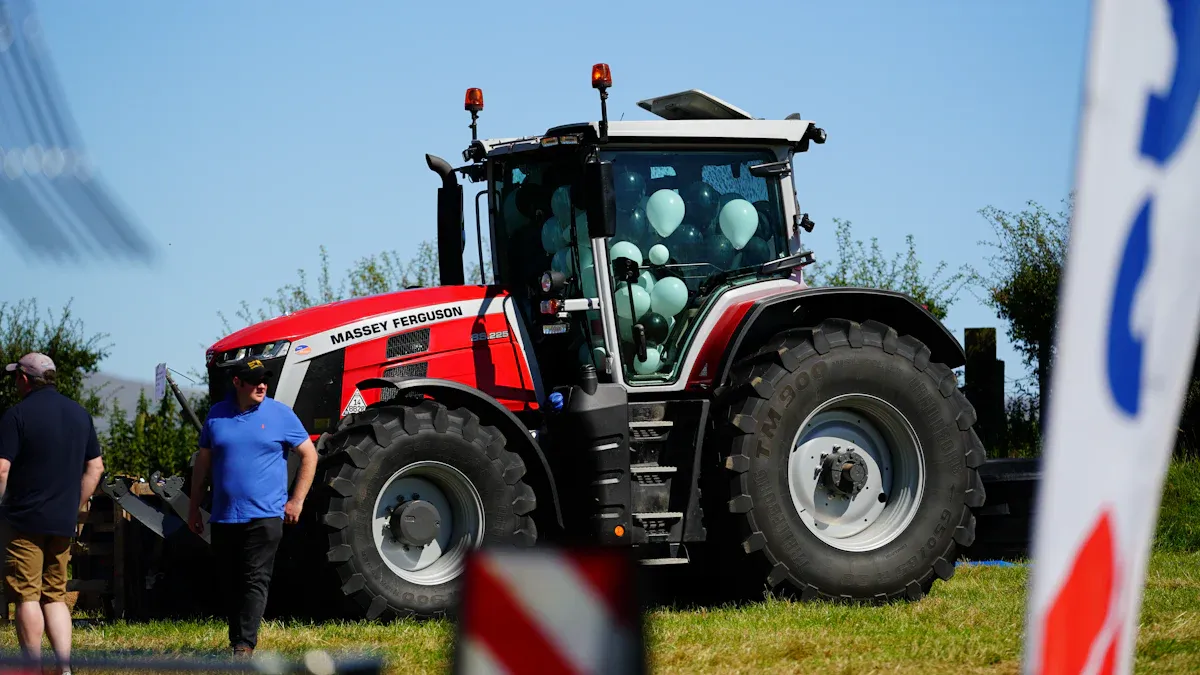
When you compare tractors, horsepower stands out as one of the most important features. Horsepower determines how much work your tractor can handle. You need to match the horsepower to your farm size and the tasks you plan to complete. If you select too little horsepower, your tractor may struggle with heavy jobs. Too much horsepower can waste fuel and increase costs.
- Horsepower is crucial for matching tractors to specific farming needs, influenced by soil type and terrain.
- For small farms, 20–35 HP usually works best. Mid-size farms often need 35–75 HP. Large farms may require 75–200+ HP.
- The right horsepower ensures efficient operation without straining the engine or wasting fuel.
You can see how horsepower affects performance in the table below:
| Farm Size | Recommended Horsepower | Typical Tasks |
|---|---|---|
| Small (1–5 ac) | 20–35 HP | Mowing, light hauling, tilling |
| Medium (5–15 ac) | 35–75 HP | Plowing, loader work, baling |
| Large (15+ ac) | 75–200+ HP | Heavy tillage, large-scale planting |
Tip: Tractor horsepower directly influences the performance and tasks a tractor can handle. Proper horsepower selection is essential for efficiency and meeting your farming demands.
Attachments and Implements
Attachments and implements expand what your tractor can do. You should consider which implements you need most often. The right attachments help you complete jobs faster and safer.
Popular attachments for small to medium farms include:
- Ballast weights and counter weights for stability and safety
- Grading tools like box blades, rear blades, and landscape rakes
- Grapples for moving debris or roots
- Mowing equipment such as flail mowers, brush hogs, and finish mowers
- Snow removal tools like snow pushers and pull-type snowblowers
- Tilling attachments including tillers, discs, plows, and subsoilers
Note: Choose implements that match your main tasks. For example, if you do a lot of mowing, invest in a quality mower attachment.
Transmission and PTO
Transmission and PTO (Power Take-Off) systems affect how easily you can operate your tractor and use implements. You will find several transmission types, but hydrostatic transmission is user-friendly and ideal for new operators. It provides smooth operation and precise speed control, which helps with loader work and tasks that need frequent speed changes.
The PTO system lets your tractor power different implements. This feature increases your tractor’s versatility and saves time by automating tasks. PTO-powered implements, such as mowers and balers, work faster and more efficiently than manual tools.
- PTO systems enable multifunctional use, allowing you to perform a variety of tasks beyond towing.
- They maximize efficiency by transferring engine power directly to implements.
- Hydrostatic transmissions enhance versatility and are easy to use for most farm jobs.
Tip: When you choose the right tractor, pay close attention to transmission and PTO options. These features can make your daily work easier and more productive.
Tires and Traction
You need the right tires and traction to keep your tractor working safely and efficiently. The type of tire you choose depends on your soil, terrain, and the jobs you do most often. For example, if you work in muddy fields, you need a tire that grips well and does not get stuck. If you mow lawns or work in gardens, you want a tire that does not damage the ground.
Here is a table that shows common tire types and their best uses:
| Tire Type | Soil Type/Condition | Application |
|---|---|---|
| R1 & R1W | General all-around | Tractors |
| R2 | Muddy or soft soil | Rice paddies |
| R3 | Sandy or minimal disturbance | Gardens, lawns |
| R4 | Firm terrain | Industrial use |
| I3, I2, I1 | Implements | Various farm tasks |
You should always match your tire choice to your main tasks and land conditions. For example, R1 tires work well for most fieldwork, while R3 tires protect turf in gardens and lawns. If you operate in wet or soft soil, R2 tires help prevent your tractor from sinking.
When you select tires, follow these steps:
- Choose tires based on your tractor and the jobs you do.
- Check your soil and terrain for traction and compaction needs.
- Make sure your tires fit your tractor to avoid problems.
You should also consider tire size. Larger tires can give you better traction and reduce soil compaction. Always check the manufacturer’s recommendations for tire quality and fit.
Tip: If you often work on hills or loose soil, look for tires with deeper treads for extra grip. Proper tire pressure also helps you get the best traction and protects your soil.
You can find more information about tire selection and soil management at USDA Natural Resources Conservation Service.
Comfort and Ergonomics
Comfort and ergonomics play a big role in how much you enjoy using your tractor. If you spend long hours in the seat, you need features that reduce fatigue and keep you safe. Poor comfort can lead to headaches, backaches, and neck stiffness. You may feel tired faster and make mistakes if your seat or controls are not designed well.
Key comfort and ergonomic features include:
- Adjustable seats with good support
- Easy-to-reach controls and levers
- Low vibration and noise levels
- Climate control for hot or cold days
When you feel comfortable, you work longer and stay focused. Discomfort can cause you to rush, which increases the risk of accidents. Temperature inside the cab also affects your productivity and safety. For example, a well-ventilated cab keeps you cool in summer and warm in winter.
Note: A comfortable tractor helps you avoid injuries and work more efficiently. Always test the seat and controls before you buy.
You can learn more about tractor safety and ergonomics at National Ag Safety Database. Choosing a tractor with good comfort features will help you stay healthy and productive every day.
Budget and Costs
New vs. Used
When you decide between a new or used tractor, you need to weigh the benefits and drawbacks of each option. New tractors offer the latest technology, warranties, and lower risk of breakdowns. Used tractors can save you money upfront, but may require more repairs and maintenance.
Here is a table showing typical price ranges for new and used tractors suitable for small to medium farms:
| Tractor Type | Price Range |
|---|---|
| New Compact Tractors | $10,000 – $50,000 |
| New Small Tractors for Farming | $10,000 – $25,000 |
| New Mid-Sized Tractors | $25,000 – $75,000 |
| New Large Tractors | $75,000 – $150,000 |
| Used Older or Smaller Tractors | $5,000 – $15,000 |
| Used Mid-Age Tractors (5–10 years) | $15,000 – $35,000 |
| Used Well-maintained Higher Horsepower | $35,000 – $80,000 |
You might find a well-maintained used tractor that fits your budget and needs. However, always inspect used equipment carefully and ask for service records. If you want peace of mind and plan to keep your tractor for many years, a new model may be a better investment.
Upfront and Long-Term Costs
You should consider both the initial purchase price and the long-term expenses when budgeting for a tractor. A higher-quality, durable tractor often costs more upfront, but it can save you money over time with fewer repairs and a longer lifespan.
Here is a breakdown of estimated prices and considerations:
| Tractor Category | Estimated Price Range (USD) | Considerations |
|---|---|---|
| New Small (< 50 HP) | $3,000 – $50,000 | Good for small properties and light tasks. |
| New Medium (50-100 HP) | $50,000 – $150,000 | Suits medium farms and commercial work. |
| Used Small (< 50 HP) | $1,000 – $20,000 | Budget-friendly, but inspect carefully. |
| Used Medium (50-100 HP) | $20,000 – $100,000 | Balance of cost and capability; check condition. |
| Rental (per day/hour) | Varies by location | Get quotes from local rental companies. |
You should also plan for ongoing costs:
- Maintenance: Regular servicing keeps your tractor running smoothly.
- Fuel: Usage and efficiency affect your fuel budget.
- Repairs: Set aside funds for unexpected breakdowns, especially with used models.
- Insurance: Protect your investment from accidents or theft.
Tip: Investing in a reliable tractor can lower your total cost of ownership over time.
Financing Options
If you do not want to pay the full price upfront, you have several financing options. Many dealers and banks offer loans or lease programs for tractors. You can spread payments over several years, which helps you manage cash flow and invest in other areas of your farm.
Before you sign a financing agreement, compare interest rates, loan terms, and any extra fees. Some programs offer seasonal payment plans that match your harvest schedule. You can also look for grants or low-interest loans from agricultural organizations.
For more information on farm equipment financing and budgeting, visit USDA Farm Service Agency or join discussions on platforms like Reddit’s r/farming, where farmers share real-world experiences.
Note: Careful budgeting and smart financing help you get the right tractor without straining your farm’s finances.
Maintenance Expenses
You need to plan for regular maintenance expenses when you own a tractor. These costs help keep your machine running smoothly and prevent expensive breakdowns. On small to medium farms, maintenance and repair costs often range from $0.75 to $1.50 for each hour you use your tractor. This amount usually makes up about 10–15% of your total operational costs each year.
Routine maintenance tasks are essential for every tractor owner. You should expect to perform the following jobs on a regular schedule:
- Change the engine oil and replace the oil filter
- Replace the hydraulic oil and filter
- Flush and refill the engine coolant
- Inspect and clean the air filter
- Check and adjust tire pressure
- Grease all moving parts
- Inspect belts, hoses, and electrical connections
If you skip these tasks, you risk higher repair bills and shorter equipment life. For example, dirty oil can damage your engine, and low coolant can cause overheating. You can find maintenance schedules in your tractor’s manual or by asking a local service technician.
Here is a table that shows typical annual maintenance expenses for a small to medium farm tractor:
| Maintenance Task | Frequency | Estimated Annual Cost (USD) |
|---|---|---|
| Engine Oil & Filter Change | 2–4 times/year | $100–$200 |
| Hydraulic Oil & Filter Change | 1–2 times/year | $80–$150 |
| Engine Coolant Replacement | 1 time/year | $50–$100 |
| Air Filter Cleaning/Replacement | 2–3 times/year | $30–$60 |
| Tire Pressure & Greasing | Monthly | $40–$80 |
| Belt, Hose, Electrical Checks | 2–3 times/year | $30–$70 |
| Unexpected Repairs | As needed | $150–$500 |
Tip: Track your maintenance tasks and costs in a notebook or spreadsheet. This habit helps you spot patterns and budget for future repairs.
You may also need to budget for replacement parts, such as batteries, lights, or worn tires. These items do not need frequent replacement, but they can add to your yearly expenses. If you use your tractor for many hours each season, your costs may be higher.
Many farmers share their maintenance routines and tips on forums and social media. You can learn from their experiences and ask questions about specific repairs. For more information on tractor maintenance, visit the National Ag Safety Database or join discussions on platforms like Reddit’s r/farming.
Regular maintenance protects your investment and keeps your tractor safe and reliable. When you plan for these expenses, you avoid surprises and keep your farm running smoothly.
Safety and Storage
Essential Safety Features
You need to prioritize safety every time you operate a tractor. Many accidents on small and medium farms happen because people overlook basic safety steps. You can reduce risks by following these essential safety practices:
- Wear proper safety gear. Always use hard hats, safety glasses, hearing protection, and slip-resistant boots.
- Maintain safe driving speeds. Slow down on slopes and when carrying heavy loads.
- Stay cautious on slopes. Drive straight up and down hills to prevent rollovers. Avoid wet or muddy areas that can cause you to lose control.
- Keep a safe distance from people, animals, and obstacles. This buffer zone helps prevent unexpected accidents.
- Attach and remove implements safely. Turn off the tractor and remove the key before handling any attachments.
- Park and store your tractor safely. Choose flat surfaces, apply the parking brake, and cover your tractor when not in use.
Tip: The National Institute for Occupational Safety and Health reports that tractor rollovers are a leading cause of farm injuries. Following these steps can help you avoid serious accidents.
Operator Training
Proper training helps you use your tractor safely and efficiently. Many farms now require operators to complete safety programs before using equipment. You can choose from several types of training:
| Training Type | Description |
|---|---|
| Online Training | Learn at your own pace from any location. Employers can track your progress. |
| Training Kit | Use self-training resources, including hands-on evaluations and ongoing materials. |
| Train the Trainer | Get certified to teach others, so your farm can run its own safety sessions. |
You can find free and low-cost training through agricultural extension offices, local community colleges, and online platforms. Social media groups for farmers often share tips and experiences about operator safety. Completing a recognized program can lower your insurance costs and help you avoid costly mistakes.
Storage Solutions
Proper storage extends the life of your tractor and keeps it ready for work. You can follow these best practices to prevent damage:
- Protect the fuel system. Add a stabilizer, fill the tank, and run the engine briefly before storage.
- Maintain the engine. Change the oil and filter, clean air filters, and tune up the engine before putting your tractor away.
- Care for the battery. Disconnect it, store it in a controlled environment, and use a battery tender to keep it charged.
- Control the environment. Store your tractor in a temperature-controlled area, use a weatherproof cover, and park on concrete to prevent rust.
- Check your tractor regularly during storage. Inspect it monthly, maintain tire pressure, and charge the battery as needed.
Note: According to agricultural safety experts, regular maintenance and proper storage can extend your tractor’s lifespan by several years.
You can find more tips and connect with other farmers on platforms like the National Ag Safety Database or farming communities on social media. Good safety and storage habits protect your investment and keep your farm running smoothly.
Recommendations by Use Case
Residential and Hobby Farms
You often need a tractor that handles mowing, light landscaping, and small hauling jobs on residential or hobby farms under 15 acres. Compact models with around 25 horsepower work well for these tasks. These tractors offer easy maneuverability, simple controls, and compatibility with a wide range of attachments. You can use them for loader work, garden tilling, or moving mulch and soil.
Here is a comparison of popular compact tractors for small properties:
| Model Example | HP | Key Features | Typical Price Range |
|---|---|---|---|
| Model A | 24.8 | All-around use, mowing, loader work | $20,000–$24,000 |
| Model B | 24.7 | Compact size, efficient for hauling | $23,000–$26,000 |
| Model C | 24.7 | Budget-friendly, supports many implements | $18,000–$21,000 |
Tip: Look for a tractor with a comfortable seat and easy-to-use controls. This will help you enjoy your time on the property and reduce fatigue.
Crop Production
If you focus on crop production, you need a tractor that matches your acreage and the types of crops you grow. You should consider these important features:
- Farm size and main tasks: List your most frequent activities, such as tilling, planting, or spraying.
- Horsepower: Make sure your tractor has enough power for your implements and field size.
- Attachment compatibility: Check that your tractor supports the tools you need, like loaders, mowers, or tillers.
- Budget: Balance your upfront investment with long-term costs, including maintenance and fuel.
- Brand support: Choose a tractor with strong dealer and service support in your area.
You can improve efficiency by matching your tractor’s horsepower and attachments to your crop needs. For example, a 50-horsepower tractor with a front loader and rear tiller works well for vegetable plots and small grain fields. If you plan to expand, select a model with extra capacity.
Note: Reliable dealer support ensures you get parts and service quickly during busy seasons.
Livestock and Mixed Use
Livestock and mixed-use farms require tractors that handle feeding, haymaking, and loader work. You benefit from models with strong hydraulics, high lift capacity, and good visibility for close-quarter operations.
Here is a table of features to look for:
| Series Example | Key Features | Application Benefit |
|---|---|---|
| Series 1 | Low hood, high hydraulic flow | Best for feeding and barn work |
| Series 2 | Lift capacity over 2 tons, versatile use | Supports haymaking and row cropping |
| Loader Attachment | Curved boom for better visibility | Easier handling in tight spaces |
| Advanced Transmission | No clutch needed, smooth operation | Increases efficiency during frequent turns |
You can use a tractor with a curved loader boom to move feed or clean stalls safely. For hay production, choose a model with high lift capacity and strong PTO power. If you manage both crops and livestock, select a tractor that adapts to multiple tasks.
For more tips on matching tractors to your farm type, visit the National Ag Safety Database or connect with local extension services.
If you follow these recommendations, you will Choose the Right Tractor for your specific needs and improve your farm’s productivity.
Final Decision Steps
Compare Shortlisted Models
You should start by narrowing your options to a few tractor models that fit your acreage, main tasks, and budget. Create a comparison table to organize the most important features. Focus on horsepower, attachments, comfort, and maintenance requirements. This approach helps you see the strengths and weaknesses of each model at a glance.
| Model | Horsepower | Key Attachments | Comfort Features | Maintenance Needs |
|---|---|---|---|---|
| A | 35 HP | Loader, Mower | Adjustable Seat | Low |
| B | 50 HP | Loader, Tiller | Climate Control | Moderate |
| C | 60 HP | Loader, Baler | Suspension Seat | High |
Review your table and highlight the models that best match your top priorities. You can also ask other farmers about their experiences with similar tractors. Their feedback can help you avoid common mistakes.
Tip: Make a checklist of your must-have features. Use it to score each model and simplify your final choice.
Test and Dealer Support
You should always test drive your shortlisted tractors before making a decision. A test drive lets you check comfort, visibility, and ease of use. Pay attention to how the controls feel and how the tractor handles on your terrain. If possible, try out the attachments you plan to use most often.
Dealer support matters as much as the tractor itself. Choose a dealer who offers strong after-sales service, easy access to parts, and clear communication. Good dealer support can save you time and money when you need repairs or maintenance.
- Schedule a test drive for each model.
- Ask the dealer about warranty terms and service packages.
- Check if the dealer provides operator training or safety resources.
Note: Reliable dealer support ensures your tractor stays in good working condition throughout its life.
Plan for Future Needs
You should think ahead as your farm grows or changes. Planning for future needs helps you avoid buying a tractor that becomes too small or outdated. Follow these steps to prepare for expansion:
- Assess your current and future tasks that require a tractor.
- Consider ergonomic features based on the age and experience of all operators.
- Evaluate comfort features like climate control and noise protection if you expect frequent use.
- Plan for easy access by checking the number of steps and the height of the tractor.
As you draft a whole-farm operations summary, be sure to include supporting research and note the strengths, weaknesses, opportunities, and threats (SWOT) associated with each strategy alternative.
You can update your checklist as your farm evolves. This habit keeps your equipment choices flexible and cost-effective. By planning ahead, you ensure your tractor investment supports your farm’s success for years to come.
You can Choose the Right Tractor by following a clear process: assess your acreage, list your main tasks, compare features, and match the tractor to your needs. Always focus on how tractor type and features fit your property and goals. If you feel unsure, talk to a local expert or dealer. Create a checklist based on this guide to help you make a confident decision for your farm.
FAQ
What size tractor do I need for a 10-acre farm?
You should consider a compact tractor with 25–50 horsepower. This size handles mowing, tilling, and hauling efficiently. Always match the tractor’s power to your main tasks and terrain.
How important is four-wheel drive on a small farm?
Four-wheel drive improves traction on slopes, wet ground, or uneven fields. You benefit most if your land has hills or soft soil. For flat, dry areas, two-wheel drive may be enough.
Can I use one tractor for multiple tasks?
Yes, you can use one tractor for many jobs if you choose the right attachments. Look for models with compatible implements like loaders, mowers, and tillers. This approach saves money and storage space.
How often should I service my tractor?
You should follow the maintenance schedule in your manual. Most tractors need oil changes, filter replacements, and inspections every 50–100 hours of use. Regular service keeps your tractor reliable and safe.
Is it better to buy new or used?
Buying new gives you a warranty and the latest features. Used tractors cost less but may need more repairs. Inspect used models carefully and ask for service records before buying.
What safety features should I look for?
You should look for rollover protection, seat belts, and easy-to-reach controls. Good lighting and clear visibility also improve safety. Always read the manual and complete operator training before use.
How do I store my tractor in winter?
Store your tractor indoors if possible. Add fuel stabilizer, change the oil, and disconnect the battery. Cover the tractor to protect it from dust and moisture. Check tire pressure monthly.
Can I finance a tractor purchase?
Yes, many dealers and banks offer financing options. Compare interest rates and payment plans. Some programs match payments to your harvest schedule, making budgeting easie