Welcome to Shandong Qilu Industrial Co., Ltd

 English
 Arabic
 Bulgarian
 Bengali
 Czech
Czech
 Danish
 German
 Greek
Greek
 Spanish
 Finnish
 French
 Hindi
Hindi
 Croatian
 Hungarian
 Indonesian
 Italian
 Japanese
 Korean
 Lithuanian
 Dutch
Dutch
 Norwegian
 Polish
 Portuguese
 Romanian
 Russian
 Slovak
 Slovenian
 Swedish
 Thai
Thai
 Turkish
 Ukrainian
 Vietnamese
 Tagalog
 Malay
Malay
 Estonian
 Catalan
 Latvian
 Urdu
Urdu
 Serbian
 Persian
 Swahili
 Albanian
 Armenian
 Icelandic
 Bosnian
 Luxembourgish
 Afrikaans
English Arabic
Bulgarian
Bengali
Czech
Danish
German
Greek
Spanish
Finnish
French
Hindi
Croatian
Hungarian
Indonesian
Italian
Japanese
Korean
Lithuanian
Dutch
Norwegian
Polish
Portuguese
Romanian
Russian
Slovak
Slovenian
Swedish
Thai
Turkish
Ukrainian
Vietnamese
Tagalog
Malay
Estonian
Catalan
Latvian
Urdu
Serbian
Persian
Swahili
Albanian
Armenian
Icelandic
Bosnian
Luxembourgish
Afrikaans
Afrikaans
English Arabic
Bulgarian
Bengali
Czech
Danish
German
Greek
Spanish
Finnish
French
Hindi
Croatian
Hungarian
Indonesian
Italian
Japanese
Korean
Lithuanian
Dutch
Norwegian
Polish
Portuguese
Romanian
Russian
Slovak
Slovenian
Swedish
Thai
Turkish
Ukrainian
Vietnamese
Tagalog
Malay
Estonian
Catalan
Latvian
Urdu
Serbian
Persian
Swahili
Albanian
Armenian
Icelandic
Bosnian
Luxembourgish
Afrikaans
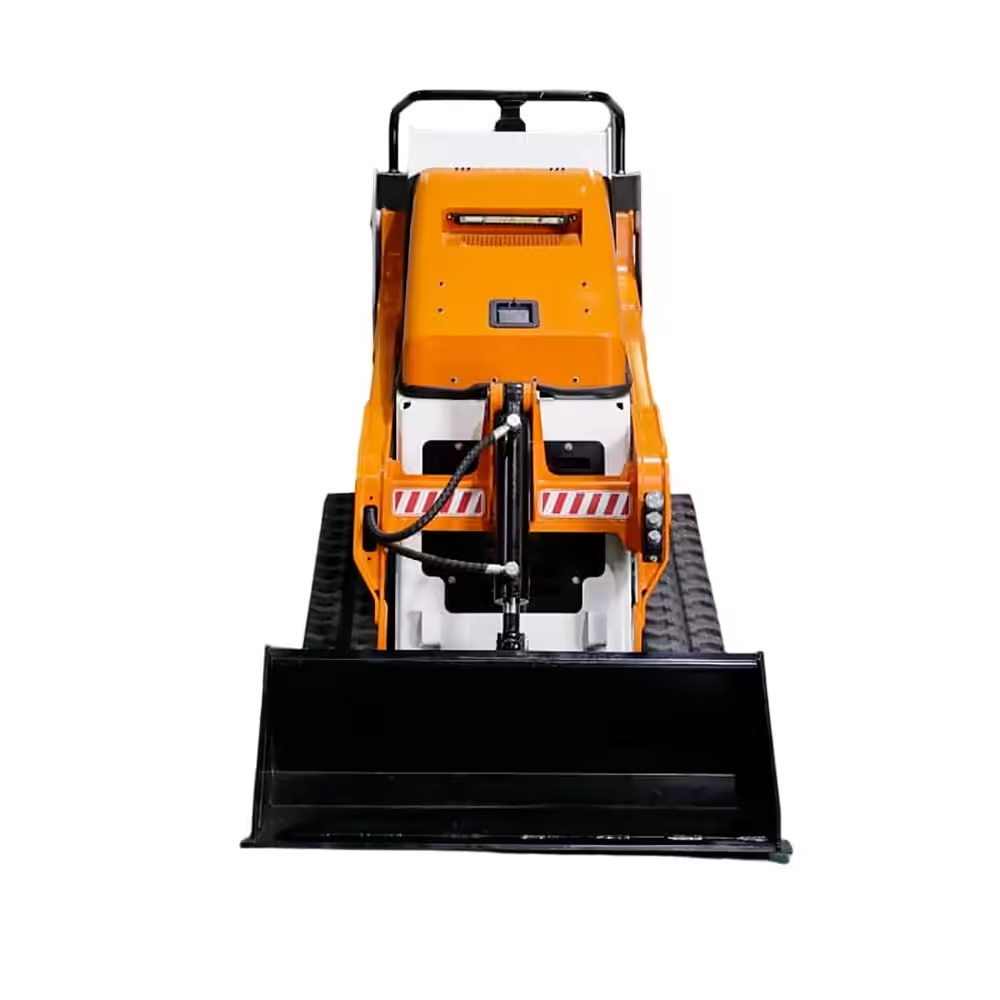
Skid Steer Loader vs. Compact Track Loader: Which is Better for Your Job?
You want the right machine for your job. If you often work on hard surfaces or in tight spaces, a Skid Steer Loader gives you the speed and maneuverability you need. For soft, muddy, or uneven ground, compact track loaders offer better traction and dominate the North American market, especially in landscaping. Market data shows track loaders will reach a 54% share by 2025, while skid steers remain essential for high-density sites. Consider your terrain, budget, and power needs before you decide. This guide helps you match the best loader to your work.
Key Takeaways
- Skid steer loaders excel on hard surfaces, offering speed and maneuverability for tasks like demolition and snow removal.
- Compact track loaders provide better traction and stability on soft or uneven ground, making them ideal for landscaping and site preparation.
- Consider your job site conditions carefully. Choose a skid steer for paved areas and a track loader for muddy or sloped terrain.
- Budget wisely. Skid steers have lower initial costs and maintenance, while track loaders require a higher investment but retain value better over time.
- Evaluate the lifting capacity you need. Compact track loaders can lift heavier loads, which is crucial for demanding tasks.
- Regular maintenance is key. Skid steers are easier to maintain, while track loaders need more attention to keep them running smoothly.
- Use the right attachments for your tasks. Both loader types support various tools, but track loaders perform better with heavy-duty attachments.
- Always match your loader choice to your most common job site conditions to avoid downtime and costly repairs.
Quick Comparison Overview
Main Differences
You want to choose the right machine for your job. Understanding the main differences between these loaders helps you make a smart decision. The table below highlights the most important performance metrics and cost factors:
| Feature/Metric | Skid Steer Loaders | Compact Track Loaders |
|---|---|---|
| Ground Pressure | 10-15 PSI | 4-6 PSI |
| Traction | Lower in soft soil | 30-50% better traction |
| Stability | Less stable on slopes | More stable on uneven terrain |
| Travel Speed | Up to 12 mph | 8-10 mph |
| Lifting Capacity | Standard | 10-15% higher |
| Initial Cost | Lower | $8,000-$15,000 more |
| Tire/Track Replacement | $800-$1,200 (600-1,200 hrs) | $4,000-$7,000 (1,200-2,000 hrs) |
| Maintenance | Lower, simpler | More complex, higher cost |
| Fuel Efficiency | Better on hard surfaces | Consistent across terrains |
| Operating Cost (5 yrs) | 12% higher | 25% more to purchase |
Tip: Skid steer loaders move faster on hard surfaces and cost less to maintain. Track loaders handle soft, muddy, or uneven ground with ease but require more investment and upkeep.
You will notice that ground pressure and traction set these machines apart. Skid steer loaders work best on paved or solid ground. Track loaders spread their weight, so they do not sink into soft soil. You also get more lifting power with a track loader, which helps with heavy loads on rough terrain.
Best-Use Scenarios
You should match your loader to your most common job site conditions. Here is a quick guide:
- Choose a Skid Steer Loader if you:
- Work mostly on concrete, asphalt, or other hard surfaces.
- Need to move quickly between tasks.
- Operate in tight spaces or urban areas.
- Want lower purchase and maintenance costs.
- Perform demolition, snow removal, or interior construction.
- Choose a Compact Track Loader if you:
- Face soft, wet, or uneven ground.
- Handle landscaping, grading, or site preparation.
- Need more lifting capacity and stability on slopes.
- Want to minimize ground damage.
- Can budget for higher upfront and maintenance costs.
Note: Track loaders excel in landscaping and muddy conditions. Skid steers shine in demolition and paved environments.
You can see that each loader has a clear advantage in certain scenarios. Think about your typical job site and the surfaces you encounter most. This will help you pick the right machine for your needs.
Skid Steer Loader: Best Uses
Ideal Jobs and Conditions
Hard Surfaces and Indoors
You often face jobs that require working on concrete, asphalt, or packed dirt. A Skid Steer Loader performs best in these environments. Its wheels grip solid surfaces, allowing you to move quickly and efficiently. You can use this machine for interior demolition, warehouse clean-up, and construction inside buildings. The compact size lets you navigate through doorways and narrow aisles. You avoid the risk of damaging finished floors because the loader does not leave deep tracks or ruts.
Tight or Urban Sites
Urban job sites present unique challenges. Space is limited, and obstacles are everywhere. You need a machine that turns sharply and fits into small areas. A Skid Steer Loader gives you unmatched maneuverability. You can rotate the loader within its own footprint, making it ideal for alleyways, parking lots, and crowded construction zones. Many contractors rely on this loader for sidewalk repairs, curb work, and utility installations in cities.
Tip: If you regularly work in environments with restricted access or need to move around obstacles, a Skid Steer Loader helps you get the job done faster.
Key Advantages
Maneuverability and Speed
You benefit from the loader’s agility. The machine’s design allows you to make quick turns and precise movements. You save time when switching between tasks or navigating cluttered sites. The loader’s speed on hard surfaces means you complete jobs faster, increasing productivity. You can easily attach different tools, such as buckets or hydraulic breakers, to tackle demolition, snow removal, or debris clearing.
- Why choose a Skid Steer Loader for agility?
- Turns within its own footprint
- Handles obstacles and tight corners
- Switches attachments quickly
Lower Cost and Maintenance
You keep your operating costs low with a Skid Steer Loader. The initial purchase price is lower than that of a compact track loader. Maintenance is simpler because the loader has fewer moving parts. Over five years, you spend about half as much on repairs and upkeep compared to a track loader. Fuel consumption stays low, especially on paved surfaces. You avoid expensive track replacements and benefit from longer tire life.
| Loader Type | 5-Year Maintenance Cost | Typical Repairs |
|---|---|---|
| Skid Steer Loader | $10,000 – $15,000 | Tires, hydraulics |
| Compact Track Loader | $20,000 – $30,000 | Tracks, undercarriage |
Note: Lower maintenance costs mean you can invest more in other equipment or expand your business.
Limitations
You should consider the loader’s limits before choosing it for every job. Skid Steer Loaders struggle on soft or uneven terrain. Wheels sink into mud or snow, causing stability problems. You may find the loader less effective on rough ground, and operator fatigue can increase when working on bumpy surfaces. The loader’s horsepower suits most light to medium tasks, but heavy-duty grading or earthmoving may require a different machine.
- Stability issues on soft ground
- Reduced effectiveness compared to track loaders
- Less suitable for uneven surfaces
- Limited horsepower for heavy tasks
- Operator fatigue on rough terrain
If your projects involve muddy fields or steep slopes, you may want to consider a compact track loader instead.
You can find more real-world examples and user experiences by searching construction forums or social media groups dedicated to equipment operators.
Compact Track Loader: Best Uses
Ideal Jobs and Conditions
Soft, Wet, or Uneven Ground
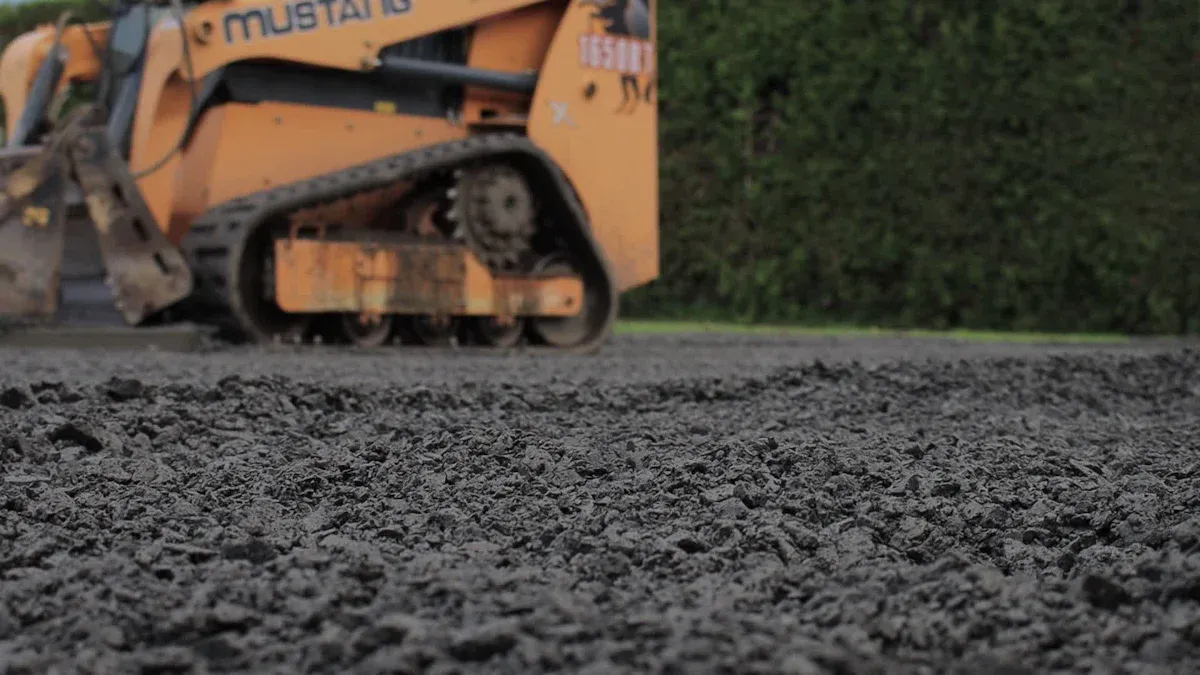
You often face job sites with muddy fields, sandy soil, or uneven terrain. A compact track loader gives you the traction and stability you need in these conditions. The tracks spread the machine’s weight, so you avoid sinking or getting stuck. You can work efficiently after rain or in areas with loose ground. The loader’s design lets you climb slopes and handle rough patches without losing balance. If you need to move materials across a wet construction site or grade a sloped yard, you will find this machine reliable.
Landscaping and Site Prep
You handle many tasks in landscaping and site preparation. Compact track loaders help you complete these jobs with less damage to the property. You can:
- Scoop and move rocks, soil, or mulch.
- Dig holes for planting trees or installing fence posts.
- Create trenches for underground irrigation systems and drainage.
- Level and prepare the soil for lawns or gardens.
- Lift and transport materials like sod, gravel, or decorative stones.
- Transplant small trees and plants using tree spades.
- Move large decorative rocks with forks or grapple buckets.
You minimize ruts and surface damage, which keeps lawns and gardens looking clean. Many residential landscaping projects require careful handling of delicate surfaces. You can dig trenches for irrigation or utilities, move heavy loads, and prepare sites for planting—all with one machine.
Key Advantages
Power and Traction
You get higher horsepower and better traction with a compact track loader. The tracks grip soft or uneven ground, so you work in places where wheeled machines struggle. You can lift heavier loads and push through tough soil. The loader’s stability on slopes lets you grade land or clear brush without tipping. You save time because you do not need to wait for the ground to dry out before starting work.
Reduced Ground Damage
You protect the job site with a compact track loader. The low ground pressure prevents deep ruts and compaction. You keep lawns, gardens, and finished surfaces in good condition. This advantage matters most for landscaping and residential projects, where property owners want minimal disruption. You can finish jobs faster and leave the site looking professional.
Tip: Compact track loaders help you maintain the appearance of lawns and gardens while handling heavy tasks.
| Feature | Compact Track Loader Benefit |
|---|---|
| Ground Pressure | Low, prevents ruts |
| Stability | High, works on slopes |
| Lifting Capacity | Greater for heavy loads |
| Surface Impact | Minimal |
You also benefit from better value retention. The EquipmentWatch 2021 Highest Retained Value Awards found that compact track loaders hold a higher percentage of their original value over five years compared to skid steer loaders. This means your investment stays strong, even after years of use.
Limitations
You should consider the costs and maintenance needs before choosing a compact track loader. These machines require a significant upfront investment, which can be a barrier for some businesses. You must budget for ongoing maintenance to keep the equipment running smoothly. Preventive maintenance costs can be similar to other machinery, but you save money with reduced downtime. Features like oil-cooled engines and extended hydraulic oil drain intervals help, but you still need regular attention. If you neglect care, you risk operational issues and higher repair bills.
- High initial purchase price
- Ongoing maintenance required
- Inadequate care leads to increased costs
- Not ideal for paved surfaces or urban construction areas
You may find that skid steer loaders work better on concrete or asphalt. For paved, solid ground, you should choose a skid steer loader instead.
Note: Compact track loaders excel in soft, uneven, or landscaped environments, but you must plan for higher costs and regular maintenance.
Choosing the Right Loader
Terrain and Surface
You need to match your loader to the ground conditions you face most often. Start by walking your job site and noting the surface type. If you work on hard, flat areas like concrete or asphalt, a wheeled loader will serve you well. Skid Steer Loader models move quickly and handle paved surfaces with ease. For muddy, soft, or uneven ground, compact track loaders offer stronger traction and stability. You avoid sinking and slipping when you choose a tracked machine for wet climates or rocky terrain.
Consider these factors when evaluating your site:
- Check if the ground is mostly hard, flat, and dry.
- Look for areas with mud, sand, or slopes.
- Think about how often you work on turf or landscaped surfaces.
- Decide if you need to minimize ground damage.
If your projects take place in commercial lots or residential neighborhoods, you benefit from the speed and maneuverability of wheeled loaders. For landscaping or site prep on soft ground, tracked loaders help you avoid turf damage and keep your work moving.
Tip: Always match your loader to the most challenging surface you expect to encounter. This helps you avoid downtime and costly repairs.
Budget and Value
You want to get the most out of your investment. Start by comparing initial purchase prices and long-term value retention. Compact track loaders cost more upfront, but they hold their value well if you maintain them. You can recover 40-60% of your initial cost when you resell a well-kept machine. The average lifespan for compact track loaders is about 5.3 years, which gives you a solid window for use and resale.
When planning your budget, consider these points:
- Calculate the total cost, including purchase price, financing, and expected maintenance.
- Research resale values for both loader types.
- Factor in how long you plan to keep the equipment.
- Explore financing options to spread out payments.
Here is a quick look at common financing choices:
| Financing Option | Details |
|---|---|
| Cash Back | Some manufacturers offer cash incentives. |
| Low-Interest Financing | Rates as low as 0% for up to 60 months. |
| Used Equipment Loans | Competitive rates for pre-owned machines. |
You can choose a payment plan that fits your business needs. Keeping your loader in good condition helps you maximize resale value and reduce long-term costs.
Note: Maintenance and care play a big role in value retention. A well-maintained loader brings a higher return when you sell or trade it.
Maintenance Needs
You need to keep your loader running smoothly to avoid costly downtime. Maintenance requirements differ between loader types. Skid steer loaders require less frequent service and are easier to maintain. You can access parts quickly, and cleaning the undercarriage is simple because of the wheel design. Compact track loaders need more attention. Tracks cover the undercarriage, making cleaning and repairs more time-consuming.
Follow these basic maintenance intervals to keep your machine in top shape:
| Maintenance Interval | Tasks for Skid Steer Loaders |
|---|---|
| Every 8-10 Hours | Check fluids, clean debris, inspect tires |
| 50 Hours | Inspect hydraulic hoses, parking brake |
| 100 Hours | Clean battery cables, replace oil if needed |
| 250 Hours | Replace engine oil and filter |
| 500 Hours | Replace air filter, drive motor oil |
| 750 Hours | Replace engine oil and filter |
| 1,000 Hours | Replace hydraulic filter, belts, fuel filters |
You should set a regular schedule for inspections and cleaning. Skid steer loaders make this process easier, saving you time and money. Compact track loaders require more labor, especially when cleaning tracks and undercarriage. If you work in muddy or sandy areas, plan for extra maintenance to prevent wear and tear.
- Skid steer loaders: easier access, less frequent service
- Compact track loaders: more labor, higher maintenance costs
- Regular cleaning and inspections extend equipment life
Tip: Keep a maintenance log for each machine. This helps you track service intervals and spot issues early.
Versatility and Attachments
You want your loader to handle many tasks on the job site. Versatility comes from the wide range of attachments you can use. Both skid steer loaders and compact track loaders support a large selection of tools. You can switch attachments quickly, which helps you save time and increase productivity.
You can choose from the following common attachments:
- Buckets
- Thumbs
- Augers
- Backhoe arms
- Brooms
- Brushcutters
- Forks
- Mulchers
- Rakes
- Stump grinders
- Tillers
- Snow products
You can use buckets for digging and moving materials. Augers help you drill holes for posts or trees. Forks let you lift pallets and heavy objects. Mulchers and brushcutters clear land and vegetation. Snow products keep your site clear in winter. You can tackle many jobs with one machine by changing attachments.
You should compare how each loader type performs with different attachments. The following table shows how versatility and performance differ:
| Equipment Type | Versatile Attachments | Performance in Heavy-Duty Tasks |
|---|---|---|
| Skid Steer | Buckets, forks, augers, trenchers | Moderate |
| Compact Track Loader | Same as skid steers, plus better for high-resistance attachments | High |
You get moderate performance with a skid steer loader when using heavy-duty attachments. Compact track loaders handle high-resistance tasks better because of their stability and traction. You can use the same attachments on both machines, but track loaders work better for tough jobs like grading, mulching, and digging in hard soil.
Tip: If you need to switch between landscaping, material handling, and site prep, choose a loader with quick-attach systems. This feature lets you change tools fast and keeps your workflow moving.
You should think about your most common tasks. If you work on hard surfaces and need speed, a skid steer loader with basic attachments may fit your needs. If you handle heavy-duty jobs or work on soft ground, a compact track loader with advanced attachments gives you more options.
You can maximize your investment by choosing a loader that supports the attachments you use most. You increase your job site efficiency and reduce the need for extra equipment.
Real-World Job Examples
You can make a better decision when you see how each loader performs in real job settings. Here are examples that show where each machine excels.
Skid Steer Loader Jobs
You often need a machine that handles a variety of tasks quickly and efficiently. Skid Steer Loader models shine in these situations:
- You streamline operations in production industries. You move materials between workstations and keep assembly lines running smoothly.
- You boost productivity in agricultural companies. You load feed, transport hay bales, and clean barns with ease.
- You tackle landscaping projects. You dig holes for trees, grade soil for new lawns, and transport mulch or gravel across the site.
- You perform interior demolition. You remove debris from tight spaces inside buildings and clear out old flooring or walls.
- You handle snow removal in parking lots. You attach a snow blade and clear large areas before the workday begins.
Tip: You can switch attachments quickly, which lets you move from digging to grading or material transport without delay.
Compact Track Loader Jobs
You face tough conditions on many job sites. Compact track loaders help you complete demanding tasks with stability and power:
- You manage demolition projects. You remove heavy debris and clean up sites efficiently, preparing the area for new construction.
- You clear snow from streets, driveways, and parking lots. You work through deep snow and icy patches, keeping public spaces safe.
- You grade and level uneven ground. You shape slopes and prepare surfaces for landscaping or building foundations.
- You work on muddy or sandy terrain. You transport materials without getting stuck, even after heavy rain.
- You install irrigation systems in soft soil. You dig trenches and lay pipes while minimizing damage to lawns and gardens.
Note: You protect delicate surfaces and avoid deep ruts, which keeps properties looking professional after the job is done.
You can find more job stories and tips by joining online forums or following social media groups for equipment operators. These communities share advice and real experiences that help you choose the right loader for your next project.
Step-by-Step Decision Guide
Assess Your Site
Start by looking closely at your job site. You need to understand the ground conditions, space, and the type of work you plan to do. The right loader depends on these factors. Use the table below to help you focus on the most important criteria:
| Criteria | Description |
|---|---|
| Material Handling Needs | Identify the materials you will move. This affects the size, power, and attachments you need. |
| Power and Performance | Check if the loader’s horsepower and breakout force match your job requirements. |
| Size | Make sure the loader fits your space and can maneuver easily. |
| Attachment Compatibility | Confirm the loader supports the attachments you plan to use. |
| Operator Comfort | Look for features that keep you comfortable and safe, like adjustable seats or climate control. |
You should also consider the surface. Mud, snow, or soft ground often require a track loader for stability. Hard, flat surfaces work well with a skid steer loader. If you work in tight spaces, a compact machine helps you move around obstacles.
Tip: Walk your site before you choose. Check for slopes, soft spots, and access points.
Match Loader to Needs
Now, match your loader to your job needs. Follow these steps to make a smart choice:
- Define the main tasks for your loader. List the materials you will move and the attachments you need.
- Check the size of your job site. Make sure the loader fits through gates and can turn in tight areas.
- Review the ground conditions. Choose tracks for soft or uneven ground. Pick wheels for hard, paved surfaces.
- Estimate the lifting power you need. Do not pick a loader that is too small or too large for your tasks.
- Think about transport. Make sure you can move the loader to and from your site without trouble.
- Look for local support. Choose a loader with easy access to parts and service.
Common mistakes include buying a loader that is too big for your space or too small for your workload. Some people forget to check if the loader fits through entrances or can be transported easily. Others ignore the need for local service and parts.
Note: Avoid overbuying or underbuying. The right size and power save you time and money.
Final Checklist
Before you make your final decision, use this checklist to confirm your choice:
| Specification | Description |
|---|---|
| Rated Operating Capacity (ROC) | Check the maximum weight the loader can lift safely. |
| Engine Power | Make sure the horsepower matches your lifting and digging needs. |
| Hydraulic Flow and Pressure | Confirm the loader can power all your planned attachments. |
| Undercarriage and Track Options | Review maintenance needs and performance on your site’s terrain. |
| Loader Size and Transport | Ensure the loader fits your site and can be moved easily. |
Go through each point. If you answer yes to all, you are ready to choose your loader. If not, review your needs and adjust your selection.
✅ Checklist Complete? You are set to pick the loader that fits your job and budget best!
You want the best loader for your job. Focus on these factors:
- Match size and power to your workload.
- Check how the loader fits your workflow.
- Choose features that keep you comfortable and safe.
You should use the step-by-step guide to make your decision. If you need help, consult equipment dealers or rental experts for specialized advice and tailored solutions.
| Strategy | Description | Example |
|---|---|---|
| Make it Clear and Specific | Take action now for the right loader. | “Choose your loader today.” |
| List the Main Benefit | Save time and money with the right choice. | “Boost your productivity now.” |
Pick the loader that fits your job and budget best.
FAQ
What is the main difference between a skid steer loader and a compact track loader?
You will notice that skid steer loaders use wheels, while compact track loaders use tracks. Wheels work best on hard surfaces. Tracks provide better traction on soft or uneven ground.
Which loader works better for landscaping projects?
You should choose a compact track loader for landscaping. Tracks protect lawns and gardens from damage. You get better stability and traction when working on soft soil.
Can you use the same attachments on both types of loaders?
You can use most attachments on both machines. Quick-attach systems make switching tools easy. Some heavy-duty attachments perform better on compact track loaders due to their stability.
How often should you perform maintenance on these loaders?
You should check fluids and inspect your loader every 8-10 hours of use. Follow the manufacturer’s schedule for oil changes, filter replacements, and track or tire inspections.
Which loader costs less to own and maintain?
You spend less on skid steer loaders. They have lower purchase prices and simpler maintenance. Compact track loaders cost more upfront and require more frequent service.
Are compact track loaders suitable for paved surfaces?
You should avoid using compact track loaders on paved surfaces. Tracks can wear quickly and may damage asphalt or concrete. Skid steer loaders work better on hard ground.
What safety features should you look for in a loader?
You should look for rollover protection, seat belts, backup alarms, and good visibility. Operator comfort features like adjustable seats and climate control also improve safety.
How do you decide which loader fits your job site?
You should assess your terrain, job tasks, and space limitations. Choose wheels for hard, flat surfaces. Pick tracks for soft, uneven, or landscaped areas. Match the loader’s size and power to your workload.