Email: [email protected] Whatsapp: +8618266768780

Email: [email protected] Whatsapp: +8618266768780


Selecting the right mini Excavator Manufacturer starts with understanding your specific requirements. You can feel confident as you move forward, even if you are new to the process. Review your project goals and set a clear budget before you begin. This approach helps you make smart choices and avoid unnecessary stress.
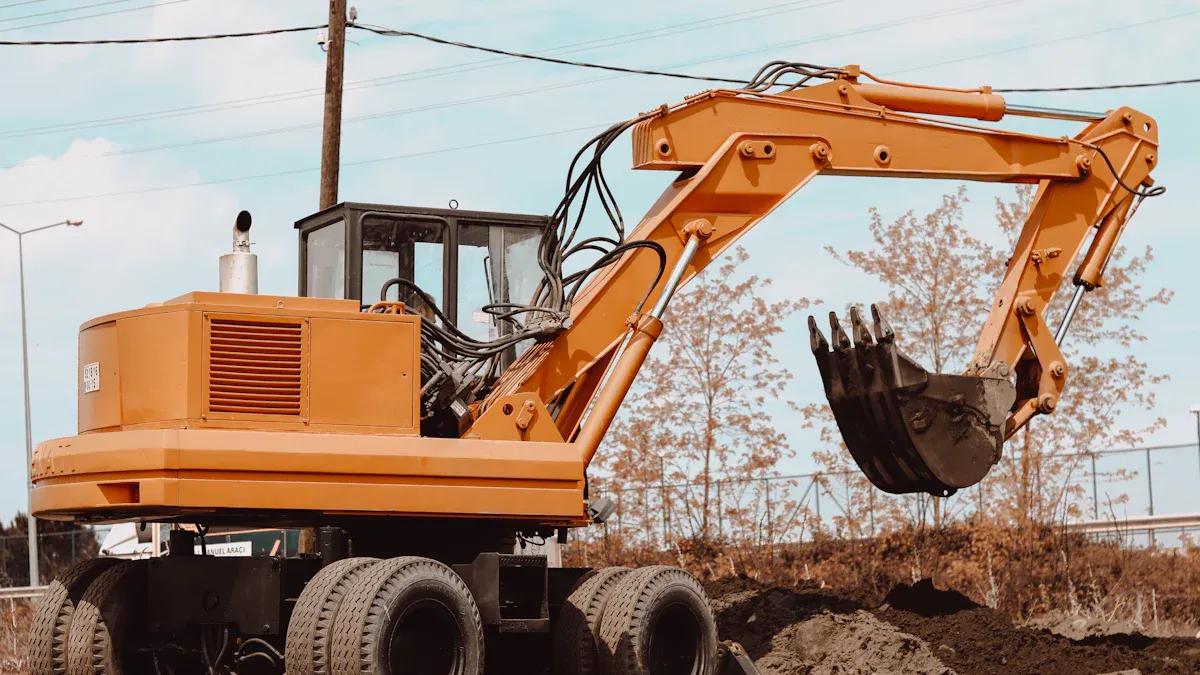
Choosing the right mini excavator starts with a clear assessment of your project requirements. You need to match your equipment to the job, budget, and site conditions. This approach helps you communicate effectively with any mini excavator manufacturer and ensures you get the best value.
Mini excavators serve a wide range of tasks. You should identify the main activities for your project. Common uses include:
Tip: List your tasks before contacting suppliers. This helps you explain your needs and get accurate recommendations.
Evaluate your worksite. Tight spaces, uneven terrain, or urban environments require compact machines. For example, landscaping in a residential area demands a smaller excavator with precise controls. Road projects or utility work may need machines with greater reach and stability.
| Project Type | Application |
|---|---|
| Road Projects | Laying pipelines, road repairs |
| Excavation | Soil excavation, levelling the ground |
| Drainage Systems | Digging trenches for drains, creating drainage pits |
| Landscape Maintenance | Removing tree stumps, bush clearance |
| Construction | Digging foundations, trenches for electrical networks, pipes, irrigation |
For more details on matching equipment to your site, visit Construction Equipment Guide or join discussions on LinkedIn Construction Groups.
You must decide whether to buy or lease. Purchasing suits long-term, frequent use. Leasing works for short-term or seasonal projects. Consider your cash flow and project timeline.
Leasing rates vary by region and duration. Always compare total costs over the expected project period.
Budget for more than just the machine. Factor in delivery, insurance, maintenance, and operator training. These costs can add up quickly. Request a full price breakdown from each supplier.
Note: Unexpected expenses often arise. Set aside a contingency fund to cover repairs or upgrades.
For budget calculators and financial advice, check Equipment Trader or follow @EquipmentWorld on Twitter.
Select the right weight class for your job. Smaller models (under 2 tons) fit tight spaces and light tasks. Larger units (up to 8 tons) handle heavy digging and deeper trenches. Match the machine’s weight to your worksite and transport options.
Attachments expand your excavator’s capabilities. Buckets, augers, and hydraulic breakers suit different tasks. For landscaping, you may need grading blades or stump grinders. Construction projects often require trenching buckets and compactors.
| Specification | Landscaping Importance | Construction Importance |
|---|---|---|
| Digging Depth | Necessary for planting and trenching | Required for foundation work |
| Overall Dimensions | Must fit in tight garden spaces | Can be larger for open sites |
| Engine Power | Moderate power for light tasks | High power for heavy-duty tasks |
| Bucket Breakout Force | Lower force for soil and mulch | Higher force for concrete and rocks |
| Arm Reach | Shorter reach for small areas | Longer reach for larger projects |
| Swing Space | Compact design preferred for gardens | More space available for maneuvering |
| Dumping Height | Lower height for garden beds | Higher height for trucks and containers |
Tip: Ask your mini excavator manufacturer about compatible attachments and upgrade options.
For more technical specs and user reviews, browse ForConstructionPros or join Reddit’s r/Construction community.
By assessing your needs in detail, you set a strong foundation for choosing the right equipment and negotiating with suppliers.
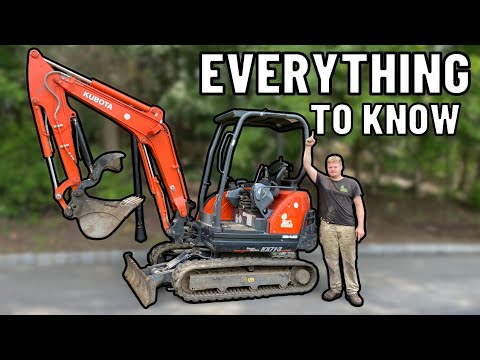
Choosing the right mini excavator manufacturer requires careful research. You need to know where to look, how to compare options, and how to evaluate feedback from other customers. This process helps you avoid costly mistakes and ensures you select a reliable partner for your project.
Start your search online. Industry directories, construction equipment forums, and professional social media groups offer valuable information. You can find detailed specifications, user experiences, and even video demonstrations. Many platforms allow you to compare models and read expert reviews.
These resources help you build a shortlist of potential suppliers and understand the latest trends in the industry.
Visit local dealers to see machines in person. Dealers provide hands-on demonstrations and answer technical questions. You can inspect equipment quality, ask about after-sales support, and discuss financing options. Local dealers often have insights into which mini excavator manufacturer offers the best service in your region.
Tip: Attend regional trade shows or open house events. These gatherings let you compare multiple machines side by side and network with industry professionals.
Evaluate the product range of each mini excavator manufacturer. A broad selection means you can find a machine that fits your exact needs. Look for variety in weight classes, digging depths, and available attachments. Manufacturers with a wide range often invest more in research and development, which can lead to better technology and improved performance.
| Criteria | Description |
|---|---|
| Product Variety | More options for different job sizes and site conditions |
| Attachment Compatibility | Ability to use specialized tools for landscaping, construction, or utility work |
| Technology Features | Advanced controls, safety systems, and fuel efficiency |
Customer service plays a critical role in your ownership experience. You want a mini excavator manufacturer with a strong dealer network, responsive support, and clear warranty terms. Good customer service ensures you get timely maintenance, access to spare parts, and help with troubleshooting.
| Criteria | Description |
|---|---|
| Dealer Network Quality | Local support, fast parts delivery, and technical assistance |
| Warranty Coverage | Protection for powertrain, hydraulics, and structure; check duration and transferability |
| Manufacturer Standing | Reputation for reliability, durability, and customer satisfaction |
Note: A strong dealer network can reduce downtime and protect your investment over the long term.
Check online ratings on trusted platforms. High ratings usually reflect consistent product quality and good customer service. Read both positive and negative reviews to understand common strengths and weaknesses. Look for patterns in feedback, such as frequent praise for durability or complaints about parts availability.
Personal recommendations carry significant weight. Ask colleagues, contractors, or local business owners about their experiences with different mini excavator manufacturers. Word of mouth reveals real-world performance and support quality that you might not find online.
Tip: Collect testimonials from multiple sources to get a balanced view before making your decision.
By combining online research, dealer visits, and customer feedback, you can confidently choose a mini excavator manufacturer that meets your needs. This approach ensures you invest in equipment that delivers value, reliability, and support throughout its service life.
When you select a mini excavator manufacturer, you need to verify their credentials. This step protects your investment and ensures you receive equipment that meets industry expectations. You can check certifications, experience, and reputation using several practical methods.
You should confirm that the manufacturer complies with recognized industry standards. These standards guarantee that the machines meet strict safety and performance requirements. For example, certifications such as ISO 5010 focus on operator safety, stability, and structural integrity. Manufacturers who follow these standards produce equipment that operates reliably and withstands tough job site conditions. You can verify certifications by checking official documentation or searching for listings on industry platforms like ISO’s official site or ANSI.
Tip: Always request copies of certification documents before making a purchase. You can also cross-check credentials with regulatory bodies or professional associations.
Safety certifications play a crucial role in your decision. Equipment that meets safety standards reduces the risk of accidents and ensures compliance with local regulations. Manufacturers often display safety badges or provide test reports. You can look for compliance with emission standards, which indicate that the machines are environmentally friendly and meet pollution control regulations. These certifications enhance the reliability and efficiency of the equipment.
You should evaluate how long the manufacturer has operated in the industry. Companies with many years of experience tend to offer more reliable products and better support. Longevity often signals stability and a proven track record. You can find this information on the manufacturer’s website or by searching business directories like Dun & Bradstreet or Bloomberg Businessweek.
Note: Manufacturers with a long history usually have refined their production processes and built strong relationships with suppliers.
Reviewing notable projects helps you assess the manufacturer’s expertise. You can ask for case studies or references from previous clients. Look for examples where the manufacturer supplied equipment for large infrastructure, landscaping, or utility projects. These examples show how the machines perform in real-world conditions and demonstrate the manufacturer’s ability to meet diverse requirements.
Industry awards reflect a manufacturer’s commitment to quality and innovation. You can check for awards from trade associations, engineering societies, or construction magazines. Awards often highlight achievements in durability, design, or customer satisfaction. You can verify awards by visiting official event websites or reading press releases on platforms like Construction Equipment Guide or ENR.
Customer feedback provides valuable insights into the manufacturer’s reputation. You should read reviews on trusted platforms and ask for testimonials from previous buyers. Consistent positive feedback indicates strong support and reliable products. You can also join industry forums or social media groups to gather opinions from experienced operators.
| Manufacturer Experience | Reputation Contribution |
|---|---|
| Over 20 years | Successfully deployed mini excavators in urban infrastructure projects, demonstrating durability and ease of maintenance. |
| 10-20 years | Piloted latest smart excavator models in commercial sites, receiving positive feedback on operator comfort and productivity. |
| Under 10 years | Conducted field tests in landscaping projects, showcasing compact design and high performance in confined areas. |
Tip: Use multiple sources to verify reputation, such as Trustpilot, Better Business Bureau, or construction-focused social media groups.
By checking manufacturer credentials, you ensure that your chosen mini excavator manufacturer meets high standards for safety, reliability, and customer satisfaction. This step helps you avoid common pitfalls and make a confident, informed decision.
When you evaluate a mini excavator, you must look beyond the machine itself. Quality and support from the mini excavator manufacturer will impact your ownership experience and long-term costs. You should focus on three main areas: warranty, after-sales service, and parts availability.
Warranty terms can vary widely. Leading manufacturers often provide flexible options. You may see standard coverage for one year, with the option to extend up to three years. Some suppliers offer extended warranties for used equipment. Deductible choices, such as $0, $500, or $1,000, let you balance upfront costs with long-term protection.
| Coverage Type | Description |
|---|---|
| Powertrain | Covers engine and major mechanical components. |
| Powertrain+ | Adds hydraulic system coverage to the powertrain. |
| Ultimate | Includes powertrain, hydraulics, emissions, and air conditioning components. |
| Terms | Standard 1-year, with options to extend up to 3 years. |
| Deductible Options | $0, $500, $1,000. |
Tip: Always request a sample warranty contract. Review the fine print for exclusions and claim procedures.
You should check what the warranty actually covers. Some plans only protect the engine and transmission. Others include hydraulics, emissions, and even air conditioning. Extended coverage can reduce risk and boost resale value. If you plan to keep your machine for several years, a comprehensive warranty will save you money on repairs.
Strong after-sales service ensures your equipment stays in top condition. You should ask about scheduled maintenance programs. Some dealers offer on-site service, while others require you to bring the machine in. Fast response times and clear maintenance schedules reduce downtime and keep your project on track.
Note: Reliable maintenance support often signals a trustworthy mini excavator manufacturer.
Operator training is essential for safety and efficiency. You should confirm if the supplier offers hands-on training or online modules. Well-trained operators extend the life of your equipment and reduce the risk of accidents. Some companies provide certification programs, which can help you meet regulatory requirements.
You can find more tips on evaluating after-sales service at Equipment World or join discussions on Reddit’s r/HeavyEquipment.
Parts availability directly affects your machine’s uptime. You should ask if the dealer stocks common parts locally. Quick access to filters, hoses, and seals means you can fix issues fast. Some suppliers publish real-time inventory online, which helps you plan ahead.
| Support Option | Local Stock | Delivery Time | Cost Impact |
|---|---|---|---|
| In-Stock | Yes | 1-2 days | Low downtime |
| Regional Warehouse | Limited | 3-5 days | Moderate downtime |
| Special Order | No | 1-2 weeks | High downtime |
You should confirm delivery times for both machines and parts. Fast shipping reduces project delays. Some dealers offer same-day delivery for urgent repairs. Others may rely on regional warehouses, which can add days to your wait. Always ask for a written estimate of delivery times before you commit.
Callout: Easy access to affordable parts and responsive technical support will maximize your mini excavator’s long-term value.
For more guidance, visit ForConstructionPros or connect with peers on LinkedIn Construction Groups.
Requesting quotes and attending equipment demos are essential steps when selecting a mini excavator manufacturer. You gain clarity on pricing, features, and real-world performance. This process helps you compare options and make an informed decision.
You should prepare a list of requirements before contacting manufacturers. Include details such as machine size, weight class, preferred attachments, and expected usage hours. Providing clear information ensures you receive accurate quotes tailored to your needs.
Tip: Request quotes from at least three manufacturers. This approach allows you to compare offers and negotiate better terms.
When you receive quotes, review the price breakdown carefully. Manufacturers often include base machine cost, attachments, delivery, and warranty options. Comparing similar models helps you identify value differences.
| Type | Price Range |
|---|---|
| New Small Excavators | $20,000 – $100,000 |
| Used Mini Excavators | $5,000 – $50,000 |
For example, a compact excavator may cost $15,000 to $25,000 depending on specifications. Another manufacturer might offer a similar model for $13,000, but with lower engine power and fewer comfort features. Always weigh the total package, not just the headline price.
You can find more advice on quote comparison at Equipment Trader and join discussions on Reddit’s r/Construction.
Attending a demo lets you evaluate machine performance firsthand. Focus on key metrics that impact your project efficiency.
| Performance Metric | Description |
|---|---|
| Zero Tail Swing Capability | Maneuvering in confined spaces |
| Dig Depth | Accessing utility lines and foundations |
| Operating Weight | Balancing stability and transportability |
| Engine Power | Handling challenging soil conditions |
| Auxiliary Hydraulics | Smooth operation of attachments |
Observe how the excavator handles digging, lifting, and turning. Test different attachments to assess hydraulic response and versatility.
Note: Take notes during the demo and ask the operator about maintenance routines and fuel consumption.
Operator comfort directly affects productivity. During the demo, spend time inside the cab and check for ergonomic features.
You should prioritize comfort features if your team will operate the machine for extended periods. Enhanced comfort leads to higher efficiency and fewer breaks.
For more demo tips, visit ForConstructionPros or connect with professionals on LinkedIn Construction Groups.
By requesting detailed quotes and attending demos, you gain practical insights into pricing, machine capabilities, and operator experience. This approach ensures you select equipment that fits your budget and project needs.
When you compare offers from different mini excavator manufacturers, you need to look beyond the initial price. Focus on the overall value each package provides. Consider durability, advanced features, and operator comfort. These factors influence your machine’s performance and lifespan.
| Factor | Description |
|---|---|
| Durability and Build Quality | Machines with strong build quality last longer and handle tough job sites. |
| Advanced Technology and Features | Modern hydraulic systems and fuel-efficient engines improve productivity and reduce operating costs. |
| Operator Comfort and Safety | Ergonomic controls and safety features help operators work efficiently and safely. |
Tip: Ask each supplier for a breakdown of included features, warranty terms, and support services. Compare these details side by side to identify which offer delivers the best long-term value.
You should calculate the total cost of ownership before making a decision. This includes maintenance, repairs, fuel consumption, and potential downtime. A machine with a lower purchase price may cost more over time if it requires frequent repairs or lacks local parts support.
| Cost Category | Year 1 | Year 2 | Year 3 | Total (3 Years) |
|---|---|---|---|---|
| Maintenance | $1,200 | $1,300 | $1,400 | $3,900 |
| Repairs | $800 | $900 | $1,000 | $2,700 |
| Fuel | $2,000 | $2,100 | $2,200 | $6,300 |
| Downtime | $500 | $600 | $700 | $1,800 |
| Total | $14,700 |
Review these numbers with each supplier. Request service records and ask about average maintenance intervals. Reliable machines with efficient engines and easy-to-source parts often save you thousands over several years.
For more guidance on calculating ownership costs, visit Equipment Trader or join discussions on Reddit’s r/Construction.

Before you finalize your choice, verify the manufacturer’s credentials. Check certifications for safety and quality standards. Review the company’s experience and ask for references from previous clients. Inspect the machine in person. Look for wear on tracks, hydraulics, and undercarriage. Request service records to confirm regular maintenance.
Note: Consulting with industry experts or trusted suppliers can help you clarify any uncertainties and provide recommendations tailored to your needs.
Evaluate the support each manufacturer offers. Confirm warranty coverage and after-sales service. Ask about local parts availability and response times for repairs. Reliable support reduces downtime and protects your investment.
Avoid these common mistakes by using a detailed checklist. Make sure every offer meets your project requirements and long-term goals.
For more decision-making resources, explore ForConstructionPros or connect with professionals on LinkedIn Construction Groups.
By comparing offers thoroughly and confirming credentials and support, you make a confident, informed decision that benefits your project for years to come.
You can make a smart choice by following a clear process when selecting a mini excavator manufacturer. Start by defining your project needs and evaluating site constraints. Research and compare models, prioritize machines with verifiable certifications, and assess warranty and support. Review total ownership costs and seek feedback from experienced operators. This structured approach helps you avoid common mistakes and gives you confidence as you invest in equipment that supports your long-term success. 🚜
Check the warranty duration, coverage details, and claim process. A strong warranty protects your investment and reduces repair costs. Request a sample contract and clarify exclusions before you commit.
Ask for official safety certifications and inspection reports. Review documentation for compliance with recognized industry standards. Reliable manufacturers provide transparent safety records and test results.
Request information about after-sales support, parts availability, and maintenance schedules. Ask for a demonstration of the machine’s features. Inquire about operator training and technical assistance.
Create a table listing purchase price, maintenance, repairs, fuel, and downtime. Review service records and average maintenance intervals. Calculate costs over several years to identify the most cost-effective option.
| Cost Type | Yearly Estimate |
|---|---|
| Maintenance | $1,200 |
| Repairs | $900 |
| Fuel | $2,100 |
| Downtime | $600 |
Operator comfort improves productivity and reduces fatigue. Test cab ergonomics, seat adjustability, and control layout during demos. Comfortable machines help your team work efficiently and safely.
List machine size, weight class, required attachments, and expected usage hours. Specify your preferred delivery timeline and whether you want new or used equipment. Clear requirements lead to accurate quotes.
Evaluate the dealer’s response time, local parts stock, and maintenance programs. Reliable support minimizes downtime and keeps your project on schedule. Ask for references from previous customers.
Do not focus only on price. Overlooking warranty terms, support quality, and machine condition can lead to higher costs. Always verify credentials and review customer feedback before making a decision.




-1.png)