Email: [email protected] Whatsapp: +8618266768780
Email: [email protected] Whatsapp: +8618266768780


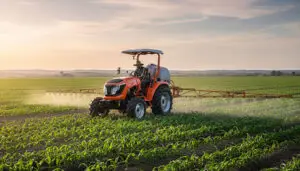
Choosing the Right Tractor for your farm means matching horsepower and features to your acreage and terrain. You increase productivity and reduce costs when you select equipment that fits your daily tasks. For example, a tractor with 25-50 HP works well for under 50 acres, while larger farms need more power.
| Farm Size (acres) | Recommended Tractor HP | Typical Implements |
|---|---|---|
| Under 50 | 25-50 HP | Small rotary tillers, seeders |
| 50-500 | 50-150 HP | 3-point hitch implements, row crop planters |
| 500+ | 150-300+ HP | Large planters, combines, grain carts |
Tip: Farmers often overlook ongoing costs and compatibility. Planning for future needs helps you avoid costly mistakes and ensures your investment pays off.
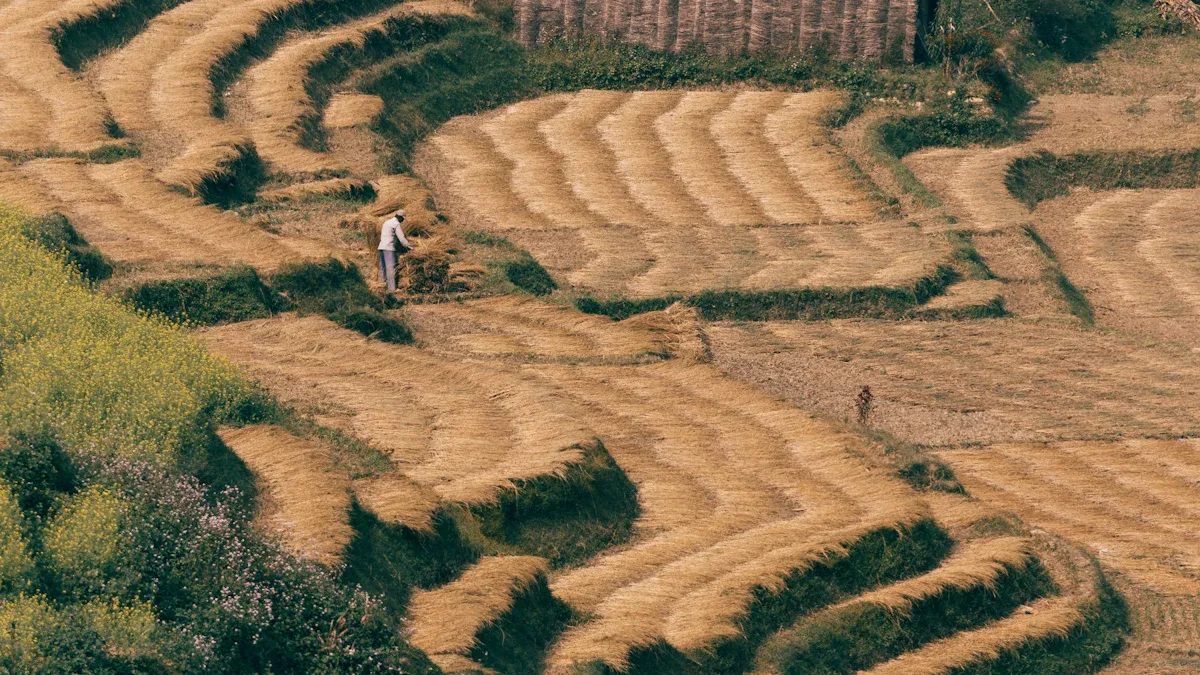
When you assess your farm’s acreage, you set the foundation for Choosing the Right Tractor. The size of your property determines the horsepower and type of tractor you need. Small farms and gardens require less power, while larger properties demand more robust equipment.
| Property Size (Acres) | Tractor Type | Horsepower Range |
|---|---|---|
| Up to 10 | Sub-Compact Tractors | 15-25 HP |
| 10 to 25 | Compact Utility Tractors | 25-50 HP |
| 25 to 100 | Utility Tractors | 50-100 HP |
| Over 100 | High-Horsepower Tractors | 100+ HP |
If you manage less than 5 hectares, you benefit from compact or sub-compact tractors. These models offer 25 to 60 horsepower, which suits mowing, light tillage, and landscaping. You save fuel and reduce maintenance costs with smaller tractors. You also gain maneuverability in tight spaces.
For properties over 10 acres, you need more power. Utility tractors with 50 horsepower or more handle heavier implements and larger fields. You complete tasks faster and improve efficiency. Larger models support attachments for tillage, hauling, and planting.
Your daily tasks shape your tractor choice. You should list your most frequent operations before making a decision.
You often mow grass, shape land, and maintain pastures. Compact tractors with mid-range horsepower work well for these jobs. You attach rotary mowers, box blades, and seeders for versatile use.
You prepare soil, transport materials, and move feed. Utility tractors with higher horsepower handle tillage and hauling. You use front-end loaders, pallet forks, and grain carts for these operations.
Note: Material handling, groundwork, and specialized tasks require different implements. You should match your tractor’s capabilities to your daily workload for best results.
The terrain of your farm affects tractor selection. You must consider hills, flat land, and rocky areas.
You improve safety and efficiency when you match your tractor to your farm’s layout. You also reduce wear and tear on equipment.
Tip: Always evaluate your land’s features before you invest in a tractor. You avoid costly mistakes and ensure your machine performs well in every season.
Selecting the best tractor for your farm starts with understanding the differences between compact, utility, and row-crop tractors. You need to match your equipment to your acreage, daily tasks, and future plans. Choosing the Right Tractor helps you maximize productivity and minimize costs.
Compact tractors work well for small farms, gardens, and landscaping projects. You benefit from their versatility and maneuverability. These tractors fit into tight spaces and handle a wide range of jobs, such as mowing, tilling, and hauling light loads. Their user-friendly controls make them accessible for both beginners and experienced operators.
| Tractor Type | Key Features | Applications |
|---|---|---|
| Compact Utility Tractors | Smaller size, high versatility, often equipped with loaders | Ideal for small-scale farms and landscaping |
You can use compact tractors for vegetable gardens, market plots, and hobby farms. Their ergonomic seating and smooth handling reduce fatigue during long hours. You also save on fuel and maintenance costs because of their efficient design.
Advantages of Compact Tractors:
Tip: If you manage less than 10 acres, Choosing the Right Tractor often means selecting a compact model. You get the most value when you focus on ease of use and adaptability.
Utility tractors serve as the backbone for medium-sized farms. You rely on them for plowing, tilling, hauling, and other demanding tasks. These tractors offer more horsepower and support a wider range of implements. You can tackle heavier workloads and cover more ground efficiently.
| Tractor Type | Versatility Description | Cost-Effectiveness Description |
|---|---|---|
| Utility Tractors | Capable of handling plowing, tilling, hauling; ideal for medium-sized farms | Higher upfront cost, but greater versatility makes them a good investment |
Utility tractors handle livestock operations, mixed-use farms, and larger crop fields. You benefit from their ability to switch between tasks quickly. Their robust build and advanced features help you manage daily operations with fewer breakdowns.
Practical Example:
You operate a 30-acre farm with livestock and crops. Choosing the Right Tractor means picking a utility model that can pull heavy implements, move feed, and prepare fields for planting. You save time and reduce labor costs by using one machine for multiple jobs.
Note: Utility tractors offer a balance between power and flexibility. You invest more upfront, but you gain long-term efficiency and reliability.
Row-crop tractors excel in large-scale farming and specialized operations. You use them for planting, cultivating, and harvesting crops like corn and soybeans. Their high ground clearance and narrow build allow you to navigate closely planted rows without damaging plants.
| Tractor Type | Key Features | Applications |
|---|---|---|
| Row Crop Tractors | High ground clearance, powerful engines, advanced attachments | Designed for growing crops on large farms |
You find row-crop tractors equipped with advanced transmissions and precision farming technology. These features boost productivity and help you manage large implements and heavy loads. You also enjoy improved operator comfort with spacious cabs and better visibility.
Unique Features of Row-Crop and Specialty Tractors:
Specialty tractors suit niche uses, such as orchard management and vineyard operations. You benefit from their compact designs and technology tailored for specific crops or terrain.
Practical Example:
You manage a 200-acre row-crop farm. Choosing the Right Tractor involves selecting a model with high horsepower and precision controls. You complete planting and harvesting faster, reduce crop damage, and improve yields.
Tip: For large-scale or specialized operations, Choosing the Right Tractor means prioritizing advanced features and technology. You increase efficiency and support future growth.
Selecting the right horsepower for your tractor is essential for efficient farm operations. You must consider the size of your farm, the type of work you do, and the terrain you manage. Experts recommend evaluating your daily tasks and the equipment you plan to use. Larger farms and more demanding jobs require higher horsepower, while smaller properties benefit from compact models.
| Task Type | Recommended HP Range | Farm Size | Terrain Consideration |
|---|---|---|---|
| Mowing & Light Work | 15-35 HP | Up to 10 acres | Flat or gently rolling |
| Tillage & Hauling | 35-50 HP | 10-50 acres | Mixed terrain |
| Heavy Tillage | 50+ HP | Over 50 acres | Steep or rough terrain |
You find the 35-50 HP range ideal for many small to medium farms. This horsepower sweet spot allows you to handle mowing, tillage, hauling, and light construction tasks. You gain enough power for most implements without sacrificing fuel efficiency or maneuverability. Planning for future growth by choosing a tractor with slightly more horsepower can help you avoid upgrades later.
Tip: Assess your farm’s size, terrain, and workload before settling on horsepower. You ensure your tractor meets current and future needs.
Attachments and implements transform your tractor into a multi-functional tool. You increase efficiency and productivity by choosing the right accessories for your needs. Essential implements include loaders, mowers, tillers, and seeders. These tools reduce manual labor, improve operational time, and enhance crop yields.
| Implement Type | Primary Function | Efficiency Benefit |
|---|---|---|
| Loader | Material handling | Reduces manual lifting |
| Rotary Mower | Grass and weed control | Speeds up mowing |
| Tiller | Soil preparation | Improves seedbed quality |
| Seeder | Planting crops | Enhances planting accuracy |
Note: Choosing the right tractor attachments is crucial for boosting productivity and profitability. Multi-functional implements prepare your farm for future challenges.
Fuel efficiency plays a major role in your farm’s long-term costs. You save money and support sustainable farming by selecting a tractor with efficient fuel consumption. Fuel-efficient models use less fuel per hour and per hectare, lowering your operational expenses. Precision agriculture practices, such as GPS-guided driving, can further optimize fuel use and reduce emissions.
| Tractor Size | Typical Fuel Use (L/hr) | Efficiency Features |
|---|---|---|
| Compact (15-35 HP) | 2-4 | Lightweight, efficient |
| Utility (35-100 HP) | 4-8 | Advanced fuel management |
| Large (100+ HP) | 8-15 | Precision tech, turbo |
Tip: Calculate your fuel consumption per hour and per hectare. You identify savings opportunities and make informed decisions when Choosing the Right Tractor.
You boost farm efficiency when you prioritize regular tractor maintenance and reliable support. Well-maintained equipment runs smoothly and helps you avoid unexpected breakdowns. You save time and money by catching problems early and keeping your tractor in top condition.
Daily, weekly, and seasonal maintenance tasks keep your tractor working at its best. You should follow a routine to check vital systems and address issues before they grow. Here is a simple breakdown of common maintenance tasks:
| Frequency | Maintenance Tasks |
|---|---|
| Daily | Check engine oil level, inspect coolant levels, verify hydraulic fluid levels, examine tires, lubricate fittings. |
| Weekly | Clean air filter, check battery terminals, inspect belts, examine hydraulic hoses, test hydraulic functions. |
| Seasonal | Change engine oil, replace fuel filters, prepare for winter storage, service cooling system. |
You reduce the risk of costly repairs and production delays when you stick to this schedule. Preventive maintenance lowers the chance of equipment breakdowns, which can lead to lost productivity and higher repair bills. A study found that farmers who improved their maintenance routines cut costs by 25%. You avoid expensive emergency repairs by fixing small issues before they become major problems.
Poor maintenance can cause significant losses. You might face seed wastage, crop spoilage, and longer waiting times for workers. These setbacks not only hurt your yield but also increase your expenses. Regular care helps you keep your tractor reliable and your farm running smoothly.
Tip: Create a maintenance checklist and set reminders for each task. You stay organized and ensure nothing gets missed.
You also need to consider support options. Local service centers and knowledgeable technicians make a big difference. You get faster repairs and expert advice when you have access to good support. Reliable parts supply helps you minimize downtime and keep your tractor working through busy seasons.
You invest in maintenance and support because it protects your tractor and your bottom line. You keep your farm efficient, avoid unnecessary costs, and ensure your equipment lasts for years.
Choosing a tractor that is too large or too small for your farm can create serious problems. You may think a bigger tractor will handle every job, but oversizing leads to wasted resources and higher costs. On the other hand, a tractor that is too small struggles with heavy tasks and slows down your work. You need to match tractor size to your acreage and daily operations to avoid these pitfalls.
Here is a breakdown of the consequences:
| Consequence | Description |
|---|---|
| Increased fuel consumption | You spend more on fuel when the tractor is too large for your needs. |
| Higher maintenance costs | Oversized or undersized tractors experience more wear and tear, leading to expensive repairs. |
| Unnecessary soil compaction | Heavy tractors compress the soil, which reduces crop yields and harms soil health. |
| Inefficient operation | Tasks take longer when the tractor is not suited to the job, lowering your overall efficiency. |
You protect your investment and boost productivity when you select a tractor that fits your farm’s requirements. Always assess your acreage, typical tasks, and implement needs before making a decision.
Tip: Measure your workload and field size before you buy. You avoid costly mistakes and keep your farm running smoothly.
Many farmers focus only on current needs when selecting a tractor. You may overlook future expansion, which can force you to upgrade sooner than expected. Industry trends show that high equipment prices and tighter profitability often slow new equipment sales. You might delay upgrades, but this can limit your ability to grow and adapt.
You should plan for growth by choosing a tractor with enough horsepower and flexibility to handle larger workloads in the future. This approach saves you money and time, reducing the need for frequent upgrades.
Note: Consider your farm’s long-term goals. You make smarter investments when you think ahead.
Ignoring your farm’s terrain can put you and your equipment at risk. You may underestimate the impact of slopes, rocky ground, or uneven fields. Agricultural safety studies show that ignoring terrain factors increases rollover incidents, which are a leading cause of fatalities in tractor operations.
You improve safety and efficiency when you select a tractor with the right drive type, tires, and stability features for your land. Always evaluate your terrain before purchasing. You protect yourself, your workers, and your crops by making informed choices.
Tip: Walk your fields and note any slopes or rough areas. You reduce risks and ensure your tractor performs well in every season.
You might focus on horsepower and attachments when choosing a tractor, but comfort and safety deserve equal attention. Ignoring these factors can lead to fatigue, accidents, and lower productivity. Modern tractors offer features that protect you and make long hours in the field more manageable. When you overlook comfort and safety, you risk your health and the efficiency of your farm.
Operator comfort starts with the design of the control cabin. You need clear visibility and easy-to-reach controls. Poor cabin layout forces you to twist and stretch, which increases fatigue and the chance of mistakes. Ergonomic seating and climate control help you stay alert and comfortable during long shifts. If you choose a tractor with a cramped or poorly designed cabin, you may experience back pain, muscle strain, and reduced focus.
Safety features play a critical role in preventing accidents. Rollover Protective Structures (ROPS) reduce fatalities by shielding you during rollovers. However, their effectiveness drops in remote areas where emergency response is slow. Older tractors often lack these protections, putting you at greater risk. You should check for seat belts, ROPS, and other safety systems before making a purchase.
Operator age and tractor age also influence accident rates. Older tractors may not have modern safety features. If you or your workers are older, situational awareness can decline, raising the likelihood of accidents. Fatigue and lack of training further increase risks. You should invest in regular training and choose tractors with intuitive controls to minimize errors.
The following table highlights how comfort and safety design affect productivity and accident rates:
| Factor | Impact on Safety and Productivity |
|---|---|
| Rollover Protective Structures (ROPS) | Reduces fatalities but effectiveness compromised in remote areas due to delayed emergency response |
| Age of Operators and Tractors | Increased accident risk due to cognitive decline and outdated safety features |
| Design of Control Cabin | Inadequate design contributes to accidents; visibility and control placement are critical for safety |
| Operator Training | Lack of knowledge and fatigue lead to higher accident rates |
You should consider these points when evaluating tractor options:
Comfort and safety features do more than protect you. They help you work longer hours without fatigue, reduce mistakes, and keep your farm running smoothly. You boost efficiency and lower costs when you prioritize these factors. Always test the cabin layout, check for safety systems, and invest in training. You create a safer and more productive environment for yourself and your workers.
Tip: Never compromise on comfort and safety. You protect your health and improve your farm’s efficiency by making these features a priority.
You can see the impact of choosing the right tractor on small farms through real-world stories. Many small-scale farmers report significant gains in efficiency and cost savings after selecting a tractor that matches their acreage and daily needs.
These examples show that you can boost productivity and lower costs by matching tractor size and features to your farm’s unique layout and workload. For more tips and shared experiences, you can explore farming forums and social media groups where growers discuss their equipment choices.
Medium-sized farms often benefit from upgrading to a tractor that better fits their expanding operations. The right upgrade can save you time and increase your output.
| Farm Type | Tractor Upgrade | Benefit Description |
|---|---|---|
| Asian Rice Farm | 240 HP 4WD | Improved sowing consistency, reduced planting window by 3 days. |
| Oregon Orchard | 35 HP to 45 HP | Reduced mowing time by 25%. |
| Midwest Grain Farm | Upgraded to 160 HP | Increased tillage efficiency by 40%. |
You might run an orchard and decide to move from a 35 HP to a 45 HP tractor. This change can cut mowing time by a quarter, freeing up hours for other tasks. On a grain farm, upgrading to a higher horsepower model can boost tillage efficiency by 40%. These improvements help you manage labor and resources more effectively.
Upgrading your tractor as your farm grows ensures you keep pace with new challenges. You can find more upgrade stories and advice on agricultural extension websites and trusted farming communities.
Large farms often rely on a fleet of tractors. Optimizing this fleet with the right technology and maintenance practices leads to measurable gains.
| Benefit | Description |
|---|---|
| Reduced Downtime | Proactive alerts minimize unexpected breakdowns. |
| Lower Repair Costs | Early issue detection prevents small problems from escalating. |
| Enhanced Fleet Management | Telematics provides an overview for smarter scheduling and resource allocation. |
You can use telematics and proactive maintenance to reduce downtime and repair costs. These tools give you a clear view of your equipment’s status and help you schedule work more efficiently. Many large farms share their success stories on industry platforms and at agricultural conferences, offering valuable insights for your own operation.
By investing in the right technology and tractor management strategies, you can maximize productivity and keep your large farm running smoothly.
When you choose a tractor, your budget and financing strategy play a key role in long-term farm efficiency. Understanding the financial impact of your decision helps you avoid surprises and keeps your operation sustainable.
You face a major decision: buy new or used. Each option affects your budget and farm operations in different ways.
Tip: Weigh the benefits of new technology and warranties against the lower upfront cost of used equipment. This helps you make a decision that fits your farm’s needs and budget.
You need to look beyond the sticker price. The total cost of owning a tractor includes several factors that can affect your bottom line over time.
Fuel costs depend on how much land you work and the type of tractor you use. Repair costs can change based on your location and how you maintain your equipment. You should estimate these expenses to avoid budget shortfalls.
Note: Calculating the total cost of ownership gives you a clearer picture of your investment. This approach helps you plan for both expected and unexpected expenses.
You have several financing options when purchasing a tractor. Each option comes with different loan amounts, interest rates, and repayment terms. Choosing the right financing can help you manage cash flow and invest in the equipment you need.
| Lender / Program | Loan Amount Range | Interest Rate Range | Repayment Tenure |
|---|---|---|---|
| Traditional Banks | $25,000 – $5,000,000 | 6.75% – 8.25% | 3 – 7 years |
| Manufacturer Financing | $10,000 – $2,000,000 | 0% – 7.5% | 2 – 7 years |
| Online Lenders | $5,000 – $500,000 | 7% – 19% | 1 – 5 years |
| FSA Guaranteed Loans | Up to $2,036,000 | Market rates, up to 95% guarantee | Up to 7 years (equipment) |
| FSA Direct Farm Operating Loans | Up to $400,000 | Below-market, subsidized rates | 1–7 years (equipment) |
| SBA 7(a) Loan | Up to $5,000,000 | 11.5% – 15% | Up to 10 years |
| SBA 504 Loan | Up to $5,500,000 | Tied to Treasury rates (around 6.75%-8.25%) | Up to 10 years (equipment) |
You should compare interest rates, loan terms, and eligibility requirements. Some programs offer lower rates or longer repayment periods, which can ease your financial burden.
Tip: Review all financing options before making a commitment. The right loan structure can free up capital for other farm improvements and help you weather tough seasons.
By carefully considering your budget and financing, you set your farm up for long-term efficiency and success. Smart financial planning ensures you get the most value from your tractor investment.
You set your farm up for long-term success when you choose a tractor with sustainable features. Sustainable tractors help you lower costs and protect the environment. Modern models focus on fuel efficiency, which means you spend less on fuel and reduce greenhouse gas emissions. You also benefit from precision technology that guides your tractor, allowing you to apply seeds, fertilizer, and pesticides accurately. This reduces waste and boosts your yields.
When you invest in sustainability, you improve your farm’s profitability and leave a positive impact on the land for future generations. You also meet growing consumer demand for environmentally responsible farming.
Tip: Look for tractors with eco-friendly engines and precision controls. You save money and support a healthier environment.
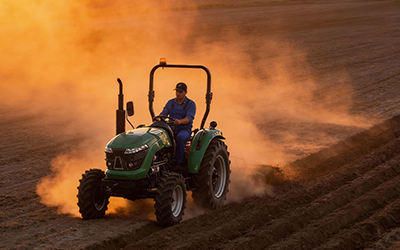
You boost your farm’s efficiency and data management when you adopt the latest tractor technology. Advanced features help you work smarter and make better decisions. Autonomous tractors use GPS and artificial intelligence to plant crops with precision and operate around the clock. Smart irrigation systems use data to optimize water usage, improving crop health and yields. Precision farming technology gives you accurate field maps and collects valuable data for planning.
| Technology | Benefits |
|---|---|
| Autonomous Tractors | Precision planting, 24/7 operation, reduced human labor, GPS and AI integration for efficiency |
| Smart Irrigation Systems | Optimize water usage, improve crop health, and enhance yield through data-driven decisions |
| Precision Farming Tech | High accuracy in field mapping, data collection for informed decision-making |
You also gain access to GPS systems for field mapping, auto-steering for straight rows, and farm management systems for data analysis. These tools help you save fuel, reduce manual effort, and improve operational efficiency by up to 30%. AI-powered robots can navigate fields, perform tasks like seeding and spraying, and deliver fuel savings of 15-20%.
Note: Embracing new technology helps you stay competitive and adapt to changing conditions. You make informed choices that drive your farm’s growth.
You protect your investment when you consider tractor resale value as part of your long-term strategy. Several factors influence how much your tractor will be worth when you decide to sell or upgrade.
| Factor | Impact on Resale Value |
|---|---|
| Hours of use | Higher operating hours can lead to faster value decline. |
| Condition and maintenance | Well-maintained machines retain value better and sell at higher prices. |
| Market demand | Some models and brands hold their value better due to demand or reputation for longevity. |
You maintain your tractor regularly to keep it in good condition. This helps you secure a higher resale price and reduces your total cost of ownership. You also pay attention to market trends and choose models known for reliability. When you plan for resale, you free up capital for future upgrades and keep your farm efficient.
Tip: Track your tractor’s usage and service history. You maximize resale value and make smarter financial decisions.
Choosing the right tractor transforms your farm’s efficiency. You complete tasks faster and reduce costs when you match tractor size and features to your acreage and daily workload. Before you buy, assess your farm’s size, terrain, and future plans.
Consult local experts or use trusted resources for guidance. You make smarter decisions and set your farm up for long-term success.
You should choose a compact tractor with 25–50 horsepower for small farms under 25 acres. This size handles mowing, tilling, and hauling efficiently. You save fuel and reduce maintenance costs with a smaller model.
List your main tasks first. Light work like mowing needs 15–35 HP. Tillage and hauling require 35–50 HP. Heavy tillage or large implements need 50+ HP. Always plan for future needs when selecting horsepower.
You can add loaders, rotary mowers, tillers, and seeders. These attachments let you handle material moving, mowing, soil prep, and planting. Choose implements that match your daily tasks for the best results.
Flat land allows you to use two-wheel drive tractors. Hilly or rough terrain requires four-wheel drive for better traction and safety. Always check your field’s layout before buying.
Check oil, coolant, and tire pressure daily. Clean filters weekly. Change oil and service the cooling system seasonally. Regular maintenance prevents breakdowns and extends your tractor’s life.
New tractors offer warranties and the latest features. Used tractors cost less upfront but may need more repairs. Weigh your budget, technology needs, and expected maintenance before deciding.
Choose a tractor with slightly more horsepower and flexibility than you need now. This helps you handle larger workloads as your farm expands. Planning ahead saves you money and time.
Look for rollover protection, seat belts, and ergonomic controls. These features keep you safe and reduce fatigue. Always test the cabin layout and check for modern safety systems before buying.
-1.png)