Email: [email protected] Whatsapp: +8618266768780

Email: [email protected] Whatsapp: +8618266768780


Selecting the correct Mini Excavator size directly affects your project’s efficiency, safety, and budget. For example, choosing a compact model for a backyard landscaping job allows you to navigate tight spaces, minimize tipping risk, and reduce blind spots. The table below highlights how different factors impact job site safety and productivity:
| Factor | Impact on Efficiency and Safety |
|---|---|
| Site Conditions | Improves maneuverability and stability |
| Operator Visibility | Reduces accident risk |
| Stability and Control | Lowers likelihood of tipping |
Assess your project’s requirements, including entry points, material weight, and attachment needs, before selecting your machine.
Project scope plays a critical role in determining the right Mini Excavator size. Residential projects, such as backyard landscaping or utility installations, often require compact machines that can maneuver through narrow gates and around existing structures. For example, if you plan to install a small pond in your backyard, a Mini Excavator under 4,000 lbs allows you to dig efficiently without damaging nearby patios or fences. In contrast, commercial projects like parking lot expansions or warehouse construction demand larger excavators to handle heavier materials and meet strict deadlines. A contractor working on a new retail complex might select a medium-sized Mini Excavator to move large volumes of soil and gravel quickly, ensuring the project stays on schedule. For more insights on matching equipment to project type, you can consult resources like Construction Equipment Guide.
The complexity of your tasks also influences the ideal Mini Excavator size. Simple jobs, such as digging shallow trenches for irrigation, require less power and reach. A homeowner installing a sprinkler system can use a smaller excavator to avoid unnecessary fuel costs and reduce the risk of property damage. On the other hand, complex tasks—like removing tree stumps or grading uneven terrain—demand machines with greater lifting capacity and advanced hydraulic systems. For instance, a landscaping company tasked with clearing a large lot for new development will benefit from a Mini Excavator equipped with multiple attachments, allowing them to switch between digging, lifting, and grading as needed.
Site access limitations often dictate the size of the Mini Excavator you choose. Before renting or purchasing, measure all entry points, including gates, driveways, and alleyways. If your project site has a narrow entrance, a compact excavator ensures you can reach the work area without dismantling fences or landscaping. For example, a property manager renovating a courtyard with limited access will select a machine that fits through a standard gate, saving time and avoiding extra labor costs.
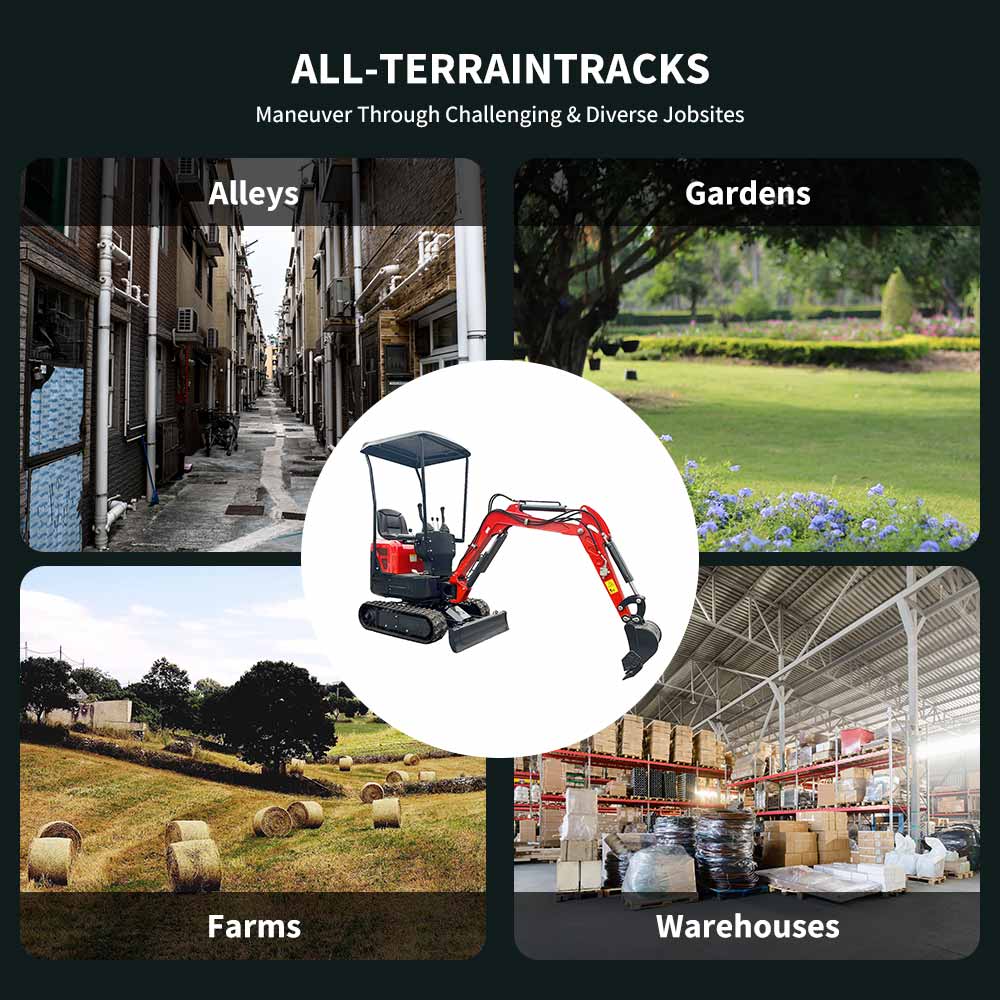
Space constraints within the job site further impact your decision. Tight spaces, such as urban backyards or indoor demolition sites, require machines with a small swing radius and compact footprint. A contractor working in a city alleyway will choose a Mini Excavator that can operate safely without blocking pedestrian traffic or damaging nearby buildings. According to ForConstructionPros, smaller machines offer better maneuverability and reduce the risk of accidents in confined areas.
Digging requirements vary by project. The maximum excavation depth determines how deep you can dig with your Mini Excavator. For example, installing a septic system may require digging trenches up to 10 feet deep. Mini Excavators can reach depths of up to 16 feet, depending on the model and configuration. Always check the specifications to ensure your chosen machine meets the required depth for your project.
Horizontal reach is equally important. If you need to move material across a wide area, select a Mini Excavator with an extended boom. For instance, a contractor laying utility lines along a roadway will benefit from a machine with a reach of at least 10 feet, allowing efficient trenching without frequent repositioning. Consider the weight class as well; heavier models provide more power but may not suit small sites.
Tip: Always match the Mini Excavator’s reach and depth capabilities to your project’s specific needs to maximize efficiency and safety.
| Factor | Description |
|---|---|
| Job Site Conditions | Terrain and layout dictate the size; compact areas need smaller machines for maneuverability. |
| Digging and Lifting | Depth and weight of materials determine the size; larger excavators are needed for heavy tasks. |
| Project Size and Scope | Larger projects require bigger excavators, while smaller jobs can use mini excavators for efficiency. |
| Attachments & Hydraulics | The need for various attachments influences size; larger machines handle more powerful attachments. |
| Fuel Efficiency | Balance between size and fuel consumption; smaller machines are easier to transport and operate. |
| Reach & Swing Radius | Extended booms cover larger areas; compact models are better for tight spaces. |
When you select a Mini Excavator for your project, you must consider the weight of the materials you plan to lift and move. Material weight directly impacts the lifting capacity required from your machine. For example, if you need to relocate large rocks during a backyard renovation, you should check the excavator’s rated lift capacity to avoid overloading. A homeowner in Denver recently used a compact excavator to move landscaping boulders weighing up to 1,200 lbs. By matching the machine’s lift chart to the heaviest object, the project avoided equipment strain and ensured safe operation.
You can reference industry standards for lift capacity at Equipment World and compare typical material weights using the table below:
| Material Type | Average Weight (lbs) | Recommended Excavator Size (lbs) |
|---|---|---|
| Topsoil (per cubic yard) | 2,000 | 4,000+ |
| Gravel (per cubic yard) | 3,000 | 6,000+ |
| Concrete Slab (4’x4’x6″) | 500 | 2,000+ |
| Boulder | 1,000–2,000 | 6,000+ |
Note: Always verify the lift capacity in your operator’s manual before attempting heavy lifts. Overloading can cause tipping and equipment damage.
Attachments expand the versatility of your Mini Excavator, allowing you to tackle a wide range of tasks. You must choose attachments that match both your project needs and the machine’s hydraulic capabilities. For instance, a contractor in Atlanta used a hydraulic breaker to demolish a small concrete patio. By selecting an attachment compatible with the excavator’s hydraulic flow, the team completed the job efficiently and avoided costly downtime.
Common attachment types include buckets, augers, grapples, and compactors. Each serves a specific purpose, and the right choice depends on your project’s complexity. The table below compares popular attachments and their typical uses:
| Attachment Type | Typical Use Case | Hydraulic Requirement | Weight Range (lbs) |
|---|---|---|---|
| Standard Bucket | Digging, trenching | Low | 200–400 |
| Auger | Drilling holes | Medium | 300–600 |
| Grapple | Moving debris, logs | Medium–High | 400–800 |
| Hydraulic Breaker | Demolition | High | 500–1,000 |
A landscaping crew in Phoenix recently switched between a bucket and a grapple to clear brush and load debris. By planning attachment changes in advance, the team reduced idle time and improved workflow. For more guidance on attachment selection, visit ForConstructionPros or explore discussions on LinkedIn.
Tip: Always inspect attachment couplers and hydraulic lines before use. Proper maintenance prevents leaks and ensures safe operation.
By understanding material weight and attachment types, you can maximize your Mini Excavator’s performance and safety. Careful planning leads to smoother project execution and helps you avoid costly mistakes.

Choosing the right size category helps you match your equipment to your project’s demands. The table below summarizes the most common categories and their typical weight ranges:
| Category | Weight Range (lbs) | Typical Applications |
|---|---|---|
| Micro/Ultra-Compact | Under 2,000 | Tight spaces, garden work, small jobs |
| Small Compact | 2,000–4,000 | Landscaping, trenching, light tasks |
| Medium Compact | 6,000–10,000 | Site prep, grading, heavier lifting |
Micro excavators, also called ultra-compact models, weigh less than 2,000 pounds. You can easily maneuver these machines through narrow gates and confined spaces. They work best for projects where access is limited and ground disturbance must be minimal.
Case Study:
You need to replace a leaking water line in a backyard with a narrow gate and mature landscaping. A micro excavator fits through the gate without removing fencing. You dig a precise trench, avoiding damage to flower beds and tree roots. The project finishes in one day, and you restore the yard with minimal disruption.
For more details on micro excavator applications, visit ForConstructionPros.
Small compact excavators weigh between 2,000 and 4,000 pounds. These machines offer more power and reach than micro models, while still maintaining a compact footprint. You can use them for a variety of light construction and landscaping tasks.
Case Study:
You manage a landscaping crew tasked with installing a new irrigation system for a community park. The site has several tight corners and established trees. A small excavator allows you to dig trenches for water lines, maneuver around obstacles, and backfill quickly. The project stays on schedule, and you avoid unnecessary turf damage.
You can find more guidance on small excavator selection at Construction Equipment Guide.
Medium compact excavators range from 6,000 to 10,000 pounds. These machines deliver greater digging depth, lifting capacity, and stability. You can tackle larger site preparation and grading projects with confidence.
Case Study:
You oversee a team preparing a commercial lot for a new building. The site requires removal of old tree stumps and leveling uneven ground. A medium excavator handles heavy lifting and deep digging, allowing you to complete the work efficiently. You switch between a bucket and a grapple attachment to clear debris and move soil, reducing downtime and increasing productivity.
For more information on medium excavator capabilities, refer to Equipment World.
Tip:
Always review your project’s access points, soil conditions, and lifting needs before selecting a Mini Excavator. The right size ensures safety, efficiency, and cost control.
You can boost your project’s productivity by selecting the right size Mini Excavator. These machines excel in tight spaces where larger equipment cannot operate. For example, when you need to dig trenches for a residential irrigation system in a backyard with limited access, a compact excavator allows you to complete the task quickly and safely. You can switch between digging and backfilling without repositioning the machine, which saves time and reduces labor costs.
Tip: Use a Mini Excavator for tasks like grading, trenching, and material movement to maximize efficiency on small to medium job sites. For more insights, explore ForConstructionPros and join discussions on LinkedIn.
| Mini Excavator Model Size | Daily Digging Capacity | Versatility | Cost Efficiency |
|---|---|---|---|
| Micro | Moderate | High | Very High |
| Small | High | Excellent | High |
| Medium | Very High | Superior | Moderate |
A landscaping contractor recently completed a city park renovation using a small excavator. The team finished the project two days ahead of schedule by efficiently maneuvering around trees and playground equipment, demonstrating the impact of proper equipment selection on operational efficiency.
You control your budget more effectively when you understand the operating costs of different excavator sizes. On average, you can expect operating costs to range from $45 to $65 per hour, including the operator. Fuel expenses typically fall between $2,000 and $5,000 per year, depending on usage. For example, a property manager overseeing a multi-unit housing development used a small excavator for routine maintenance and landscaping. By tracking machine hours and fuel consumption, the manager kept annual operating costs near $10,000, well within budget.
Note: Regular maintenance and proper machine selection help you avoid unexpected expenses. For more cost management strategies, visit Equipment World.
You simplify logistics and reduce costs by matching excavator size to your transport and storage resources. Micro excavators, weighing under 4,000 lbs, offer the most flexibility. You can transport them with a standard trailer and store them in a small garage. Small excavators (2,100–5,400 lbs) may require a larger trailer and, in some regions, a commercial driver’s license. Medium models, over 5,400 lbs, often need special permits and dedicated storage space.
| Mini Excavator Size | Weight (lbs) | Transport Considerations |
|---|---|---|
| Micro | < 4,000 | Easy transport, fits on small trailers |
| Small | 2,100–5,400 | May need larger trailer, possible CDL required |
| Medium | > 5,400 | Special permits, more complex logistics |
A contractor working on multiple urban sites chose a micro excavator to move between locations using a pickup and trailer. This decision eliminated the need for expensive transport services and allowed for overnight storage in a standard garage, reducing both time and cost.
For more tips on transport and storage, check out ForConstructionPros.
Selecting the right Mini Excavator size for your project requires a systematic approach. You can follow these steps to ensure the best match:
Tip: Always match the machine’s capabilities to your project’s most demanding task. This approach prevents underperformance and costly delays.
You often encounter a range of tasks in residential settings. Each project type benefits from a specific Mini Excavator size. Here are some practical examples:
Note: For most residential projects, compact models under 4,000 lbs provide the best balance of power and maneuverability. You can find more project ideas and tips at ForConstructionPros.
Trenching and grading require careful size selection to maximize efficiency and safety. You should match the excavator’s capabilities to the depth and scope of your project.
| Mini Excavator Size | Trenching Depth | Applications |
|---|---|---|
| 1-2 tons | Up to 10 feet | Grading, small structure demolition |
| 3-5 tons | Up to 12 feet | Foundation digging, site clearing |
| 6-10 tons | Up to 15 feet | Backfilling, material transport |
Tip: Always check the trenching depth and reach before starting your project. Selecting the right size improves productivity and reduces the risk of equipment strain.
You can explore more trenching and grading strategies on Equipment World.
Demolition projects demand careful consideration of mini excavator size. You must select a machine that balances power, maneuverability, and safety. The right size allows you to break down structures efficiently, remove debris, and minimize risk in confined spaces.
When you tackle small-scale demolition, such as tearing out a concrete patio or removing an old shed, a 5-ton mini excavator often provides the best results. This size offers enough lifting power to handle heavy debris while maintaining the agility needed for tight job sites. For example, a contractor needed to demolish a garage in a residential neighborhood with limited access. The team chose a 5-ton excavator, which fit through the driveway and navigated around fences. The operator used a hydraulic breaker attachment to break up concrete, then switched to a grapple to load debris. The project finished ahead of schedule, and the property remained undamaged.
If you face more demanding demolition tasks, such as removing large retaining walls or clearing commercial interiors, you should consider an 8-ton mini excavator. This size delivers greater hydraulic force and reach, making it suitable for moving heavy rubble and digging deeper foundations. In one case, a crew worked on a warehouse renovation where space was restricted by support columns and overhead pipes. The team selected an 8-ton excavator for its superior lifting capacity and stability. The operator dismantled masonry walls and loaded debris into trucks without repositioning the machine. The increased power reduced manual labor and improved site safety.
You can use the following table to compare recommended mini excavator sizes for demolition tasks in confined spaces:
| Mini Excavator Size | Ideal For | Key Features |
|---|---|---|
| 5-Ton | Medium to large construction projects, utility work, and small-scale demolition tasks. | Good balance between size, lifting power, and versatility. |
| 8-Ton | Heavy-duty tasks such as moving large debris, digging deeper trenches, and working with denser soil. | Designed for commercial construction projects requiring additional power. |
Tip: Always assess the type and volume of material you need to remove before choosing your excavator. A machine that is too small may struggle with heavy debris, while an oversized model can damage surrounding structures and increase operating costs.
You should also consider the attachments required for demolition. Hydraulic breakers, grapples, and sorting buckets expand your capabilities. For instance, a demolition crew working in a city alley used a 5-ton excavator with a breaker to tear up old pavement, then switched to a sorting bucket to separate recyclable materials. Planning attachment changes in advance helped the team avoid downtime and maintain a safe workflow.
Safety remains a top priority during demolition. You must ensure the excavator fits within the workspace and provides clear visibility for the operator. In a recent project, a property manager needed to remove a damaged retaining wall next to a playground. The team measured the available space and selected a compact excavator with zero tail swing. This choice allowed precise movement near playground equipment and reduced the risk of accidental damage.
Note: Review local regulations and site conditions before starting demolition. Proper machine selection and planning prevent costly mistakes and keep your project on track.
By understanding why mini excavator size matters for demolition tasks, you can improve efficiency, control costs, and protect both workers and property. Careful planning and the right equipment ensure successful outcomes, even in the most challenging environments.
You often face challenges when estimating the right equipment size for your project. Overestimating your needs leads to selecting a bucket that is too large, which makes handling difficult and increases wear on your Mini Excavator. Underestimating results in a bucket that is too small, causing longer project times and higher labor costs. Mismatching the bucket and excavator can create safety hazards and reduce efficiency.
A contractor once chose a large bucket for a small trenching job in a residential area. The oversized bucket made precise digging impossible and damaged the lawn. The team had to switch to a smaller bucket, which delayed the project and increased expenses. You can avoid these issues by reviewing your project scope and matching the bucket size to the task. For more advice, visit ForConstructionPros or join discussions on LinkedIn.
Site limitations play a critical role in equipment selection. Narrow entry points require machines that operate effectively in confined spaces. Overhead obstacles demand zero tail swing models to prevent collisions, especially when clearance is less than eight feet. Mini diggers excel in precision work where larger machines cannot fit.
A property manager needed to install a drainage system in a courtyard with limited access. The team measured the gate and realized only a compact excavator would fit. Ignoring these site limits would have forced costly modifications to the property. You should always assess entry points and overhead clearance before selecting your equipment. For more tips, check out Construction Equipment Guide and industry forums on LinkedIn.
Attachment compatibility affects both safety and performance. Using the wrong attachment can cause bucket detachment, reduce digging efficiency, and damage hydraulic systems. You must verify pin spacing and hydraulic flow before choosing attachments.
| Consequence | Description |
|---|---|
| Safety risks | Improper fit can cause bucket detachment during operation |
| Performance issues | Wrong pin spacing affects digging geometry and reduces efficiency |
| Equipment damage | Forcing incompatible attachments can damage expensive hydraulic systems |
A landscaping crew once forced a grapple attachment onto a Mini Excavator without checking compatibility. The attachment detached during operation, creating a safety hazard and damaging the hydraulic lines. The team had to halt work and pay for repairs. You can prevent these problems by consulting the operator’s manual and confirming attachment specifications. For more guidance, explore ForConstructionPros and join equipment discussions on LinkedIn.
Tip: Always match attachments to your machine’s hydraulic and mechanical specifications. This step protects your investment and ensures safe, efficient operation.
You might overlook operator comfort when selecting a mini excavator, but this factor can make or break your project’s success. Comfortable operators stay focused, work longer hours, and make fewer mistakes. Discomfort leads to fatigue, slower progress, and even safety risks. You should always consider how cab size, seating, and controls affect your experience on the job.
Modern mini excavators offer a range of comfort features that vary by size and cab configuration. Larger models often include sealed cabs with climate control, while smaller units may only have a canopy. The right choice depends on your project’s duration, weather conditions, and the tasks you plan to complete. For example, if you expect to work in extreme temperatures or for extended periods, a sealed cab with heat and air conditioning keeps you comfortable and productive.
| Feature | Description |
|---|---|
| Cab Comfort | Standard heat and air conditioning, suspension seats, and adjustable armrests reduce fatigue. |
| Advanced Displays | Easy-to-read machine data, control options, and diagnostics help you monitor performance. |
| Visibility Options | All-around view monitor (AVM) camera systems improve awareness and reduce blind spots. |
You should also pay attention to the seat and control layout. Suspension seats and adjustable armrests support your posture and minimize strain during long shifts. Advanced displays provide clear information, so you can monitor machine health and adjust settings without leaving your seat. Visibility features, such as camera systems, help you spot obstacles and prevent accidents, especially in tight spaces.
Consider a case where a contractor needed to complete a week-long grading project in hot weather. The operator chose a mini excavator with a sealed cab and air conditioning. This decision allowed the operator to work full days without overheating or losing focus. The project finished ahead of schedule, and the operator reported less fatigue and fewer breaks.
You can find different cab options even within the same model range. For instance:
Another example involves a landscaping crew working in a residential neighborhood with limited space. The team selected a compact excavator with an all-around view monitor. The improved visibility allowed the operator to maneuver safely around fences and trees, reducing the risk of property damage and increasing confidence during operation.
Tip: Always test the seat, controls, and visibility features before committing to a machine. A comfortable operator works more efficiently and safely, which leads to better project outcomes.
Ignoring operator comfort can result in slower progress, more errors, and higher risk of injury. You should prioritize comfort features when choosing your mini excavator. This approach ensures you stay productive, safe, and satisfied throughout your project.
You need to start your checklist by reviewing your project goals and requirements. This step helps you avoid costly mistakes and ensures you select the right equipment for the job. For example, if you plan to landscape a backyard, list every task, such as digging, grading, and moving materials. A homeowner once outlined a garden renovation project, including pond installation and tree removal. By breaking down each activity, the homeowner realized a compact excavator would handle all tasks efficiently. You should ask yourself:
A clear project review allows you to match equipment capabilities to your needs. You avoid renting a machine that is too large or too small, which saves time and money.
You must assess your job site before choosing a Mini Excavator. Site conditions directly impact safety and efficiency. For instance, a contractor measured the width of a backyard gate and checked for overhead wires before starting a utility trenching job. The team discovered only a micro excavator would fit through the gate and operate safely under low-hanging branches. You should inspect:
A thorough site check prevents equipment damage and project delays. You ensure the excavator can access all work areas and operate without risk.
| Site Feature | Why It Matters | Action Step |
|---|---|---|
| Entry Points | Determines equipment access | Measure all openings |
| Terrain | Affects stability and maneuverability | Inspect for slopes/soft soil |
| Overhead Obstacles | Prevents collisions and accidents | Check for wires/branches |
You need to plan your attachment requirements to maximize the Mini Excavator’s versatility. Attachments allow you to switch between digging, grading, and lifting tasks. For example, a landscaping crew prepared for a multi-phase project by listing all required attachments, such as buckets, augers, and grapples. The team checked each attachment’s compatibility with their excavator’s hydraulic system and weight class, which prevented operational issues.
Choosing the right attachment for a mini excavator is crucial. It is essential to ensure that the attachment matches the excavator’s specifications, including weight class and hydraulic flow requirements, to avoid operational issues and ensure safety.
You should create an attachment plan by:
A contractor once selected a hydraulic breaker for a demolition job but failed to verify the hydraulic flow requirements. The attachment did not function properly, causing delays and additional costs. You avoid these problems by planning ahead and confirming all specifications.
Tip: Always consult your operator’s manual and review attachment charts before finalizing your equipment selection. This step protects your investment and keeps your project on track.
You reach the final step in selecting your mini excavator size after reviewing your project, site, and attachment needs. This decision shapes your project’s efficiency, safety, and cost control. You must weigh several criteria to ensure you choose the right machine for your job.
Key Criteria for Making Your Final Choice:
Tip: Always match the excavator’s capabilities to the most demanding aspect of your project. This approach prevents underperformance and costly delays.
Decision Table for Quick Reference
| Criteria | Why It Matters | Action Step |
|---|---|---|
| Tightest Space | Ensures machine fits all work areas | Measure narrowest entry point |
| Deepest Dig | Matches excavator to required depth | Check project’s maximum depth |
| Material Movement | Avoids overload and inefficiency | Estimate total material volume |
| Transport and Budget | Controls costs and logistics | Review trailer size and expenses |
You should review this table before making your final selection. Each criterion helps you avoid common mistakes and ensures your excavator matches your project’s unique demands.
Case Study:
A landscaping company planned to renovate several residential yards with different layouts. The team measured each site’s tightest space and deepest dig. They estimated the total material to move and reviewed transport options. By choosing a compact excavator that met all criteria, the company completed each job efficiently and stayed within budget.
Making a careful final decision on mini excavator size protects your investment and keeps your project on track. You gain peace of mind knowing your equipment matches your needs, reduces risk, and maximizes productivity.
Choosing the right Mini Excavator size drives project success. You avoid delays and extra costs by matching machine capabilities to your job’s demands. Consider a contractor who selected a compact model for utility trenching in a crowded backyard. The project finished quickly, with no damage to surrounding structures. Before renting or buying, review the checklist below to ensure safety and efficiency:
| Feature | Description |
|---|---|
| Rollover Protection | Prevents accidents on uneven terrain |
| Work Lights | Improves visibility in low-light conditions |
| Warning Systems | Alerts for hydraulic and engine issues |
If you feel uncertain, consult rental experts. They help you evaluate total costs and recommend the best fit for your site. Careful planning leads to better outcomes, lower expenses, and safer operations.
Remember: Good preparation prevents costly mistakes and keeps your project on track.
You should choose a micro excavator under 2,000 lbs for narrow gates and small yards. For example, a homeowner replaced a water line in a backyard with a 36-inch gate using a micro model, avoiding fence removal and minimizing landscape disruption.
Measure your trench or hole depth before selecting a machine. A property manager needed to install drainage pipes at 8 feet deep. By checking excavator specs, the manager chose a model with a 9-foot digging depth, ensuring efficient completion.
You can switch attachments if your excavator supports the required hydraulic flow and coupler type. A landscaping crew used a bucket for digging and a grapple for debris removal, planning attachment changes in advance to avoid downtime and improve workflow.
Check your trailer size and local transport regulations. A contractor moved a micro excavator between urban sites using a standard trailer, saving on transport costs and storing the machine in a garage overnight for security.
Always verify the lift capacity in your operator’s manual. A homeowner moved boulders weighing 1,200 lbs with a compact excavator rated for 1,500 lbs, preventing equipment strain and ensuring safe operation throughout the project.
Operator comfort affects productivity, even on short jobs. A contractor chose a mini excavator with a suspension seat for a two-day grading task. The operator worked longer hours with less fatigue, finishing ahead of schedule.
You should check for rollover protection, work lights, and warning systems. A landscaping team used a compact excavator with a rollover bar and bright lights for evening work, reducing accident risk and improving visibility in low-light conditions.
Estimate the heaviest material you will move. A property manager needed to relocate gravel weighing 3,000 lbs per cubic yard. By selecting a medium excavator rated for heavy lifting, the manager completed the job safely and efficiently.







-1.png)